Steve Jobs Favorite Books
Steve Jobs wasn't just a tech visionary; he was a voracious reader whose bookshelf shaped his revolutionary thinking. Delving into the favourite books of steve jobs offers a unique window into the mind of a creative genius, revealing the sources of his inspiration on everything from design simplicity to business strategy. This list of the top picks from steve jobs book recommendations is more than just a reading list; it's a guide to the ideas that built Apple. For the complete steve jobs book recommendations, explore the concepts that fueled his relentless drive for innovation. Curated by the VoxBrief team.
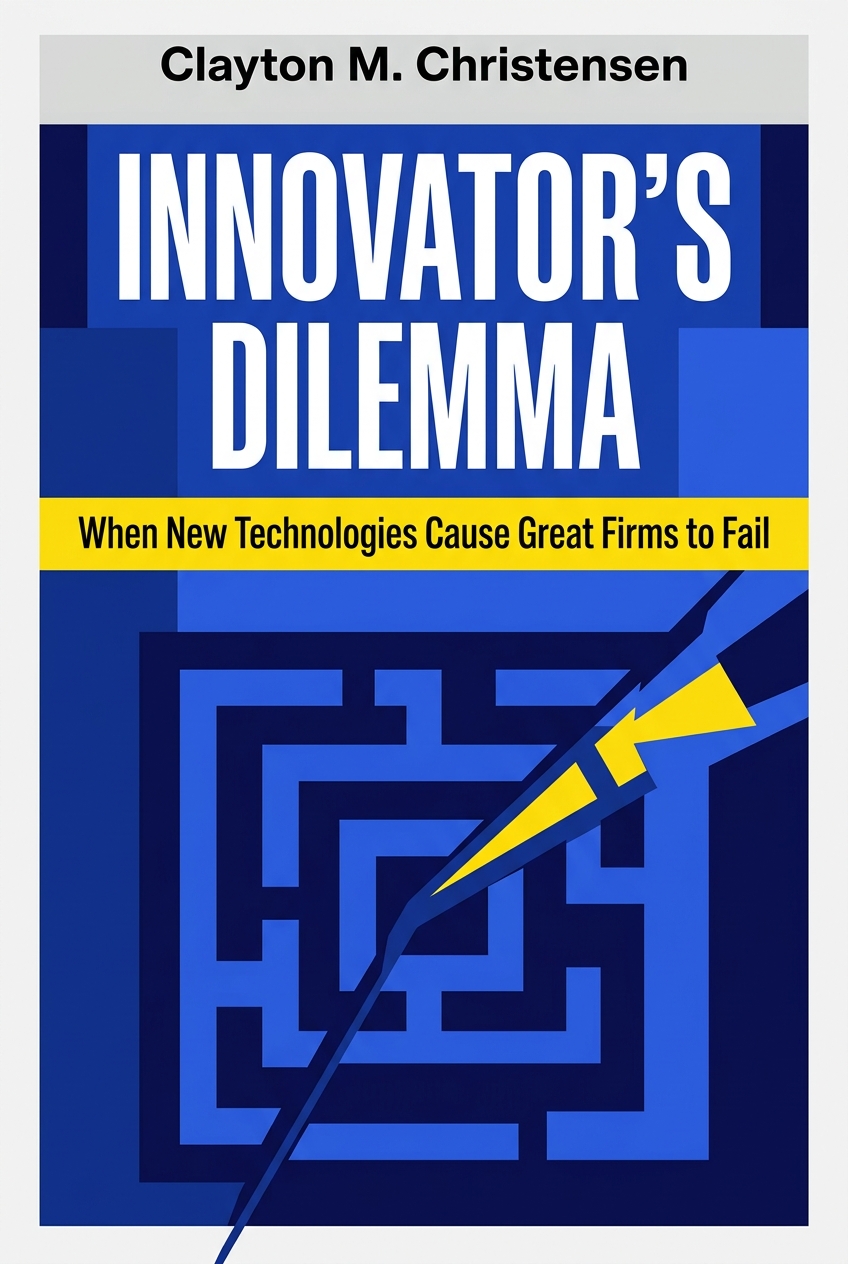
The Innovator's Dilemma
Learn why good management can blind market leaders to disruptive new technologies.
- Good management practices can sometimes lead to business failure.
- Distinguish between sustaining innovations and disruptive new-market technologies.
- Companies must create frameworks to identify and invest in disruption early.
Leaders in established companies who want to avoid being made obsolete.
Learn why good management can blind market leaders to disruptive new technologies.
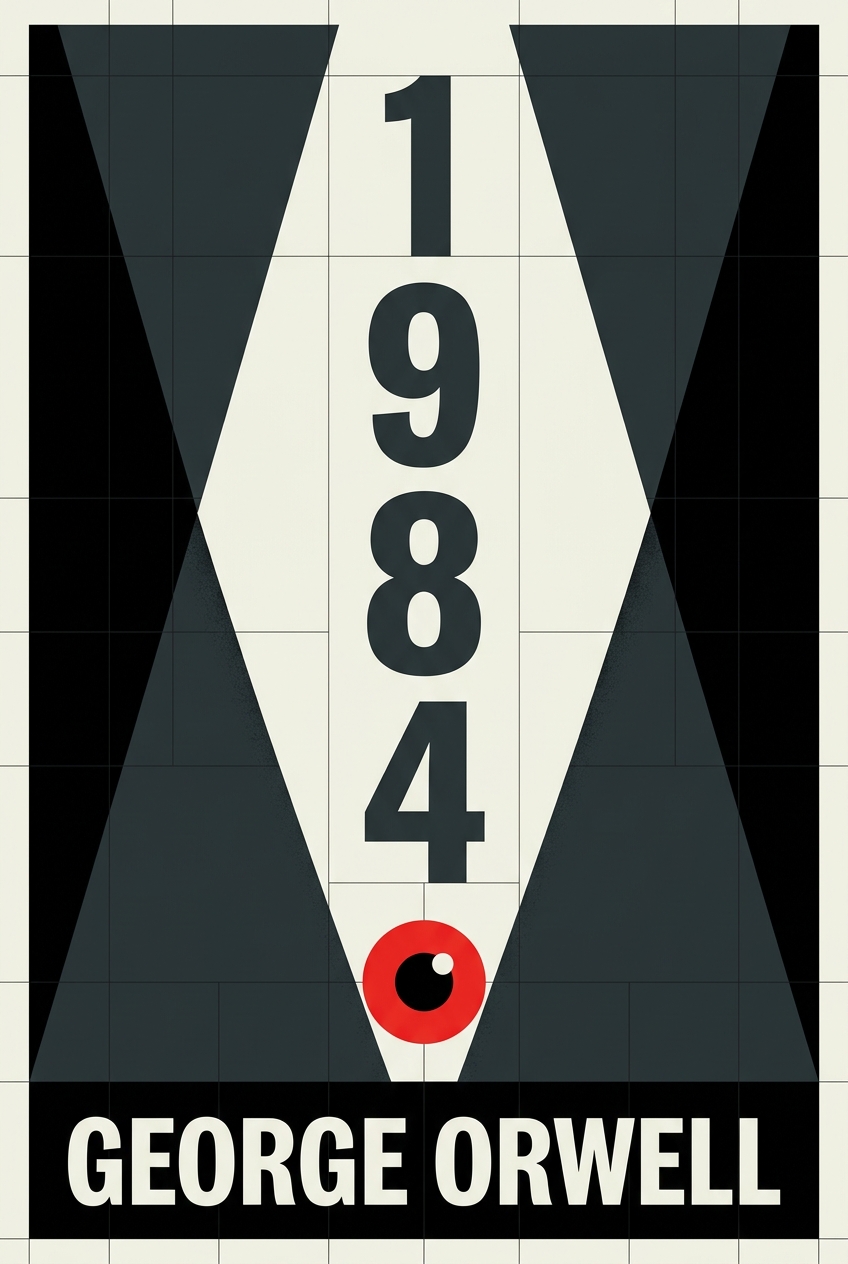
1984
A chilling warning about a totalitarian world of total surveillance and mind control.
- Language can be weaponized to make dissent and independent thought impossible.
- Absolute power uses surveillance and historical revisionism to control reality.
- The freedom to think for yourself is the ultimate human liberty to protect.
Anyone concerned about government overreach, surveillance, and media manipulation.
A chilling warning about a totalitarian world of total surveillance and mind control.
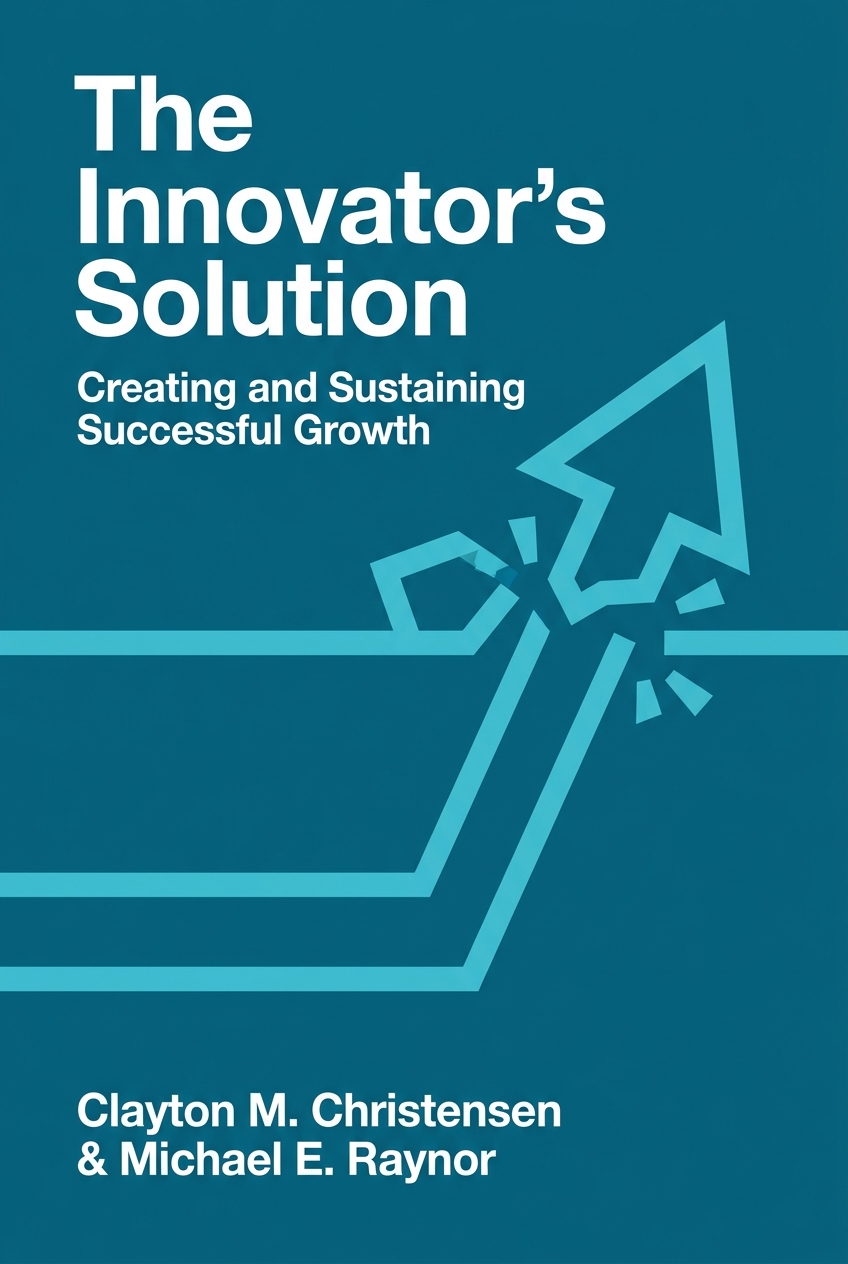
The Innovator's Solution
A practical guide for established companies to create new growth through disruption.
- Identify which growth strategies will succeed and which are destined to fail.
- Structure teams and funding specifically to foster internal innovation.
- Turn the threat of market disruption into your company's greatest opportunity.
CEOs and strategists looking for actionable frameworks for long-term growth.
A practical guide for established companies to create new growth through disruption.
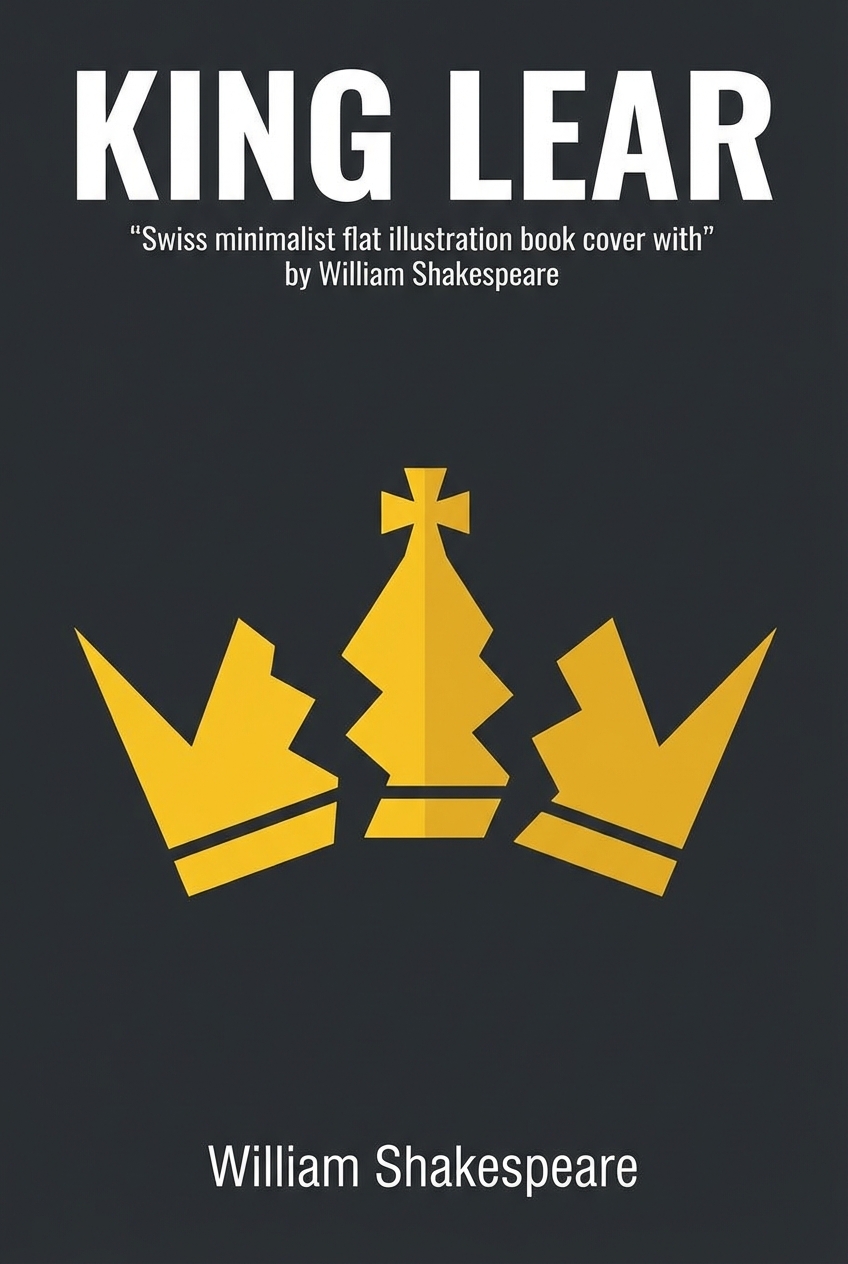
King Lear
An aging king learns the tragic difference between flattery and true loyalty.
- An unchecked ego can lead to catastrophic misjudgments in leadership.
- Flattering words often hide betrayal, while truth can be hard to hear.
- Poor judgment can unravel families, kingdoms, and one's own sanity.
Leaders who must discern honest feedback from empty praise within their teams.
An aging king learns the tragic difference between flattery and true loyalty.
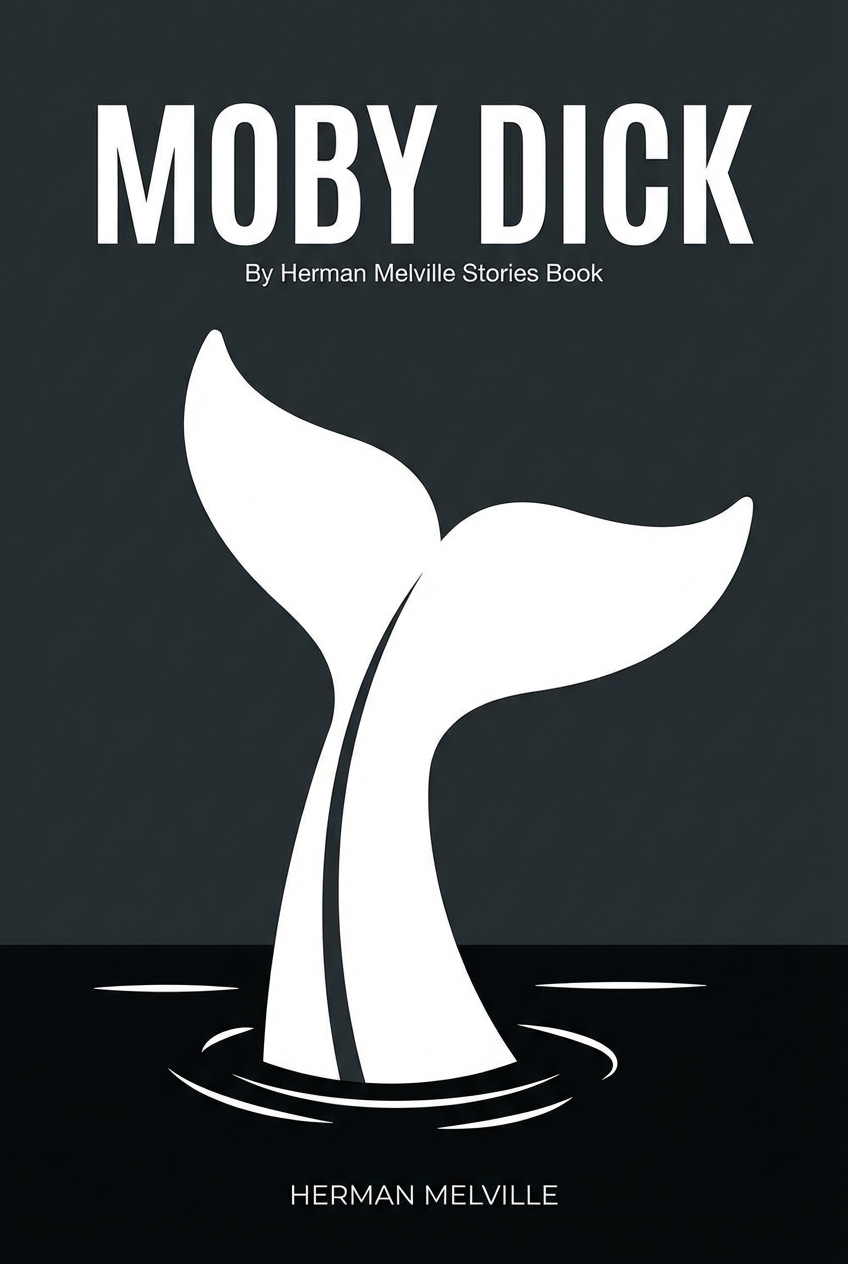
Moby Dick
The epic tale of a captain's obsessive, self-destructive quest for vengeance.
- A leader's personal obsession can endanger their entire team.
- There is a fine line between fierce determination and self-destruction.
- Unchecked ambition can lead to madness and ruin.
Ambitious individuals who need to check their drive against its consequences.
The epic tale of a captain's obsessive, self-destructive quest for vengeance.
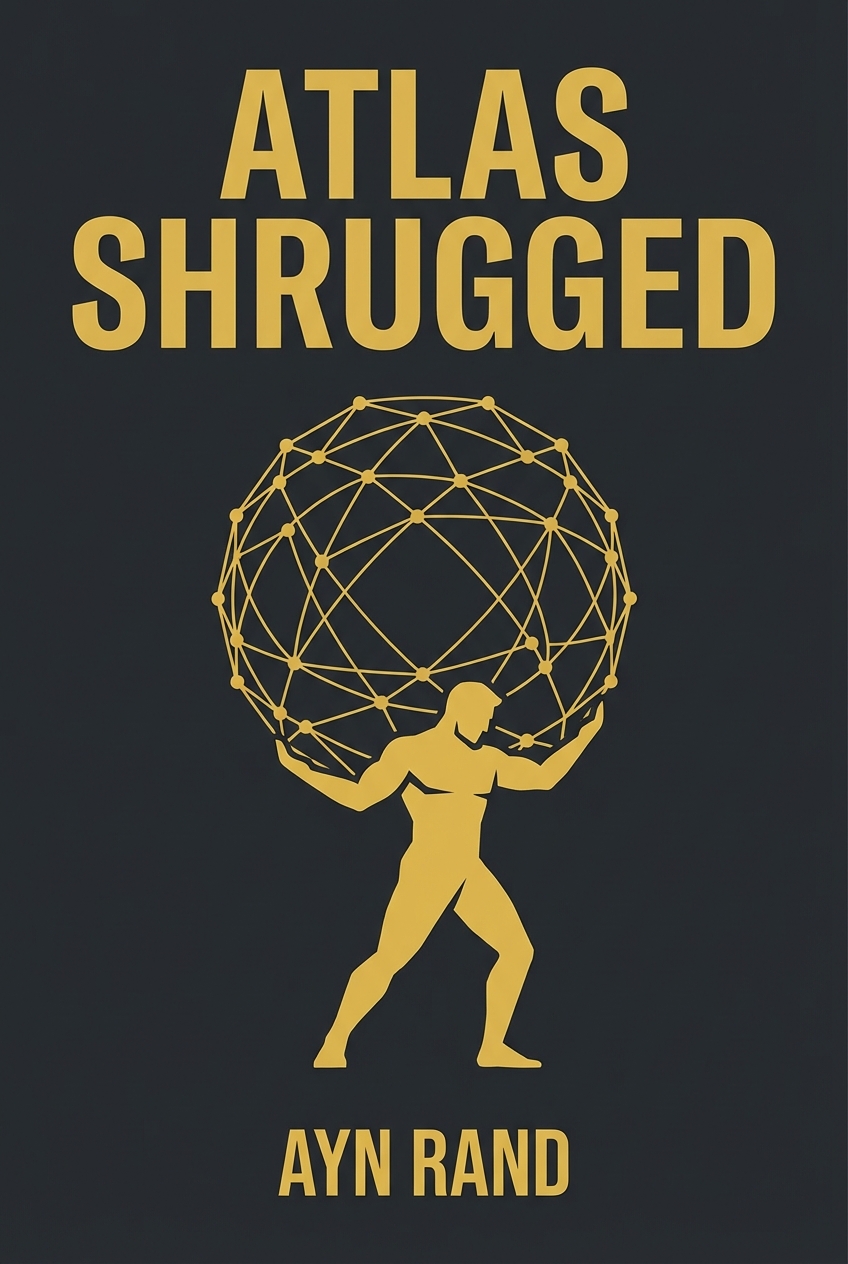
Atlas Shrugged
What happens to the world when its greatest innovators and thinkers disappear?
- Society depends on the minds of its rational creators and producers.
- Individual achievement and rational self-interest are presented as moral virtues.
- The engine of the world stalls without the freedom to create and innovate.
Readers interested in the philosophy of Objectivism and radical individualism.
What happens to the world when its greatest innovators and thinkers disappear?
Frequently Asked Questions
Steve Jobs didn't publish an official list, but his biography and interviews reveal key influences. These include works on innovation like 'The Innovator's Dilemma,' spiritual texts like 'Autobiography of a Yogi,' and literary classics like 'Moby Dick' and 'King Lear.'
For business and innovation, 'The Innovator's Dilemma' by Clayton Christensen is essential. For understanding his rebellious spirit and marketing, George Orwell's '1984' is a must-read, as it directly inspired Apple's most famous commercial.
His book choices show a mind obsessed with disruption, excellence, and the power of the individual. He drew from literary classics for insights into human nature and obsession, and from business texts for strategies to upend entire industries.