Have you ever been in a room and felt completely captivated by someone? They weren't necessarily the loudest or most attractive person, but they had a magnetic quality that drew people in and made them listen. This quality is charisma, and for a long time, it was considered a mysterious gift bestowed upon a lucky few. The good news is, that's a myth. Charisma is a skill, and like any skill, it can be learned, practiced, and mastered. An incredible number of insightful charisma books have been written to serve as your guide, breaking down this seemingly magical quality into understandable components and actionable steps.
This article serves as an introduction to be more charismatic in 10 days and beyond, drawing on insights from leading authors to explain what charisma really is, why it’s a powerful tool, and how you can begin developing it yourself.
What is Charisma, Really? Debunking the Myths
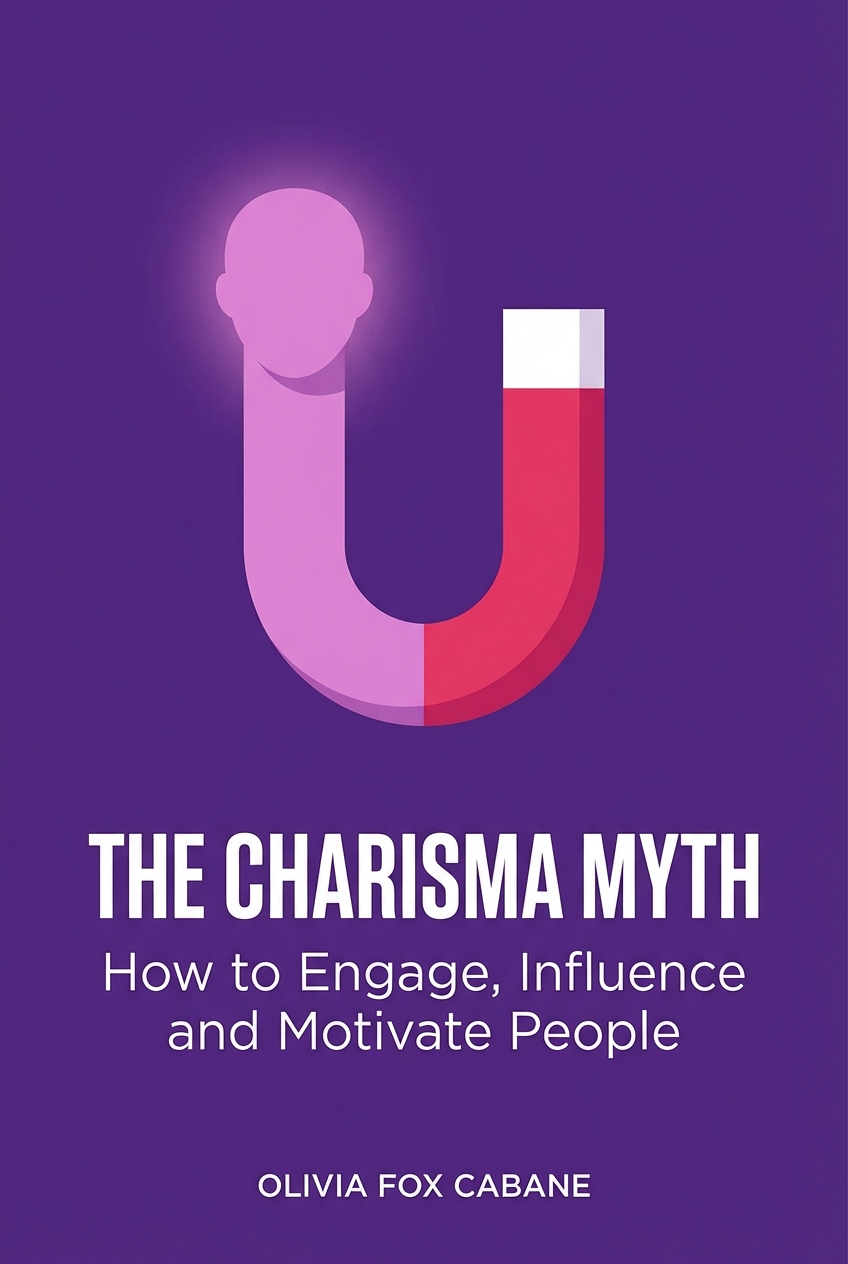
Before you can learn a skill, you need a clear definition. For many, charisma is vaguely associated with charm, extroversion, or smooth-talking. But it's much deeper and more accessible than that. In her groundbreaking book, The Charisma Myth, Olivia Fox Cabane demystifies the concept entirely. She argues that charisma isn't a personality trait but the result of specific, observable behaviors.
According to Cabane, charismatic behavior boils down to a combination of three core components:
- Presence: Being fully present in the moment with the person you are interacting with. It means putting away your phone, quieting your internal monologue, and giving them your undivided attention. When people feel truly seen and heard by you, they perceive you as charismatic.
- Power: This refers to your perceived ability to affect the world around you. It’s conveyed through body language, confidence, and expertise. Power doesn't mean being domineering; it means being seen as someone who is capable and has agency.
- Warmth: This is goodwill towards others. It's about conveying kindness, compassion, and acceptance. Warmth makes people feel liked and safe around you, creating the foundation for a genuine connection.
So, why is learning to be more charismatic important? When you can effectively project presence, power, and warmth, you build trust and rapport almost instantly. This enhances your influence, strengthens your relationships, and opens doors to leadership opportunities. It's not about faking it; it's about learning to communicate your authentic self more effectively.
The Core Components of Charismatic Communication
Understanding the pillars of charisma is the first step. The next is learning how to actively demonstrate them. This is where practical frameworks become invaluable. Charlie Houpert, in Charisma On Command, offers a simple yet powerful formula for this: Charisma = Conviction + Energy + Presentation. This provides a clear roadmap for anyone, especially for beginners.
The Conviction Foundation
Conviction is the bedrock of Houpert's model. It's the unwavering belief in yourself and your message. Without it, your words will lack impact and your body language will betray your uncertainty. This is why, as Cabane also notes, managing your internal state is so crucial. Overcoming self-doubt and feeling worthy of being heard is a prerequisite to projecting charisma.
The Art of Presentation
Once you have conviction, you need to express it. This is the 'Presentation' part of the formula, which involves the nonverbal and verbal cues that broadcast your internal state.
- Body Language: How you hold yourself speaks volumes. A confident posture—shoulders back, head held high—signals power and presence. Houpert emphasizes that taking up space, rather than shrinking, is a key nonverbal signal of a charismatic individual.
- Vocal Tonality: The way you speak is as important as what you say. A charismatic voice is often resonant, avoids uptalk (ending sentences with a rising inflection), and uses strategic pauses to add weight to words.
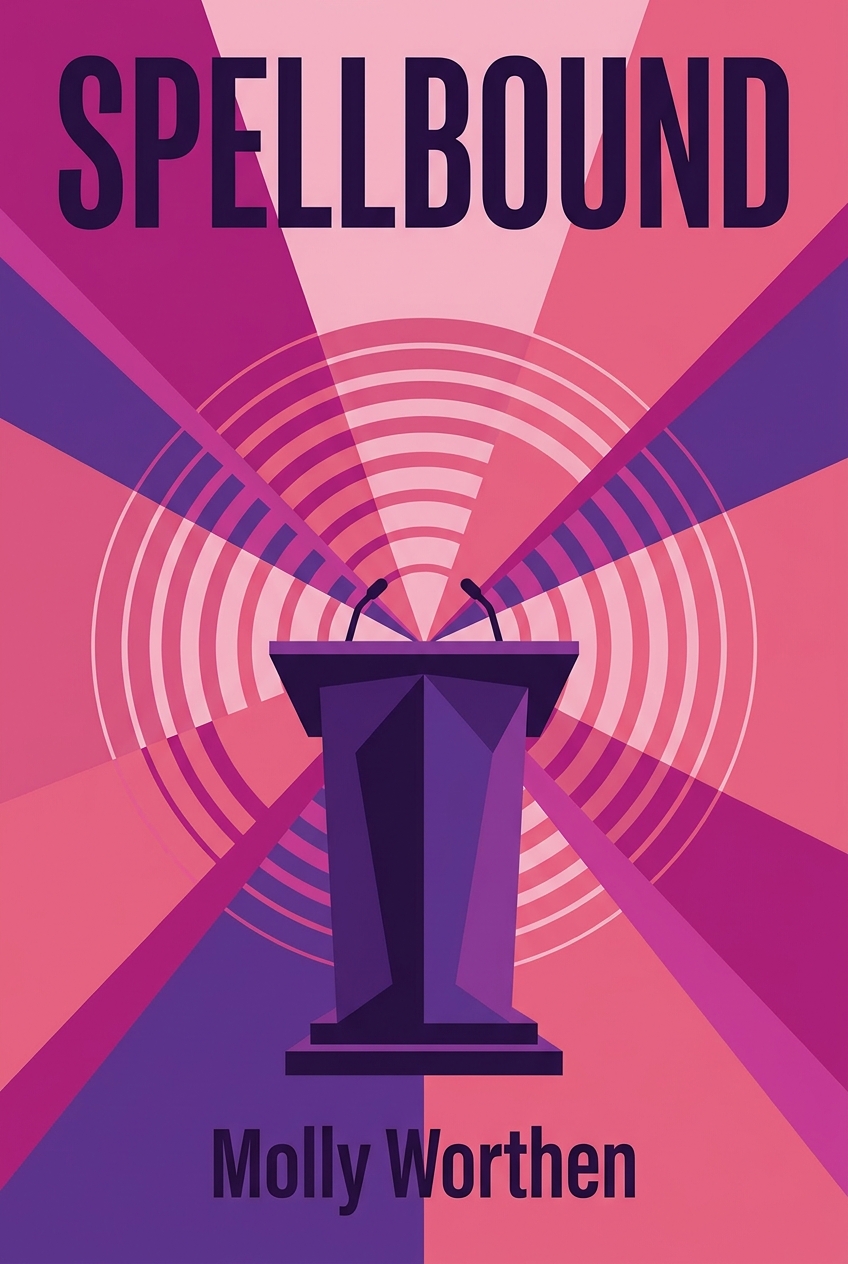
- Storytelling: Charismatic people don't just state facts; they weave narratives. Stories engage listeners emotionally, making your message more memorable and persuasive. Molly Worthen's book, Spellbound, explores this on a grand scale, showing how leaders throughout American history have used powerful narratives to captivate their followers.
The Energy You Project
The final piece of the puzzle is Energy. The emotional state you bring into an interaction is contagious. A positive, energized presence can lift the mood of an entire room, while a low-energy, anxious state can have the opposite effect. Many readers searching for the best books on charisma and confidence find this kind of practical, component-based approach extremely helpful because it provides clear areas for practice.
Unlocking Your Authentic Charisma from Top Charisma Books
A common fear among those looking to be more charismatic is that they have to become someone they're not—a loud, back-slapping extrovert. This couldn't be further from the truth. The most effective charisma is authentic charisma, rooted in your own personality. The goal is to remove the blocks preventing your natural charisma from shining through, not to put on a mask.
Finding Your Style
In The Charisma Myth, Olivia Fox Cabane introduces four distinct charisma styles, explaining that you can lean into the one that feels most natural to you:
- Focus Charisma: Based on deep presence and listening (think Bill Gates).
- Visionary Charisma: Inspires others with a bold vision (think Steve Jobs).
- Kindness Charisma: Radiates warmth and acceptance (think the Dalai Lama).
- Authority Charisma: Projects power and status (think Winston Churchill).
You don't have to master all four. Finding the style that aligns with your personality and the situation allows you to be both charismatic and authentic.
It's also important to acknowledge the other side of this coin: the immense pressure to be charismatic. The novel People with No Charisma by Jente Posthuma offers a poignant look at this. It explores the lives of siblings who feel they lack the 'it' factor and feel alienated by a world that rewards a specific kind of performative charm. The book suggests that the relentless pressure to project charisma can lead to anxiety and disconnect.
This provides a crucial lesson: the pursuit of charisma should not be about conforming to an external ideal. Rather, as Nick Sparks discusses in As You Are, it's about reclaiming your confidence and unleashing your authentic self. True connection comes not from a perfect performance, but from the messy, genuine work of seeing others—and yourself—clearly. Charisma tips and tricks are useful, but they must be built on a foundation of self-acceptance to have a lasting, positive impact.
Master key ideas in 15 minutes
Listen to audio summaries of these books on VoxBrief
Download Free