A Beginner's Guide: What to Learn from Goal Setting Books
By VoxBrief Team··6 min read
It’s a familiar feeling: you have a grand vision for your future, a list of ambitious goals, and a deep desire for change. Yet, day after day, that vision remains distant, clouded by the fog of daily obligations, distractions, and a creeping sense of overwhelm. How do you bridge the vast gap between where you are and where you want to be? This is where the wisdom found in goal setting books becomes an indispensable tool. They offer more than just motivation; they provide battle-tested frameworks that turn vague intentions into concrete results. This guide serves as an introduction to best books on goal setting concepts, explaining the core principles you can use to start building a life of purpose and achievement.
The Foundation: Why Your Mindset is Your Most Important Tool
Before you can effectively set and pursue any goal, you must first examine the beliefs that govern your actions. You can have the best strategy in the world, but if your underlying mindset is working against you, you will inevitably stumble. This is a fundamental concept for anyone starting their journey and wondering why is best books on goal setting important.
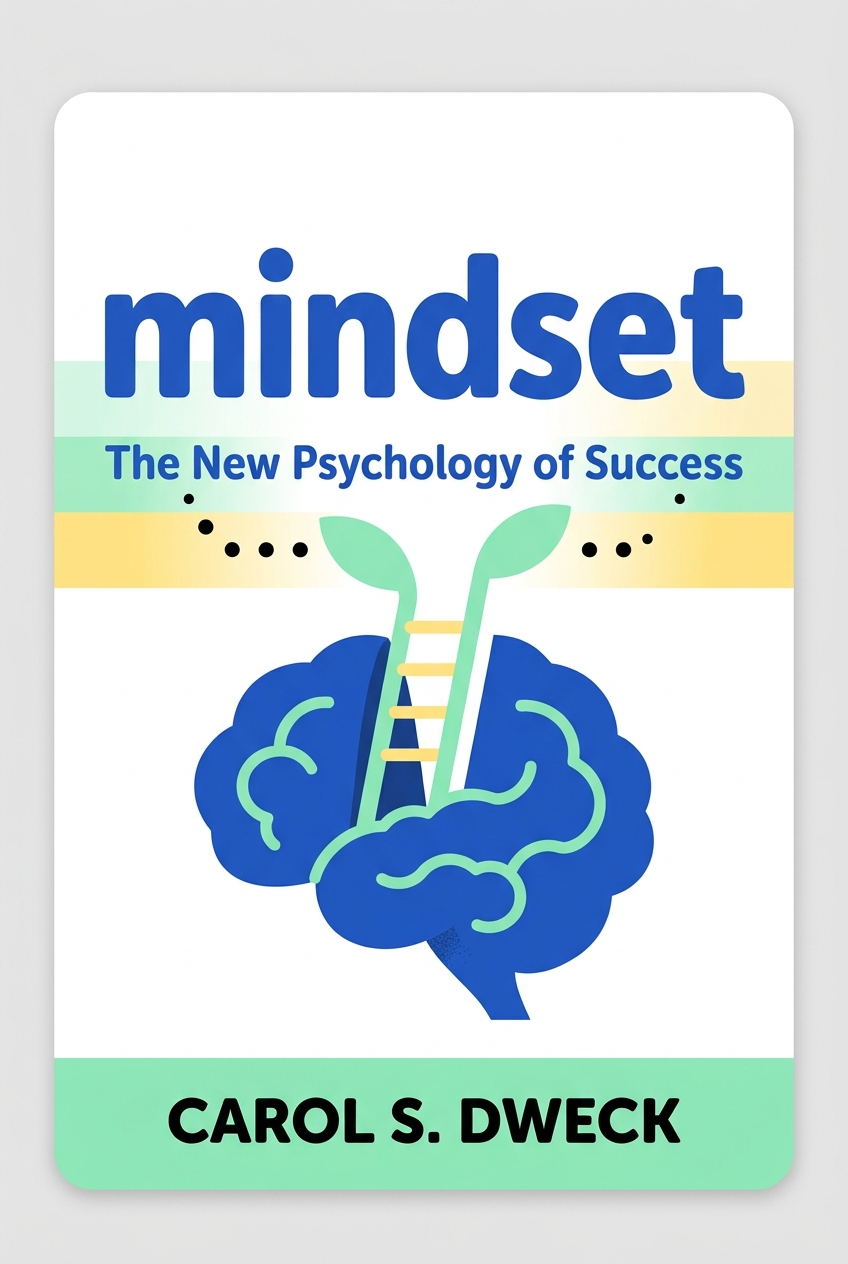
In her groundbreaking book Mindset, Stanford psychologist Carol S. Dweck introduces a powerful dichotomy: the “fixed mindset” versus the “growth mindset.” Individuals with a fixed mindset believe their talents and intelligence are static traits. They see challenges as risks, effort as a sign of weakness, and failure as a definitive judgment of their abilities. Consequently, they tend to play it safe, avoiding tasks where they might not succeed.
Conversely, those with a growth mindset believe that abilities can be developed through dedication and hard work. They embrace challenges as opportunities to learn, see effort as the path to mastery, and view failure as a valuable source of feedback. For goal-setters, cultivating a growth mindset is non-negotiable. When you inevitably hit a roadblock—and you will—this mindset allows you to analyze what went wrong, adapt your strategy, and try again with new knowledge, rather than giving up entirely.
From Ambition to Action: Frameworks for Execution
A positive mindset opens the door to possibility, but it’s a powerful execution framework that walks you through it. Many people fail not because their goals are too big, but because their approach is too disorganized. The best goal setting tips often revolve around simplifying your process and building consistent habits.
The Power of Singular Focus
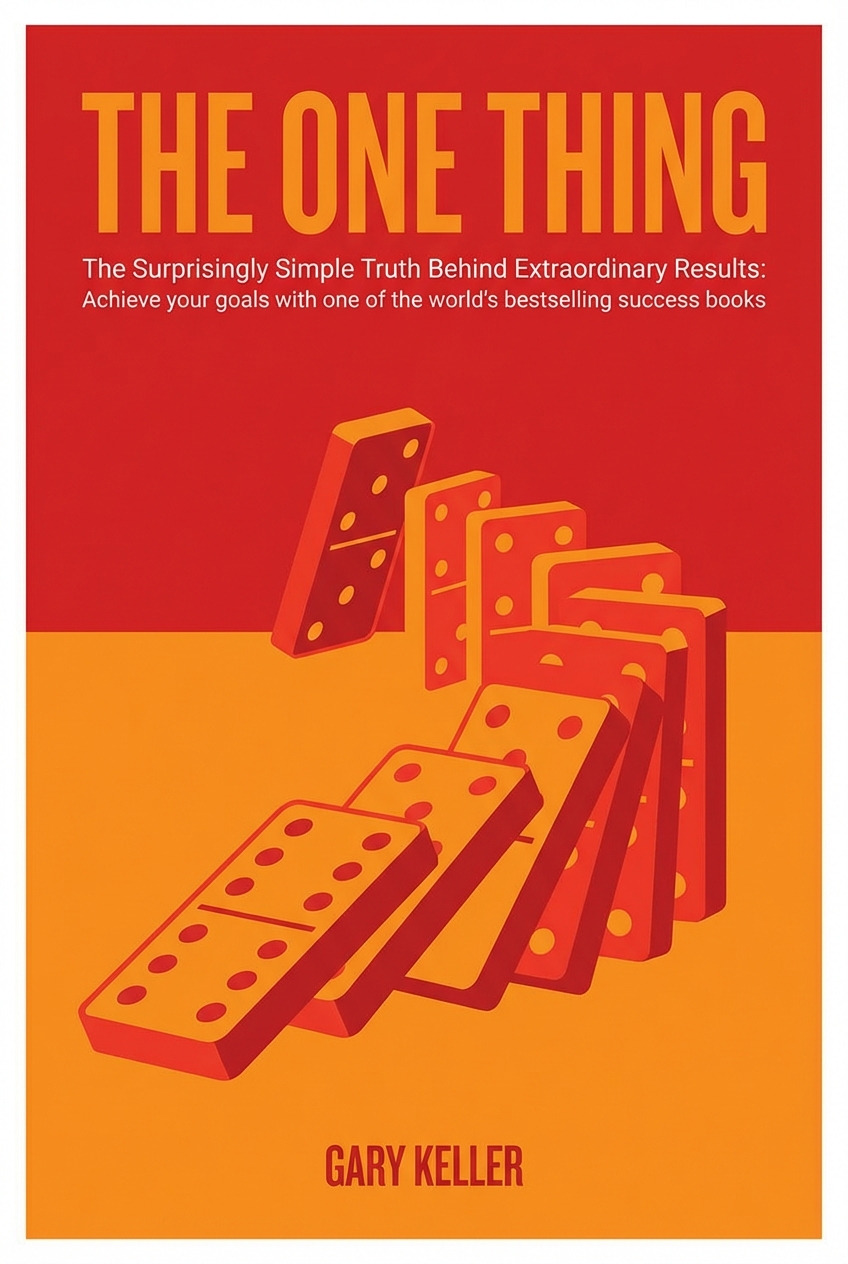
In a world that glorifies multitasking and celebrates being “busy,” the idea of doing less can feel radical. Yet, this is the exact advice offered by Gary Keller in The One Thing. He argues that the myth of multitasking is one of the most destructive lies derailing our success. When you try to do too much at once, you end up doing nothing well. Extraordinary results are created through a sequential, singular focus.
Keller introduces the “Focusing Question” as a tool to cut through the clutter: “What’s the ONE Thing I can do such that by doing it, everything else will be easier or unnecessary?” This question forces you to prioritize ruthlessly and identify the single most important action you can take right now. It operates like a lead domino; by toppling that one carefully chosen piece, you set off a chain reaction that makes subsequent progress feel almost automatic. For beginners, this framework is invaluable because it transforms an overwhelming mountain of tasks into a single, manageable next step.
Fighting Procrastination with a Daily System
Even with a clear priority, the friction of starting can be immense. We often put off our most important tasks because they are difficult or unpleasant. Brian Tracy addresses this universal struggle head-on in Eat That Frog!. The central metaphor is simple yet profound: if the first thing you do each morning is eat a live frog, you can go through the rest of the day knowing that the worst is behind you.
Your “frog” is your most significant, high-impact task—the one you are most likely to procrastinate on. By tackling it before you check emails, scroll through social media, or attend to minor issues, you ensure that you make meaningful progress on your goals every single day. This single habit builds powerful momentum and creates a feeling of accomplishment that fuels the rest of your day. It’s a practical system for turning good intentions into daily discipline.
Redefining the Timeline with The 12 Week Year
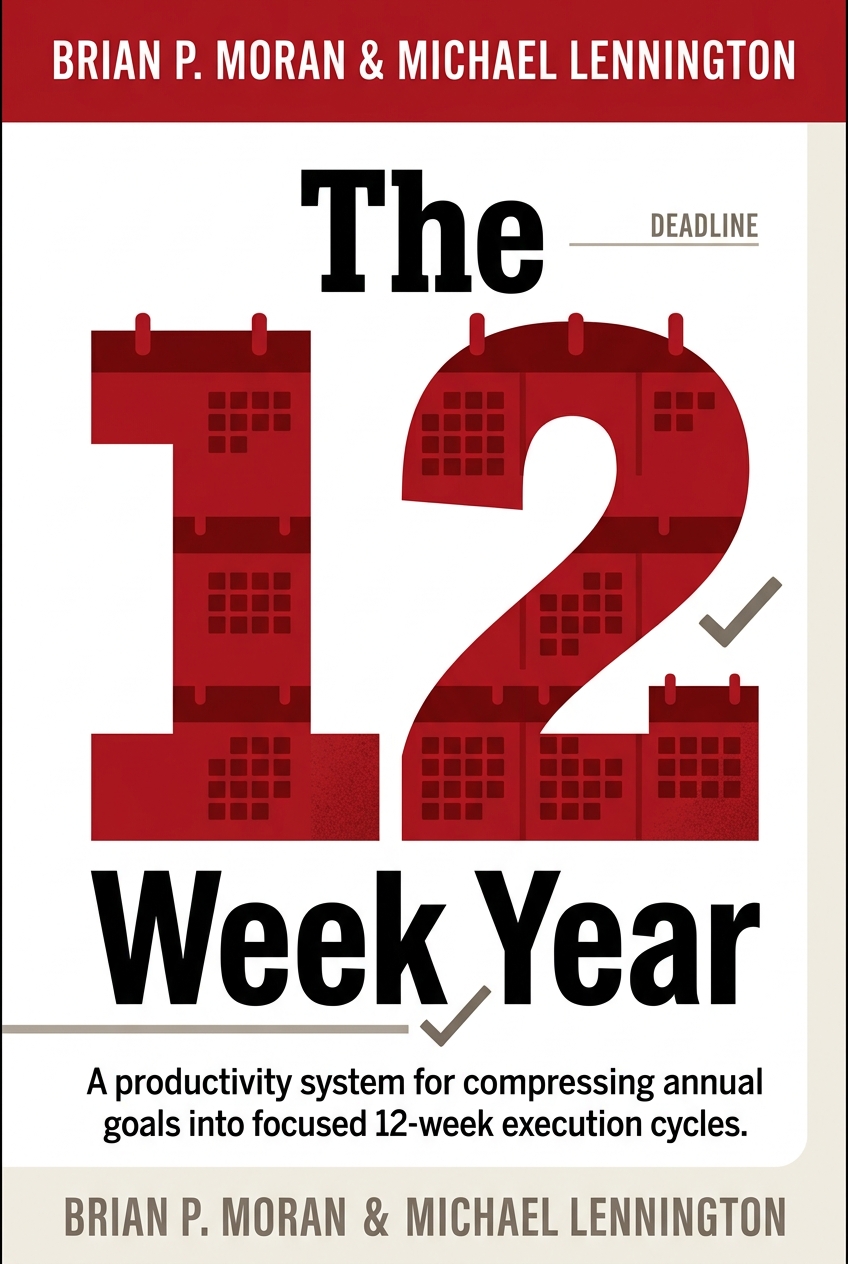
One of the biggest flaws in traditional goal setting is the annual plan. As Brian P. Moran and Michael Lennington argue in The 12 Week Year, a 12-month timeframe is so long that it lacks a sense of urgency. We set ambitious New Year’s resolutions, only to see our motivation fizzle out by February because the deadline feels impossibly far away.
The solution is to abandon annual thinking and operate in 12-week cycles. By treating 12 weeks as an entire “year,” you create a compressed timeline that demands focus and immediate action. This framework forces you to break your large-scale vision into a concrete quarterly plan, with specific weekly and daily tactics. The shorter cycle also allows for more frequent feedback and course correction, making your planning far more agile and realistic. It’s a complete system for how to learn best books on goal setting principles and apply them with relentless consistency.
Core Philosophies from Top Goal Setting Books
Once you have the right mindset and a system for focused execution, the final piece of the puzzle is measurement and accountability. After all, you can't improve what you don't measure. The most effective systems make progress tangible and create a culture of transparency.
Making Goals Measurable with OKRs
How do you know if you are truly succeeding? Venture capitalist John Doerr, in Measure What Matters, champions a powerful framework used by companies like Google and the Gates Foundation: Objectives and Key Results (OKRs). The system is designed to bring clarity and alignment to ambitious goals.
The structure is simple. An Objective is the qualitative goal—the what you want to achieve. It should be significant, concrete, and inspirational. Key Results are the quantitative metrics—the how you will achieve it. They must be specific, measurable, and verifiable. For example:
Objective: Become a recognized expert in my industry this quarter.
Key Results:
Publish 4 in-depth articles on my professional blog.
Be a guest on 2 relevant industry podcasts.
Increase my LinkedIn followers by 20%.
This framework moves a goal from a vague aspiration (“become an expert”) to a set of clear, trackable outcomes. The beauty of OKRs, as explained in the book, is that they separate what you want to do from how you'll know you've done it, enforcing clarity and accountability for yourself or your team.
The Importance of Process and Habit Formation
The principles from these great goal-setting publications are not isolated tricks; they are components of an integrated life philosophy. The common thread is the shift from focusing on the end goal to mastering the daily and weekly process.
A growth mindset (Mindset) gives you the resilience to stick with the process. The Focusing Question (The One Thing) tells you what your process should focus on right now. Eating your frog (Eat That Frog!) ensures you execute that process without fail each morning. A 12-week planning cycle (The 12 Week Year) gives your process a deadline and a rhythm. And OKRs (Measure What Matters) provide the scorecard to know if your process is working.
Ultimately, the journey to achieving your goals is won or lost in these small, daily commitments. The ideas found in the best books on achieving goals are designed to help you build the structure and discipline required for that consistent effort.
Starting Your Journey
Navigating the world of goal setting can feel daunting, but the core wisdom is straightforward: think bigger by focusing smaller. Start with your mindset, choose a simple system for execution, and commit to a consistent process. You don't need to implement every strategy at once. Pick the one concept that resonates most deeply—whether it's identifying your ONE Thing, preparing to eat your frog tomorrow, or drafting your first OKR.
By taking that first, intentional step, you move from being a dreamer to a doer. You begin the transformative process of closing the gap between your aspirations and your reality, one deliberate action at a time.
Master key ideas in 15 minutes
Listen to audio summaries of these books on VoxBrief
Learning from goal setting books is important because they provide proven frameworks and systems tested by millions. Instead of trying to invent a success strategy from scratch, you can adopt principles that address common obstacles like procrastination, lack of focus, and poor planning, accelerating your path to achievement.
For beginners, the best books on goals are those that offer a simple, actionable system. Look for titles that focus on one core idea, like tackling your hardest task first or identifying your single most important priority, as these provide a straightforward entry point without causing overwhelm.
Most goal-setting literature revolves around a few key principles: establishing a growth-oriented mindset, breaking large goals into small, actionable steps, creating systems for accountability, and mastering the art of prioritization. The goal is to move beyond vague ambition and into structured, daily execution.
The easiest way to apply these learnings is to pick one single concept and implement it for a week. For instance, try the 'Eat That Frog' method by tackling your most dreaded task first thing every morning, or use 'The ONE Thing' focusing question to define your top priority for the day.