Have you ever felt like your brain was working against you? Whether it's a bad habit you can't shake, an emotional reaction you can't control, or a feeling of being mentally stuck, we often treat our mind as a fixed, unchangeable entity. But what if you had a user's manual? The truth is, modern neuroscience offers incredible insights into how our minds work. By exploring the core ideas from the best books for brain science, you can unlock powerful methods to improve your cognitive function, master your emotions, and create lasting change. This guide is your starting point, a brain plan for beginners designed to demystify the science and give you actionable tools for a healthier mind.
Unlocking the Science of Your Brain: Why It Matters
Before diving into how to improve the brain, it’s crucial to understand a few foundational concepts. First, why is the brain important? It’s not just an organ; it is the architect of your entire reality. As neuroscientist David Eagleman explains in The Brain, the world you perceive—full of color, sound, and meaning—is an elaborate simulation constructed entirely within your skull. The outside world is just colorless, odorless energy, and your brain translates it into a rich, personal story.
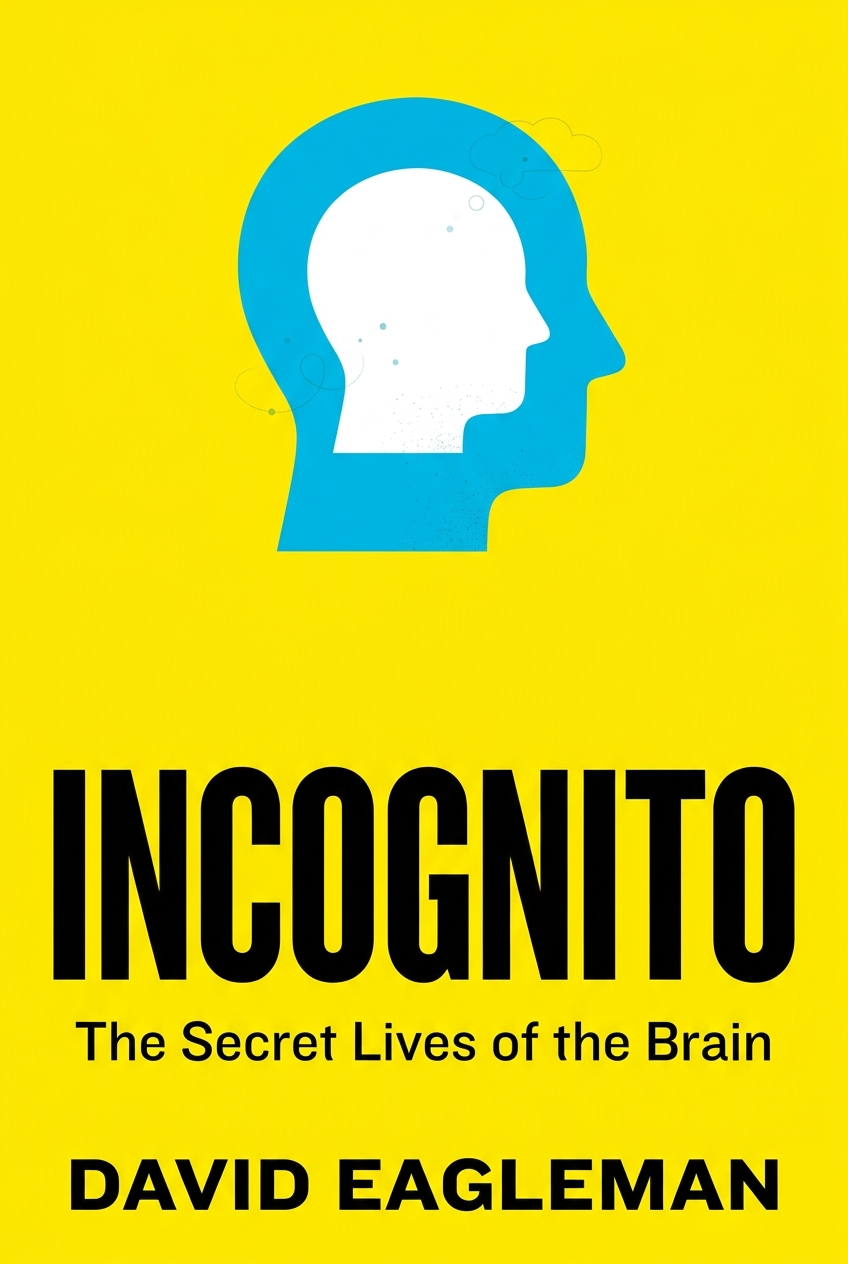
Furthermore, most of this process happens unconsciously. In his book Incognito, Eagleman uses the powerful metaphor of the mind as a “team of rivals.” Your thoughts and actions are the output of countless competing neural networks, all operating below the surface of your awareness. The conscious you, the part that feels like it’s in charge, is more like a CEO who takes credit for the work done by a vast, automated organization. Understanding this is the first step toward working with your brain instead of fighting against it. It shifts the focus from willpower alone to understanding the hidden systems that drive your behavior.
The Power of Neuroplasticity: You Can Rewire Your Brain
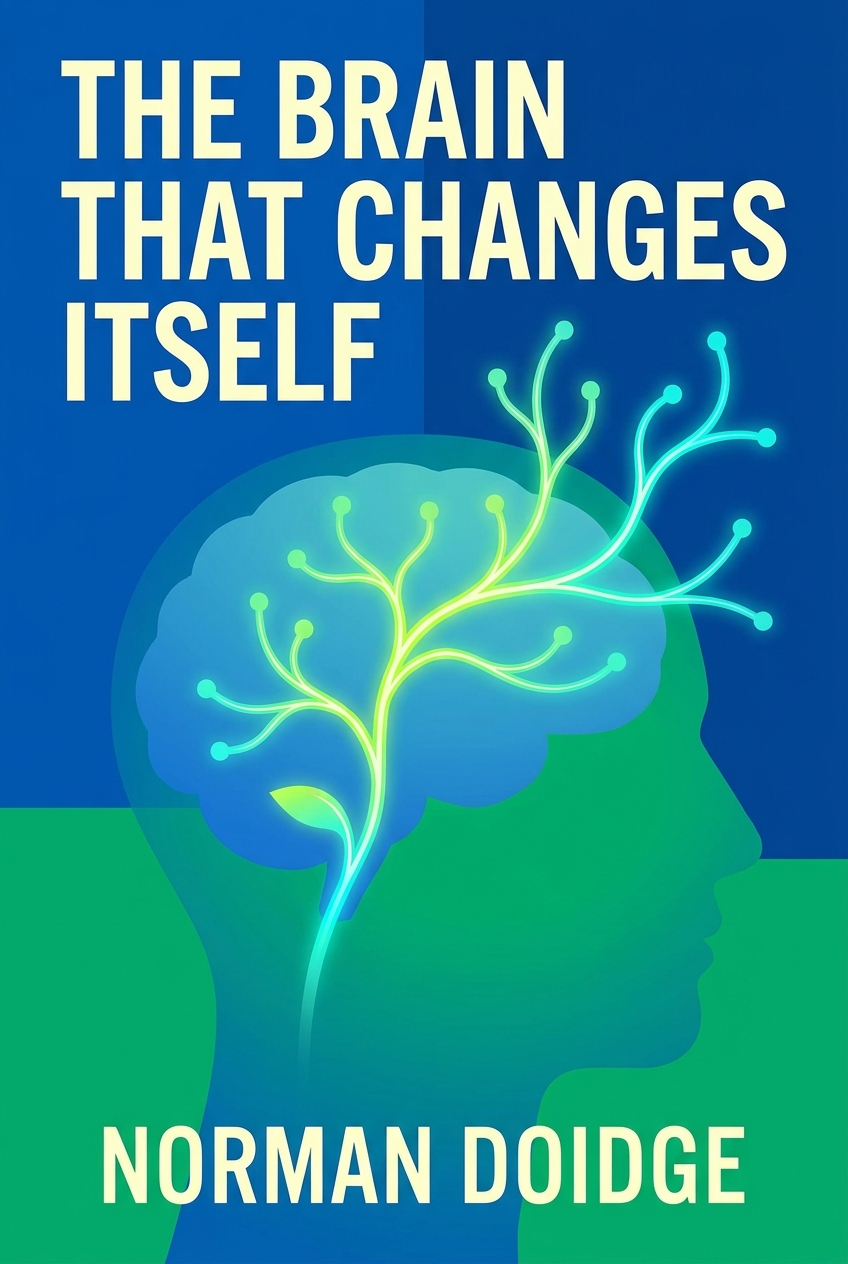
Perhaps the most hopeful and empowering discovery in modern neuroscience is neuroplasticity. For centuries, it was believed the brain’s structure was fixed after childhood. In The Brain That Changes Itself, Norman Doidge dismantles this myth, showing that our brains are not hardwired but “livewired.” This means your brain is constantly changing its own structure and function in response to your experiences, thoughts, and actions.
This has profound implications. It’s the neurological basis for all learning and habit formation. Every time you practice a new skill, a new neural pathway is strengthened. This process is one of the most powerful brain benefits because it means you are never too old to learn, change, or recover. Whether you're a busy professional trying to build a new skill or a woman over 40 looking to maintain cognitive sharpness, neuroplasticity is your brain’s superpower.
However, Doidge also warns of the “plastic paradox.” The same mechanism that allows for growth also makes us vulnerable to forming bad habits, chronic pain, and anxiety loops. The brain doesn’t judge; it simply becomes more efficient at what it repeatedly does. This is why a passive approach isn't enough. To truly harness neuroplasticity, you need a conscious plan.
Exploring the Best Books for Brain Health and Emotional Mastery
Understanding how to actively direct this change is where the right knowledge becomes transformative. The best books for brain science offer frameworks that integrate these complex ideas into practical brain methods. One of the biggest challenges in directing our brain is managing our emotions, which often feel like uncontrollable automatic reactions.
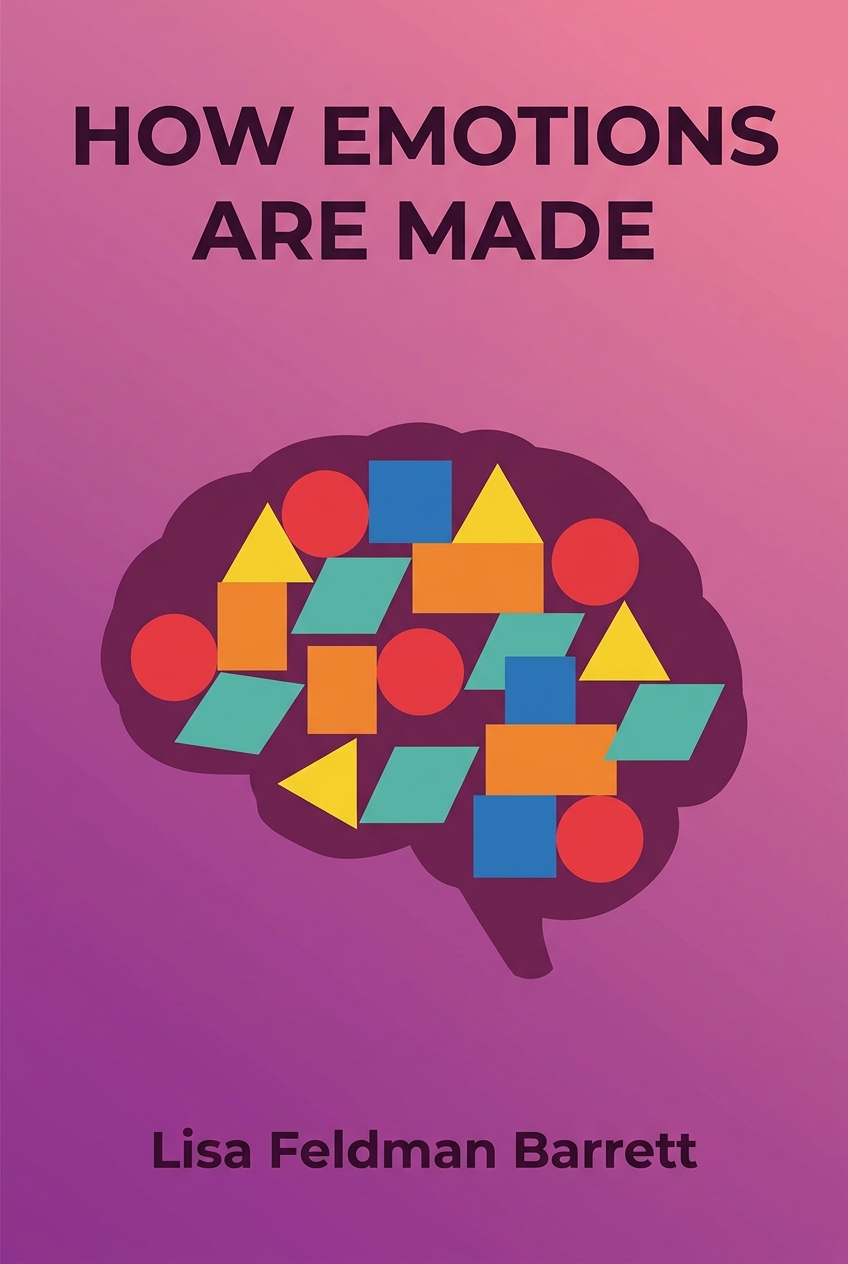
In How Emotions Are Made, Dr. Lisa Feldman Barrett presents a revolutionary idea: emotions are not hardwired reactions but active constructions. Your brain, acting as a predictive organ, combines sensory input from your body and the world with your past experiences and concepts to create an emotion. This means that a churning stomach isn't inherently “anxiety”; your brain labels it that way based on the context. This insight gives you incredible power. By expanding your emotional vocabulary and learning to reframe your physical sensations, you can become an architect of your emotional life rather than a victim of it.
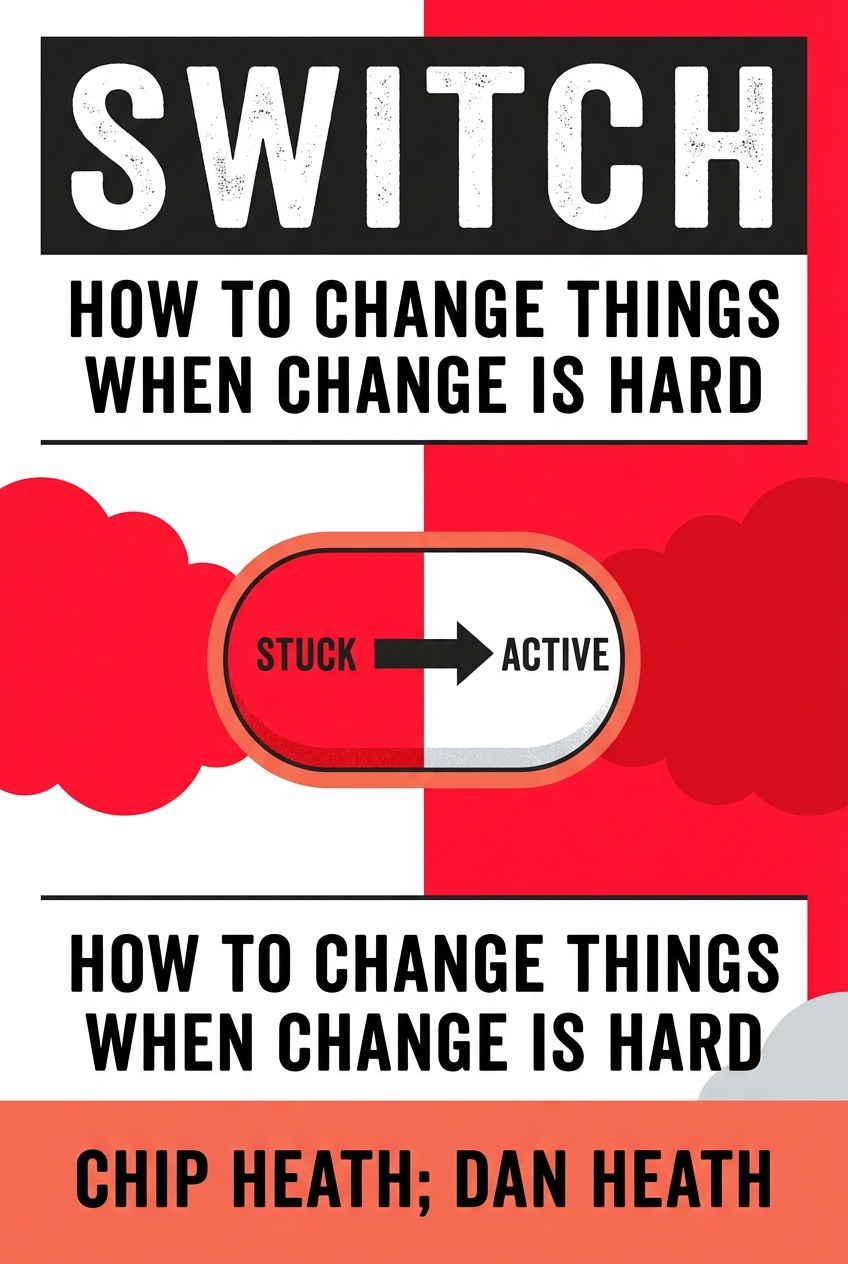
This ties in perfectly with the framework from Chip and Dan Heath in Switch. They describe our minds as having a rational “Rider” and an emotional “Elephant.” The Rider can analyze and plan (like deciding to be less anxious), but the six-ton Elephant provides the power and motivation. The insights from Barrett give us tools to guide the Elephant, while the Heaths provide a complete map for change. They argue that to make any change stick, you must simultaneously Direct the Rider (provide clear, logical steps), Motivate the Elephant (appeal to emotion), and Shape the Path (make the change easier in your environment).
Creating Your Brain Plan for Beginners
So, how do you put all this together? You don’t need to be a neuroscientist to apply these lessons. Here is a simple brain plan for beginners that integrates these powerful concepts.
Start with Awareness
The first step is to simply observe your brain in action. Since so much of your mental activity is unconscious, as Eagleman points out in Incognito, you can’t change what you don’t see. Practice noticing your thoughts, emotional reactions, and impulses without judgment. This isn't about stopping them; it's about shifting from being a character in the drama to being the audience. This simple act of observation begins to create a space between stimulus and response, a space where you can choose a new path.
Direct Your Rider with Small Wins
Our rational brain, the Rider, gets overwhelmed by ambiguity. A vague goal like “improve my brain” or “be less stressed” leads to analysis paralysis. Drawing from Switch, provide your Rider with crystal-clear direction. Instead of “learn a new language,” your goal becomes “practice Spanish on Duolingo for five minutes every day.” Small, bright spots of success are far more effective than massive, daunting goals, especially for busy people who need momentum.
Motivate Your Elephant with Emotion
Logic doesn’t inspire action; emotion does. Knowing that exercise is good for your brain isn’t enough to get you to the gym on a cold morning. To move the Elephant, you have to make it feel something. Connect your desired change to your core values. Find a compelling “why.” Visualizing the feeling of mental clarity and energy after a workout is far more motivating than just looking at the data. This is how you bridge the gap between knowing what to do and actually doing it.
Shape Your Path for Success
Finally, make change the path of least resistance. Our environment has a massive impact on our behavior. If you want to read more, put a book on your pillow. If you want to stop checking your phone first thing in the morning, charge it in a different room. This “Shape the Path” strategy from Switch is one of the most effective brain tips because it automates good decisions, saving your limited willpower for when you truly need it. You are engineering a situation where your brain naturally does the right thing.
By understanding these fundamental principles—that your reality is a construction, your brain is rewirable, your emotions are a skill, and change requires a three-part strategy—you move from being a passenger to the driver's seat of your own mind. It’s a journey that begins not with a grand gesture, but with the simple act of learning how you work.
Master key ideas in 15 minutes
Listen to audio summaries of these books on VoxBrief
Download Free