What Is Compassion? A Guide to Understanding Through Compassionate Books
By VoxBrief Team··5 min read
In a world that often feels divided and stressful, the call for more kindness seems to grow louder every day. But what is compassion, really? It’s more than just feeling sorry for someone or being polite. Compassion is the active desire to alleviate the suffering of others, paired with an understanding of our shared humanity. The good news is that it’s not a magical quality you’re born with or without; it’s a skill you can cultivate. This guide explores the power of compassion, drawing insights from profound and compassionate books to show you how to build this life-changing practice.
The True Meaning and Importance of Compassion
Many of us misunderstand compassion, equating it with weakness or pity. In reality, it is a source of immense strength and resilience. So, why is compassion important? It is the bedrock of genuine human connection. When we act with compassion, we break down the walls of isolation and judgment, fostering trust and mutual respect. This ability to connect is not just a social nicety; it’s a fundamental human need.
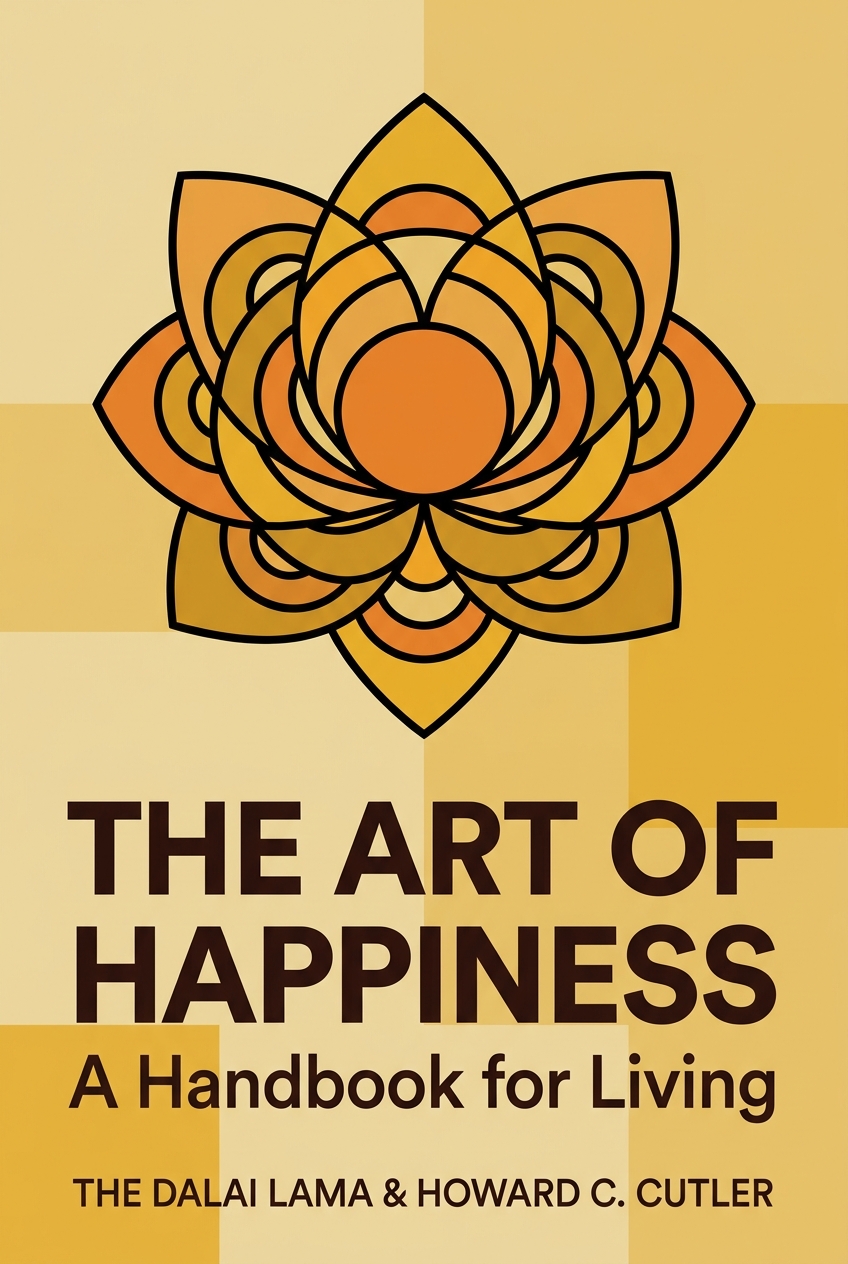
In The Art of Happiness, a landmark collaboration between the Dalai Lama and psychiatrist Howard C. Cutler, this idea is central. The book argues that our natural state is one of gentleness and compassion. However, modern life often pushes us toward hyper-individualism—a focus on personal achievement and self-reliance that can erode our sense of community. The book highlights a major obstacle to happiness: the “Us vs. Them” mentality. This destructive mindset is responsible for prejudice and conflict, and the antidote is a deliberate practice of empathy and compassion. By recognizing our shared wish for happiness and freedom from suffering, we can begin to dismantle these artificial divisions.
The causes and effects of compassion (or a lack thereof) are profound. A compassionate mindset reduces stress, improves emotional regulation, and leads to more fulfilling relationships. Conversely, a lack of compassion breeds anxiety, loneliness, and conflict. It's an essential skill for everyone, from compassion for students navigating social pressures to compassion for professionals leading teams in high-stress environments.
Signs of Developing Compassion
How do you know if your practice is working? The signs of compassion are not always grand gestures. More often, they are subtle shifts in your internal world and daily interactions:
Active Listening: You find yourself listening to understand, rather than just waiting for your turn to speak.
Less Judgment: You are less quick to judge the actions of others, instead wondering about the circumstances that led to their behavior.
Self-Compassion: You begin to treat your own mistakes with the same kindness you would offer a friend.
A Sense of Connection: You feel a stronger sense of shared experience with the people around you, even strangers.
These signs indicate that you are successfully rewiring your brain for kindness, moving from a default state of defense to one of openness.
Building Empathy as a Skill: Insights from Influential Books
If compassion is a skill, how do we learn it? The answer lies in deliberate practice. Great thinkers and spiritual leaders have offered roadmaps, and some of the most accessible lessons can be found in insightful books that challenge our perspectives and provide practical tools.
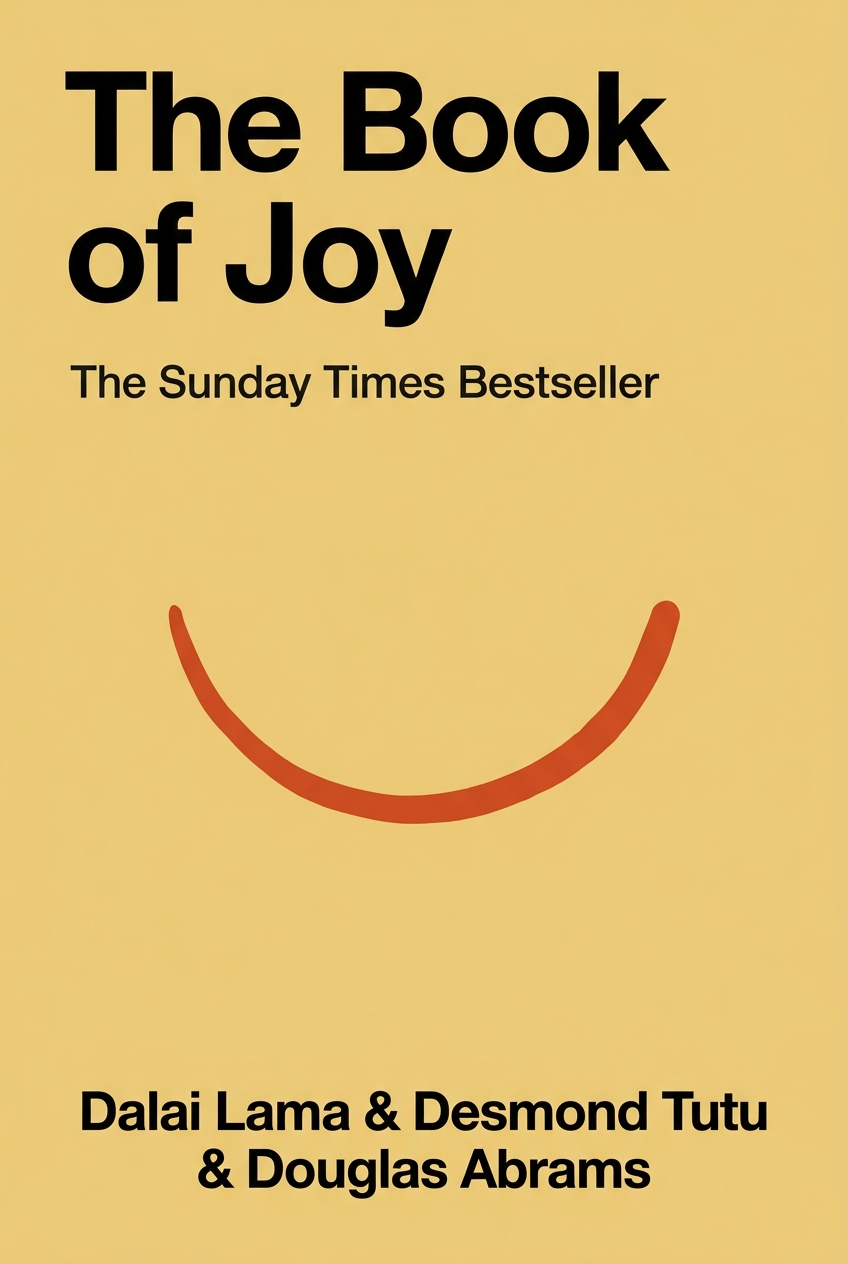
One of the most powerful guides is The Book of Joy, which documents a week of conversation between the Dalai Lama and Archbishop Desmond Tutu. They identify eight "Pillars of Joy," divided between the mind and the heart. The four pillars of the heart—forgiveness, gratitude, compassion, and generosity—are essentially a curriculum for compassionate living. Their message is clear: joy isn't a reaction to external events but a byproduct of a life dedicated to these qualities. The book reframes compassion as a core component of a happy life, not just a moral duty.
For example, they explain that joy is our natural state, but it gets obscured by obstacles like frustration, fear, and resentment. One of the primary compassion coping strategies offered is to transform these obstacles through perspective. Instead of resisting a difficult person or situation, we can practice acceptance and try to understand the suffering that may be driving their behavior. This is a practical compassion exercise you can apply daily.
The Relationship Between Love and Compassion
To go even deeper, we can turn to Erich Fromm's classic, The Art of Loving. Fromm argues that modern society misunderstands love entirely, treating it as something you fall into rather than an art you practice. He outlines four essential elements of active love: care, responsibility, respect, and knowledge. These are the very same components of deep, sustained compassion.
Fromm’s analysis reveals why we struggle: our culture trains us for competition and commodification, which are antithetical to love and compassion. To truly practice the art of loving—and by extension, the art of compassion—we must practice discipline, concentration, and patience in all areas of our lives. It requires a fundamental shift from “what can I get?” to “what can I give?” This perspective is invaluable for anyone seeking to overcome compassion-related challenges long term.
Overcoming Barriers and Applying Compassion in Daily Life
Understanding compassion is one thing; living it is another. We all face internal and external barriers that make it difficult. The journey involves actively working to overcome these obstacles in our professional and personal lives.
One of the biggest questions people have is how to deal with compassion fatigue or burnout, especially for professionals in caring roles. The key is to remember that compassion must include yourself. Self-compassion is not selfish; it’s the fuel that allows you to continue caring for others without depleting your own emotional resources. It means setting boundaries, acknowledging your own limitations, and treating yourself with kindness when you fall short.
Compassion at Work and in Education
Bringing compassion into professional and academic settings can be transformative. For professionals, compassion at work isn't about being soft; it's about effective leadership and collaboration. A compassionate manager seeks to understand their team's challenges, provides support, and fosters a psychologically safe environment. This approach, rooted in the idea from The Art of Happiness that “the ‘We’ is more important than the ‘Me’,” leads to higher engagement, less turnover, and better problem-solving.
For students, learning to practice compassion can reduce bullying, alleviate social anxiety, and build a more supportive school community. It starts with simple exercises, like trying to see a situation from a classmate’s point of view or offering a kind word to someone who seems isolated. These small acts build the foundation for a more empathetic worldview.
Building a Sustainable Practice
So, how do you make compassion a lasting part of your life? Start small. You don't need to solve world hunger today. Begin by choosing one of the compassion exercises mentioned in The Book of Joy or another source. Perhaps you commit to a week of practicing gratitude, intentionally thanking one person each day. Or you could try the book’s challenge: identify one recurring frustration and, instead of resisting it, practice acceptance and compassion.
Consistent practice is the key to improving your capacity for compassion. It's a journey of a thousand small steps, not a single giant leap. By engaging with these ideas, reflecting on your experiences, and treating yourself with patience, you can slowly but surely transform your relationship with yourself and the world around you. The path to a more compassionate life is open to everyone willing to walk it.
Master key ideas in 15 minutes
Listen to audio summaries of these books on VoxBrief
Many people struggle with compassion due to stress, societal pressures emphasizing competition, or past experiences. As Erich Fromm explains in *The Art of Loving*, our culture often conditions us for alienation rather than connection, making compassion a skill that requires deliberate practice to overcome these barriers.
Absolutely. Spiritual leaders and psychologists agree that compassion is a trainable skill, not a fixed trait. By using specific compassion exercises, such as practicing forgiveness, gratitude, and seeking to understand others, you can strengthen your ability to feel and show compassion for yourself and others over time.
Sustaining compassion involves integrating it into your daily life through consistent practice, much like learning an art form. This includes reframing negative thoughts, building self-compassion, and making a conscious effort to connect with others. Regularly engaging with compassionate books and their teachings can also reinforce your commitment and provide ongoing guidance.