We all have moments where fear holds us back. It might be the fear of speaking up in a meeting, starting a new project, or having a difficult conversation. We often wish for a dose of courage to push through, but what if courage isn't what we think it is? Many insightful books on courage reframe this essential quality not as the absence of fear, but as the strength to act despite it. This guide will explore what courage is, why it's so important for a fulfilling life, and how you can start building it today using powerful ideas from leading authors.
What is Courage, Really? Redefining the Concept
One of the biggest myths about courage is that it means being fearless. We picture heroes who rush into danger without a second thought. But this image does us a disservice, making courage feel unattainable. True courage is deeply connected to a feeling we often try to avoid: vulnerability.
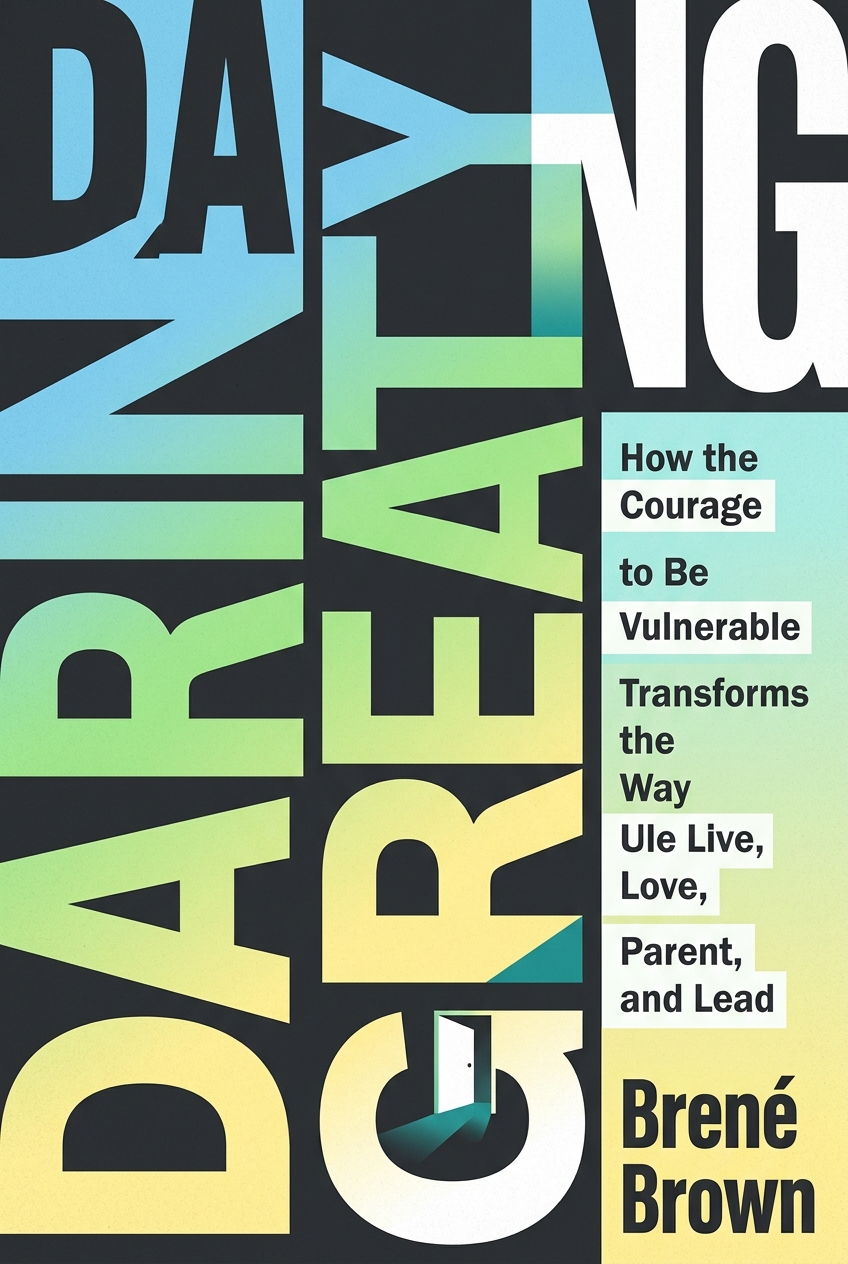
In her groundbreaking book Daring Greatly, researcher Dr. Brené Brown dismantles this myth entirely. Her work shows that vulnerability isn't a weakness; it is the very core of courage. She defines it as showing up and letting yourself be seen when you have no control over the outcome. It’s the feeling you get before giving a big presentation, asking someone on a date, or sharing a creative work. That uncertainty isn’t a sign you should stop—it’s a sign you’re being brave.
Brown explains that to avoid this discomfort, we develop a "vulnerability armory." These are the defensive behaviors we use to protect ourselves, such as perfectionism, cynicism, or numbing our feelings. While these shields feel safe, they are the primary causes and effects of a life lived small. They prevent us from experiencing genuine connection, joy, and growth. Understanding the signs of courage, therefore, starts with recognizing the armor you use to hide and making the choice to set it aside.
The Internal Battle: Why We Struggle with Courage
If courage is so vital, why is it so hard to practice? Why do we so often choose comfort over courage? The answer often lies not in external circumstances, but within our own minds. This internal struggle is a central theme explored in several transformative books.
Brianna Wiest’s The Mountain Is You offers a powerful metaphor: the biggest obstacle preventing you from reaching your goals is yourself. Our self-sabotaging behaviors—procrastination, negative self-talk, picking fights in relationships—are not signs of laziness or irrationality. Wiest reframes them as misguided attempts at self-protection, rooted in unresolved internal conflicts. Overcoming this mountain isn’t about brute force; it’s about developing emotional intelligence. This is your "climbing gear," allowing you to understand the signals your emotions are sending and to dismantle the self-sabotage from the inside out.
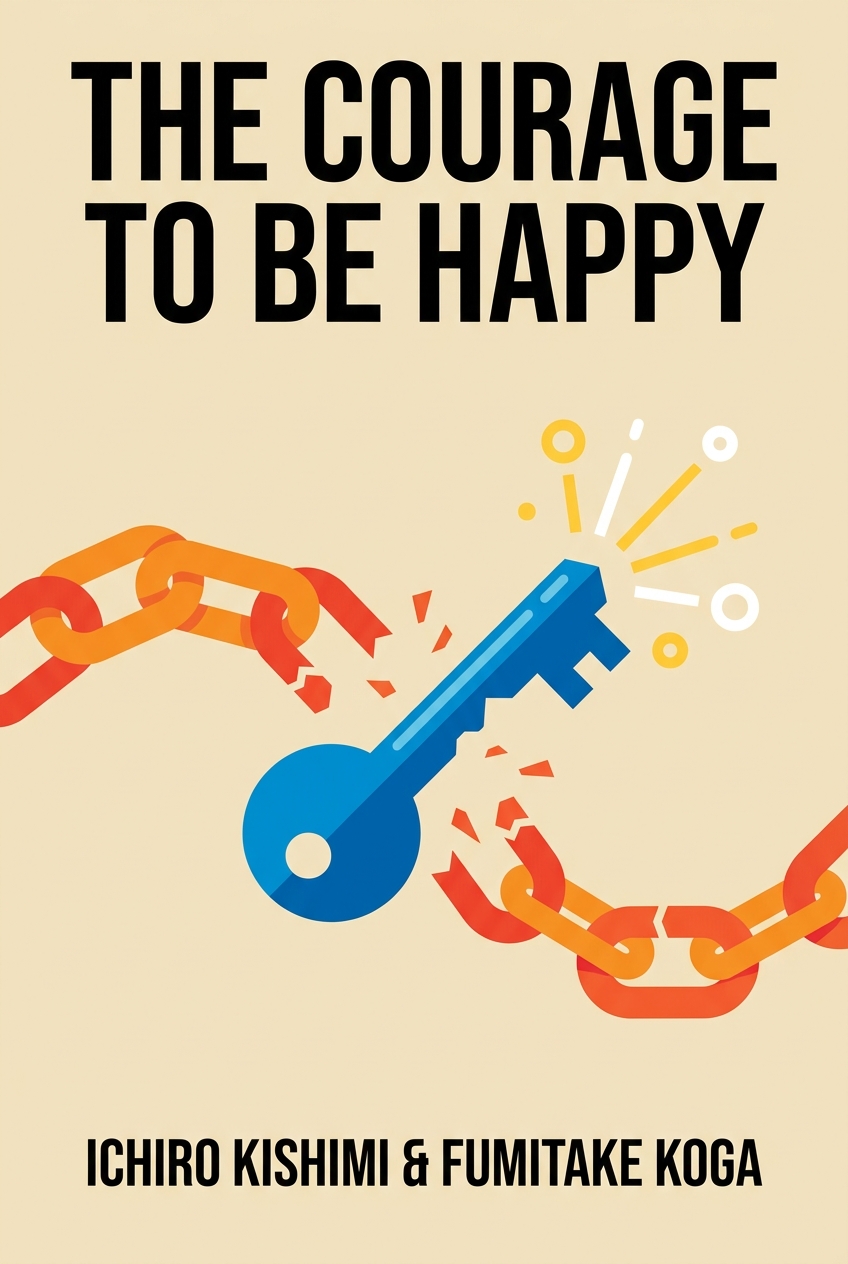
Adding another layer, The Courage to Be Disliked by Ichiro Kishimi introduces a revolutionary idea from Adlerian psychology: all our problems are interpersonal problems. The book argues that we are trapped not by our past traumas, but by the goals we set for ourselves in the present—most notably, the goal of seeking recognition and avoiding disapproval from others. This constant need for validation places us in a competition with everyone around us and makes us afraid to live authentically. The ultimate courage, according to Kishimi, is the courage to be disliked—to live according to your own principles without needing constant approval. This is a vital lesson for anyone, from students facing peer pressure to professionals dealing with workplace politics.
Practical Steps from Books on Courage
Knowing what courage is and why we struggle is the first step. The next is turning that knowledge into action. Courage is a practice, built through small, consistent steps. Fortunately, a wealth of courage exercises and coping strategies can be found in modern research and writing.
Embracing Vulnerability at Work and Home
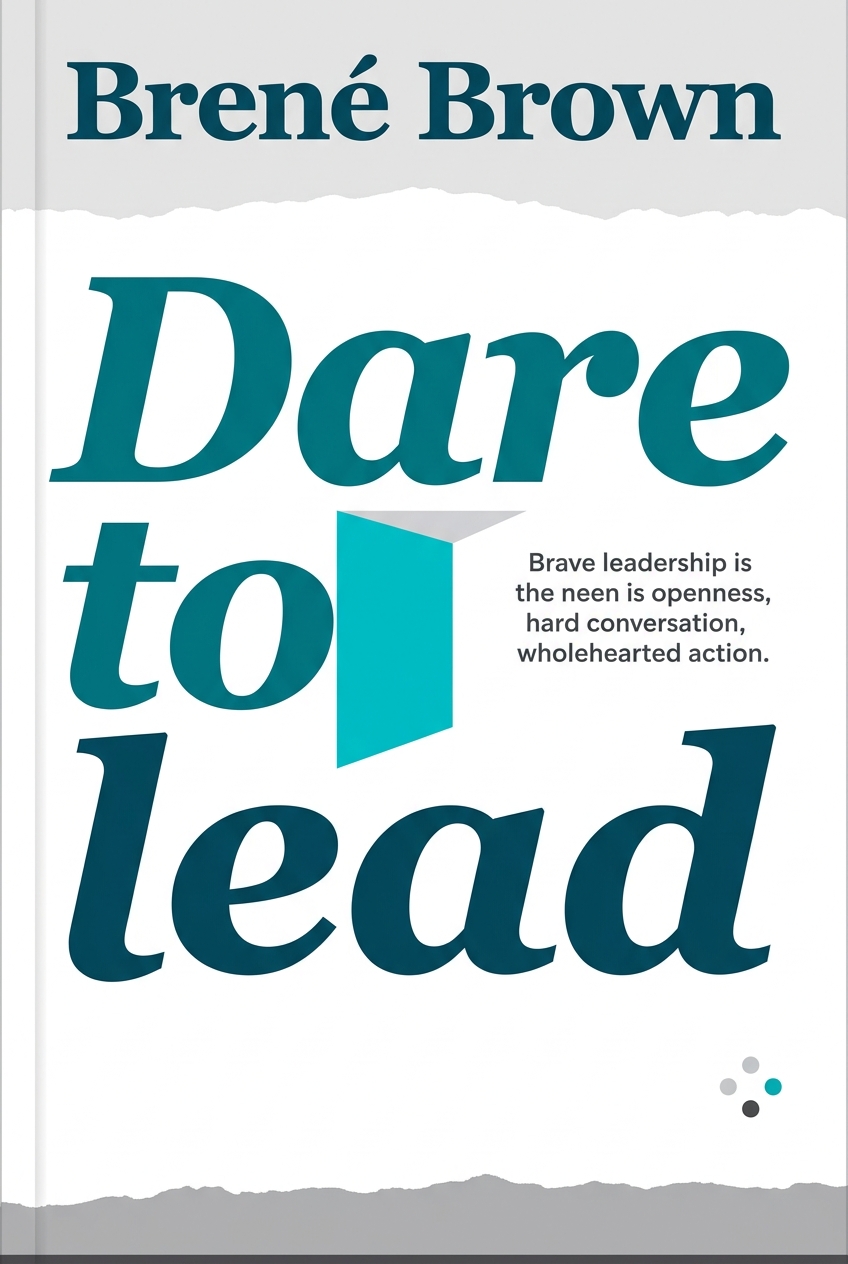
Courage isn't just for epic adventures; it's crucial for everyday interactions, especially for professionals. In Dare to Lead, Brené Brown applies her research directly to the workplace, arguing that leadership is not about having all the answers but about having the courage to stay curious and engaged in difficult moments. Daring leadership requires moving from the safety of our "armory" to the vulnerability of the "arena."
This involves mastering four teachable skills, which include "rumbling with vulnerability"—having honest conversations about what’s really going on—and "learning to rise." For professionals, practicing courage at work can be as simple as admitting you don't know the answer, giving sincere feedback, or taking responsibility for a mistake without blaming others. These actions build trust and psychological safety, creating teams that are more innovative and resilient.
The Process of Getting Back Up
Courage isn't about never failing. It's about what you do after you fall. This is the central message of Brené Brown’s Rising Strong. She outlines a clear, three-step process for turning failure, heartbreak, and disappointment into strength and wisdom. This provides a powerful framework for how to overcome courage challenges long term.
- The Reckoning: This first step is about acknowledging that you’re feeling something. Instead of ignoring or numbing your emotions (like hurt or shame), you get curious about them. You recognize and name the feeling without judgment.
- The Rumble: This is where you get honest about the stories you’re telling yourself about the setback. Our brains are wired to create narratives to make sense of what happened, but these first drafts are often based on fear and insecurity. The rumble is the process of challenging that story, separating facts from assumptions, and finding the truth.
- The Revolution: After reckoning with your emotions and rumbling with your story, you arrive at the final stage. This is where you take your learnings and integrate them into your life, transforming how you live and lead. You write a new, braver ending to your story and show up differently next time.
This process teaches us that resilience is not an innate trait but a powerful courage coping strategy that anyone can learn.
Practicing Courage in Daily Life
Building courage starts small, making it accessible even for beginners. The key is to take on challenges that are just outside your comfort zone. You might try one of these courage exercises this week:
- Choose curiosity over defensiveness: The next time you receive difficult feedback, resist the urge to defend yourself. Instead, ask a question to understand more. (Inspired by Dare to Lead).
- Perform one action without seeking approval: Make a small decision—what to wear, what to post, which project to start—and don't ask anyone for their opinion on it. Feel the freedom of acting on your own conviction. (Inspired by The Courage to Be Disliked).
- Identify one piece of your armor: Notice when you use perfectionism, sarcasm, or detachment to avoid feeling vulnerable. Just noticing it without judgment is a courageous first step. (Inspired by Daring Greatly).
Courage is a journey, not a destination. It's a commitment to showing up, being seen, and getting back up when you fall. By redefining what courage means and practicing it in small ways, you can transform your relationship with fear and build a more meaningful, connected, and authentic life.
Master key ideas in 15 minutes
Listen to audio summaries of these books on VoxBrief
Download Free