In a world saturated with information, opinions, and constant demands on our attention, the ability to think clearly is more valuable than ever. We often make choices on autopilot, only to wonder later why we made a particular decision. The answer lies in developing a specific set of mental tools. This article serves as a beginner's guide to the powerful concepts found within leading critical thinking books, exploring not just what critical thinking is, but how you can cultivate it as a practical, daily skill.
So, what is critical thinking and problem solving? It’s the intellectually disciplined process of actively and skillfully conceptualizing, applying, analyzing, and evaluating information. It’s about moving beyond surface-level reactions to develop deeper, more reasoned judgments. Whether you're a student facing complex theories or a professional navigating a high-stakes project at work, this skill is your key to clarity and effectiveness. We’ll explore frameworks from renowned authors that provide actionable critical thinking and problem solving tips to help you make better choices.
The Default Setting: Why Critical Thinking and Problem Solving Is Hard
One of the most important first steps in learning how to build critical thinking and problem solving is understanding why it doesn't come naturally. Our brains are efficiency machines, designed to conserve energy by using mental shortcuts. This is a central theme in many of the most influential critical thinking books.
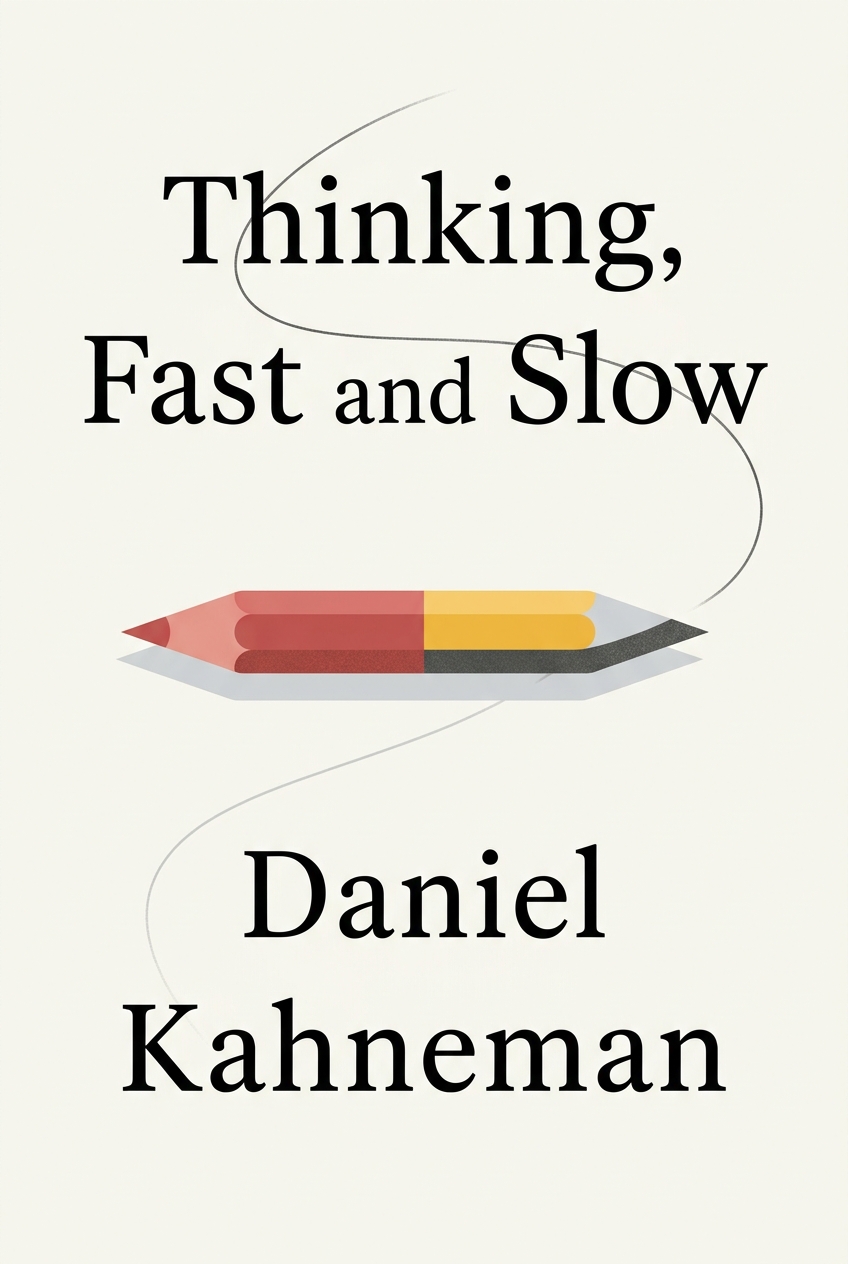
In his groundbreaking book, Thinking, Fast and Slow, Nobel laureate Daniel Kahneman introduces a powerful model of the mind. He describes two systems: System 1 is fast, intuitive, and emotional, running automatically. It’s the part of you that instantly knows 2+2=4 or gets a “gut feeling.” System 2, on the other hand, is the slow, deliberate, and logical part of your mind that you engage for complex calculations or weighing the pros and cons of a major life decision. The problem is that System 2 is lazy, and we rely on the error-prone System 1 far more than we realize. Why is critical thinking and problem solving important? Because it's the act of consciously activating System 2 to check the work of System 1.
The Hidden Traps of Cognitive Biases
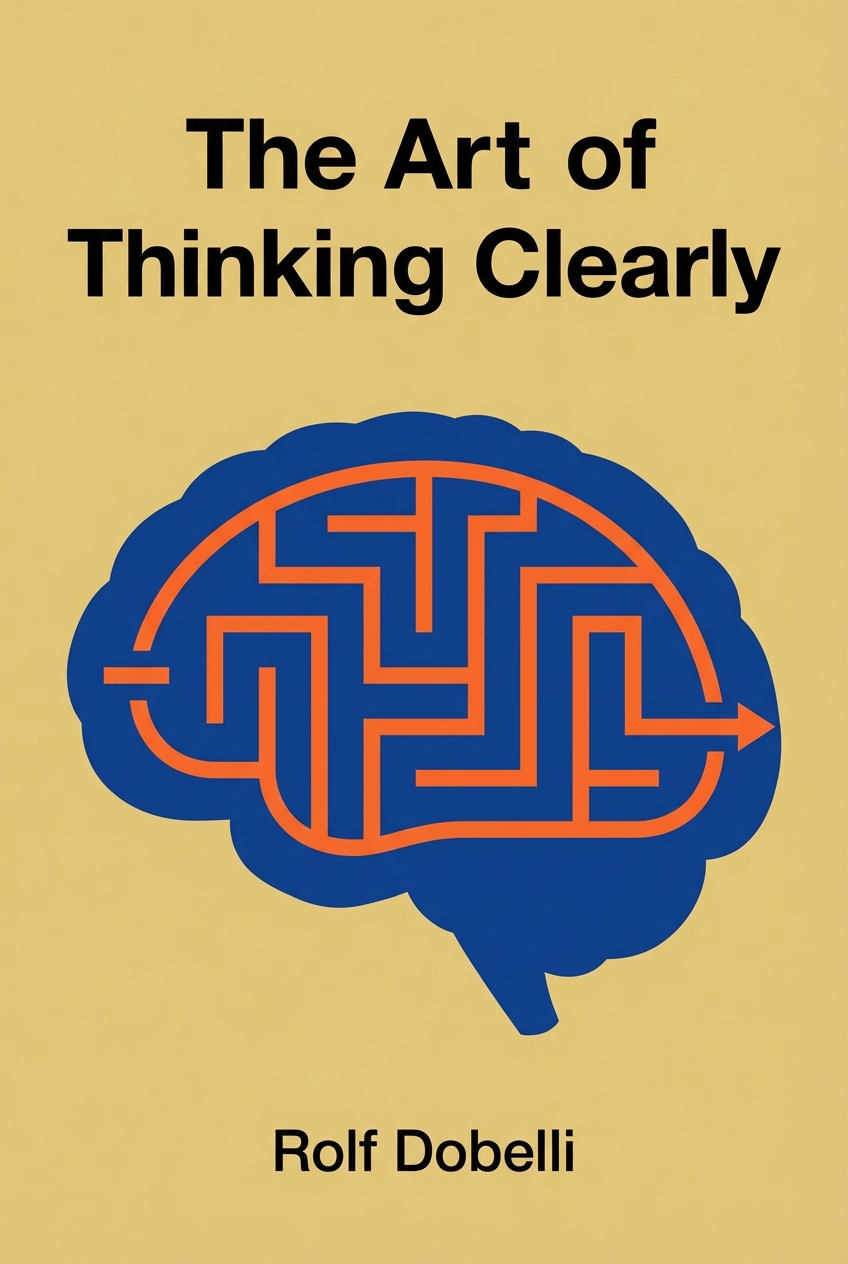
When we rely too heavily on our fast, intuitive System 1, we fall victim to cognitive biases. These are predictable patterns of deviation from rational judgment. Think of them as the mental shortcuts that betray us. In The Art of Thinking Clearly, Rolf Dobelli dissects dozens of these biases, from the survivorship bias (focusing only on success stories) to the confirmation bias (seeking information that confirms our existing beliefs).
Understanding these biases is the first step toward overcoming them. As Dobelli suggests, the goal isn’t to achieve perfect rationality but to develop an awareness of the most common mental traps. This awareness helps you pause and question whether your gut reaction is based on sound logic or a hidden bias. It’s about learning to be skeptical of your own certainty.
The Four Villains of Decision Making
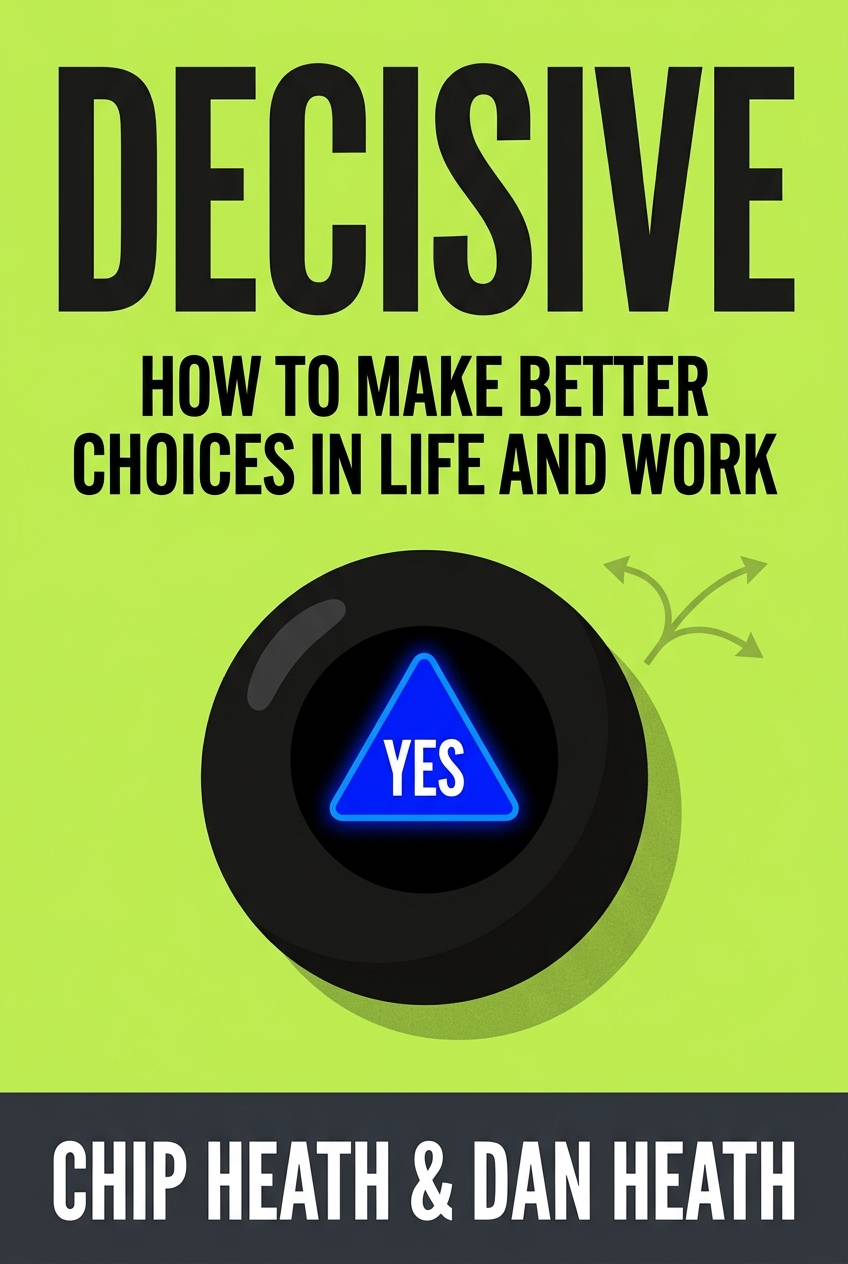
Authors Chip and Dan Heath provide a more structured way to fight these biases in their book, Decisive. They identify what they call the “Four Villains of Decision Making,” which are common cognitive patterns that sabotage our choices:
- Narrow Framing: Seeing a choice in binary terms (e.g., “Should I do this, yes or no?”) instead of exploring more options.
- Confirmation Bias: As mentioned above, this is our tendency to favor information that supports our existing beliefs.
- Short-Term Emotion: Letting fleeting feelings overwhelm our long-term objectives.
- Overconfidence: Believing we know more than we actually do about how the future will unfold.
Recognizing these four villains in real-time is a powerful critical thinking and problem solving technique that works. It allows you to move from reacting to a situation to actively managing your thought process.
How to Build Critical Thinking and Problem Solving Skills
Knowing the pitfalls is one thing; having a system to avoid them is another. The best guidance on how to develop critical thinking and problem solving focuses on implementing practical frameworks that force a more deliberate approach. These systems are designed to counteract our lazy mental habits and engage our analytical minds.
Many people looking for the best books on critical thinking are really searching for a concrete process to follow. The Heath brothers offer just that with their WRAP process from Decisive, designed specifically to combat the four villains.
A Framework for Better Decision Making: The WRAP Process
WRAP is an acronym that provides a checklist for more robust choices:
- Widen Your Options: To fight narrow framing, always push yourself to find one more alternative. Instead of asking “Should I take this job or not?” ask, “What are all the ways I could advance my career right now?” This opens the door to creative problem solving.
- Reality-Test Your Assumptions: To fight the confirmation bias, seek out disagreement. Ask tough questions and look for data that would disprove your hypothesis. Consider running a small experiment before making a huge commitment.
- Attain Distance Before Deciding: To fight short-term emotion, create perspective. A powerful technique is to ask yourself, “How would I feel about this decision in 10 minutes, 10 months, and 10 years?” This helps you prioritize your long-term values over momentary feelings.
- Prepare to Be Wrong: To fight overconfidence, plan for an uncertain future. Think about what could go wrong and what could go right, and prepare for both scenarios. This isn’t about being pessimistic; it’s about building resilience into your decisions.
This framework is incredibly useful for critical thinking and problem solving for professionals, providing a shared language for teams to make better collective choices. When everyone agrees to follow the process, it reduces ego and focuses the group on making the best possible decision.
Developing Daily Critical Thinking and Problem Solving Habits
A framework is only as good as your commitment to using it. Turning these ideas into ingrained critical thinking and problem solving habits is where the real transformation happens. This requires consistent, intentional effort—moving from knowing the theory to living the practice.
Practice Detachment from Your Thoughts
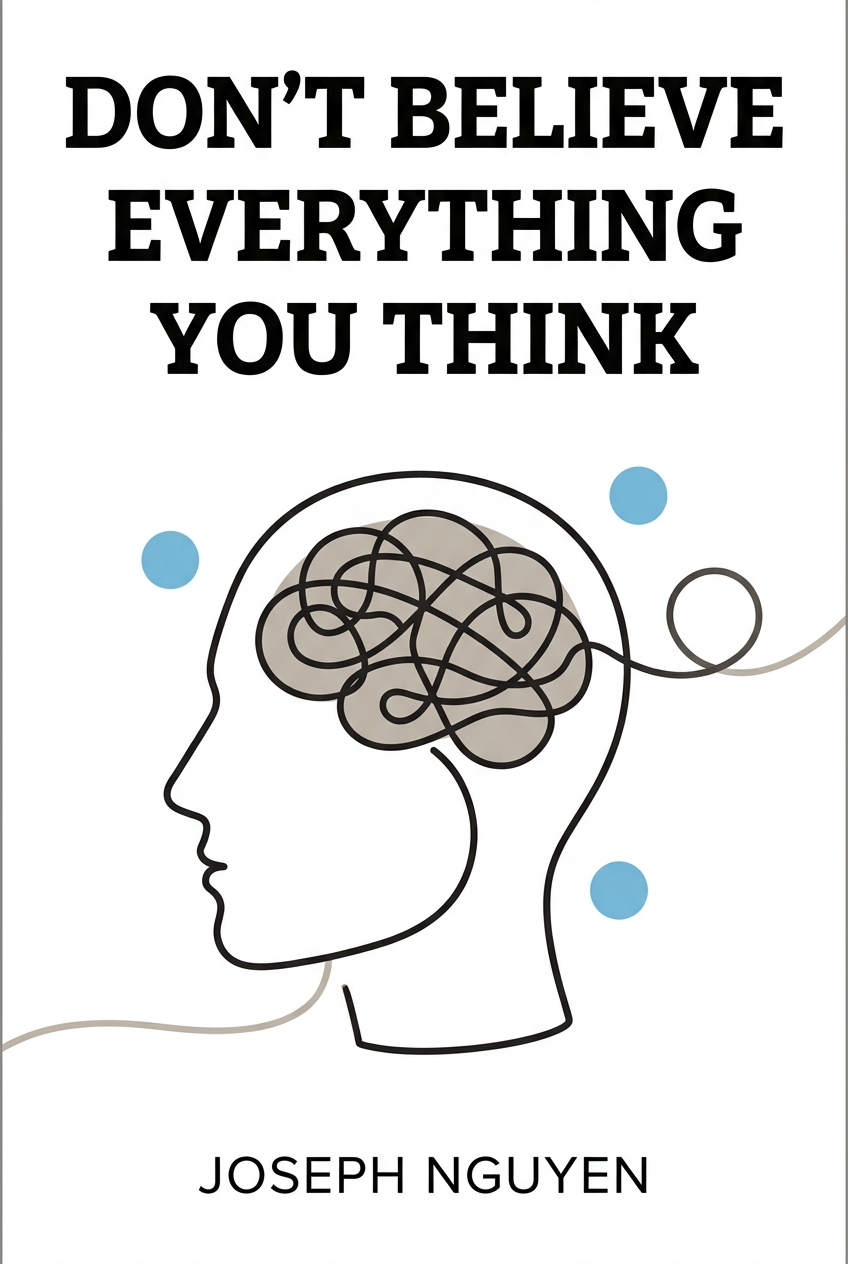
One of the more counterintuitive but effective daily critical thinking and problem solving practices comes from an understanding explored in Joseph Nguyen’s Don't Believe Everything You Think. The premise is that much of our suffering and poor judgment comes not from our problems, but from our obsessive thinking about our problems.
Nguyen argues for a state of “non-thinking,” where thoughts are allowed to pass through your mind without you grabbing onto them and creating a narrative. This isn't about emptying your mind, but about changing your relationship with your thoughts. By creating this space, you allow for clarity and insight to emerge naturally, rather than trying to force a solution through brute mental effort. This practice helps you detach from the emotional charge of a problem, enabling a more objective, logical reasoning approach when you do decide to engage.
Small, Consistent Actions
Building this skill is a marathon, not a sprint. The question of how to stay consistent with critical thinking and problem solving is answered with small, repeatable actions.
- Question One Assumption Daily: Make it a habit to pick one belief you hold—about your work, a relationship, or the world—and ask, “What if the opposite were true?”
- Seek Out Disagreement: Find someone who holds a different opinion and listen to understand, not to rebut. This is a direct way to reality-test your assumptions.
- Embrace the Actionable Takeaway: Every time you listen to a summary on VoxBrief or read an article like this one, don't just consume the information. Pick one single, actionable idea and commit to trying it within the next week. This converts passive learning into active practice.
Ultimately, the journey of critical thinking is not about becoming a flawless logic machine. It is the much more human endeavor of becoming aware of our innate flaws and building intelligent habits to compensate for them. It’s a move away from the arrogant illusion of certainty and toward the humble, curious, and effective pursuit of clarity. By engaging with the ideas in these powerful critical thinking books, you equip yourself with the mental tools to navigate complexity with greater wisdom and confidence.
Master key ideas in 15 minutes
Listen to audio summaries of these books on VoxBrief
Download Free