What Is Empathy? A Guide to the Best Books on Empathy for Adults
By VoxBrief Team··6 min read
In a world that often feels disconnected, the ability to understand and share the feelings of another person is more than just a soft skill—it's a superpower. This capacity is known as empathy, and while it might seem like an innate gift, it's actually a muscle that can be strengthened with knowledge and practice. Exploring key ideas from some of the most insightful books on empathy for adults can provide a clear roadmap for this journey. This article will define what empathy is, explain why it's a critical skill for personal and professional success, and outline practical ways you can begin cultivating it today.
Why Is Empathy Important? The Foundation of Connection
At its core, empathy is the engine of human connection. It's the ability to step into someone else's shoes, to see the world from their perspective, and to understand their feelings without judgment. The signs of empathy aren't always grand gestures; they can be as simple as truly listening to a friend, understanding a colleague's stress, or withholding judgment in a difficult conversation. The causes and effects of its presence—or absence—are profound. A lack of empathy can lead to misunderstandings, conflict, and isolation, while its presence fosters trust, collaboration, and deeper relationships.
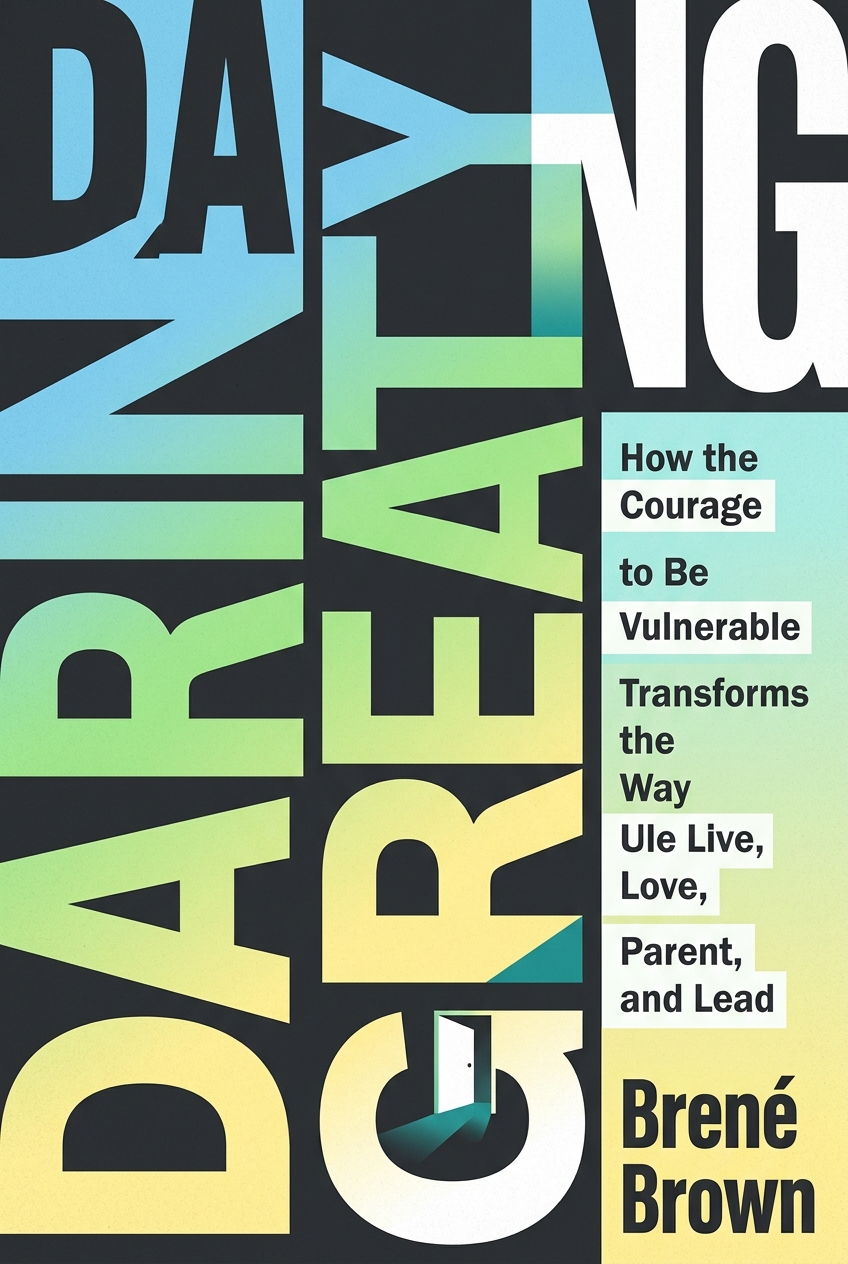
This is a central theme in the work of researcher Dr. Brené Brown. In her groundbreaking book, Daring Greatly, she argues that empathy is impossible without vulnerability. Brown's research revealed that what we often see as weakness—being open, uncertain, and emotionally exposed—is actually the "core of all meaningful human experience." To empathize with someone, you have to be willing to connect with something inside of yourself that knows that feeling. You can't stand on the sidelines, armored and protected, and truly understand what someone else is going through. Empathy requires you to step into the arena with them, which is an act of courage.
This principle applies everywhere, from our living rooms to our boardrooms. For empathy for professionals, it’s the key to effective leadership and teamwork. At home, it’s the foundation of strong partnerships and compassionate parenting. Ultimately, why is empathy important? Because it bridges the gap between individuals, creating a sense of shared humanity that is essential for both personal well-being and a functional society.
Building the Empathy Muscle: Can Empathy Be Improved?
The most empowering truth about empathy is that it is not a fixed trait. If you've ever asked yourself, "why do I struggle with empathy?" the answer isn't that you're broken; it's that you haven't been taught how to practice it. Just like any other skill, it can be developed through intention and effort. This is where the concepts from Daniel Goleman’s revolutionary book, Emotional Intelligence, provide a powerful framework.
Goleman argues that emotional intelligence (EI) is a far greater predictor of success and happiness than traditional measures like IQ. Empathy is a cornerstone of his model. He breaks down emotional intelligence into two main areas: Personal Competence (how we manage ourselves) and Social Competence (how we handle relationships). This structure provides a clear path for anyone looking to improve their empathy.
Starting with Self-Awareness
According to Goleman's framework, empathy begins with looking inward. His first pillar of Personal Competence is Self-Awareness—the ability to recognize and understand your own moods, emotions, and drives. You cannot understand someone else's feelings if you are disconnected from your own. This means paying attention to your emotional reactions. When you feel anger, can you identify the trigger? When you feel joy, can you recognize what caused it? This internal work is the non-negotiable first step.
For empathy for beginners, this practice can be as simple as taking a moment to check in with yourself throughout the day. Ask yourself: "What am I feeling right now, and why?" This builds the emotional vocabulary and self-connection necessary to eventually connect with others.
Understanding Others: The Art of Social Competence
Once you have a handle on your own emotional landscape, you can turn your attention outward. This is Goleman's domain of Social Competence, where empathy truly lives. It is the ability to understand the emotional makeup of other people and the skill of treating people according to their emotional reactions. It's about listening, observing body language, and sensing the unspoken feelings in a room or a conversation.
This is where listening becomes an active, not a passive, activity. Empathetic listening isn't about waiting for your turn to talk; it’s about giving your full attention to understand the other person’s experience, both what they are saying and what they are feeling. It’s an essential skill for empathy for students learning to collaborate and for leaders building cohesive teams.
Practical Empathy Exercises to Try Today
Building this skill requires practice. Simple empathy exercises can be integrated into your daily life to strengthen your ability to connect:
Practice Perspective-Taking: When you’re in a disagreement or simply observing a situation, consciously pause and ask, "What might this person be thinking and feeling? What pressures or experiences might be leading them to this behavior?"
Listen for Feelings, Not Just Facts: In your next conversation, try to listen for the emotional content hiding behind the words. Is your colleague's frustration with a project really about the deadline, or is it about feeling unsupported?
Expand Your Circle: Actively seek out stories and perspectives from people with different backgrounds and life experiences than your own. Reading diverse authors, watching foreign films, or listening to narrative podcasts can broaden your understanding of the human experience.
Empathy at Work: Leading with Connection
Nowhere has the conversation around empathy become more critical than in the modern workplace. The old model of command-and-control leadership is giving way to a new paradigm—one that prioritizes psychological safety, connection, and understanding. This isn't just about being "nice"; it's a strategic advantage.
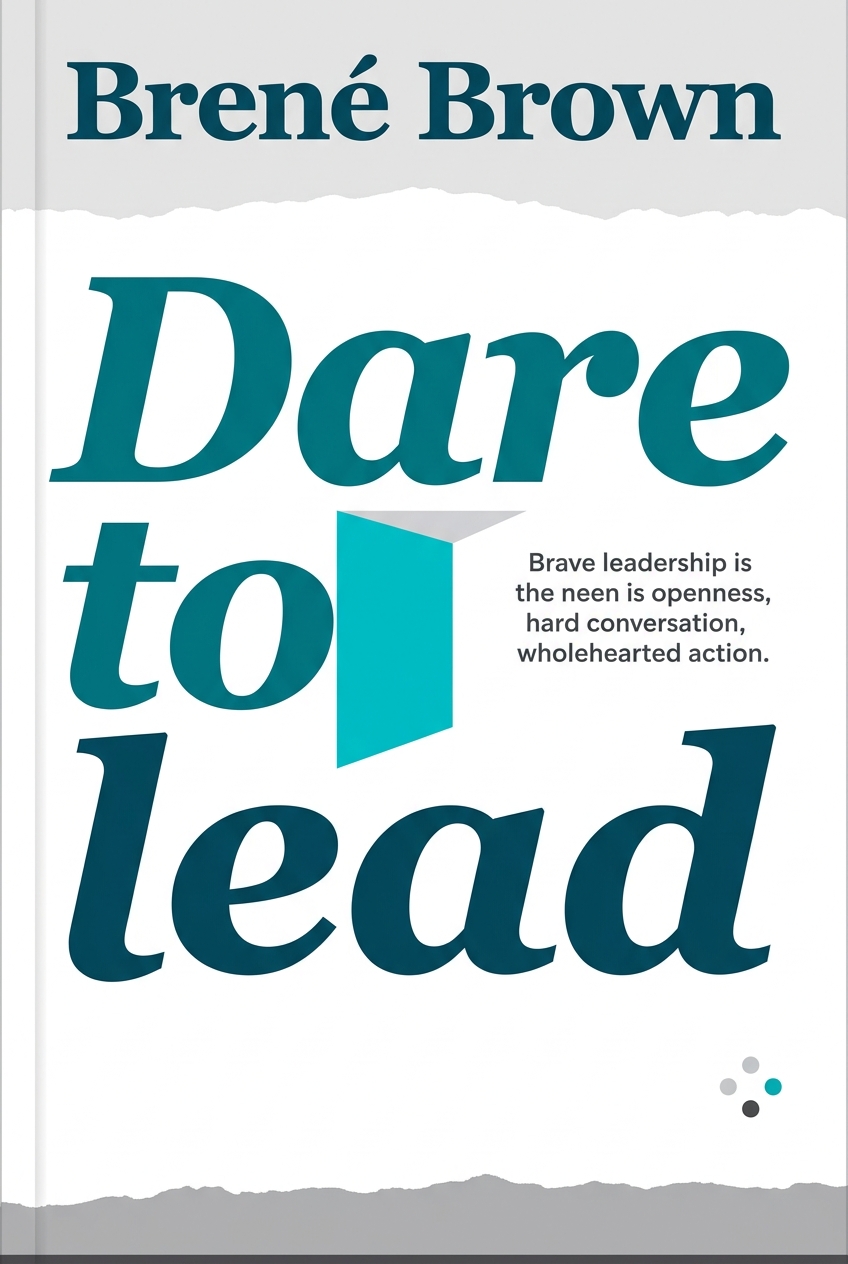
Brené Brown's Dare to Lead builds on her earlier work by applying the principles of vulnerability and courage directly to leadership. She identifies that one of the core skills of a daring leader is the ability to practice empathy and connection. Leaders who are willing to be vulnerable themselves create environments where their teams feel safe enough to be creative, take risks, and bring their whole selves to work. This fosters innovation and resilience.
This shift is also reflected in the evolution from "feature teams" to "empowered teams," a concept detailed by Marty Cagan in Empowered. While his book focuses on product management, the underlying principle is deeply empathetic. A feature team is told what to build; their success is measured by output. An empowered team, however, is given a problem to solve. To do this effectively, they must develop deep empathy for their customers—understanding their pains, needs, and desires. This demonstrates how empathy at work can be a core business function, not just an HR initiative.
An empathetic organization, as Daniel Goleman describes it, becomes a competitive advantage. Teams with high collective emotional intelligence communicate better, handle conflict more constructively, and are more innovative. Cultivating empathy from the leadership down transforms company culture from transactional to relational.
Navigating Challenges: How to Deal with Empathy Overload
A common concern, especially for those who are naturally sensitive, is how to practice empathy without becoming emotionally overwhelmed. The question how to deal with empathy is often about survival. When you feel others' pain too deeply, it can lead to burnout, compassion fatigue, and a desire to shut down completely. This is a valid concern, and managing it is a key part of having a sustainable empathetic practice.
Effective empathy coping strategies are built on two pillars: boundaries and differentiation.
Setting Boundaries: Healthy empathy does not mean you are responsible for fixing someone's problems or carrying their emotional load. Boundaries are about recognizing where you end and another person begins. It's okay to say, "I can see you're in a lot of pain, and I'm here to listen, but I cannot take on this emotion for you."
Differentiating Empathy from Sympathy: Empathy is feeling with someone—understanding their perspective. Sympathy is feeling for them—often pity. There's another related state, sometimes called emotional contagion, which is taking on their emotions as your own. The goal is to stay in the space of empathy. You can understand a friend's anxiety without becoming anxious yourself. This distinction is the key to how to overcome empathy fatigue long-term.
By practicing self-awareness—knowing your own emotional limits—and consciously setting boundaries, you can offer support and connection without sacrificing your own well-being.
Ultimately, the journey to becoming a more empathetic person is a journey toward becoming a more connected and effective human being. It requires the courage to be vulnerable, the discipline to build your emotional intelligence, and the wisdom to apply these skills in your daily life. By learning from the ideas in some of the most profound books on empathy for adults, you can move from theory to practice, transforming not only your relationships but also the way you see the world.
Master key ideas in 15 minutes
Listen to audio summaries of these books on VoxBrief
Struggling with empathy is common and can stem from many factors, such as personal history, high stress levels, or simply a lack of practice. It is not a character flaw, but often a sign that the 'empathy muscle' needs to be intentionally developed through consistent awareness and specific exercises.
Absolutely. Modern psychology and neuroscience show that empathy is a skill, not a fixed trait you either have or don't. By practicing active listening, perspective-taking, and increasing your own emotional awareness, you can significantly improve your ability to understand and connect with others.
Managing empathy involves setting healthy emotional boundaries to protect your own well-being. It's crucial to differentiate between understanding someone's feelings (empathy) and taking on their feelings as your own (emotional contagion). Many excellent books about empathy for adults delve into these vital coping strategies.
A great starting point for beginners is active listening. This means listening with the sole purpose of understanding, not just to formulate a reply, and asking clarifying questions to ensure you grasp their perspective. Another simple exercise is to consciously pause and try to imagine a situation from another person's point of view before you react.