What is Fitness? A Guide to the Best Books On Physical Fitness
By VoxBrief Team··5 min read
In a world saturated with quick-fix workout fads, miracle diet pills, and conflicting advice from countless influencers, it’s easy to feel completely lost on your fitness journey. The sheer volume of information can be paralyzing, leading many to give up before they even start. The path to a healthier, stronger body isn't about finding a secret hack; it’s about understanding the foundational principles. This is where you can find clarity in the best books on physical fitness, which distill complex science into actionable strategies.
But before diving into methods, we must first ask: what is fitness? At its core, fitness isn’t just about looking a certain way or lifting a specific amount of weight. It’s a measure of your body’s ability to perform, endure, and thrive. It’s about building a capable, resilient, and energetic body that serves you well in every aspect of life. This guide will walk you through the essential principles of physical fitness, drawing on the wisdom found within some of the most effective books on the subject.
Understanding the 'Why': The Fundamental Principles of Fitness
Before you do a single push-up or plan a single meal, you need to understand the physiological laws that govern your body. Why is fitness important? Because it directly influences your quality of life, from your energy levels and mood to your long-term health and resilience against disease. The process of improving fitness is, at its heart, the process of changing your body composition—reducing body fat and increasing lean muscle mass.
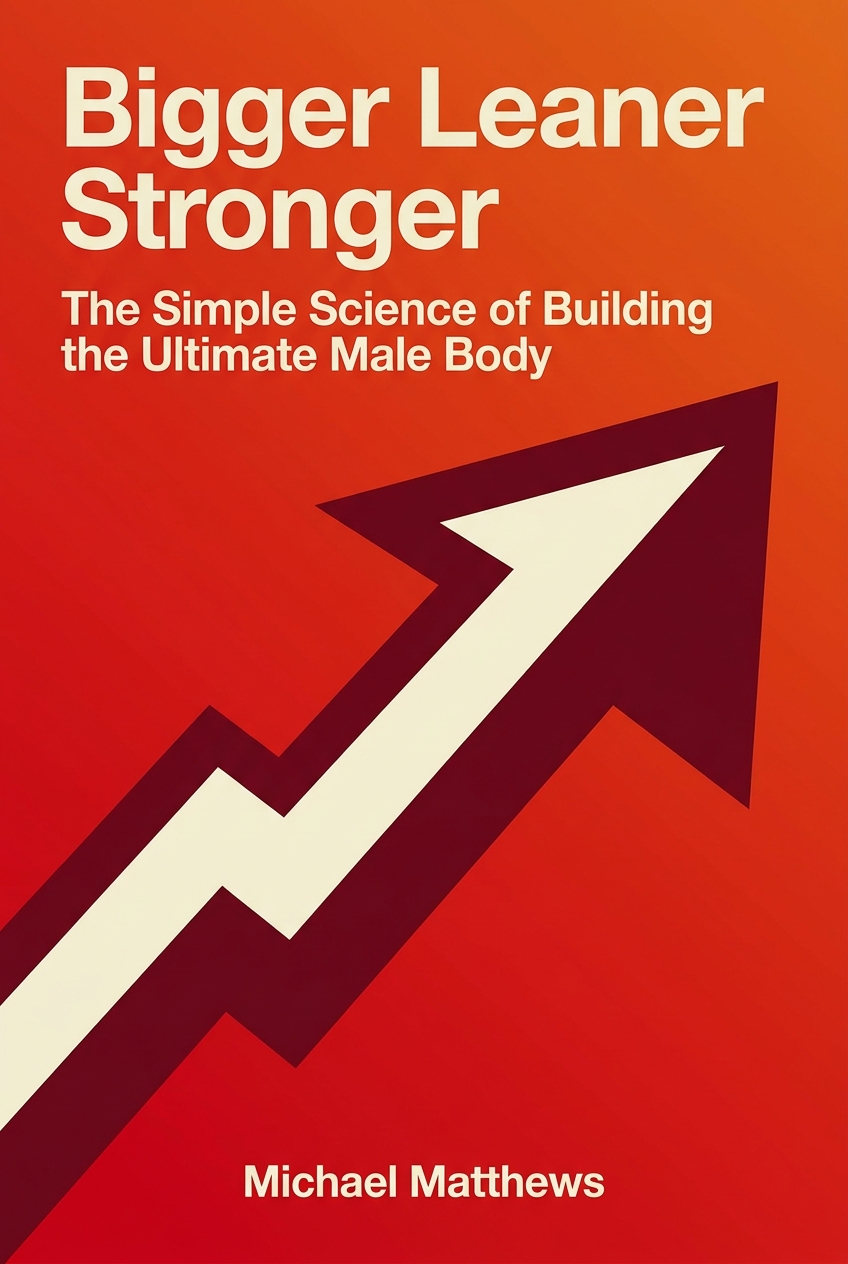
In his book Bigger Leaner Stronger, Michael Matthews argues that the fitness industry thrives on confusion, but the reality is much simpler. He introduces the concept of the “unbreakable laws of body composition.” These aren’t trends or opinions; they are scientific facts. The most critical law is energy balance: to lose fat, you must consume fewer calories than you burn. To build muscle, you need to provide your body with sufficient protein and a slight caloric surplus to fuel the construction of new tissue. This isn't a complex secret; it’s basic physiology. Once you grasp this, you can cut through 90% of the noise and marketing gimmicks promising easy results without effort.
The fitness benefits that stem from mastering these principles are profound. Beyond the mirror, a well-structured fitness plan leads to improved cardiovascular health, stronger bones, better insulin sensitivity, reduced stress, and enhanced cognitive function. It’s a holistic upgrade to your entire system.
Building Your Blueprint: The 'How' of Effective Training
With a clear understanding of the 'why,' we can move on to the 'how.' How to improve fitness is a matter of applying the right stimuli to your body consistently over time. The primary fitness methods that deliver the most significant results are strength training, cardiovascular exercise, and proper nutrition. These three pillars work in synergy to build the physique and health you desire.
The Science of Strength Training
Of all the fitness methods, strength training offers the most potent stimulus for transforming your body. It’s the key to building lean muscle, which in turn boosts your metabolism, strengthens your bones, and creates a toned, athletic shape. The core principle governing muscle growth is progressive overload, which simply means you must continually challenge your muscles to do more than they are accustomed to.
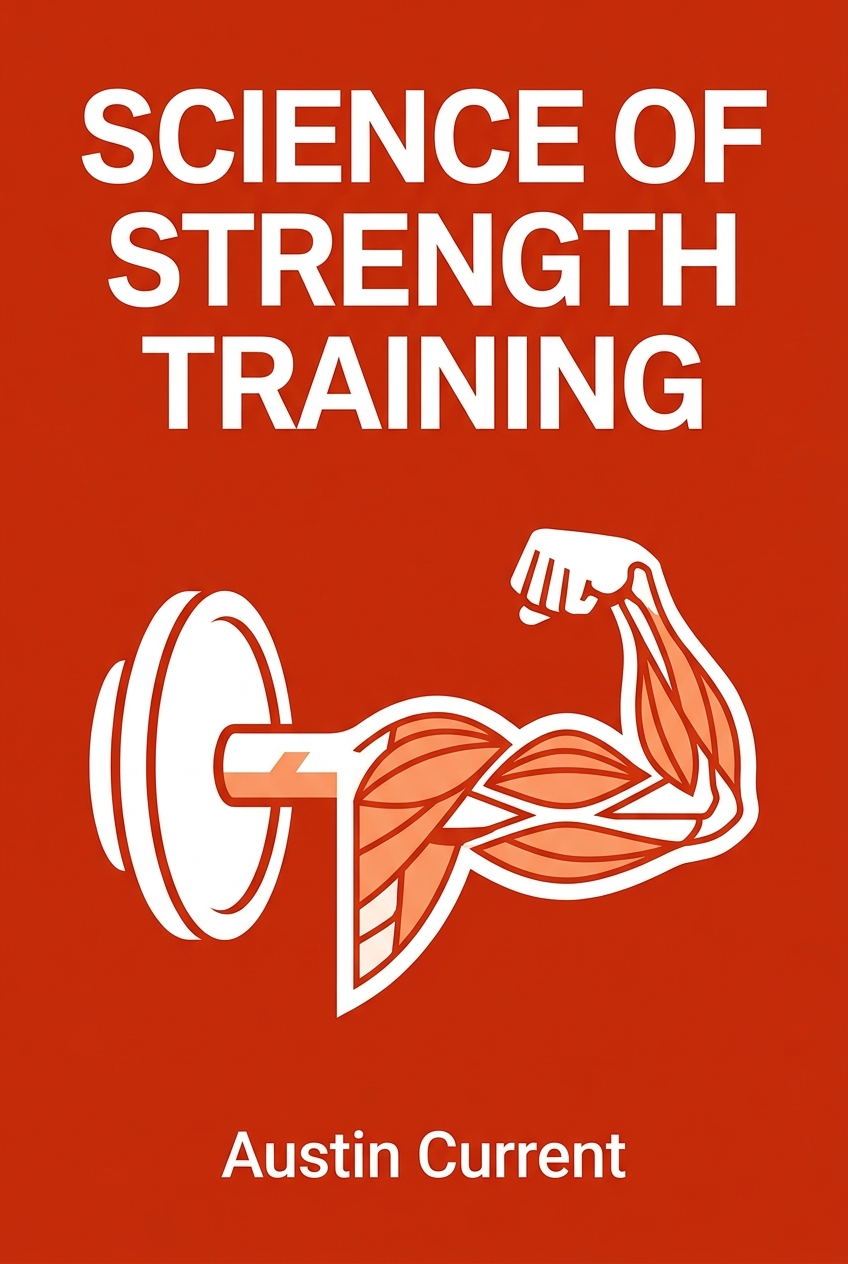
As explained in Austin Current's Science of Strength Training, muscle growth is not random; it’s a specific biological response to a stimulus. Lifting weights creates microscopic damage and metabolic fatigue in your muscle fibers. Your body responds to this stress by repairing the fibers and making them bigger and stronger to better handle that stress in the future. This is the essence of adaptation. Current also emphasizes the brain-body connection, noting that your initial strength gains are largely neurological—your brain becomes more efficient at recruiting muscle fibers. This highlights the importance of focus and intention during your workout routines.
This principle is what makes strength training so effective for everyone, from bodybuilders to beginners. Whether you're doing home workouts with dumbbells or lifting heavy barbells in a gym, the goal is the same: apply a consistent, progressively challenging stimulus.
The Role of Cardio and Nutrition
While strength training builds the engine, cardio and nutrition provide the fuel and maintenance. Cardio exercise, like running, cycling, or swimming, is essential for heart health. It trains your heart and lungs to work more efficiently, improves blood flow, and is an effective tool for burning calories to support fat loss.
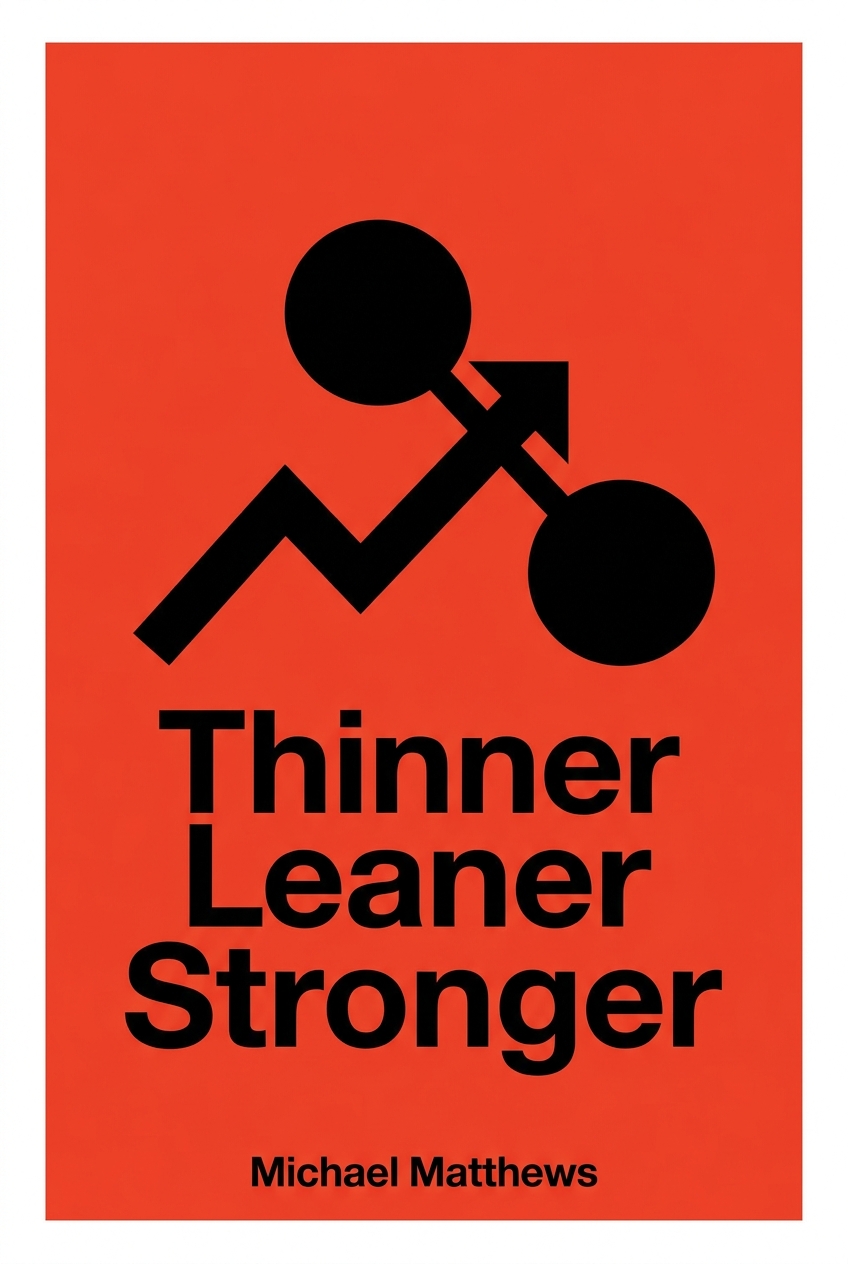
However, exercise alone cannot overcome a poor diet. As Michael Matthews outlines in Thinner Leaner Stronger, your transformation is built on three pillars, with nutrition being the largest and most critical. You can have the most perfect workout plan, but if your nutrition isn't aligned with your goals, your results will be minimal. Smart nutrition isn't about severe restriction or eliminating entire food groups. It’s about fulfilling your body's needs for energy (calories) and building blocks (protein, carbs, and fats) in a way that supports your goal, whether it’s fat loss or muscle gain.
Putting it Together: A Fitness Plan for Beginners
A solid fitness plan for beginners doesn't need to be complicated. In fact, simplicity and consistency are your greatest allies. Consider a structure like this:
Strength Training (3 days/week): Focus on compound exercises that work multiple muscle groups at once. A full-body routine including squats, push-ups, rows, and overhead presses is a fantastic starting point.
Cardio (2 days/week): Choose an activity you enjoy and perform it for 20-30 minutes at a moderate intensity.
Rest (2 days/week): Recovery is when your body rebuilds and gets stronger. Don't skip it.
This framework is adaptable. For fitness for busy people, workouts can be made more efficient with supersets or by focusing on high-intensity interval training (HIIT). For older adults, such as in fitness for women over 40, an emphasis on strength training is crucial for maintaining bone density and muscle mass. The key is to start where you are and build gradually.
Finding Your Best Books On Physical Fitness and Mastering the Long Game
Starting a program is easy; staying consistent is the hard part. This is where mindset becomes the most important factor in your success. The journey to physical mastery is as much a mental game as it is a physical one. It requires discipline, patience, and a long-term perspective.
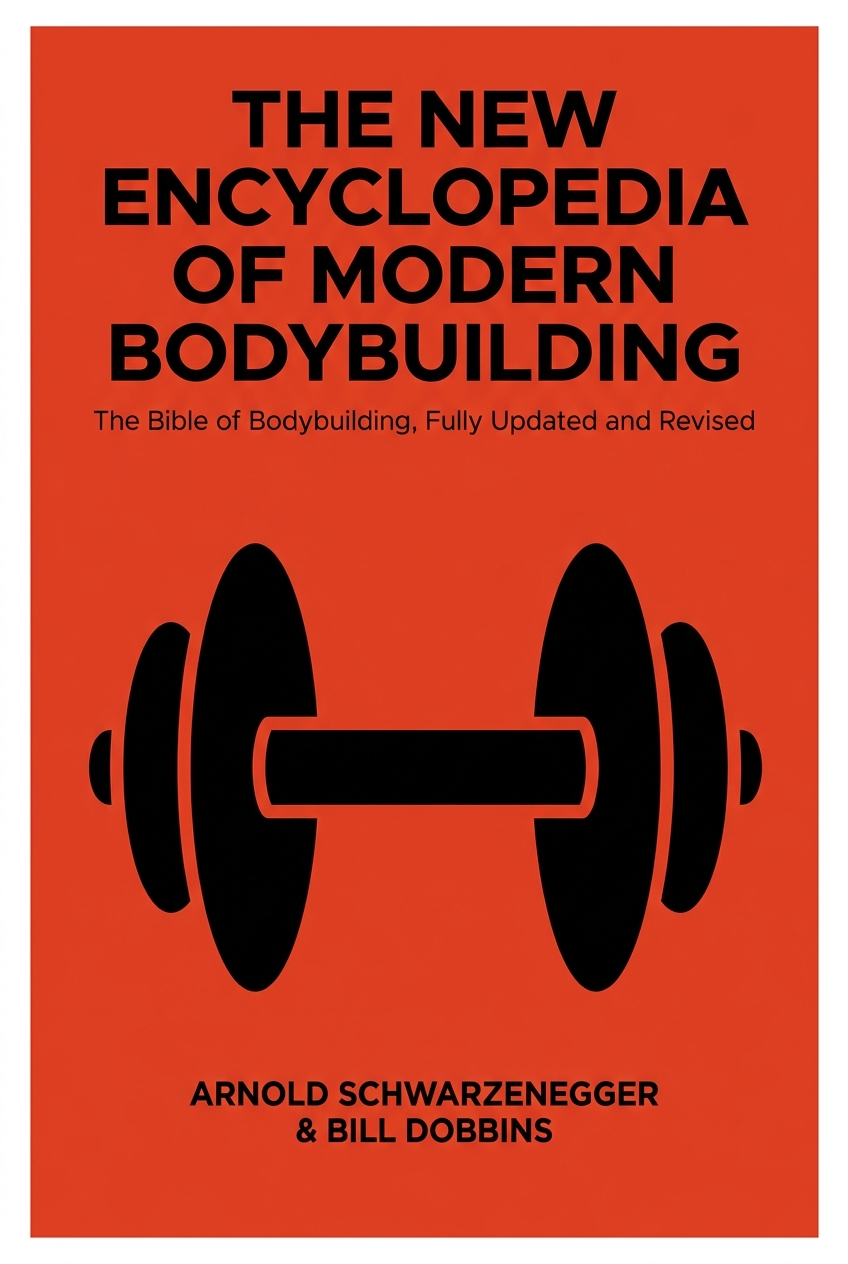
In The New Encyclopedia of Modern Bodybuilding, Arnold Schwarzenegger presents bodybuilding not just as a sport, but as a complete discipline for building mind, body, and character. He refers to it as creating a “Blueprint for Physical Architecture.” This is about a systematic approach focused on aesthetics, symmetry, and definition—a deliberate and artistic process. While not everyone aims to be a bodybuilder, the mindset is transferable. Viewing your fitness journey as a craft you are honing, rather than a chore you must endure, changes everything.
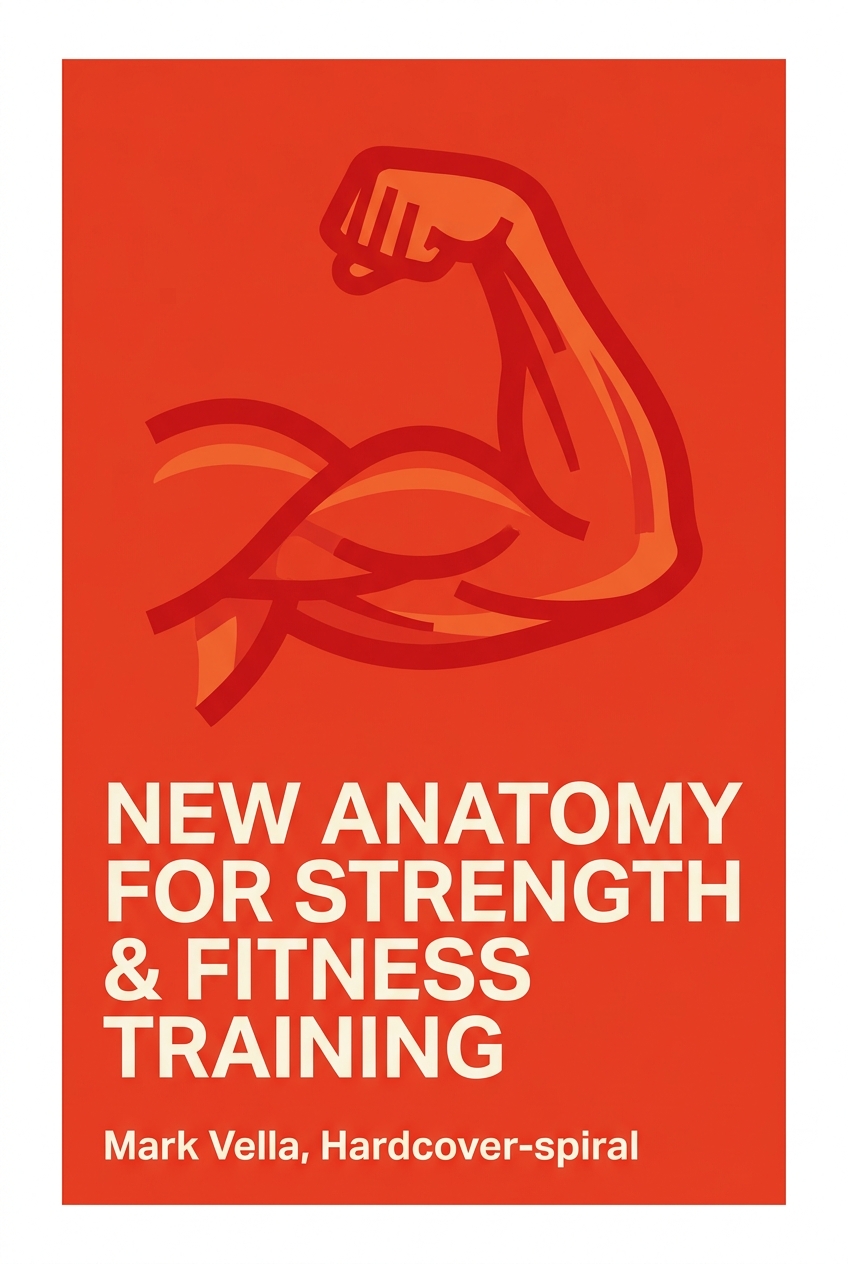
This long-term perspective is crucial for managing expectations. In New Anatomy for Strength & Fitness Training, author Mark Vella distinguishes between fleeting fitness concepts (like P90X or CrossFit) and timeless training principles (like progressive overload). He also outlines the three phases of a fitness journey, helping you understand that the initial rapid progress will eventually slow down, which is normal and not a sign of failure. This knowledge preempts frustration and helps you stay the course when results are less dramatic than they were in the beginning.
Ultimately, a sustainable fitness lifestyle is one that evolves with you. It’s about internalizing the core principles so you can make informed decisions for yourself, rather than blindly following a rigid plan forever.
Embarking on a fitness journey is one of the most rewarding decisions you can make. It’s a path that requires effort, but the rewards—a stronger body, a clearer mind, and a more vibrant life—are immeasurable. By grounding yourself in the science of fitness, focusing on fundamental principles, and cultivating a resilient mindset, you can move beyond the confusion and build a body and life you love. The process begins not with a sprint, but with a single, educated step forward.
Master key ideas in 15 minutes
Listen to audio summaries of these books on VoxBrief
Yes, when approached correctly. The key is starting slowly, focusing on proper form, and listening to your body to avoid injury. Consulting a professional or using a well-structured beginner's program can significantly enhance safety.
The science behind fitness boils down to applying stress to the body so it adapts and becomes stronger. This involves principles like progressive overload for strength training (gradually increasing weight/reps) and energy balance for weight management. Understanding this science is a common theme in the best books on physical fitness.
You may feel initial results like increased energy and better mood within a few weeks. Visible physical changes, like muscle definition or fat loss, typically take 8-12 weeks of consistent effort in both training and nutrition. Consistency is more important than intensity at the start.