In a world saturated with information, do you ever feel like you're falling behind? You see experts discuss complex topics with ease and wish you had a broader frame of reference. The desire to 'know more' is universal, but the path can feel overwhelming. This article is your starting point. We're going to explore what general knowledge truly is, why it's a superpower in today's world, and—most importantly—how you can build it systematically by leveraging powerful ideas from some of the best books for knowledge improvement.
This isn't about memorizing trivia to win a quiz night. It's about building a robust mental framework that helps you learn faster, think clearer, and make better decisions in every area of your life.
What is General Knowledge and Why Is It Important?
Before diving into the 'how,' we need to understand the 'what' and the 'why.' So, what is general knowledge? It’s often mistaken for a collection of disconnected facts. But its real value lies in the connections it allows you to make.
Defining General Knowledge Beyond Trivia
True general knowledge is a fluid, interconnected understanding of the world. It spans history, science, culture, arts, and current events, providing the context needed to process new information effectively. Think of it as the mental soil from which deep insights can grow. Without it, new facts are like seeds scattered on concrete—they have nowhere to take root.
This foundational layer of understanding is crucial for everyone. For students, it helps bridge the gap between different academic subjects, showing how history influences art or how physics principles apply to biology. For professionals, strong general knowledge at work fuels innovation, enhances strategic thinking, and improves communication with colleagues from different disciplines.
The Compounding Benefits of a Knowledgeable Mind
So, why is general knowledge important? Because it compounds. The more you know, the easier it is to learn even more. This phenomenon, known as the 'Matthew Effect,' means that knowledge builds on itself, creating a virtuous cycle of learning.
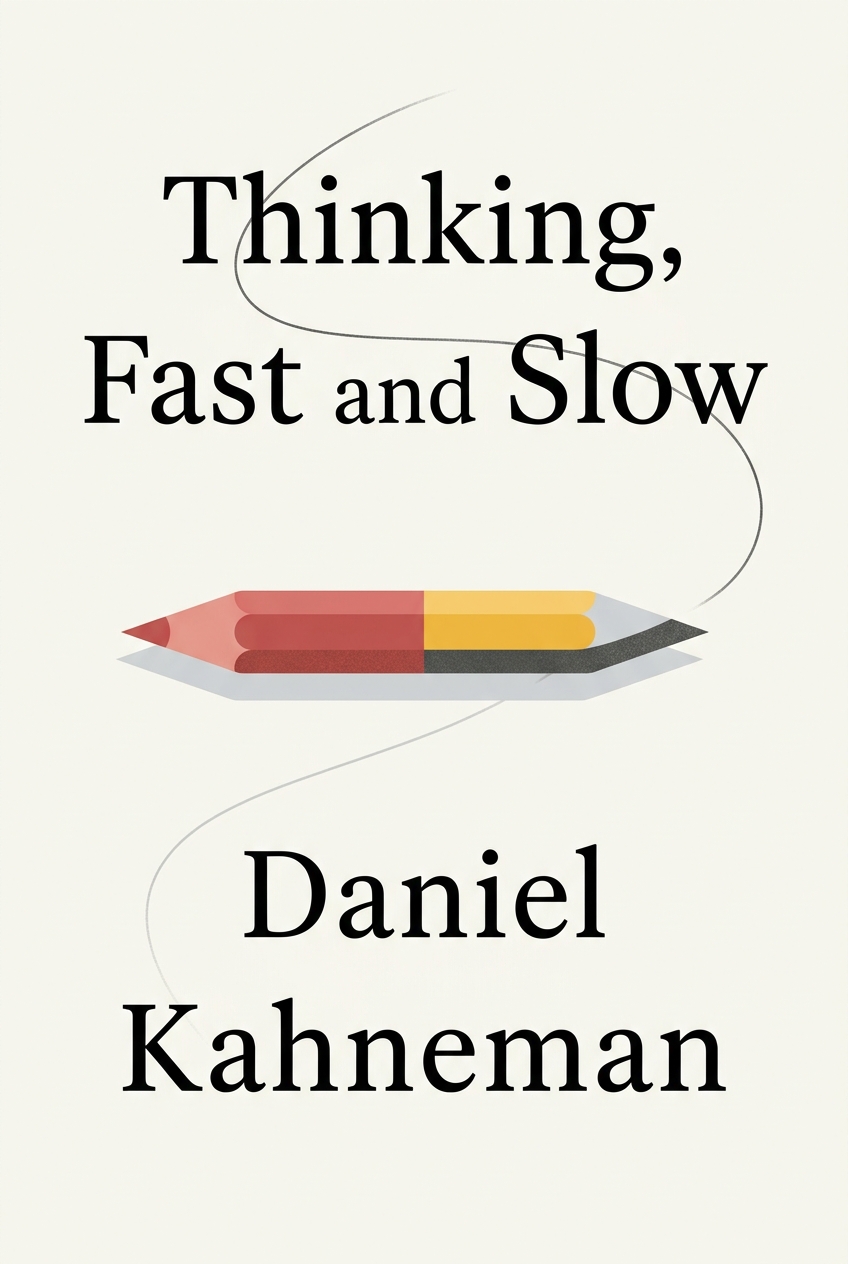
A broad knowledge base is also one of your best defenses against flawed thinking. In his seminal book Thinking, Fast and Slow, Nobel laureate Daniel Kahneman introduces the two systems that run our minds: System 1 (fast, intuitive, emotional) and System 2 (slow, analytical, deliberate). System 1 is prone to biases and shortcuts that can lead us astray. A rich base of general knowledge equips your deliberate System 2 with the context it needs to question and override the faulty assumptions of System 1, leading to better judgments and decisions.
The Core Challenge: How to Build General Knowledge Effectively
If general knowledge is so beneficial, why do so many of us struggle to build it? The answer often lies in our approach. We live in an age of information anxiety, where the sheer volume of content available feels paralyzing. It’s a common reason why is general knowledge so hard for so many to develop.
Knowing how to build general knowledge isn't about aimlessly consuming more data; it's about developing a system, a mindset, and a series of habits. It requires moving from passive consumption to active construction. This is where insights from modern learning experts can fundamentally change the game.
Unlocking Your Learning Potential with the 'Limitless' Model
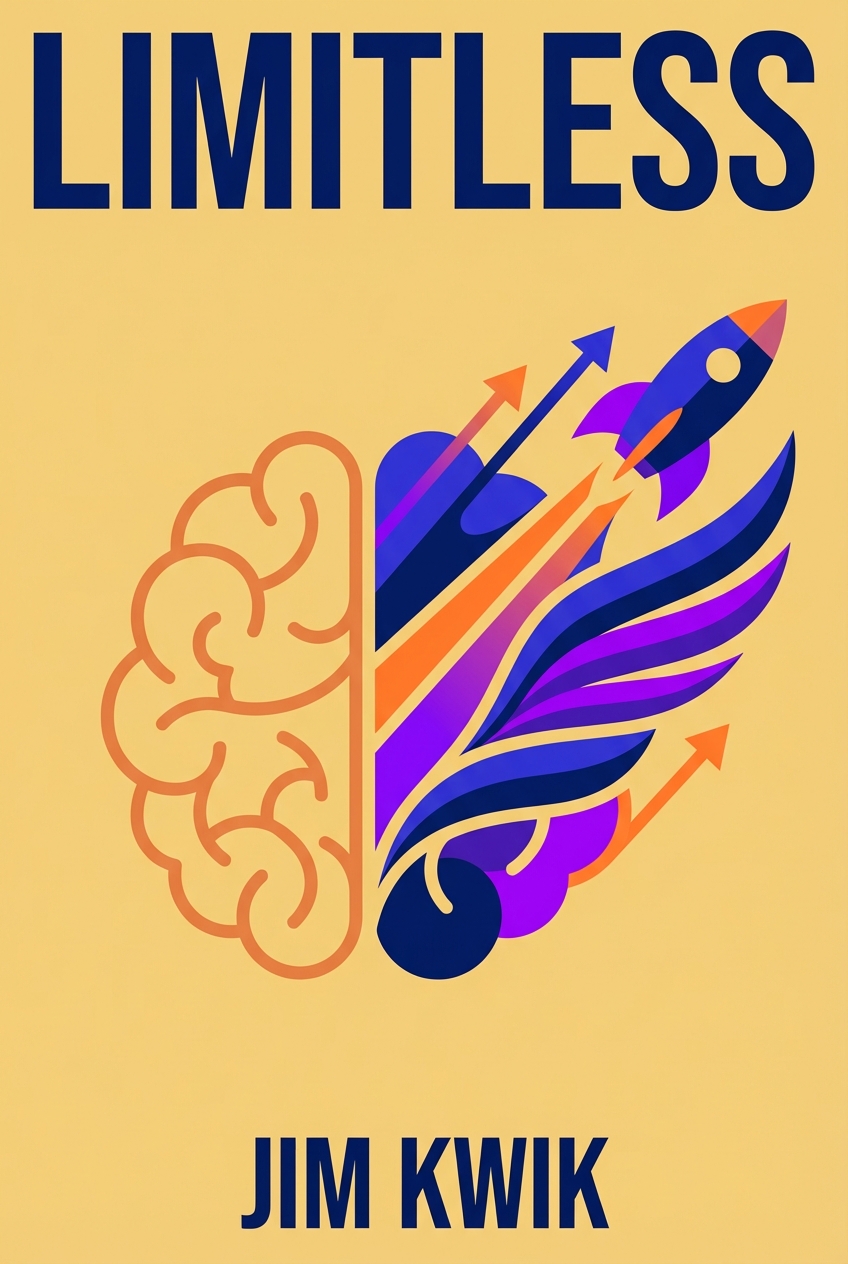
In his book Limitless, brain coach Jim Kwik argues that our ability to learn is not fixed. He proposes a simple but powerful model for unlocking our potential, based on three core pillars: Mindset, Motivation, and Method. This framework is perfect for anyone looking to develop general knowledge.
- Mindset (The 'What'): It all starts here. Do you believe you are a capable learner? Many of us hold limiting beliefs like "I have a bad memory" or "I'm just not book smart." Kwik insists that these are not facts but opinions we’ve accepted. The first step to becoming limitless is to actively challenge these beliefs and cultivate a mindset of growth and possibility.
- Motivation (The 'Why'): Motivation isn't something you have; it's something you generate. To build knowledge consistently, you need a compelling reason. Connect your learning goals to a deeper purpose. Are you learning to advance your career, become a more engaging conversationalist, or simply satisfy your curiosity? A strong 'why' provides the fuel to overcome resistance.
- Method (The 'How'): With the right mindset and motivation, you need effective techniques. Kwik offers a suite of general knowledge techniques that work, such as active recall (quizzing yourself), spaced repetition (reviewing information at increasing intervals), and focus strategies to combat distraction. These methods turn learning from a passive activity into an active, engaging process.
Moving from Thinking to Knowing
Another significant barrier to knowledge acquisition is our own mind. We often get trapped in loops of overthinking and self-criticism. "Am I learning the right thing?" "Why can't I remember this?" This mental chatter creates anxiety that hinders our ability to absorb and integrate new information.
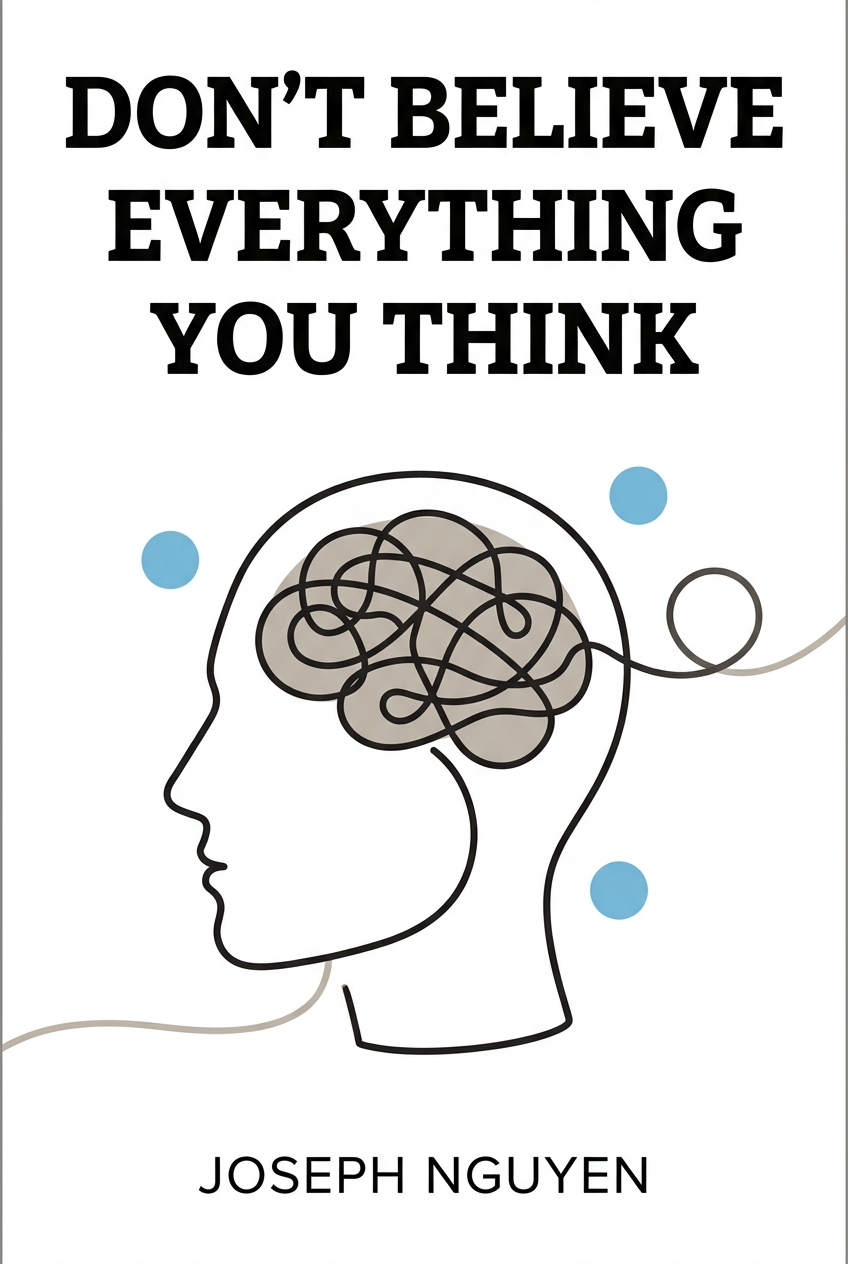
In Don't Believe Everything You Think, Joseph Nguyen offers a radical solution: understand that suffering comes not from external events, but from our own thinking. He introduces the concept of "non-thinking"—a state of mental quiet where thoughts flow by without us latching onto them. By learning to detach from the anxious narrative about our learning progress, we create the mental space necessary for genuine insight and effortless knowledge absorption. This is one of the most profound general knowledge tips: clear the mental noise to let the knowledge in.
Practical Strategies and Books for Knowledge Improvement
Theory is essential, but it’s the daily application that builds momentum. This section focuses on a handful of actionable general knowledge habits and daily general knowledge practices you can start today. These are not just about reading more; they are about transforming how you interact with information.
Cultivating Curiosity as a Daily Habit
Curiosity is the engine of knowledge. Instead of treating it as a fleeting thought, turn it into an active practice. When a question pops into your head during a meeting or while watching a movie, don’t just let it go. Jot it down and spend five minutes looking it up later. Make 'I wonder why...' your favorite phrase.
Diversify your information diet. If you only read about your industry, you're living in an echo chamber. Deliberately expose yourself to different fields. Listen to a podcast on astrophysics, watch a documentary on ancient Rome, or read a summary of a classic novel. Reading a wide variety of materials, including classic books on knowledge and wisdom, helps build the mental latticework needed to connect disparate ideas.
The Power of Storytelling and Context
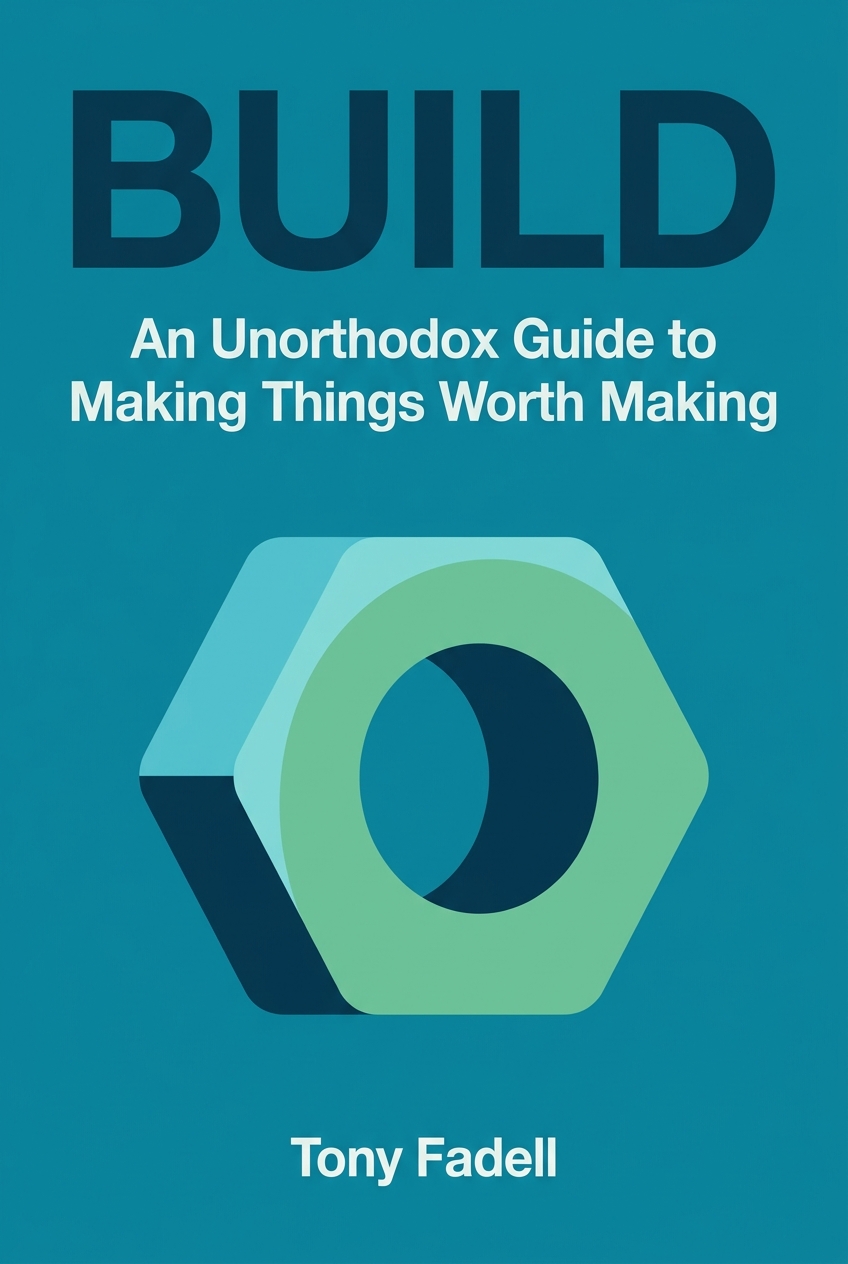
Facts are dry and easily forgotten. Stories, however, are sticky. They engage our emotions and provide context, which makes information memorable. In his book Build, Tony Fadell, the creator of the iPod and iPhone, argues that storytelling is one of the most powerful tools for any innovator or leader.
This principle is directly applicable to knowledge building. When you learn something new, don't just memorize the fact; find the story behind it. Instead of just learning the Pythagorean theorem, read about the strange and fascinating life of Pythagoras and his secretive brotherhood. This approach provides hooks for your brain to hang the information on, making it far more likely to be retained. This is especially helpful in creating general knowledge for beginners, as stories make complex topics more approachable.
Active Learning vs. Passive Consumption
A common mistake is equating reading or watching with learning. True knowledge acquisition is an active process. You must engage with the material to make it your own. This reinforces the 'Method' pillar from Jim Kwik's Limitless model.
Here are a few general knowledge techniques that work to promote active learning:
- Summarize: After reading an article or listening to an audiobook summary, pause and try to explain the core concepts in your own words. Write it down or say it out loud.
- Teach It: Find someone—a friend, a partner, a colleague—and try to teach them what you just learned. This practice, often called the Feynman Technique, quickly reveals gaps in your own understanding.
- Connect It: Actively ask yourself, "How does this connect to what I already know?" This act of building bridges between new and old information is the essence of creating a robust knowledge base.
The Journey to a More Knowledgeable You
Building a deep and broad base of general knowledge is not a finite project but a rewarding, lifelong pursuit. It's an investment that pays dividends in every aspect of your life, from your career to your personal relationships. The journey begins not with a frantic effort to memorize everything, but with a shift in mindset and a commitment to better habits.
By embracing the principles of learning from experts like Jim Kwik, understanding the workings of your mind with guidance from Daniel Kahneman, and appreciating the power of context and story as highlighted by Tony Fadell, you can transform the daunting task of 'learning more' into an exciting adventure of discovery. Start today. Pick one small habit, follow one spark of curiosity, and begin building the mental architecture for a more insightful and fulfilling life.
Master key ideas in 15 minutes
Listen to audio summaries of these books on VoxBrief
Download Free