That green-eyed monster. We’ve all felt its grip—a hot, prickly sensation that tightens in your chest when you see your partner laughing with someone else, or a colleague receiving praise for a project you wanted. Jealousy can feel all-consuming, turning you into a suspicious, anxious version of yourself you barely recognize. If you’re tired of the endless cycle of suspicion and resentment, the good news is that you can learn how to stop being jealous. It’s not about flipping a switch, but about understanding what this powerful emotion is trying to tell you and developing the tools to respond differently.
This guide will walk you through the process, exploring why jealousy happens and providing a clear, step-by-step framework for reclaiming your peace of mind. Drawing on insights from psychology and relationship science, we’ll move beyond simply telling you “don’t be jealous” and offer a practical roadmap to help you build more secure and trusting relationships with others—and with yourself.
Understanding the Roots of Jealousy
Before you can change a behavior, you have to understand its source. Jealousy isn’t just a character flaw; it’s a complex emotional response, often a signal of deeper, unmet needs. It’s a defense mechanism against a perceived threat to something you value. By exploring its roots, we can begin to address the cause instead of just wrestling with the symptoms.
The Fear of Rejection and Comparison
At its core, jealousy is often intertwined with the fear of being left out, deemed “less than,” or replaced. In her book Uninvited, Lysa TerKeurst explains that rejection is more than just an emotional event; it can feel like an attack on our core identity. When we feel jealous, we are often reacting to a perceived rejection. We see someone else getting the attention, affection, or opportunity we desire, and our brain interprets this as a sign that we are unwanted or inadequate.
This feeling is amplified if our sense of self-worth is already fragile. TerKeurst argues that if our identity is built on an “unstable foundation”—like the approval of others or our relationship status—any perceived threat can cause our entire sense of self to crumble. Jealousy, in this context, is a desperate alarm bell signaling, “I’m about to lose my value.”
The Interpersonal Battlefield
Are you viewing your relationships through a lens of competition? According to philosopher Ichiro Kishimi in The Courage to Be Disliked, much of our suffering stems from placing ourselves in constant competition with others. When we live in this mindset, the world is a zero-sum game. If your partner has a fulfilling friendship, that’s time and energy not being spent on you. If a friend succeeds, their win somehow diminishes your own accomplishments.
Jealousy thrives in this competitive environment. It convinces you that you are in a race for affection, status, and security. Adlerian psychology, as detailed in the book, suggests a radical alternative: shifting from a life of competition to one of contribution. When you see yourself as a collaborator in your relationships, another person’s happiness doesn't have to be a threat to your own.
The Biology of Attachment
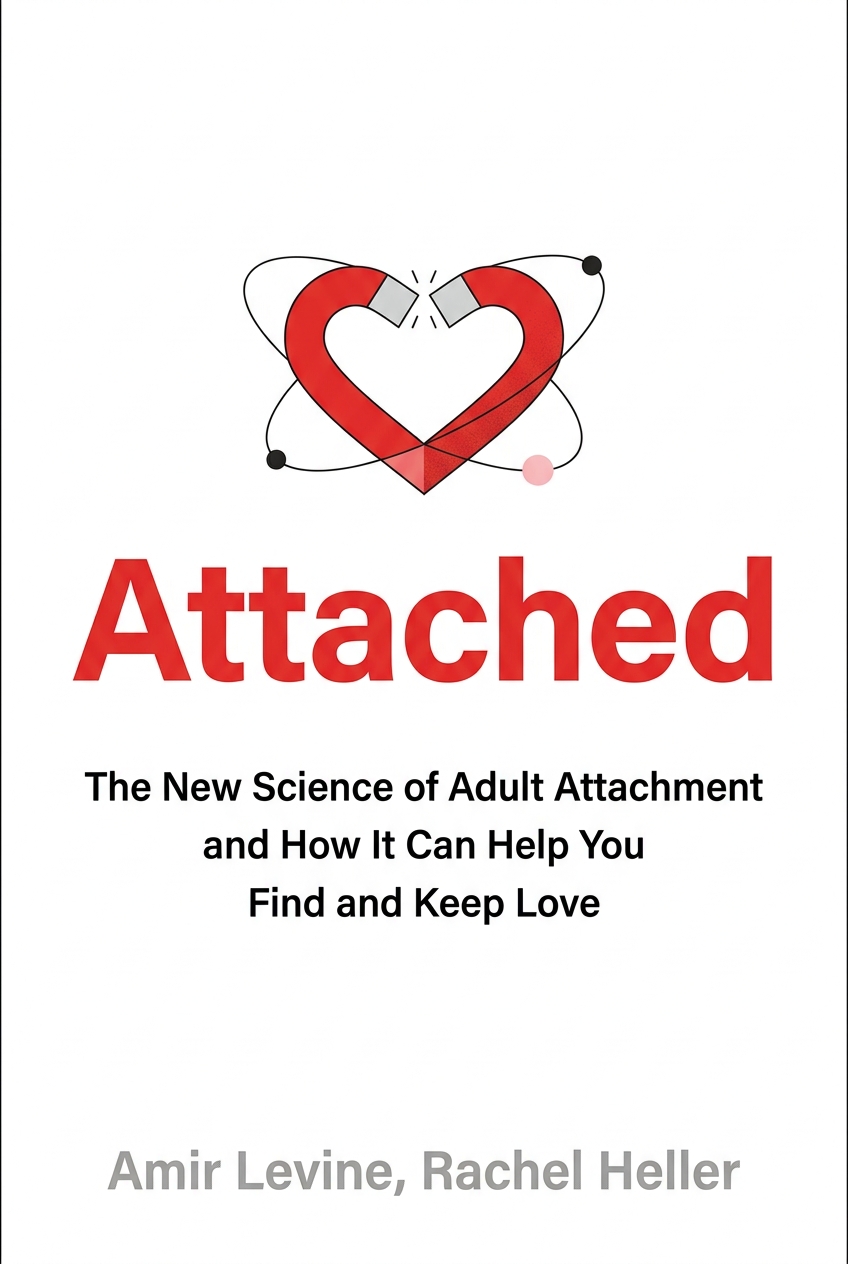
Sometimes, jealousy has deep biological roots. In Attached, authors Amir Levine and Rachel Heller explain the science of adult attachment, which posits that our need for connection is a biological imperative. How we’re wired for connection—our “attachment style”—profoundly impacts how we behave in relationships.
People with an anxious attachment style are highly sensitive to threats of abandonment and crave closeness to feel secure. For them, a partner’s independence can trigger intense fear and jealousy. They may engage in “protest behavior”—like calling repeatedly or trying to provoke a reaction—to try and reestablish connection. Understanding that this response is partly driven by your nervous system’s programming can remove the shame and provide a clearer path toward developing a more secure way of relating to others.
A Practical Guide on How to Stop Being Jealous
Understanding the “why” is the first step. Now, let's focus on the “how.” This section provides actionable, how-to-stop-being-jealous tips you can start implementing today. It’s about building new habits that interrupt the jealousy spiral and create new, healthier neural pathways.
Step 1: Observe the Feeling, Don’t Become the Feeling
When jealousy hits, our first instinct is to either act on it (interrogate our partner) or suppress it (pretend we’re fine). There is a third option. As Joseph Nguyen suggests in Don't Believe Everything You Think, we must learn to distinguish between “thoughts” and the act of “thinking.” A jealous thought might pop into your head, but it is the act of thinking—of grabbing onto that thought, analyzing it, and building a whole story around it—that causes a state of suffering.
The first step is to simply notice the feeling with non-judgmental awareness. Say to yourself, “I am experiencing the sensation of jealousy.” Don’t add, “...because I’m a terrible person” or “...which means my partner is definitely cheating.” By labeling the emotion as a transient experience, you create a space between yourself and the feeling, preventing it from hijacking your entire being.
Step 2: Separate Your Tasks from Theirs
This powerful framework comes directly from The Courage to Be Disliked. Adlerian psychology introduces the concept of “separation of tasks.” In any situation, you must ask: “Whose task is this?”
Your task is to manage your own emotions, thoughts, and behaviors. It is not your task to control your partner’s feelings, friendships, or actions. Conversely, it is your partner’s task to be trustworthy and communicate, but it is not their task to manage your insecurities for you 24/7.
When you feel jealous because your partner is out with friends, your task is to soothe your anxiety and not give in to accusatory thinking. Their task is to conduct themselves as a faithful partner. Trying to control their tasks—by telling them who they can see or demanding they check in every ten minutes—is a recipe for resentment and conflict. This separation provides an incredible sense of freedom; you are only responsible for you.
Step 3: Shift from Comparison to Connection
Jealousy isolates you. It puts you on one side and the person you love (and their perceived rival) on the other. The antidote is to intentionally rebuild connection. As Johann Hari explores in Lost Connections, so much of our modern despair comes from a lack of meaningful connection to others, to meaningful values, and to the natural world. Jealousy is a profound symptom of this disconnection.
Instead of stewing in suspicion, take one small action to reconnect. If you’re feeling jealous of your partner’s work friend, resist the urge to snoop. Instead, suggest a date night where you can focus on each other. If you’re envious of a friend’s success, reach out and congratulate them sincerely. This act of generosity breaks the competitive mindset and, as Adlerian psychology suggests, moves you toward a feeling of communal contribution, which builds self-worth.
Building Long-Term Resilience to Jealousy
Overcoming jealousy is not a one-time fix but an ongoing practice. The goal is to build a stronger internal foundation so that you are less easily shaken by external events. This is a journey toward becoming a more secure and self-possessed individual.
Solidify Your Identity Foundation
A key theme from Lysa TerKeurst’s Uninvited is the importance of anchoring your identity in something that cannot be taken away. If your self-worth is entirely dependent on your relationship, you will live in constant fear of losing it. Your identity needs a broader, more stable foundation.
Invest in your own life. Nurture your friendships, pursue your hobbies, and set personal and professional goals that excite you. When you have a rich, fulfilling life of your own, your romantic relationship becomes a wonderful part of your life, not the entirety of your validation. This creates a sense of wholeness that makes you less susceptible to feelings of threat and inadequacy.
Communicate Like a Secure Person
One of the most powerful tools offered in Attached is learning to communicate your needs effectively. Anxiously attached individuals often express their need for closeness through protest behavior, which pushes partners away. A securely attached person, on the other hand, can state their needs calmly and directly.
Instead of saying, “Why are you always texting her? Don’t you care about me?” you could say, “I’ve been feeling a little disconnected from you lately, and it’s making me feel insecure. I’d love it if we could set aside some time just for us this week.” This approach invites collaboration rather than escalating conflict. It expresses a vulnerable need instead of a hostile accusation, giving your partner a clear and positive way to help you feel secure.
Ultimately, learning how to stop being jealous is a profound act of self-love. It’s about learning to trust yourself, to soothe your own anxieties, and to build a life so full of purpose and connection that the approval or attention of any single person is no longer the linchpin of your happiness. It’s a path toward freedom, and it’s a path you can start walking today.
Master key ideas in 15 minutes
Listen to audio summaries of these books on VoxBrief
Download Free