Intermittent fasting has surged in popularity, moving from a niche health trend to a mainstream wellness strategy embraced by millions. But with so much information—and misinformation—out there, it can be hard to know where to begin. That's where a deep dive into the best books about fasting can be transformative. These guides, written by doctors, researchers, and seasoned practitioners, provide the science, strategy, and inspiration needed to understand and implement fasting effectively.
This article isn't just a list; it's a guide to the core concepts you'll find in this essential literature. We'll explore what intermittent fasting is, the science that makes it work, the various methods you can try, and the profound benefits that go far beyond weight loss. Whether you're a complete beginner or looking to refine your practice, understanding the principles from these key texts will empower you to take control of your health.
The Science: Why Fasting is More Than Just Skipping Meals
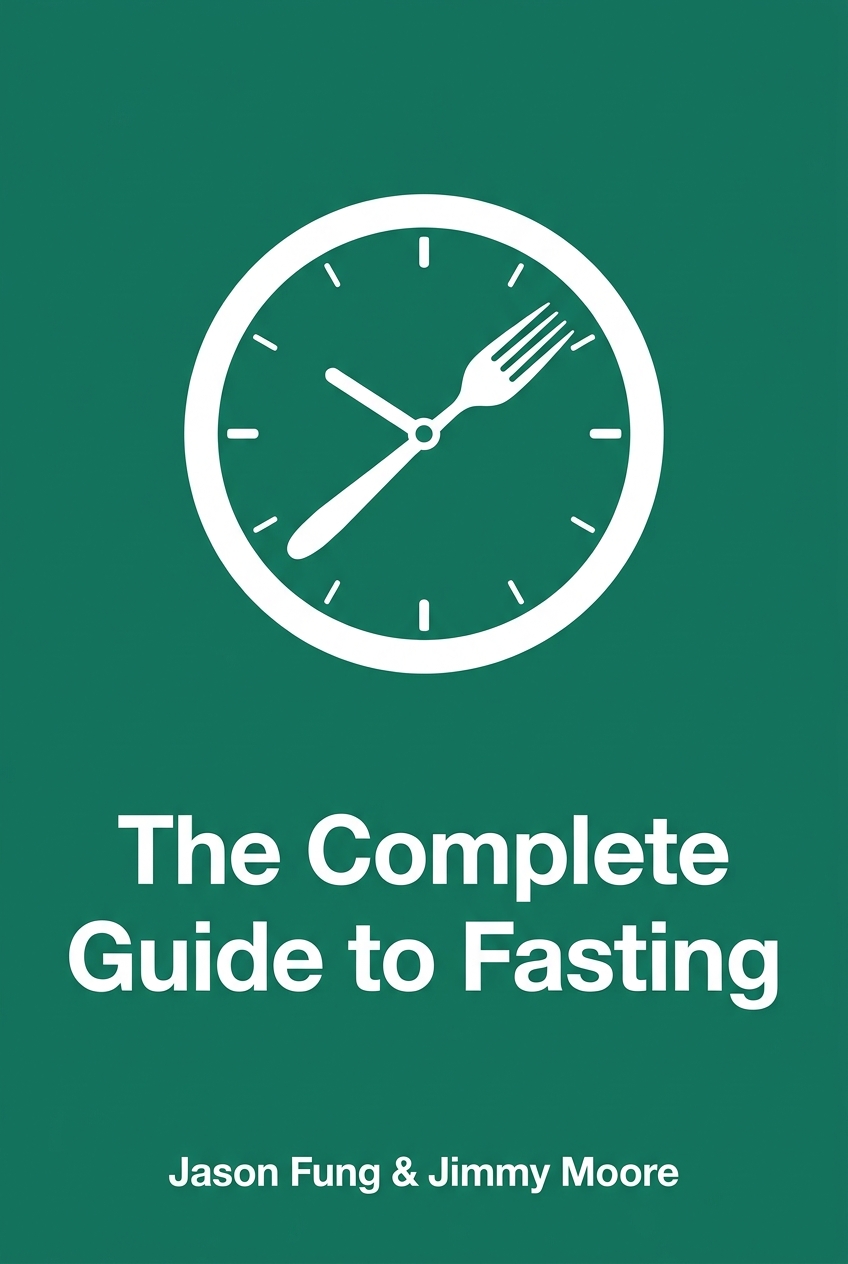
To truly grasp why intermittent fasting is so effective, we must look past the outdated 'calories in, calories out' model. As Dr. Jason Fung explains in The Complete Guide to Fasting, weight management is primarily a hormonal issue, not a simple math problem. The key player is insulin, the hormone that tells your body to store energy from food. When we eat—especially carbohydrates and sugar—insulin levels rise, and fat-burning stops.
So, what is intermittent fasting in this context? It's a tool to intentionally lower your insulin levels for a sustained period. When you're in a fasted state, your body's insulin drops significantly. This signals your system to switch fuel sources, moving from burning glucose from your last meal to tapping into your body's stored fat for energy. This is the fundamental mechanism behind fasting for weight loss.
But the fasting science doesn't stop there. One of the most significant intermittent fasting benefits is a process called autophagy. Think of it as your body’s cellular recycling program. During a fast, your cells begin to clean out old, damaged components and proteins. This cellular rejuvenation is linked to reduced inflammation, improved metabolic health, and even longevity. It’s a biological reset that goes deep, impacting your health from the inside out.
Finding Your Rhythm: Exploring Intermittent Fasting Methods
The real power of intermittent fasting lies in its flexibility. It’s not a one-size-fits-all diet but a pattern of eating you can adapt to your lifestyle. The best books about fasting detail several popular approaches, helping you find what works for you, whether you're a busy professional, a parent, or someone over 40 looking to manage hormonal changes.
The 16:8 Method (Time-Restricted Eating)
This is perhaps the most popular intermittent fasting plan for beginners due to its simplicity. The 16:8 method involves fasting for 16 hours each day and consuming all your meals within an 8-hour eating window. For many, this looks like skipping breakfast, having their first meal around noon, and finishing their last meal by 8 PM. It’s a sustainable approach that aligns well with many social and work schedules.
The 5:2 Diet
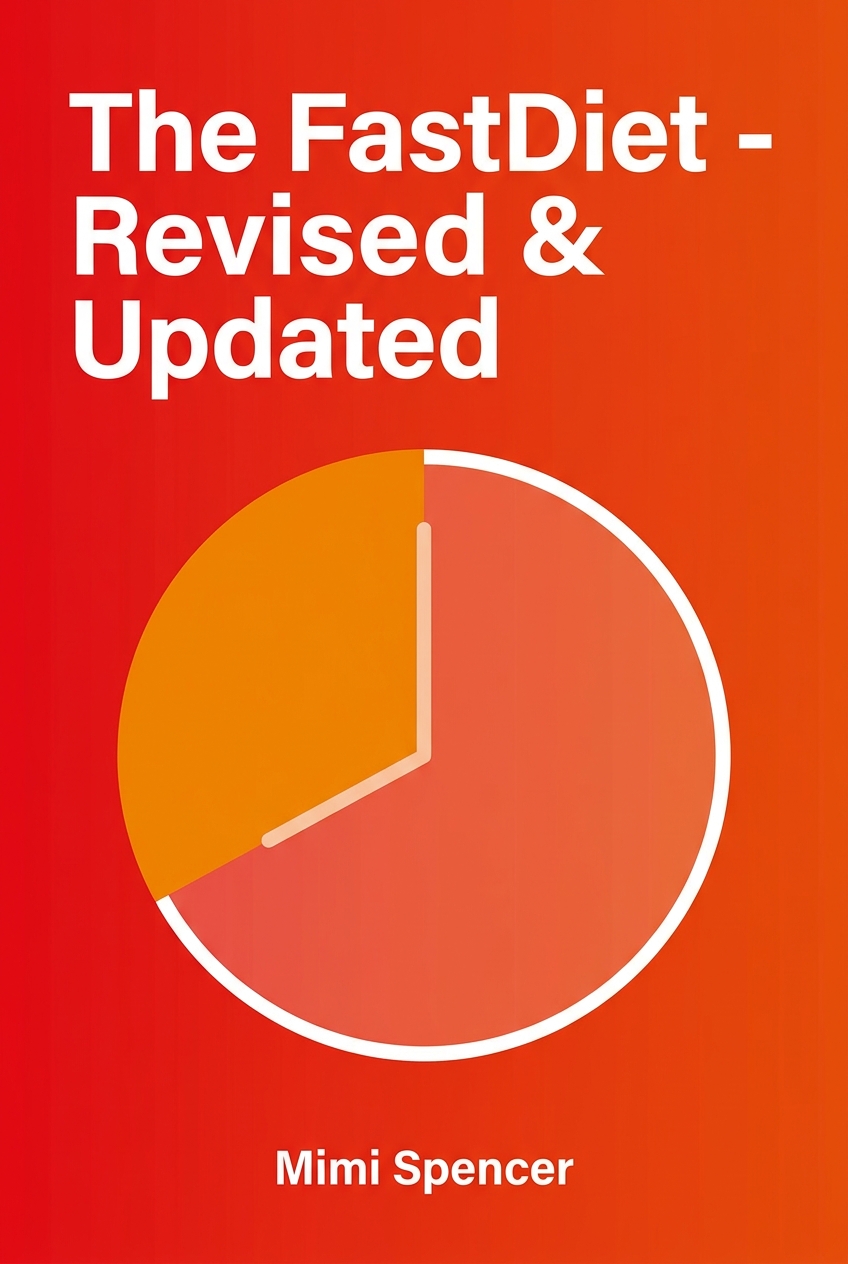
Popularized by Mimi Spencer in The FastDiet - Revised & Updated, this method offers a different kind of flexibility. With the 5:2 diet, you eat normally for five days of the week without calorie counting or restrictions. On the other two days (non-consecutive), you restrict your calorie intake significantly—typically to around 500 calories for women and 600 for men. This approach appeals to those who don't want to think about fasting every day but can commit to two challenging, focused days per week.
The Clean Fast
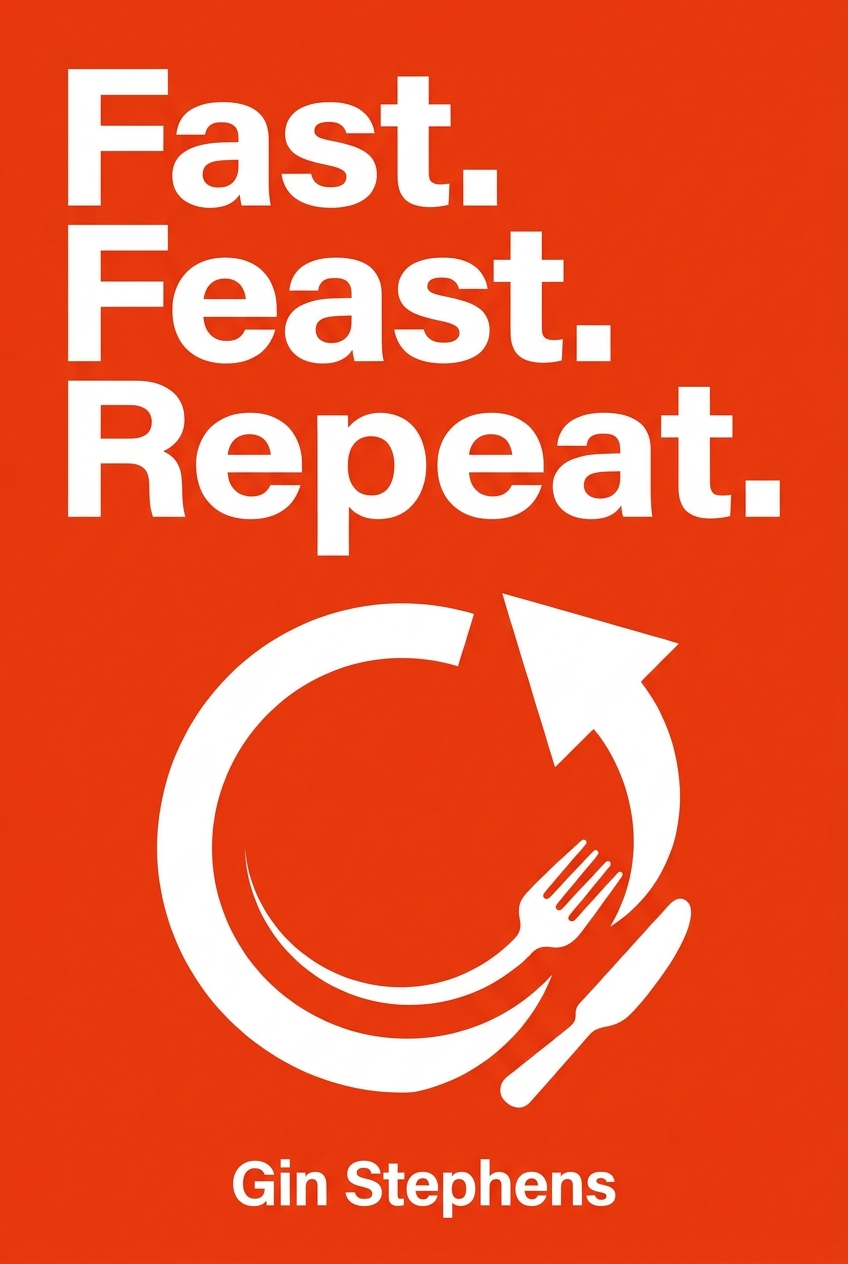
A critical concept for success, passionately advocated by Gin Stephens in Fast. Feast. Repeat., is the 'Clean Fast.' This principle is non-negotiable for achieving the full benefits. During your fasting window, you consume only things that do not trigger an insulin response: unflavored water (flat or sparkling), plain black coffee, and unflavored black or green tea. Anything with flavor, artificial sweeteners, or cream—even if it has zero calories—can signal to your brain that food is coming, potentially blunting the hormonal benefits of the fast.
Understanding the Clean Fast is a game-changer. It ensures your body remains in a truly fasted, fat-burning state, making your fasting periods exponentially more effective.
Beyond Weight Loss: The Broad Spectrum of Fasting Benefits
While many people start fasting for weight loss, they often continue because of the wide array of other health improvements they experience. The benefits extend from physical vitality to mental acuity and even spiritual well-being.
Physical and Metabolic Health
As we’ve discussed, the primary benefit is improved insulin sensitivity. By giving your body a regular break from processing food, you make your cells more responsive to insulin, which is a cornerstone of metabolic health and can reduce the risk of type 2 diabetes. Many fasters also report reduced inflammation, lower blood pressure, and better cholesterol profiles. These are the deep, systemic changes that contribute to long-term health.
Mental Clarity and Abundant Energy
A surprising benefit many report is a significant boost in mental clarity. After an initial adjustment period, the 'brain fog' that many people feel throughout the day often lifts. This happens because when your body becomes efficient at burning fat for fuel, it also produces ketones, which are an excellent and stable energy source for the brain. Instead of experiencing energy crashes from blood sugar swings, you have a steady, clean-burning fuel that promotes focus and concentration.
Mindfulness and Spiritual Connection
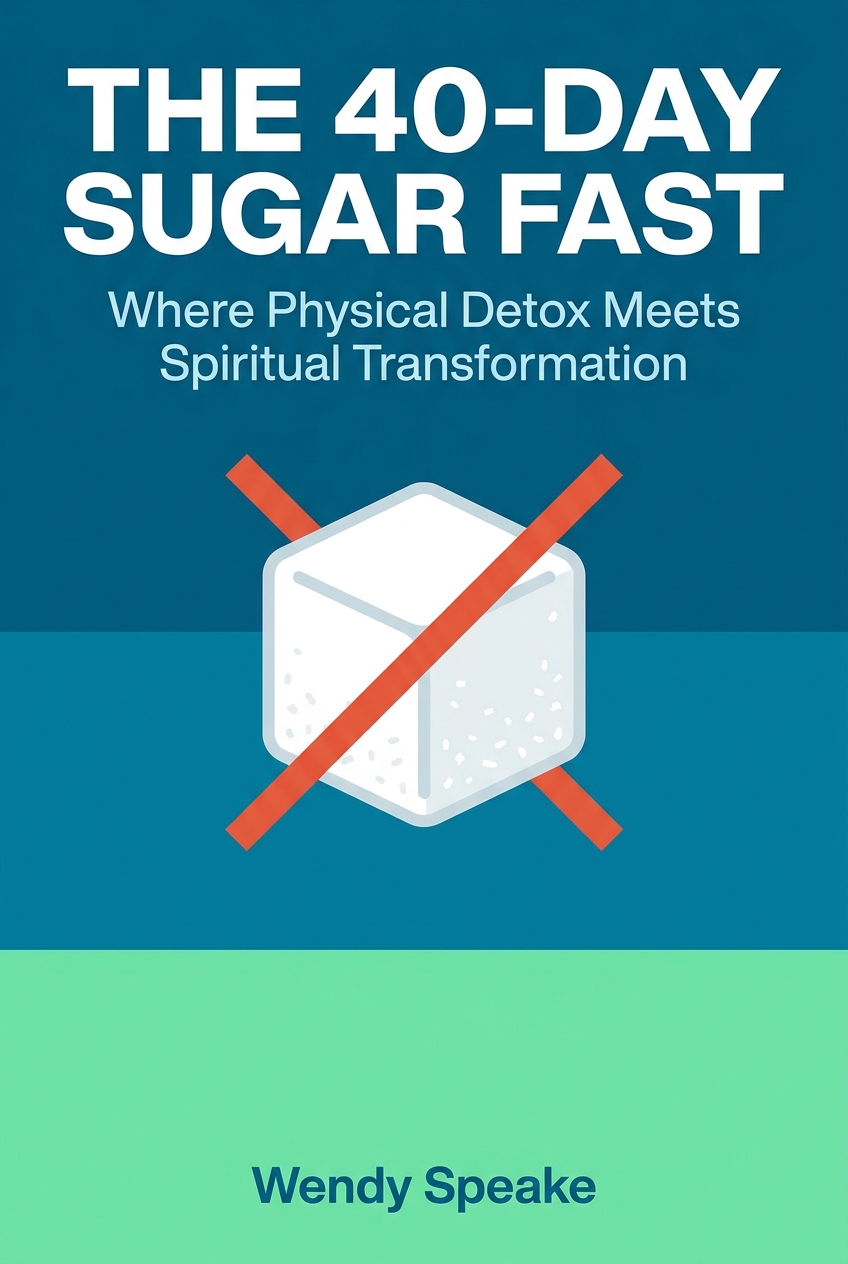
Fasting is an ancient practice found in nearly every culture and religion for reasons that transcend physical health. In The 40-Day Sugar Fast, Wendy Speake explores this spiritual dimension. By intentionally denying a physical craving—whether it's for sugar or for food in general—you create space to examine your true desires and dependencies. Fasting becomes a tool for mindfulness, teaching you to distinguish true physiological hunger from emotional or habitual cravings. This practice can help break cycles of mindless eating and build a more intentional relationship with food and your body.
Practical Intermittent Fasting Tips for a Successful Journey
Knowing the science and the methods is one thing; putting them into practice is another. Here are some actionable tips, drawn from the wisdom of fasting experts, to help you start and sustain your journey.
Start Slowly: You don't have to jump into a 20-hour fast on day one. Start with a 12-hour fast (e.g., 8 PM to 8 AM) and gradually extend your fasting window by an hour every few days as you feel comfortable. This is especially important for intermittent fasting for women over 40, as a gentler approach helps the body adapt without unnecessary stress.
Stay Hydrated: Dehydration can often be mistaken for hunger. Drink plenty of water throughout your fast. Black coffee and tea are also great, but water should be your primary hydrator.
Embrace the 'Delay, Don't Deny' Mindset: Gin Stephens' mantra from Fast. Feast. Repeat. is a powerful tool to prevent feelings of deprivation. Instead of telling yourself 'I can never have that pizza again,' you tell yourself 'I can have it later, during my eating window.' This subtle mental shift makes fasting sustainable in the long term because no foods are off-limits.
Nourish Your Body During Your Feast: The fasting period is only half the battle. What you eat in your window matters. Focus on whole, nutrient-dense foods—protein, healthy fats, and fiber-rich vegetables. This will provide your body with the nutrition it needs and help you feel satisfied and energized.
Listen to Your Body: This is the most important rule. Some days fasting will feel easy; other days it will feel hard. It's okay to adjust your window or break a fast early if you're feeling unwell. Consistency over perfection is the key to long-term success.
In conclusion, intermittent fasting is a powerful and flexible framework for improving health. By delving into the literature from trusted experts, you can replace confusion with confidence. The practice is about creating a rhythm that works with your body's natural biology, unlocking its ability to heal, burn fat, and thrive. You have the tools and the knowledge—the journey starts with your very next meal.
Master key ideas in 15 minutes
Listen to audio summaries of these books on VoxBrief
For most healthy adults, intermittent fasting is generally considered safe. However, it's crucial to consult with a healthcare provider before starting, especially if you have underlying health conditions like diabetes, are pregnant or breastfeeding, or have a history of eating disorders.
Results vary depending on the individual, their chosen method, and consistency. Many people report feeling more energetic and less bloated within one to two weeks, while noticeable weight loss and other health marker changes can take anywhere from four to ten weeks.
The science behind intermittent fasting revolves around hormonal regulation. Fasting lowers insulin levels, which signals your body to start burning stored fat for energy. It also activates a cellular cleanup process called autophagy, which is linked to longevity and disease prevention. The best books about fasting often provide a deep dive into these powerful biological mechanisms.