What Is Memory Improvement? A Guide With Books to Help With Memory
By VoxBrief Team··7 min read
You’re in a conversation, and the name of a person you’ve met a dozen times simply vanishes from your mind. Or maybe it’s the constant, low-grade panic of wondering where you left your keys, phone, or wallet. These moments are universal, but they often leave us with a nagging fear: is my memory failing? The good news is, for most of us, the answer is no. The even better news is that memory isn't a fixed trait you’re born with; it’s a dynamic skill you can develop and strengthen. Understanding what memory improvement is and how to achieve it is the first step toward taking control of your cognitive health. This guide will walk you through foundational principles and powerful techniques, drawing insights from some of the best books to help with memory.
Debunking Myths and Understanding the Brain
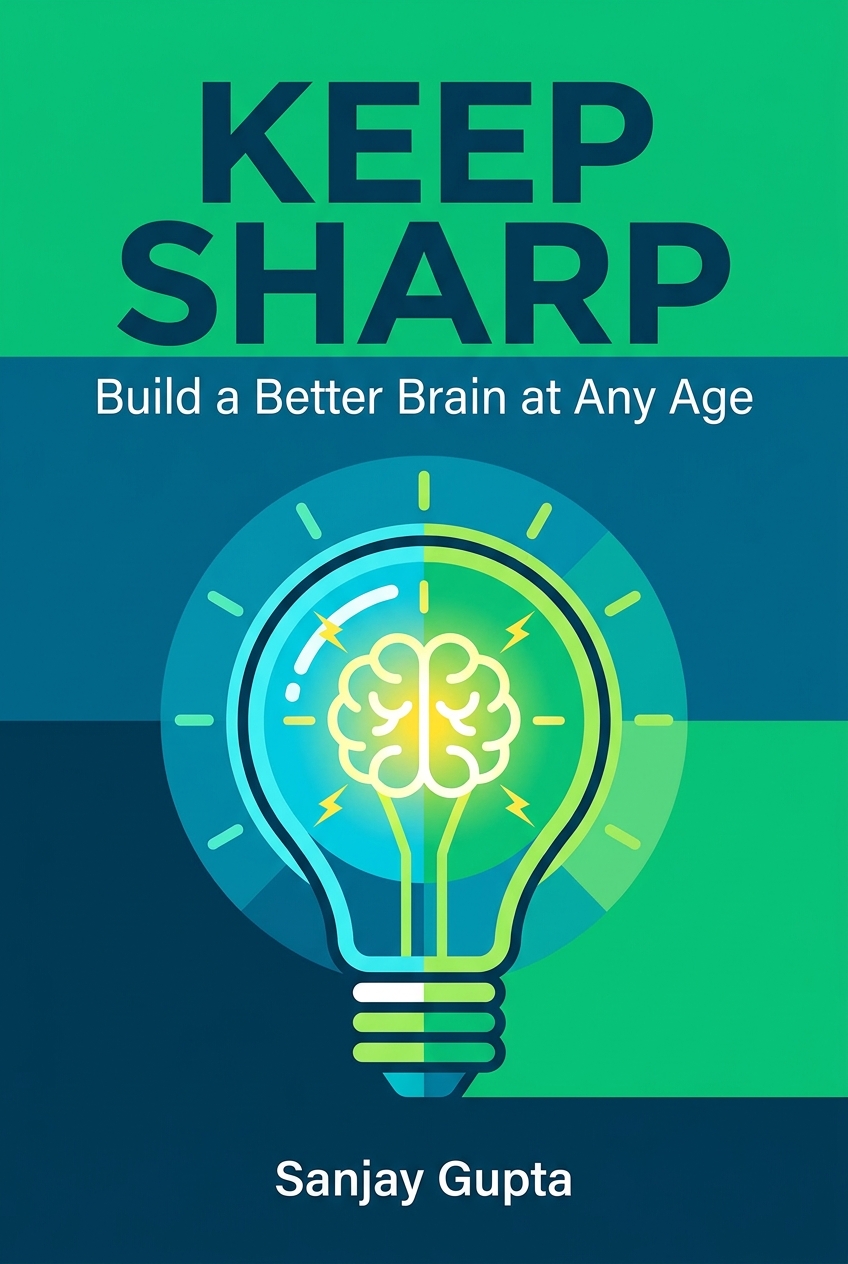
Before diving into techniques, we must clear up some common misconceptions. For centuries, the brain was viewed as a static organ that inevitably declined with age. This fatalistic view can be incredibly disempowering. However, modern neuroscience paints a far more optimistic picture. In his book Keep Sharp, neurosurgeon Dr. Sanjay Gupta demolishes these outdated ideas. He explains that the brain is not a 'black box' destined for decay; it's a remarkably resilient and adaptable organ. This concept, known as neuroplasticity, means our daily actions and habits can physically change our brains for the better, at any age.
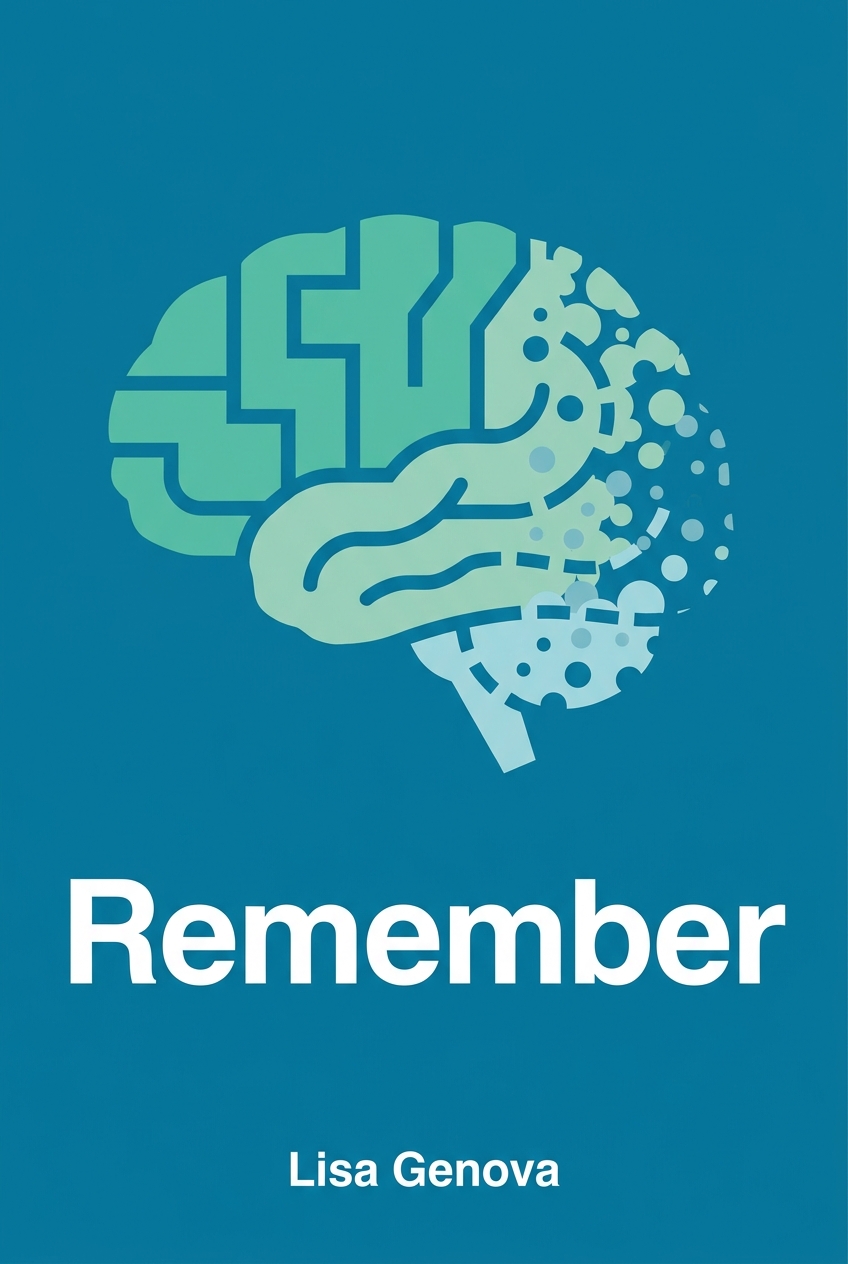
Another pervasive myth is that memory functions like a video recorder, faithfully capturing our experiences for perfect playback. Harvard-trained neuroscientist Lisa Genova addresses this directly in Remember: The Science of Memory and the Art of Forgetting. She explains that memory is a reconstructive process. When we recall an event, our brain isn't playing a file; it’s rebuilding the memory from stored fragments. This is why memories can change over time and why forgetting is not a sign of failure but a normal, and even necessary, brain function.
So, if memory isn't a perfect recording, what is it? At its core, memory function involves three stages:
Encoding: This is the process of converting sensory information (what you see, hear, and feel) into a form the brain can store. The quality of encoding is crucial; a weak impression leads to a weak memory.
Storage: This is where the encoded information is held. Genova simplifies this by explaining memory in three 'buckets' based on duration: memories that last for seconds, minutes to hours, and those that last for days, weeks, or a lifetime.
Retrieval: This is the act of recalling stored information. This is where we often feel the 'glitch' when a name or fact is on the 'tip of our tongue.'
Understanding this process is the foundation of how to build memory improvement. It shifts the focus from a passive hope that things will 'stick' to an active strategy of intentional encoding and retrieval.
Essential Techniques From Books to Help With Memory
Now that we understand the 'what,' we can explore the 'how.' Why is memory improvement important? In a world of information overload, a trained memory provides a significant competitive advantage. It's not just about acing a test; it’s about a professional who can recall client details, a student who learns more efficiently, or simply feeling more confident and present in daily life. Searching for the best books on memory often leads to an overwhelming number of options, but the core principles a few key texts provide are timeless.
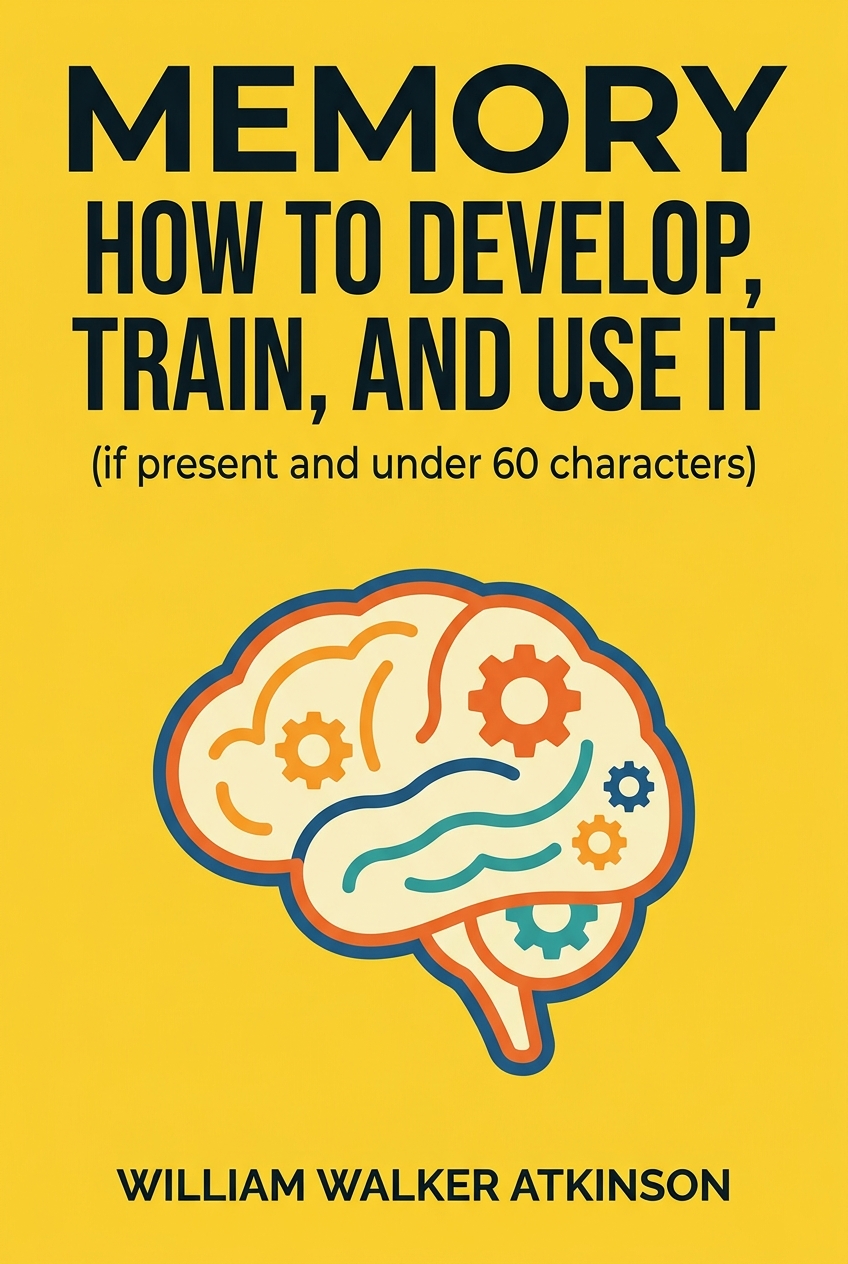
William Walker Atkinson, a pioneer in the New Thought movement, laid out two fundamental laws in his 1909 classic, Memory How to Develop, Train, and Use It. He argued that a powerful memory rests almost entirely on The Art of Attention and The Law of Association. Attention is the 'ear-gate' through which information enters the mind. Without focused attention, the initial impression is too faint to be stored properly. Association is the mind's filing system; it's the process of linking a new piece of information to something you already know, making it easier to find later.
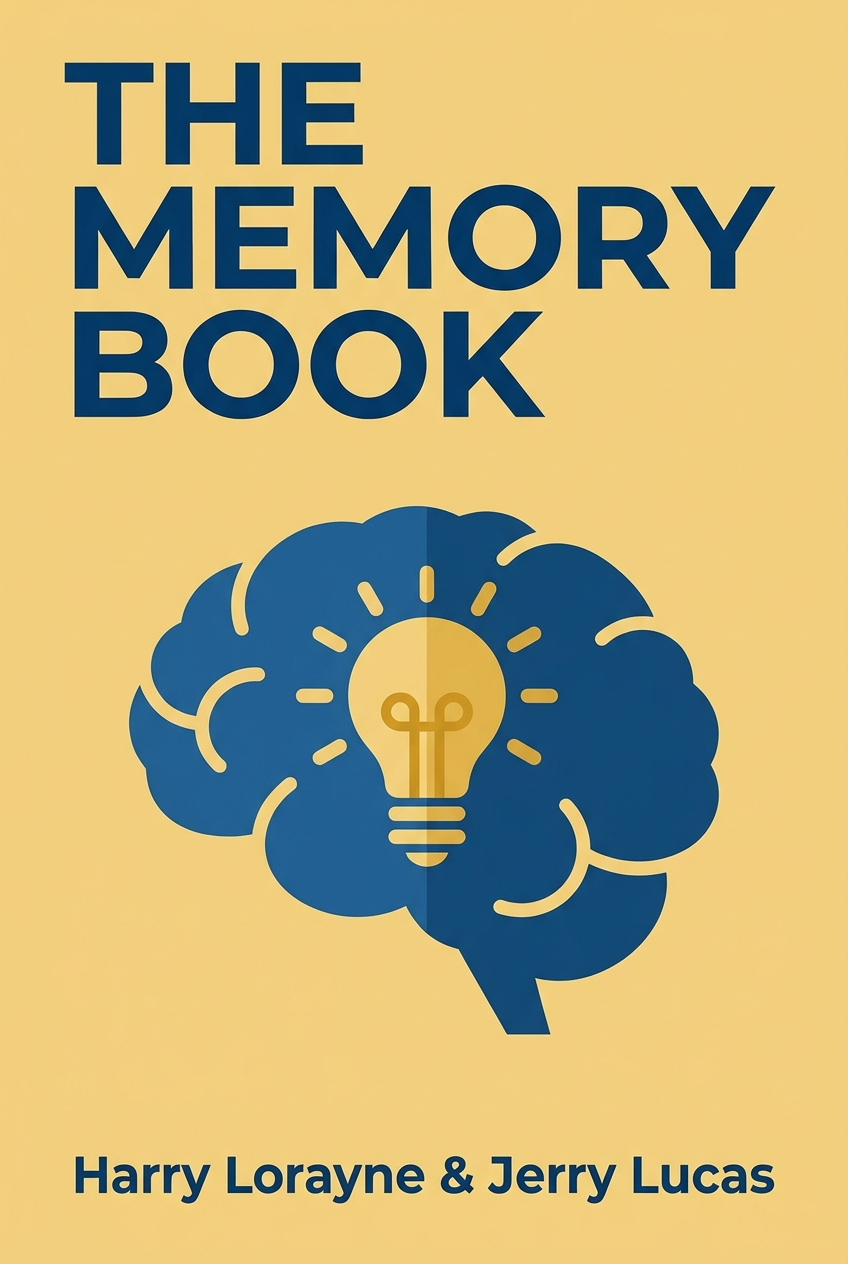
This idea is supercharged in The Memory Book by Harry Lorayne and Jerry Lucas. They insist that effective memory is an active, conscious process. Their systems are designed to force you to apply Atkinson's laws by creating vivid, absurd, and unforgettable connections between pieces of information. The core principle is to take something abstract—like a name or a number—and make it tangible and visual.
Mnemonic Devices and The Link System
Mnemonic devices are the practical application of these principles. They are memory improvement techniques that work by transforming difficult-to-remember information into a format that is much easier to store. One of the most foundational techniques discussed in The Memory Book is the Link System.
Imagine you have to remember a short shopping list: milk, bread, eggs, and bananas. Instead of repeating the words over and over, you create a bizarre story linking them together. Picture a loaf of bread swimming in a giant carton of milk. Then, an enormous egg smashes on top of the bread. Finally, you see a bunch of bananas wearing tiny life jackets, slipping and sliding on the broken egg. The sillier and more vivid the image, the stronger the mental hook. This process forces you to pay attention (encoding) and creates a strong connection between items (association).
The Memory Palace for Structured Recall
The Memory Palace (or Method of Loci) is an ancient technique that scales this idea for larger amounts of information. It's incredibly useful for memory improvement for students preparing for exams or for professionals needing to remember key points for a presentation.
The method involves using a familiar physical location—like your house or your daily walk to work—as a mental filing cabinet. You mentally 'place' the pieces of information you need to remember at specific locations (loci) along your route. To recall the information, you simply take a mental stroll through your palace and 'see' what you left there. Because our brains are exceptionally good at spatial memory, this technique piggybacks on a natural strength.
Brain Training: The "Use It or Lose It" Mandate
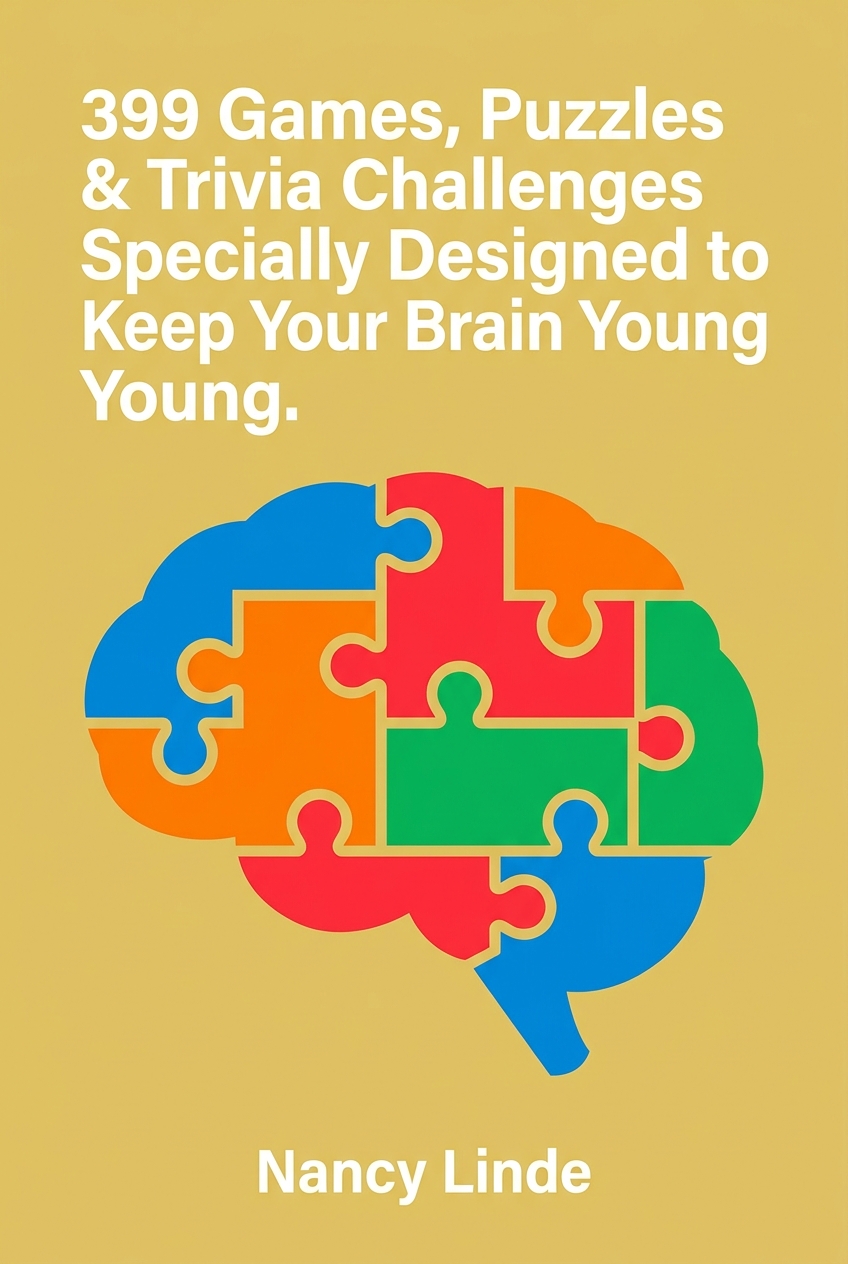
While specific mnemonic systems are powerful, there's also immense value in general cognitive exercise. This is the core premise of Nancy Linde’s 399 Games, Puzzles & Trivia Challenges Specially Designed to Keep Your Brain Young. The book is built on the simple but profound principle of 'use it or lose it.' Just as muscles weaken without use, cognitive functions can decline without regular challenges.
Linde’s work demonstrates that brain training isn’t about mindlessly playing a single game. A balanced mental workout should engage various cognitive domains, such as logic, language, visual-spatial reasoning, and, of course, memory. This could involve anything from solving a Sudoku puzzle to figuring out the fastest route through a grocery store or even learning a few new words in a foreign language. The key is to introduce novelty and challenge to keep your brain engaged and building new neural pathways.
The Power of Spaced Repetition
Spaced repetition is a learning technique based on the psychological spacing effect. In simple terms, we remember information better when we review it multiple times over a long period, with increasing intervals between each review. It's the opposite of cramming. Instead of trying to force information into your brain in one marathon session, you strategically revisit it just as you're about to forget it. This process tells your brain that the information is important and should be moved into long-term storage. Numerous apps and flashcard systems are built on this powerful principle, making it one of the most effective daily memory improvement practices you can adopt.
Building Daily Habits for a Resilient Mind
Knowing memory techniques is one thing; making them a part of your life is another. How do you develop memory improvement into a sustainable habit? The answer lies in shifting from isolated 'tricks' to a holistic lifestyle that supports brain health.
In Keep Sharp, Dr. Sanjay Gupta synthesizes decades of research into a practical framework built on five key pillars for a healthier brain. These are the foundational memory improvement habits that provide the raw materials for a resilient mind:
Move: Physical exercise increases blood flow to the brain and stimulates the growth of new neurons. Even a brisk daily walk can have a profound impact.
Nourish: A diet rich in brain-healthy foods (like those found in the Mediterranean diet) provides the nutrients your brain needs to function optimally.
Rest: Sleep is when your brain clears out toxins and consolidates memories. Prioritizing quality sleep is one of the most effective things you can do for your memory.
Connect: Meaningful social interaction reduces stress and provides mental stimulation, protecting against cognitive decline.
Discover: Challenge your brain with new learning and experiences. This builds cognitive reserve, which is the brain's ability to improvise and find alternate ways of getting a job done when one part is struggling.
These pillars offer a roadmap for memory improvement for beginners and experts alike. You don't have to overhaul your life overnight. As Gupta suggests, start by picking one new, challenging activity and committing just a few minutes a day. Or, as Lisa Genova recommends in Remember, simply choose one moment each day to be fully present and mindful, strengthening your 'attention muscle.'
For memory improvement at work, these habits are invaluable. A well-rested, nourished, and exercised brain is more focused and efficient. Techniques like the Memory Palace or Link System can be directly applied to remembering names of clients, key data points for a report, or the structure of a speech, providing a tangible professional edge.
Ultimately, the journey to a better memory is not about achieving perfection or never forgetting anything again. As we've learned, forgetting is a normal part of how a healthy brain works. The goal is empowerment—knowing you have the tools to remember what truly matters and the ability to actively shape the health and vitality of your mind for years to come.
Master key ideas in 15 minutes
Listen to audio summaries of these books on VoxBrief
It often feels hard because we treat memory as a passive ability rather than an active skill. Building a better memory requires changing habits and consistent practice. As William Walker Atkinson explains in his classic work, it requires deliberate attention and effort, which can be challenging to maintain at first.
Consistency comes from integrating small, daily memory improvement practices into your routine. Start with one technique, like the Link System for your grocery list. Dr. Sanjay Gupta's advice in *Keep Sharp* is to choose one new, challenging activity and commit just a few minutes a day, making it a manageable habit.
While some people may have a natural aptitude, the consensus from experts and various books about memory improvement is that a powerful memory is overwhelmingly a learned skill. Authors like Harry Lorayne and William Walker Atkinson demonstrate that anyone can develop a significantly better memory by learning and practicing specific techniques; it's more about systematic training than innate talent.