All Books
Self-Growth
Business & Career
Health & Wellness
Society & Culture
Money & Finance
Relationships
Science & Tech
Fiction
Topics
Blog
Download on the App Store

If He Had Been with Me

16 minLaura Nowlin

What's it about

Have you ever wondered what your life would be like if you had made just one different choice? If you had stayed close to your childhood best friend instead of drifting apart? This story plunges you into the heart of that very question, exploring a life of what-ifs. You'll follow Autumn and Finn, two teens once inseparable, now navigating high school from opposite ends of the social spectrum. Uncover the unspoken feelings, missed moments, and secret heartaches that defined their separate paths. This is a devastatingly beautiful look at first love, grief, and the tragic consequences of paths not taken.

Meet the author

Laura Nowlin is a New York Times and USA Today bestselling author whose debut novel, If He Had Been with Me, became a TikTok phenomenon and Book of the Year. Drawing from her own small-town upbringing and a deep understanding of adolescent emotions, Nowlin crafts heart-wrenching stories that explore the complexities of first love, friendship, and fate. Her background in English and writing from Missouri State University provides the foundation for her poignant and relatable narratives that resonate deeply with readers worldwide.
Listen Now
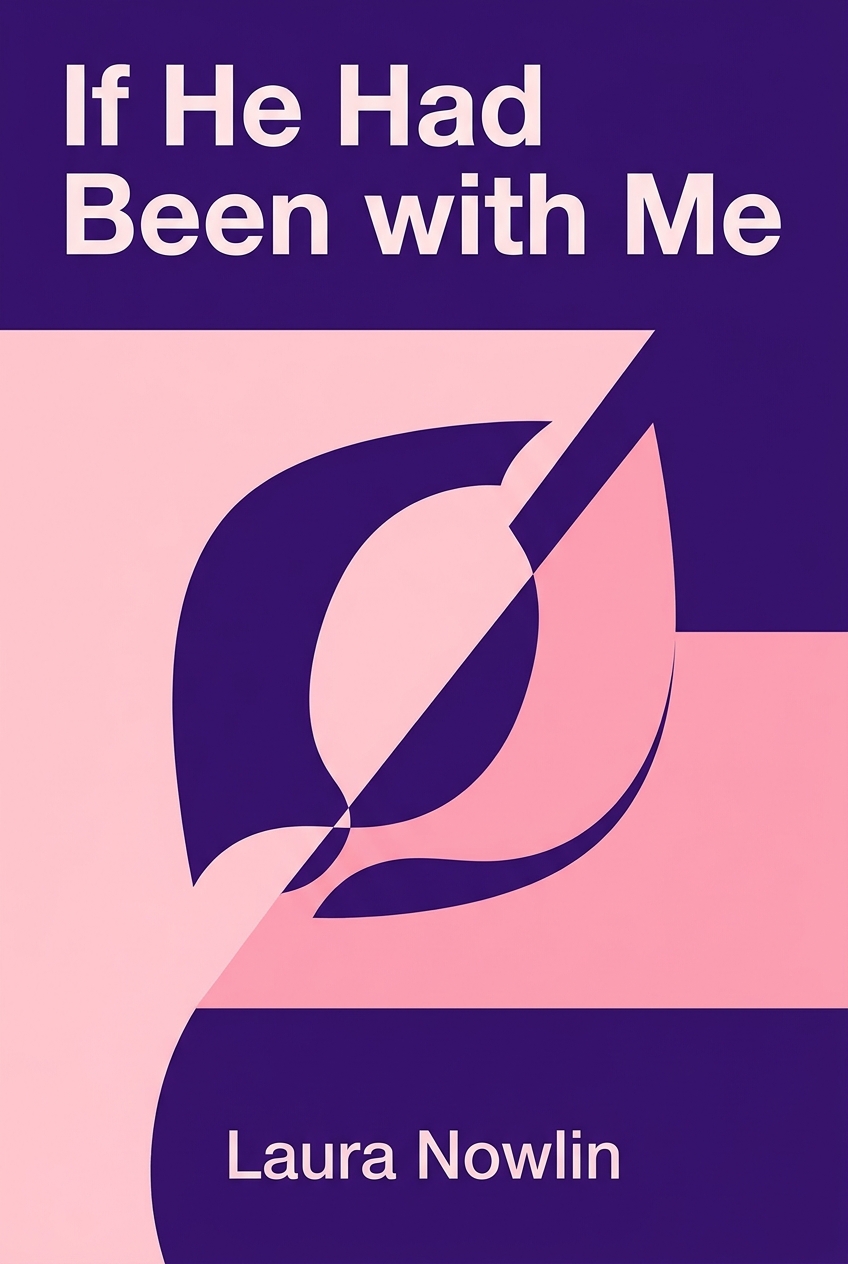
If He Had Been with Me book cover

The Script

Every town has its own constellations, not of stars, but of people. Two kids, born just days apart, who grow up next door, their bedroom windows facing each other like two ends of a private telephone line. Their childhood is a single, shared story—summers spent in the woods behind their houses, winters building forts in the same snow. As they grow, their orbit around each other becomes the gravitational center of their lives. But adolescence introduces new, unpredictable forces. The once-simple path fractures into a thousand different possibilities, each one a tiny deviation—a new friend group, a different party, a word left unsaid. The shared story splits into two separate narratives, running parallel but never quite touching.

This is the quiet heartbreak that can echo for a lifetime: the slow, almost imperceptible drift away from the one person who was supposed to be your constant. It’s the looking back years later, tracing the single, seemingly insignificant moment where everything changed, and being haunted by the question of what might have been. It’s the specific agony of knowing that the person who knows you best is now a stranger, living a life you only see from a distance. The space between those two parallel lives can become a canyon of regret, filled with the ghosts of unspoken feelings and missed chances.

This powerful ache of a love story lost to the currents of growing up is the world Laura Nowlin creates in If He Had Been with Me. Nowlin, who began her career writing for herself before finding a massive audience online, has a unique talent for capturing the interior lives of teenagers with breathtaking honesty. She wrote this book as an exploration of the profound, often tragic, consequences of the choices we make when we're young and the quiet sorrows we carry long after. It’s a story born from the universal feeling of looking at a life-altering event and being tormented by one, simple, impossible thought: if only.

Module 1: The Invisible Walls of Social Identity

In our formative years, our identity feels like a constant negotiation. We are pulled between who we are and who our social circles expect us to be. This book masterfully illustrates how these external pressures can build invisible walls, even between people who were once inseparable.

The story centers on Autumn and Finny. They were childhood soulmates. They did every school project together. They walked home together. Their bond was an accepted oddity in their small world. But then middle school happened. Social dynamics shifted. And here's the first key insight: Social hierarchies demand conformity, often dissolving authentic childhood bonds. Autumn found herself in the popular clique. Finny fell in with a geekier crowd. The change was a slow, silent drift. A series of small concessions to social pressure. Different classes. Different lunch tables. The author calls it "another brick in the wall." This is a critical lesson for anyone navigating team dynamics or company culture. Small, passive drifts away from core relationships can accumulate. Over time, they create major disconnects.

Building on that idea, adolescents often forge new identities in direct opposition to their past selves. This leads to a second core idea: Reinventing yourself is a survival tactic, but it can sever you from your own history. After being pushed out of the popular group, Autumn dyes her hair black. She wears torn dresses and silver boots. She actively embraces the "Weird Girl" persona. It's a conscious choice. A declaration of independence. But this reinvention solidifies the wall between her and Finny, who has adopted a "preppy" look. They now exist in different social ecosystems. For professionals, this is a powerful reminder. When we pivot our careers or rebrand ourselves, we risk losing touch with the foundational relationships and values that once defined us. This reinvention can be empowering. But it also comes at a cost.

So what happens next? These new identities require constant reinforcement from a new tribe. This brings us to a crucial point about belonging. Subcultures provide a sense of identity, but they often replace one set of rules with another. Autumn finds a new group of friends, "The Steps to Nowhere." They are fellow misfits. They celebrate being different. But their non-conformity has its own uniform. Dyed hair. Dark eyeliner. A shared belief that they are better than the "normal" kids. Autumn feels thrilled to finally be herself. But she also recognizes the truth. She is "just conforming in a different way." This is a subtle trap we all face. We might leave a restrictive corporate culture for a "rebellious" startup. But we often find a new set of orthodoxies waiting for us. True autonomy is rare.

Read More