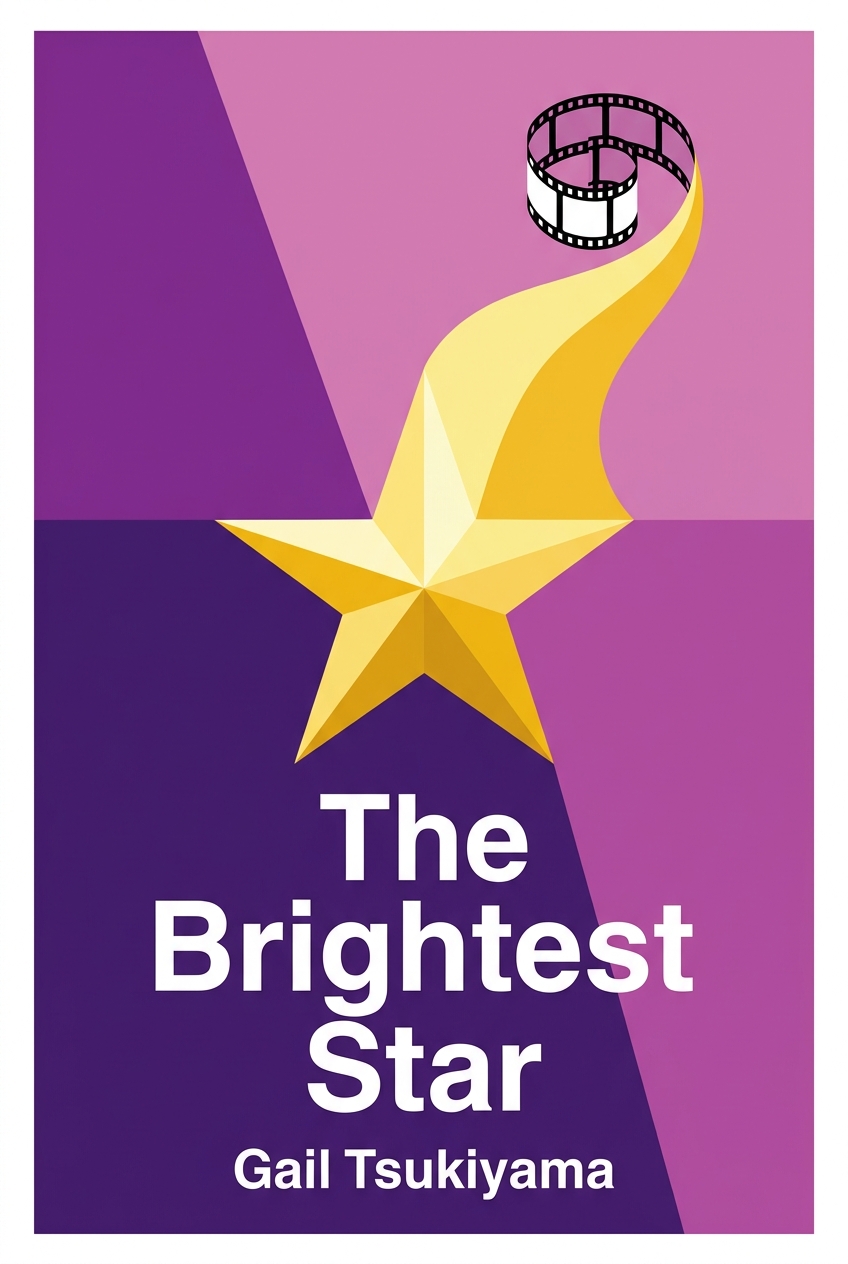
The Brightest Star
A Historical Novel Based on the True Story of Anna May Wong―A Luminous Tale of Hollywood Stardom and Asian American Resilience in the Golden Age of Cinema
What's it about
Ever dreamed of making your mark in a world that tries to box you in? Discover the story of Anna May Wong, the first Chinese American movie star, who battled Hollywood's stereotypes and racism to carve out her own legacy in the Golden Age of cinema. You'll learn how she navigated treacherous studio politics, fought for roles that defied convention, and became a global icon of resilience and style. Uncover the secrets to her unwavering determination and see how her fight for representation continues to inspire artists and dreamers today.
Meet the author
Gail Tsukiyama is the award-winning, bestselling author of ten acclaimed novels, celebrated for her powerful explorations of Asian history, culture, and identity. A third-generation Chinese and Japanese American from San Francisco, Tsukiyama draws upon her own heritage to give voice to underrepresented figures from the past. Her deep connection to the Asian American experience fuels her passion for illuminating stories of resilience and courage, bringing remarkable women like Anna May Wong to life with profound empathy and historical insight.
What's it about
Ever dreamed of making your mark in a world that tries to box you in? Discover the story of Anna May Wong, the first Chinese American movie star, who battled Hollywood's stereotypes and racism to carve out her own legacy in the Golden Age of cinema. You'll learn how she navigated treacherous studio politics, fought for roles that defied convention, and became a global icon of resilience and style. Uncover the secrets to her unwavering determination and see how her fight for representation continues to inspire artists and dreamers today.
Meet the author
Gail Tsukiyama is the award-winning, bestselling author of ten acclaimed novels, celebrated for her powerful explorations of Asian history, culture, and identity. A third-generation Chinese and Japanese American from San Francisco, Tsukiyama draws upon her own heritage to give voice to underrepresented figures from the past. Her deep connection to the Asian American experience fuels her passion for illuminating stories of resilience and courage, bringing remarkable women like Anna May Wong to life with profound empathy and historical insight.
The Script
You've reached the end of the free preview.