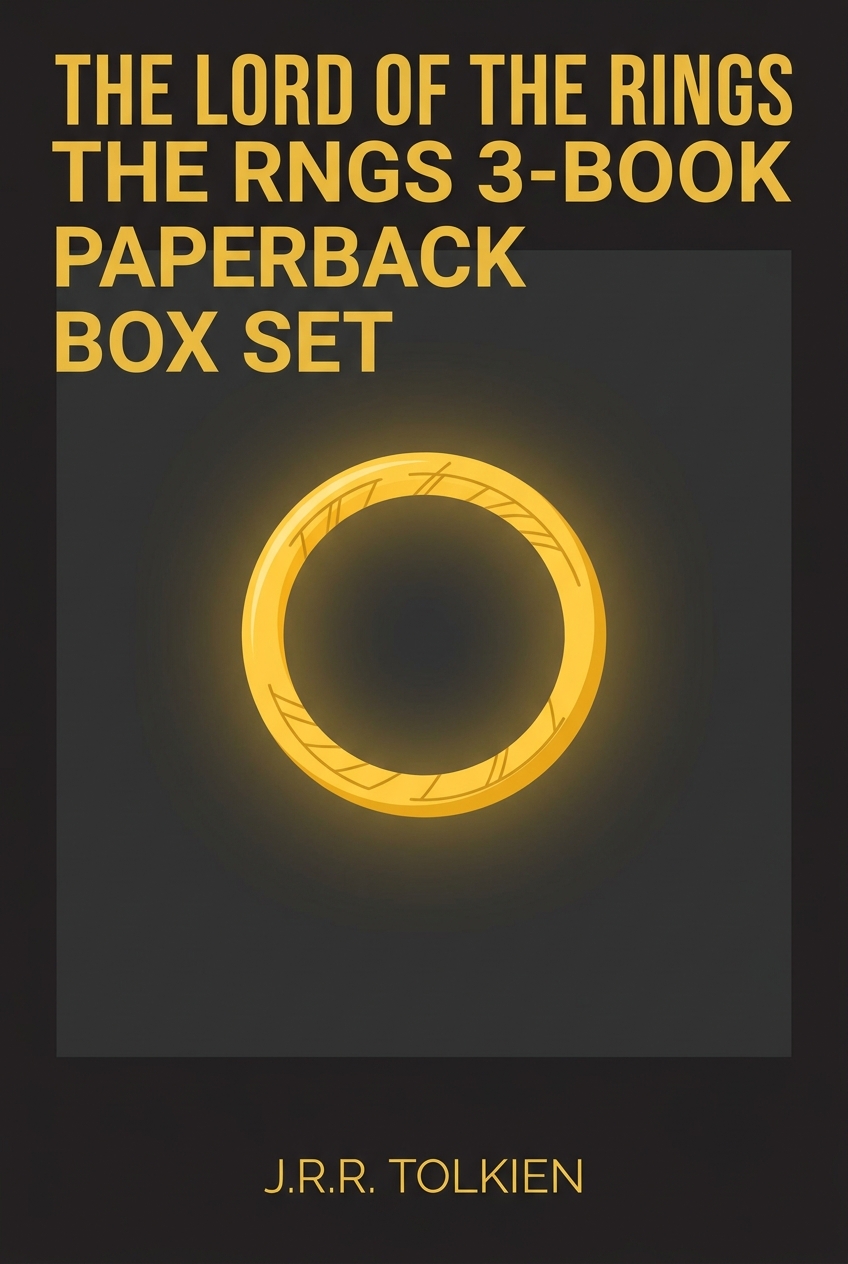
The Lord of the Rings 3-Book Paperback Box Set
What's it about
Ready to discover the ultimate story of good versus evil and the true meaning of courage? This epic fantasy adventure will transport you to a world of hobbits, elves, and wizards, revealing how ordinary people can achieve extraordinary things when faced with impossible odds. You'll journey across the sprawling lands of Middle-earth alongside a small hobbit tasked with an immense burden: destroying a powerful, corrupting ring. Learn why unbreakable friendship, unwavering hope, and selfless sacrifice are the most powerful weapons against the darkest of forces.
Meet the author
John Ronald Reuel Tolkien was a distinguished Oxford University professor of Anglo-Saxon, whose profound knowledge of language, myth, and history formed the bedrock of modern fantasy. His experiences as a soldier in World War I, combined with his academic passions, inspired him to create the richly detailed world of Middle-earth. This legendary realm, with its own languages and lore, became the epic setting for his timeless tales of heroism, friendship, and the struggle between good and evil.
What's it about
Ready to discover the ultimate story of good versus evil and the true meaning of courage? This epic fantasy adventure will transport you to a world of hobbits, elves, and wizards, revealing how ordinary people can achieve extraordinary things when faced with impossible odds. You'll journey across the sprawling lands of Middle-earth alongside a small hobbit tasked with an immense burden: destroying a powerful, corrupting ring. Learn why unbreakable friendship, unwavering hope, and selfless sacrifice are the most powerful weapons against the darkest of forces.
Meet the author
John Ronald Reuel Tolkien was a distinguished Oxford University professor of Anglo-Saxon, whose profound knowledge of language, myth, and history formed the bedrock of modern fantasy. His experiences as a soldier in World War I, combined with his academic passions, inspired him to create the richly detailed world of Middle-earth. This legendary realm, with its own languages and lore, became the epic setting for his timeless tales of heroism, friendship, and the struggle between good and evil.
The Script
You've reached the end of the free preview.