Books on Existentialism
Ever wonder 'what is existentialism' and how its principles apply to your life? This philosophy confronts the big questions of freedom, responsibility, and the search for meaning in a seemingly absurd world. We've compiled a list of must read existentialism books to guide you, offering a clear introduction to the most powerful books about existentialism. These summaries will help you navigate the anxiety of choice and create your own purpose. Curated by the VoxBrief team.
Meditations
Build unshakeable inner peace using the private journal of a Roman Emperor.
- Focus only on what is within your control.
- Treat obstacles not as barriers, but as opportunities for growth.
- Practice living a life of purpose and virtue every day.
Anyone feeling overwhelmed by modern chaos seeking inner peace.
Build unshakeable inner peace using the private journal of a Roman Emperor.
Beyond Good and Evil
Challenge the foundations of morality to create your own values and be truly free.
- Conventional morality is often a convenient story, not an absolute truth.
- To be authentic, you must move 'beyond good and evil'.
- Forge your own values instead of inheriting them from the 'herd'.
Critical thinkers ready to question their deepest assumptions.
Challenge the foundations of morality to create your own values and be truly free.
Man's Search for Meaning
Find unshakable purpose and transform suffering into strength, even in darkness.
- Your primary drive in life is the search for meaning.
- Find meaning through work, love, and courage in suffering.
- You can choose your attitude in any given circumstances.
Individuals facing hardship and searching for resilience.
Find unshakable purpose and transform suffering into strength, even in darkness.
Thus Spake Zarathustra
Break free from the herd to become the master of your own destiny.
- Reject the 'herd mentality' to discover your true self.
- Embrace life's challenges as opportunities for self-overcoming.
- The 'Übermensch' is the ideal of creative and spiritual power.
People tired of conformity who want to unlock their potential.
Break free from the herd to become the master of your own destiny.
The Examined Life
Understand the hidden stories that shape your life and why you feel stuck.
- We unknowingly deceive ourselves in subtle ways.
- Our anxieties often stem from unexamined parts of our past.
- Self-understanding is the key to breaking negative patterns.
Anyone feeling stuck in life patterns they can't explain.
Understand the hidden stories that shape your life and why you feel stuck.
Existential Kink
Turn your biggest frustrations into power by embracing your hidden desires.
- Your life's problems may secretly satisfy an unconscious need.
- Embrace your 'shadow' to stop patterns of self-sabotage.
- Find pleasure and power in your perceived challenges.
Those who keep repeating patterns of self-sabotage.
Turn your biggest frustrations into power by embracing your hidden desires.
Existential Physics
Use hard science to explore life's biggest questions, like free will and time.
- Physics provides a powerful lens on philosophical mysteries.
- Separate scientific fact from speculative fiction about reality.
- Learn what science actually says about the soul and multiverse.
Curious minds who want scientific answers to big questions.
Use hard science to explore life's biggest questions, like free will and time.
Existentialism Is a Humanism
Learn to create your own purpose and live authentically in a world without inherent meaning.
- You are 'condemned to be free' and must choose your own essence.
- Your choices define a vision for all of humanity.
- Embrace radical responsibility for your existence.
Beginners seeking a clear, foundational text on existentialism.
Learn to create your own purpose and live authentically in a world without inherent meaning.
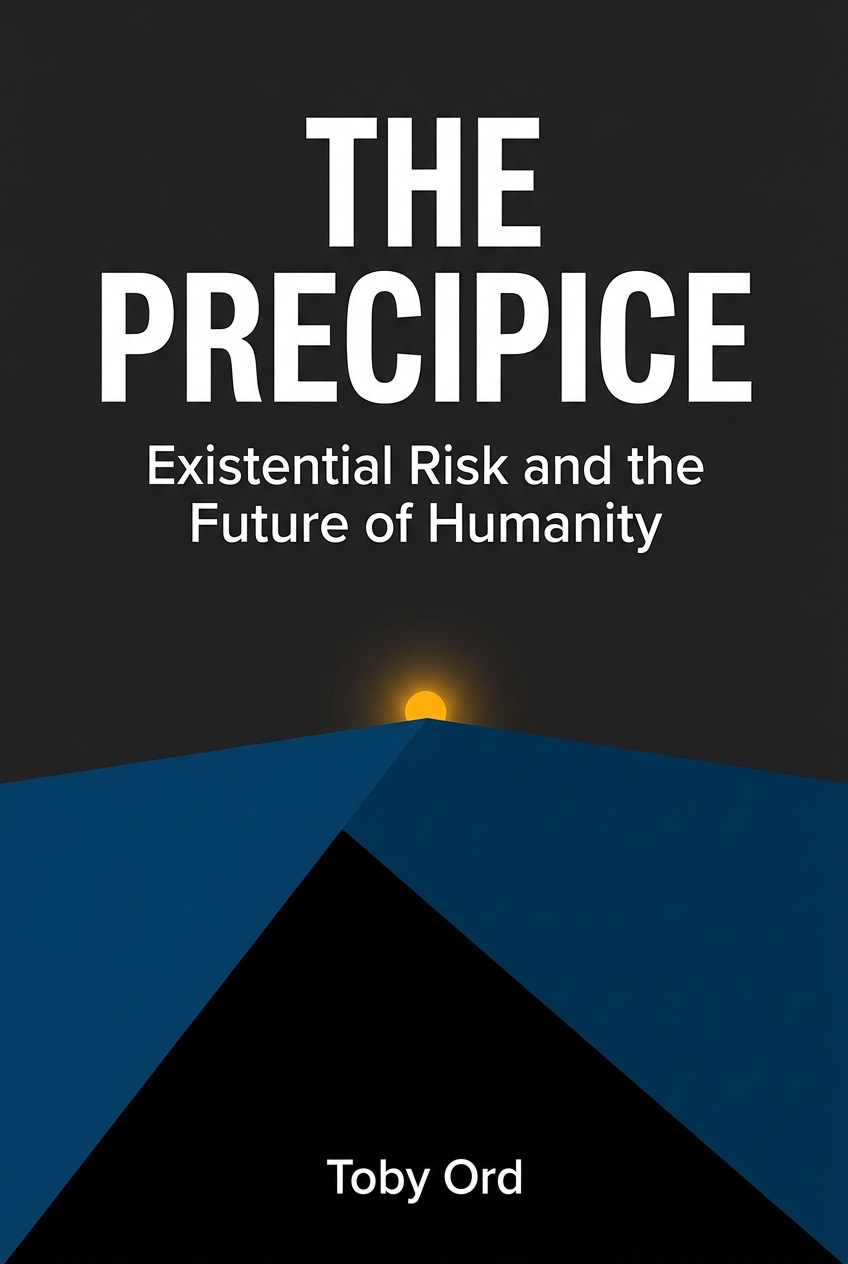
The Precipice
Uncover hidden risks that threaten humanity's future and how to stop them.
- The greatest threats to humanity are often invisible.
- Existential risks include rogue AI and engineered pandemics.
- We can take concrete actions now to safeguard our future.
Globally-minded readers concerned with long-term survival.
Uncover hidden risks that threaten humanity's future and how to stop them.
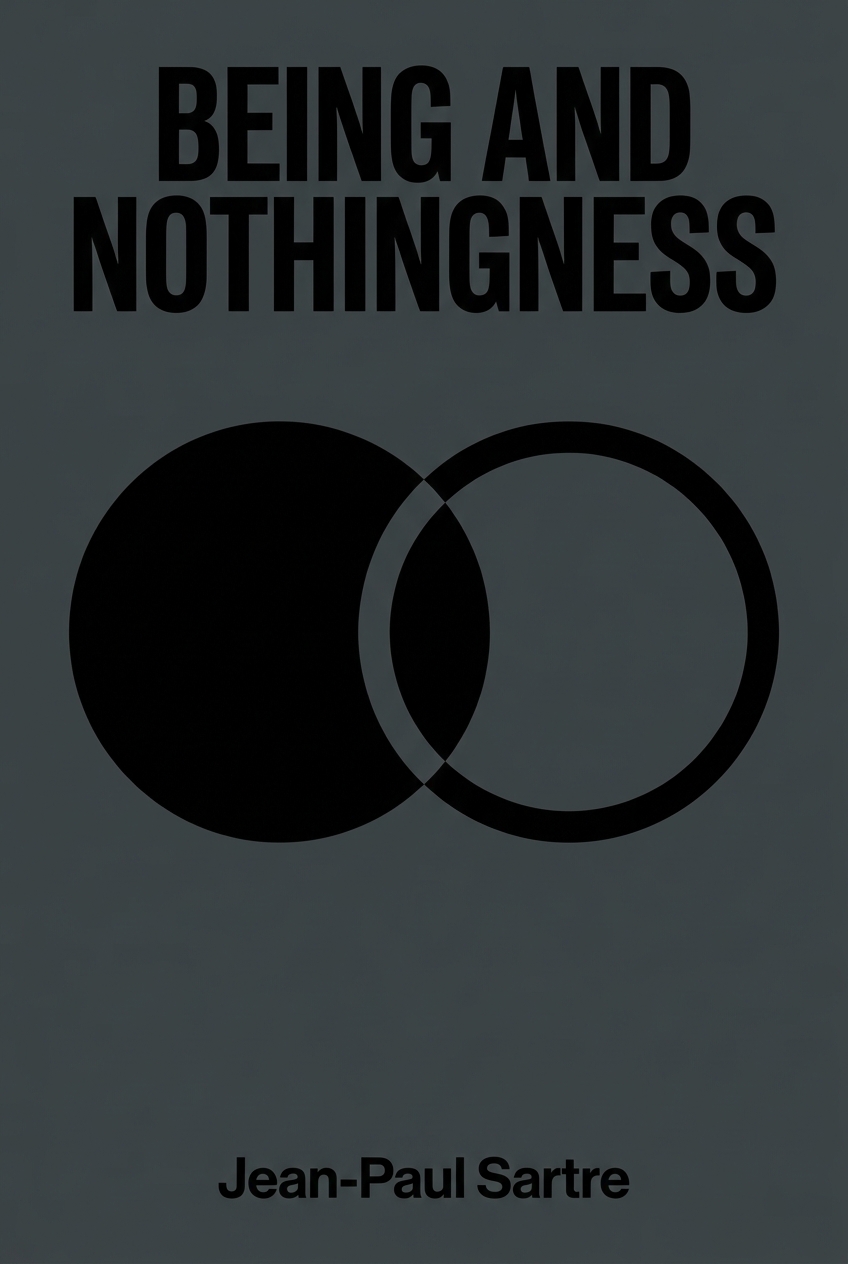
Being and Nothingness
Break free from your past and circumstances by embracing your radical freedom.
- Your consciousness is a source of infinite possibility.
- Escape 'bad faith' by stop making excuses for your life.
- You are the true architect of your own meaning and identity.
Readers feeling trapped by their past or others' labels.
Break free from your past and circumstances by embracing your radical freedom.
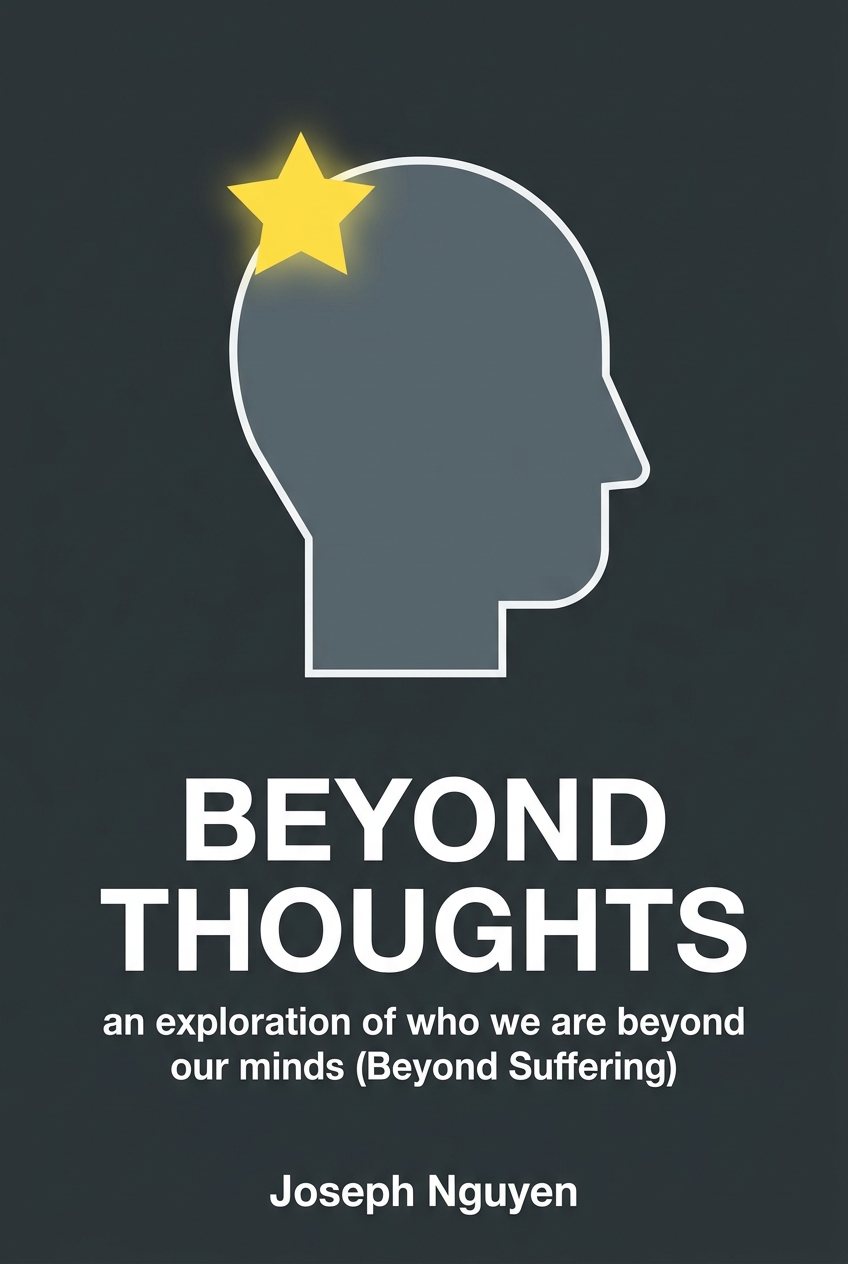
beyond thoughts
Find peace not by controlling thoughts but by understanding their nature.
- Thoughts are temporary and impersonal mental events.
- Your innate well-being exists beyond your thinking mind.
- Freedom comes from seeing thoughts, not engaging them.
Anyone trapped in cycles of anxiety and negative thinking.
Find peace not by controlling thoughts but by understanding their nature.
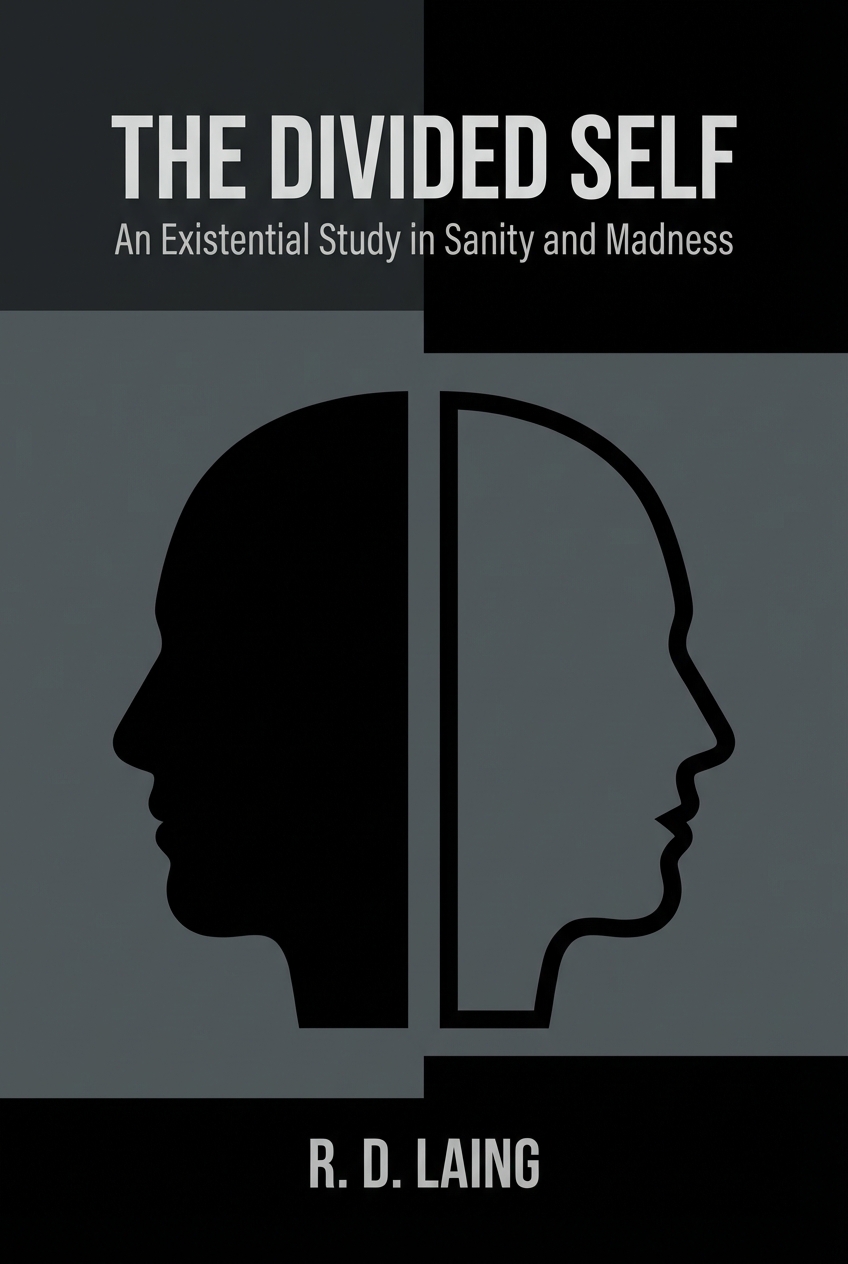
The Divided Self
Explore why people feel unreal and disconnected from their 'true self.'
- A 'false self' is often created to protect a fragile, true core.
- This internal split causes profound anxiety and isolation.
- The pressure to conform can make us feel inauthentic.
People who feel like they are wearing a mask in daily life.
Explore why people feel unreal and disconnected from their 'true self.'
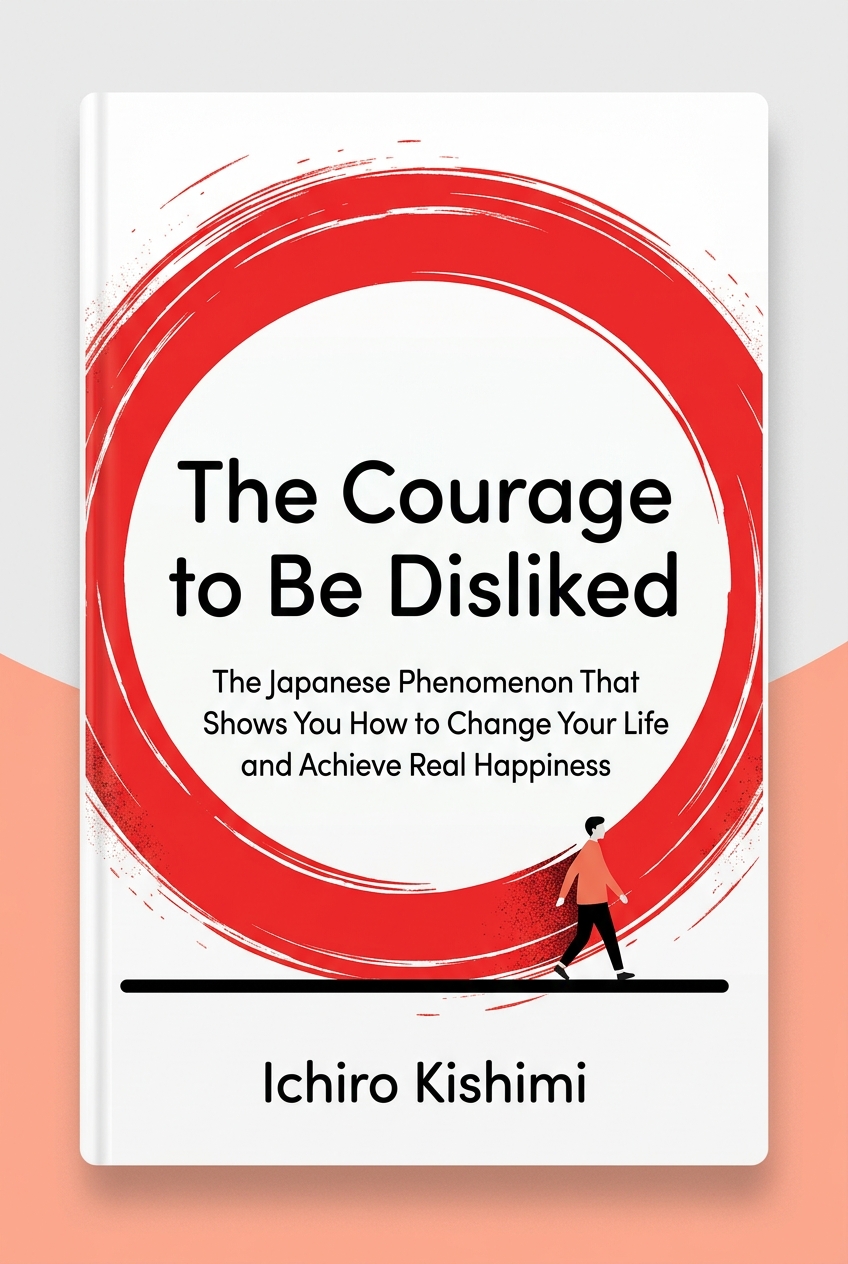
The Courage to Be Disliked
Find happiness by freeing yourself from the need for others' approval.
- Your past trauma does not determine your future.
- Separate your tasks from others' tasks to reduce anxiety.
- True freedom is having the courage to be disliked.
People-pleasers who want to live life on their own terms.
Find happiness by freeing yourself from the need for others' approval.
Frequently Asked Questions
The core ideas of existentialism are radical freedom, personal responsibility, and the search for subjective meaning in a meaningless world. It famously posits that 'existence precedes essence,' meaning you define who you are through your actions, not by a predetermined nature.
Existentialism helps you navigate modern anxieties by focusing on what you can control: your choices and your attitude. It encourages you to live authentically, create your own purpose instead of waiting for one, and take full responsibility for your happiness.
While it has ancient roots, 19th-century philosophers Søren Kierkegaard and Friedrich Nietzsche are considered the fathers of existentialism. In the 20th century, Jean-Paul Sartre, Simone de Beauvoir, and Albert Camus became its most famous proponents.
Nihilism argues that life is without meaning, value, or purpose. Existentialism agrees there is no inherent meaning but argues that this freedom requires us to create our own meaning through our choices. The best existential books explore this creative struggle.