Historical Books
The past is filled with extraordinary tales of courage, betrayal, and resilience. The best historical books transport us to different eras, offering profound lessons from real events and larger-than-life figures. This list of historical books to read dives into everything from Cold War espionage to harrowing survival sagas and pivotal moments that shaped our world. Discover the human stories behind the headlines. Curated by the VoxBrief team.
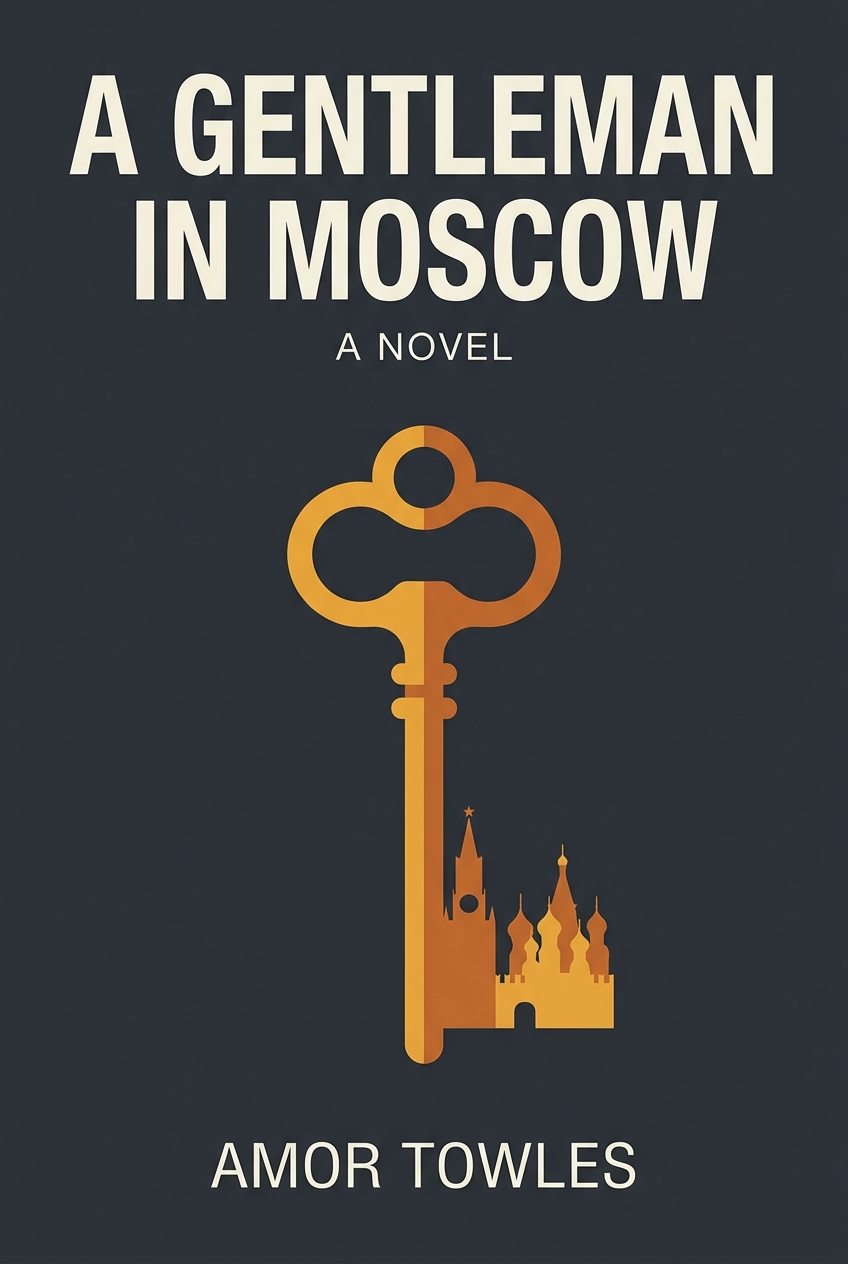
A Gentleman in Moscow
A Russian aristocrat finds purpose while under house arrest in a hotel.
- Cultivate deep friendships and community, even in confinement.
- True liberty and richness come from within, not from external freedom.
- Master the art of living with grace and purpose in any circumstance.
Anyone feeling constrained and seeking to find richness in simple things.
A Russian aristocrat finds purpose while under house arrest in a hotel.
The Frozen River
An 18th-century midwife defies her town to solve a shocking murder.
- Use personal expertise and records as powerful evidence.
- Challenge societal norms to pursue truth and justice.
- The underestimated often see what powerful people miss.
Fans of true crime and stories of determined, unconventional women.
An 18th-century midwife defies her town to solve a shocking murder.
We Were the Lucky Ones
A Jewish family scattered by WWII fights desperately to reunite.
- Family bonds can fuel an unbreakable will to survive against all odds.
- Resilience can manifest in diverse and unexpected ways across continents.
- Hope can persist even in the darkest and most desperate of times.
Anyone looking for a powerful, true story of family and resilience.
A Jewish family scattered by WWII fights desperately to reunite.
Trust
Uncover the competing truths behind a Wall Street tycoon's fortune.
- Official narratives of wealth and power often hide a fabricated truth.
- History is a collection of biased, competing stories, not a single fact.
- Women's contributions have frequently been erased from financial history.
Readers who enjoy literary puzzles and deconstructions of the American dream.
Uncover the competing truths behind a Wall Street tycoon's fortune.
The Spy and the Traitor
A top KGB officer becomes a secret double agent for Britain during the Cold War.
- A person's conscience can motivate the ultimate betrayal of their country.
- Cold War espionage relied on high-risk, low-tech tradecraft.
- Intelligence from a single agent can alter the course of history.
Espionage buffs fascinated by the psychology of treason and the Cold War.
A top KGB officer becomes a secret double agent for Britain during the Cold War.
Endurance
Ernest Shackleton leads his crew through a harrowing Antarctic survival saga.
- Maintain team morale and unshakeable optimism in the face of disaster.
- Manage dwindling resources through ingenuity and absolute fairness.
- Effective leadership is the key to overcoming impossible odds.
Leaders seeking lessons on crisis management and team motivation.
Ernest Shackleton leads his crew through a harrowing Antarctic survival saga.
A Woman of No Importance
A witty play exposing the hypocritical social rules of high society.
- Societal standards are often applied unequally between men and women.
- A person's past does not define their ultimate worth or character.
- Defying unjust expectations and protecting loved ones requires immense courage.
Lovers of classic literature, sharp social commentary, and witty dialogue.
A witty play exposing the hypocritical social rules of high society.
The Demon of Unrest
Discover the political blunders that pushed America into the Civil War.
- Political indecision and hubris can lead a nation to catastrophic conflict.
- The personal dramas of key figures can greatly influence historical events.
- Disaster can often be averted at clear turning points, if they are seized.
History buffs interested in the political machinations of the US Civil War.
Discover the political blunders that pushed America into the Civil War.
How to Test Negative for Stupid
A sharp-witted guide to spotting nonsense and thinking clearly in modern life.
- Use simple rules to identify foolishness in politics, media, and business.
- Argue more persuasively by quickly identifying flawed logic.
- Understand why common sense is an uncommon and valuable commodity.
Anyone tired of political noise and seeking practical tools for clearer thinking.
A sharp-witted guide to spotting nonsense and thinking clearly in modern life.
The Forgotten 500
The untold story of the greatest rescue mission of World War II.
- Impossible rescue missions can succeed with crucial help from local civilians.
- Some of history's greatest stories of heroism remain classified for decades.
- Daring strategies are required when heroes are left behind enemy lines.
Readers of untold WWII stories and tales of incredible, large-scale heroism.
The untold story of the greatest rescue mission of World War II.
The Accidental President
An ordinary man, Harry Truman, confronts the end of WWII and the atomic age.
- Leadership can be thrust upon those who least expect or want it.
- Monumental decisions must often be made under immense, immediate pressure.
- An individual's character and decisiveness can shape the postwar world order.
Those curious about presidential history and pivotal 20th-century events.
An ordinary man, Harry Truman, confronts the end of WWII and the atomic age.
Ghost Soldiers
An audacious WWII raid to save 500 POWs left to die in the Philippines.
- Elite military units can achieve success against overwhelming numbers.
- Local guerrilla support is often the key to successful covert operations.
- Sheer will and raw courage are as important as strategic genius.
Fans of intense military history and high-stakes rescue stories.
An audacious WWII raid to save 500 POWs left to die in the Philippines.
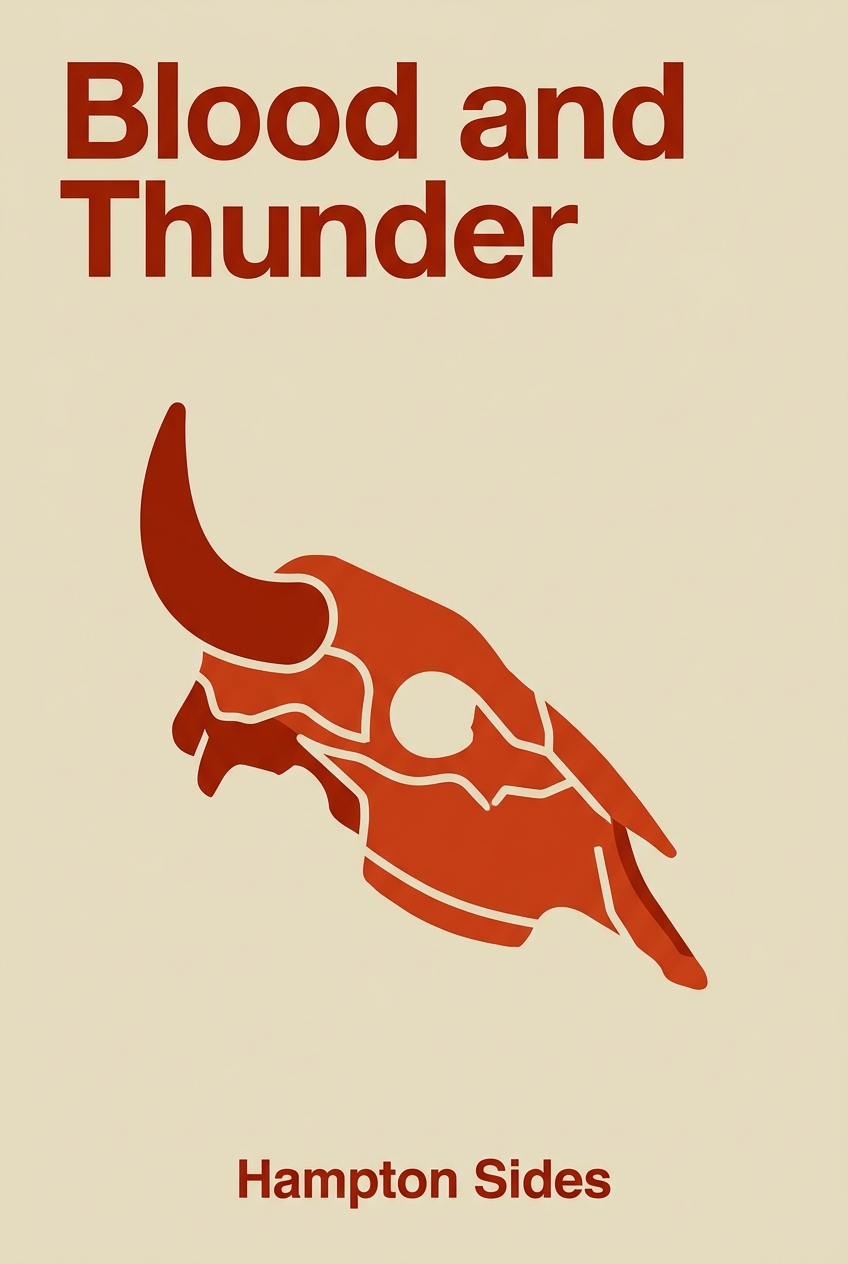
Blood and Thunder
The brutal, unfiltered story of America's westward expansion via Kit Carson.
- The American West was won through complex alliances, betrayals, and violence.
- Kit Carson's controversial life reflects the moral ambiguity of expansion.
- Official histories often sanitize the brutal reality of conquest.
Readers who want the unvarnished, complex history of the American West.
The brutal, unfiltered story of America's westward expansion via Kit Carson.
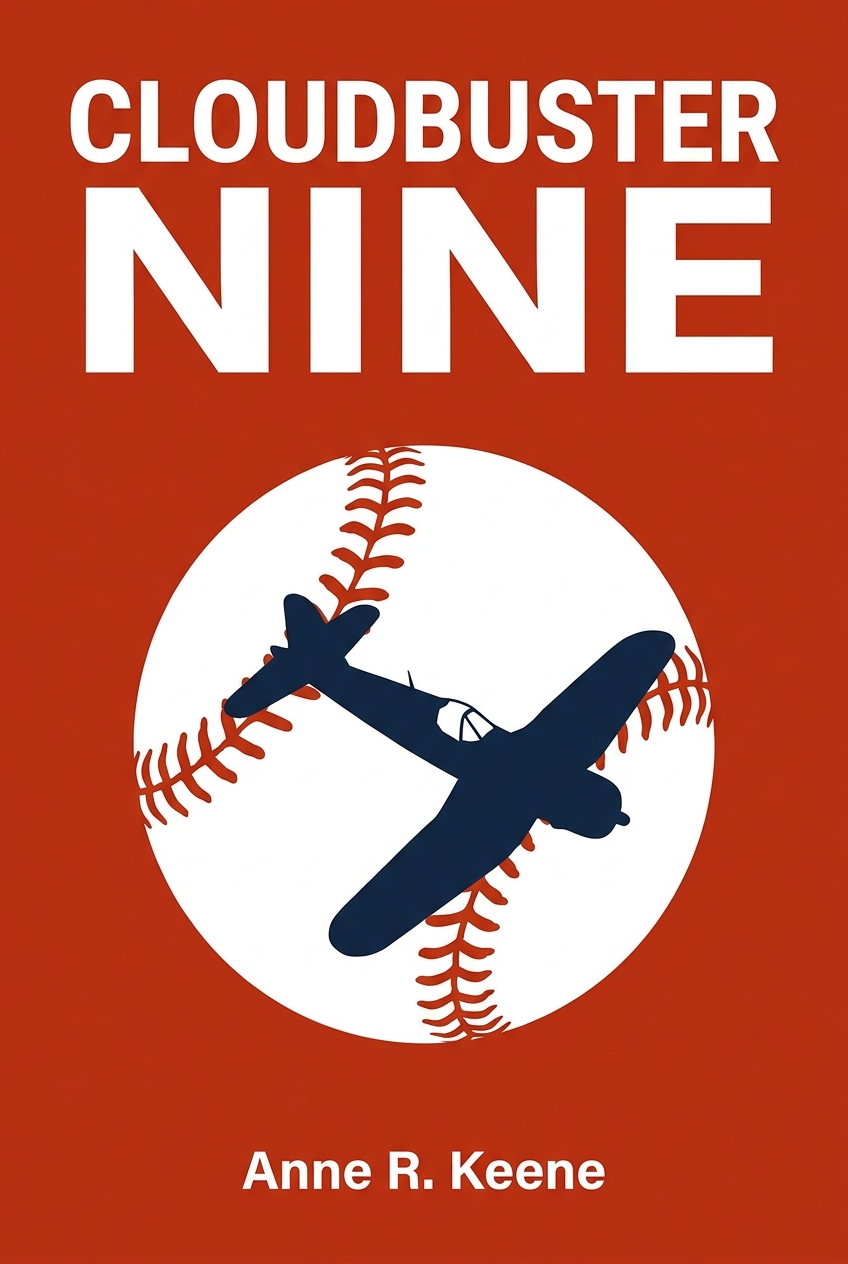
Cloudbuster Nine
How baseball stars like Ted Williams became elite WWII fighter pilots.
- Athletic skills like hand-eye coordination are transferable to military piloting.
- Quick decision-making under pressure is vital in both sports and combat.
- Unique talents can be repurposed for a greater cause during wartime.
Sports fans and WWII buffs interested in unique historical connections.
How baseball stars like Ted Williams became elite WWII fighter pilots.
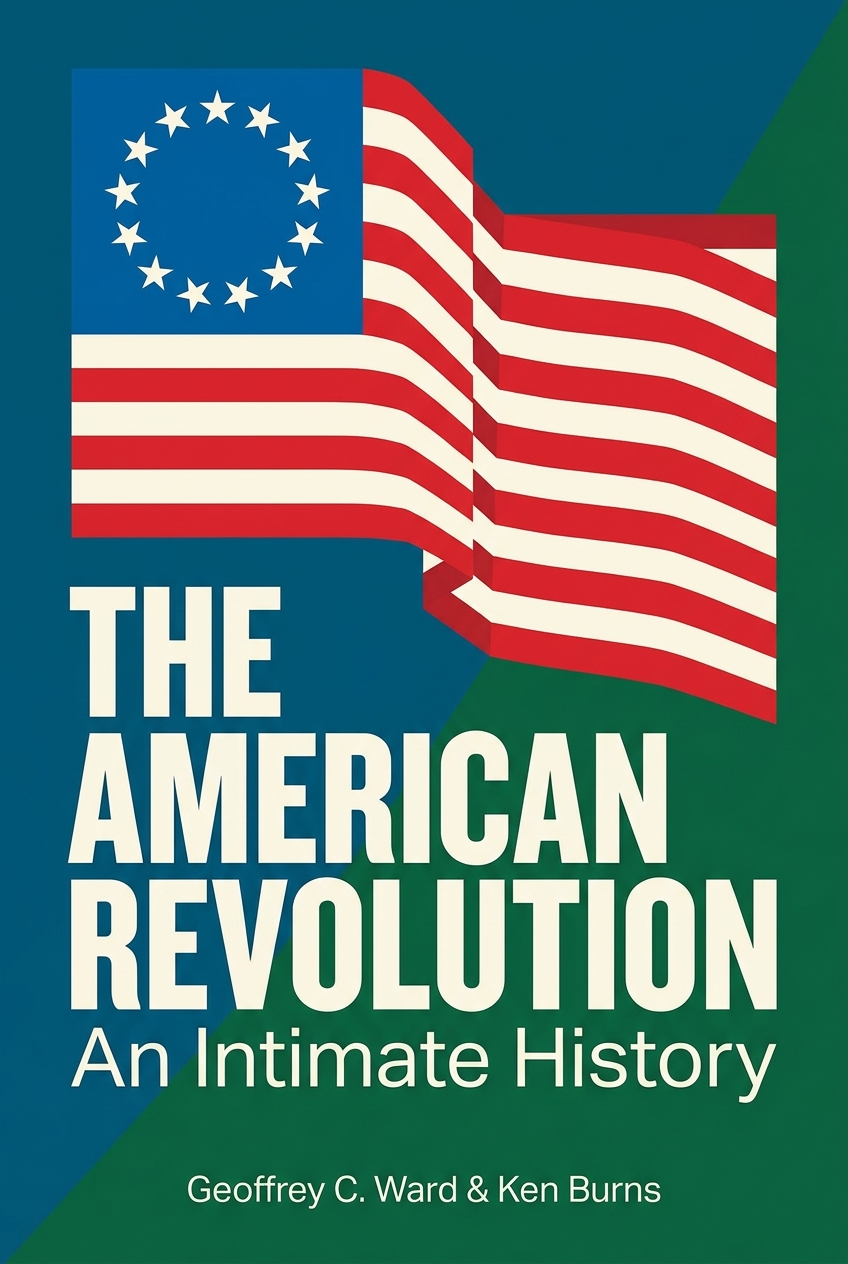
The American Revolution
The real stories of the ordinary men and women who forged a new nation.
- The Revolution was driven by ordinary people, not just the Founding Fathers.
- Personal letters and diaries reveal the messy human drama of history.
- America's fight for independence was filled with internal contradictions.
Anyone wanting a ground-level, human-focused view of the Revolution.
The real stories of the ordinary men and women who forged a new nation.
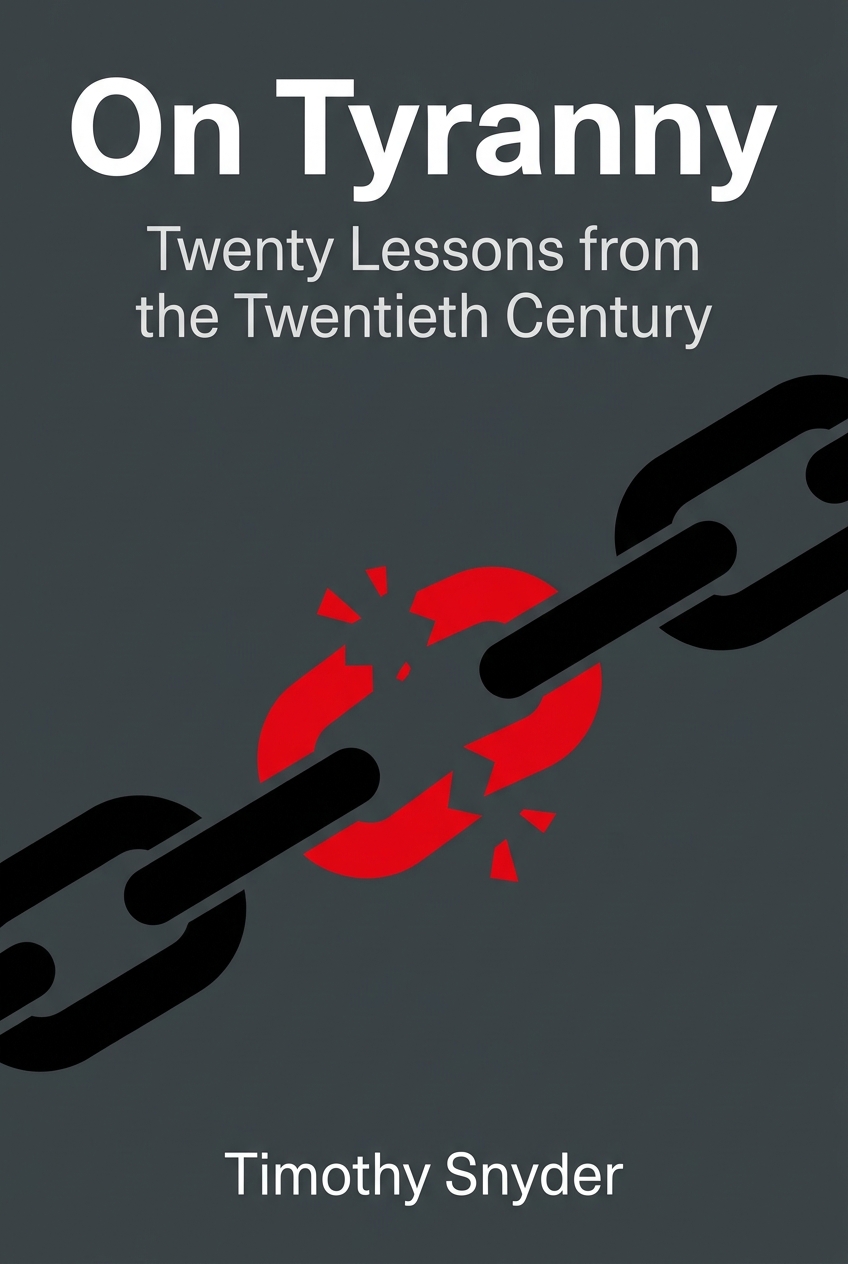
On Tyranny
Twenty powerful lessons from history on how to defend democracy today.
- Authoritarianism provides clear historical warning signs you can learn to spot.
- Small, consistent acts of civic resistance are essential to safeguarding freedom.
- Proactively defending institutions is crucial for a healthy democracy.
Citizens concerned about modern politics and how to protect democracy.
Twenty powerful lessons from history on how to defend democracy today.
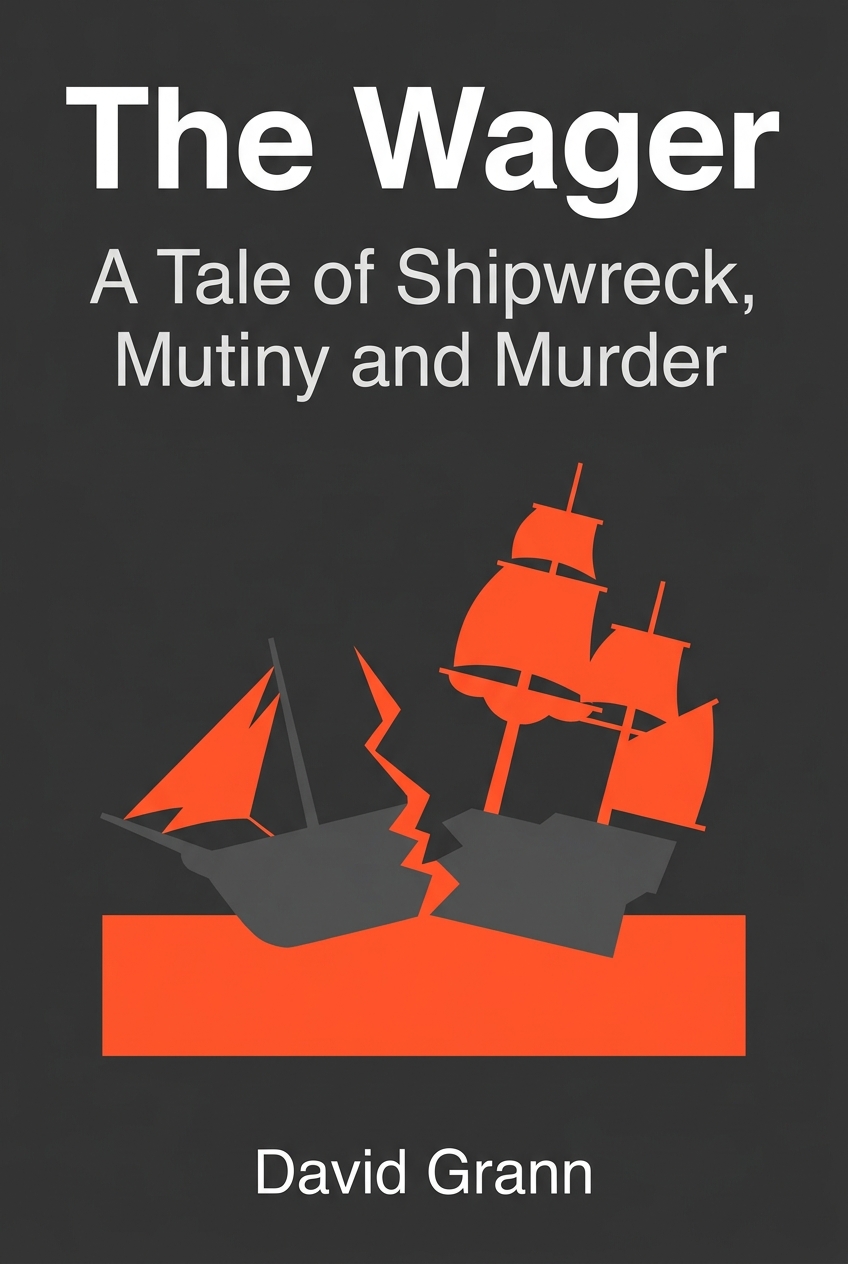
The Wager
Shipwreck survivors tell conflicting tales of survival, mutiny, and murder.
- Extreme survival scenarios test the absolute limits of human morality.
- Official accounts can be elaborate lies designed to cover up horrific crimes.
- Truth is a matter of perspective and who survives to tell the tale.
Readers who love survival stories with a dark, psychological mystery.
Shipwreck survivors tell conflicting tales of survival, mutiny, and murder.
Frequently Asked Questions
A good historical book masterfully blends factual accuracy with compelling storytelling. It should transport you to another time, illuminate the human experiences behind major events, and offer fresh perspectives that challenge your understanding of the past.
For a gripping narrative, start with a Ben Macintyre book like *The Spy and the Traitor*. If you prefer an epic true survival story, Alfred Lansing's *Endurance* is a classic. For a look at pivotal American moments, A. J. Baime's *The Accidental President* is an accessible and thrilling read.
Classic historical works often provide a foundational, comprehensive narrative of major events. Modern historical writing, exemplified by authors like David Grann or Erik Larson, frequently uses a novelistic approach, focusing on a specific, dramatic story to explore a larger historical theme.