Japanese Books
Dive into the profound and beautiful world of Japanese literature and philosophy. This list of the best japanese books offers a rich tapestry of stories, from epic family sagas to quiet, philosophical explorations. Whether you're seeking timeless wisdom, a captivating narrative, or an introduction to japanese concepts like ikigai and shibui, our japanese book recommendations have something for you. Explore tales of resilience, creativity, and the art of living a more meaningful life, one moment at a time. Curated by the VoxBrief team.
Pachinko
A Korean family's four-generation saga of survival and identity in Japan.
- Family ties provide resilience against immense hardship and discrimination.
- Identity can be a source of strength, even when you're an outsider.
- Enduring impossible odds requires love, sacrifice, and perseverance.
Readers who love epic historical fiction and powerful family sagas.
A Korean family's four-generation saga of survival and identity in Japan.
Ikigai
Uncover the Japanese secret to a long, happy life by finding your purpose.
- Your 'ikigai' is where your passion, mission, and profession meet.
- Mastering flow and daily purpose contributes to longevity.
- Apply ancient wisdom to find meaning in modern life.
Anyone seeking a clear framework for finding their life's purpose.
Uncover the Japanese secret to a long, happy life by finding your purpose.
The Creative Act
Learn from a legendary producer how to make creativity a daily practice.
- Creativity is a habit, not a random moment of inspiration.
- Tune into the world around you to find creative signals.
- Play without judgment and cooperate with the work itself.
Artists, writers, and anyone wanting to unlock their creative potential.
Learn from a legendary producer how to make creativity a daily practice.
The Memory Police
A novelist fights to preserve memory on an island where things vanish.
- Memory is essential to identity and our connection to the world.
- The gradual loss of the familiar is a form of quiet terror.
- Small acts of rebellion can preserve humanity against oppression.
Fans of dystopian fiction and surreal, thought-provoking stories.
A novelist fights to preserve memory on an island where things vanish.
The Art of War
Master ancient strategies to win any conflict, often without confrontation.
- The best victory is one won without fighting.
- Know your enemy and yourself to ensure success in any conflict.
- Strategic positioning and timing are more important than brute force.
Leaders, negotiators, and strategists seeking a competitive edge.
Master ancient strategies to win any conflict, often without confrontation.

Sweet Bean Paste
An unlikely friendship reveals how empathy can heal past wounds.
- Simple acts of cooking can hold profound meaning and create connection.
- Listen to the quiet stories of others to learn deep empathy.
- Embracing life's imperfections leads to joy and healing.
Those looking for a heartwarming story about human connection and healing.
An unlikely friendship reveals how empathy can heal past wounds.

1984
A classic warning about a world of total surveillance and mind control.
- Language can be weaponized to control thought and reality.
- Totalitarian regimes rewrite history to maintain power.
- The freedom to think for yourself is the ultimate human right.
Anyone interested in political thrillers and timeless dystopian warnings.
A classic warning about a world of total surveillance and mind control.
The Book of Ichigo Ichie
Learn the Japanese art of making every ordinary moment unforgettable.
- 'Ichigo ichie' means 'one time, one meeting'—cherish the now.
- Practice mindfulness to deepen connections with people and life.
- Don't wait for perfect moments; create meaning in the present.
People who feel they're rushing through life and want to be more present.
Learn the Japanese art of making every ordinary moment unforgettable.

The Vanishing Cherry Blossom Bookshop
A magical Kyoto bookshop helps lost souls rewrite their futures.
- Sometimes you need a special place to heal before moving forward.
- Stories have the power to help us let go of the past.
- Embracing change is the first step toward a new beginning.
Readers seeking a magical, comforting story about healing and new starts.
A magical Kyoto bookshop helps lost souls rewrite their futures.
Silence
Two priests face a crisis of faith in persecuted 17th-century Japan.
- Faith is deeply tested when confronted with extreme human suffering.
- The nature of belief can be complex and filled with doubt.
- God's silence can be a profound and agonizing spiritual question.
Those who appreciate deep philosophical and historical fiction.
Two priests face a crisis of faith in persecuted 17th-century Japan.
Shibui
Discover the Japanese concept of finding beauty and grace in aging.
- Embrace change and imperfection as a source of richness.
- Cultivate tranquility and quiet confidence through simplicity.
- Life can become more meaningful with age, not less.
Anyone seeking a positive and graceful perspective on aging.
Discover the Japanese concept of finding beauty and grace in aging.
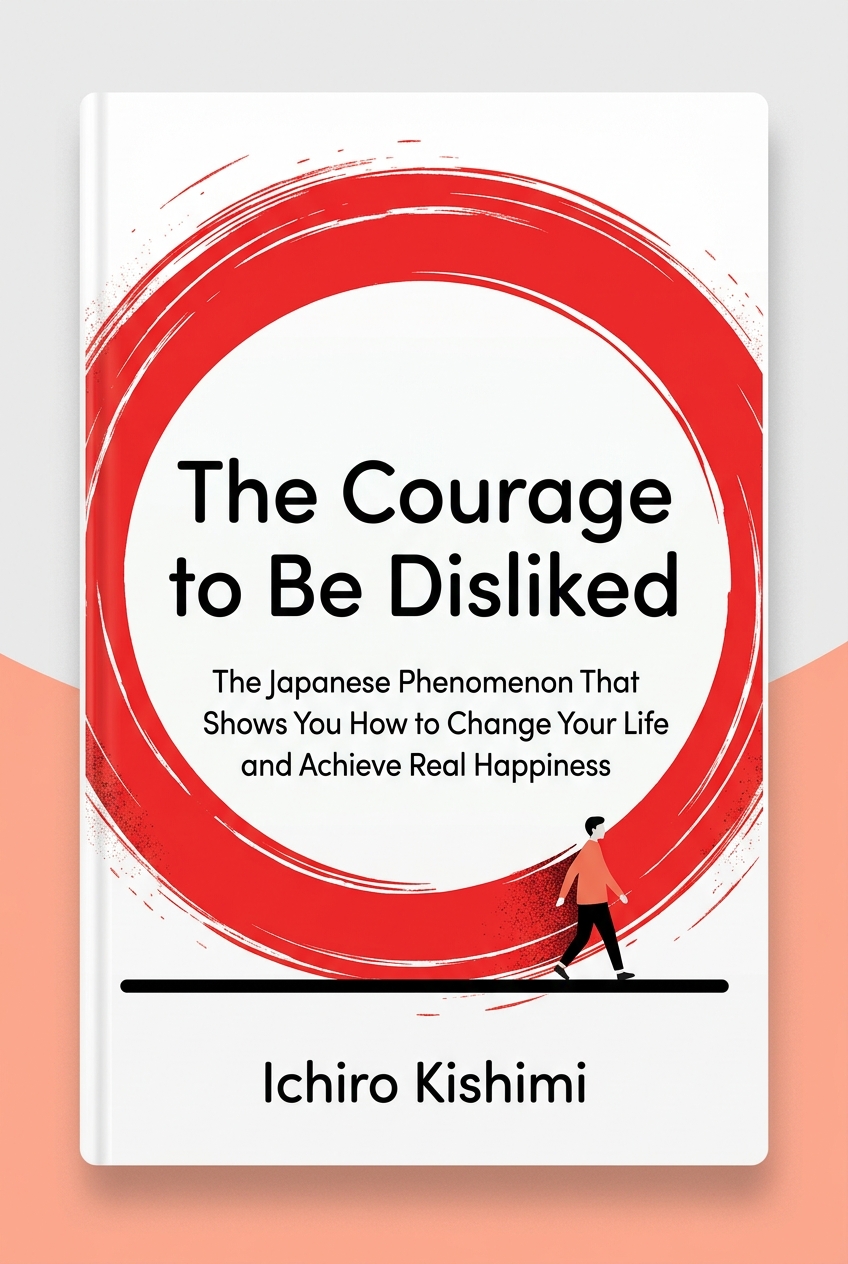
The Courage to Be Disliked
Find freedom by living life without needing the approval of others.
- Separate your tasks from others' to stop worrying what they think.
- Your past doesn't determine your future; you can change right now.
- True freedom is being unconcerned with the expectations of others.
People-pleasers who feel trapped by the expectations of others.
Find freedom by living life without needing the approval of others.
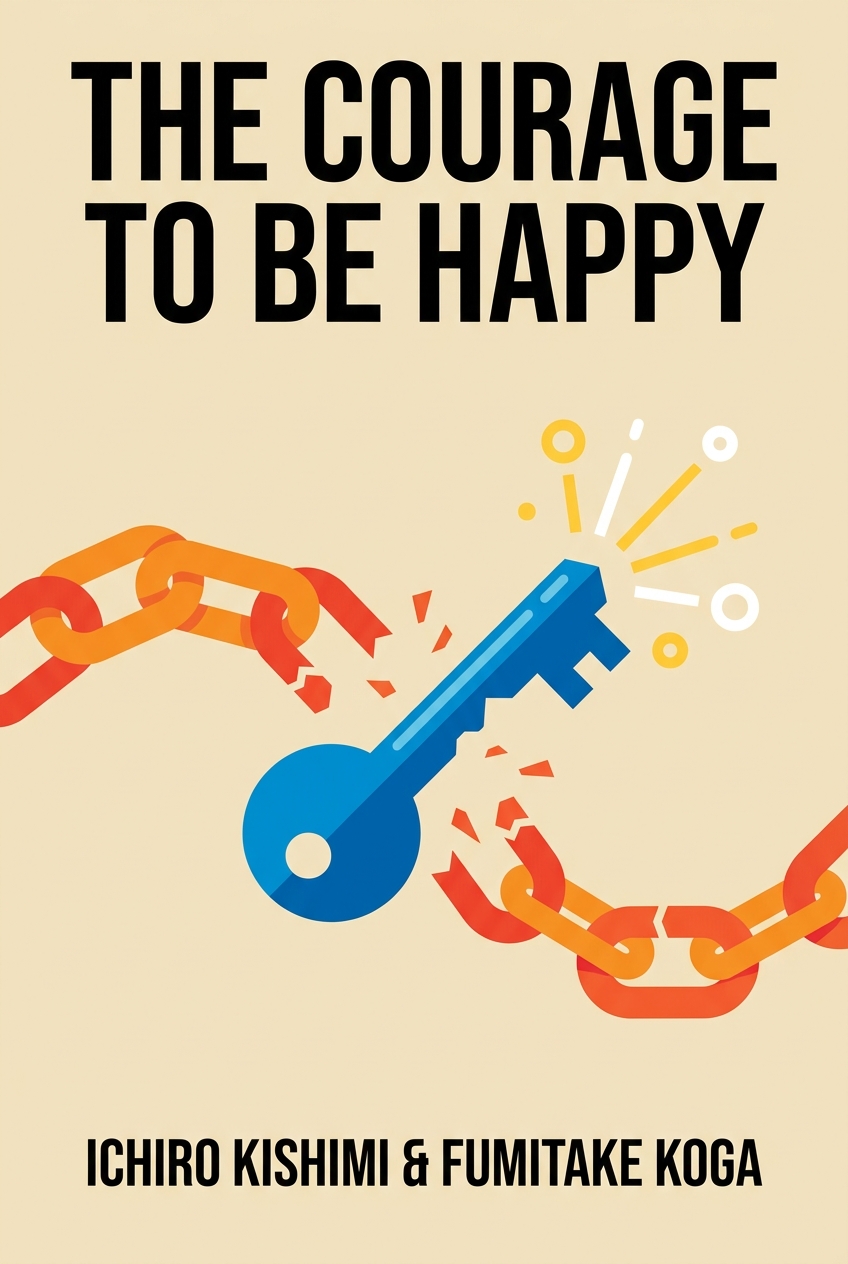
The Courage to Be Happy
Claim your happiness now by breaking free from past trauma and expectations.
- Chasing recognition from others is a self-imposed trap.
- True happiness comes from a feeling of contribution.
- Love is an active task of building a relationship, not a passive state.
Anyone ready to take active responsibility for their own happiness.
Claim your happiness now by breaking free from past trauma and expectations.
Frequently Asked Questions
Reading these books offers a unique window into different perspectives on life, resilience, and beauty. You'll encounter concepts like 'ikigai' (life's purpose) and 'ichigo ichie' (cherishing the moment) that can enrich your own worldview and provide practical wisdom for daily life.
Many works explore the tension between tradition and modernity, the beauty of impermanence, and a deep connection to nature. You'll also find themes of honor, duty, finding meaning in simplicity, and quiet introspection, often presented with elegant and precise prose.
While many titles here are by Japanese authors like Yoko Ogawa and Durian Sukegawa, some are written by Western authors exploring Japanese concepts. For example, 'Ikigai' was written by Héctor García and Francesc Miralles to introduce this powerful philosophy to a global audience.
Not at all. These books are chosen for their universal themes of love, loss, purpose, and resilience that resonate with readers everywhere. They serve as an excellent introduction to Japanese culture and thought, accessible to anyone with a curious mind.