Naomi Klein Books
Explore our complete guide to Naomi Klein books. Known for her incisive naomi klein writing style and deep research, Klein connects the dots between capitalism, climate change, and disaster politics. This naomi klein book list will give you a clear overview of her key arguments, from *No Logo* to her latest work on the climate crisis, helping you understand her groundbreaking career. Curated by the VoxBrief team.
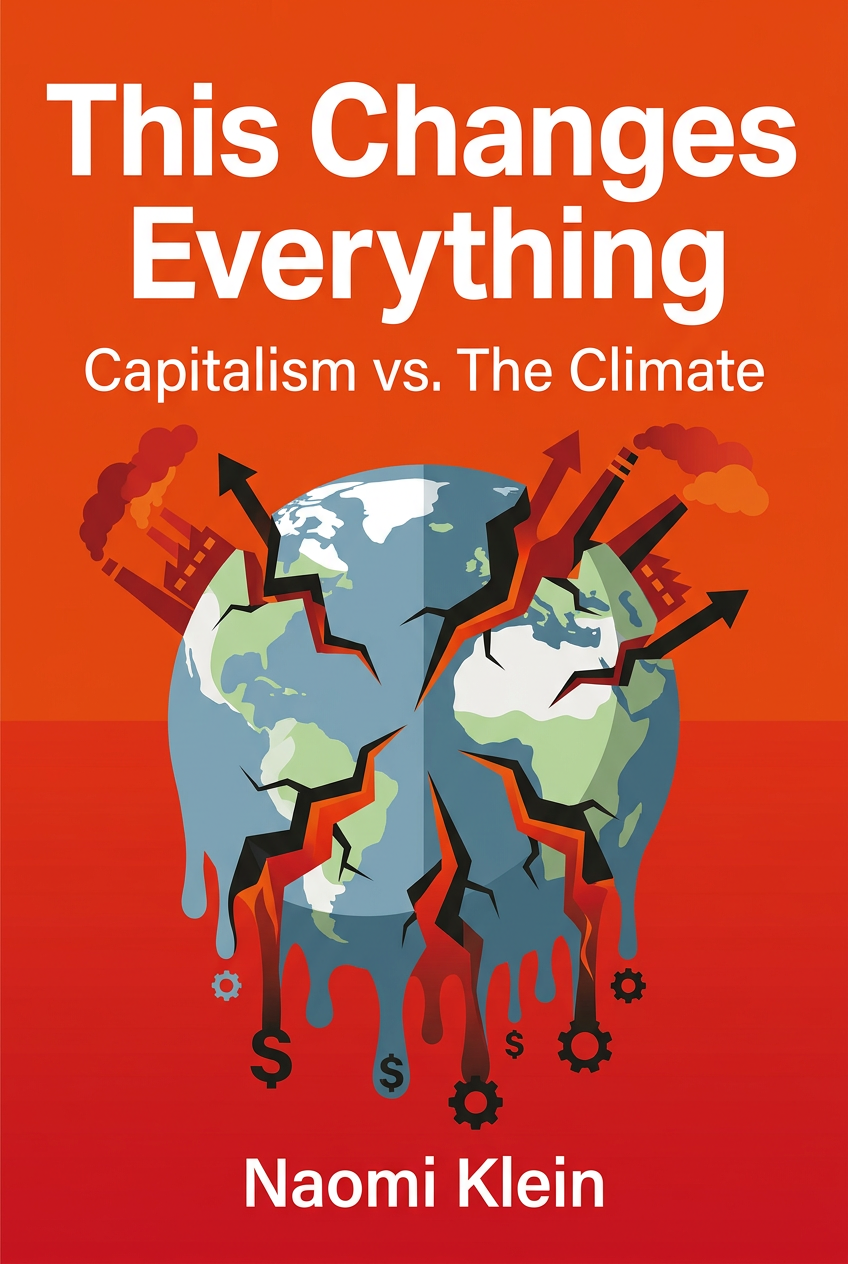
This Changes Everything
Learn why our economic system is at war with our planet's survival.
- Meaningful climate action is impossible under current free-market capitalism.
- Individual actions are insufficient; systemic economic change is required.
- Grassroots movements are leading the essential fight for a livable future.
Anyone feeling that small eco-actions aren't enough to solve the climate crisis.
Learn why our economic system is at war with our planet's survival.
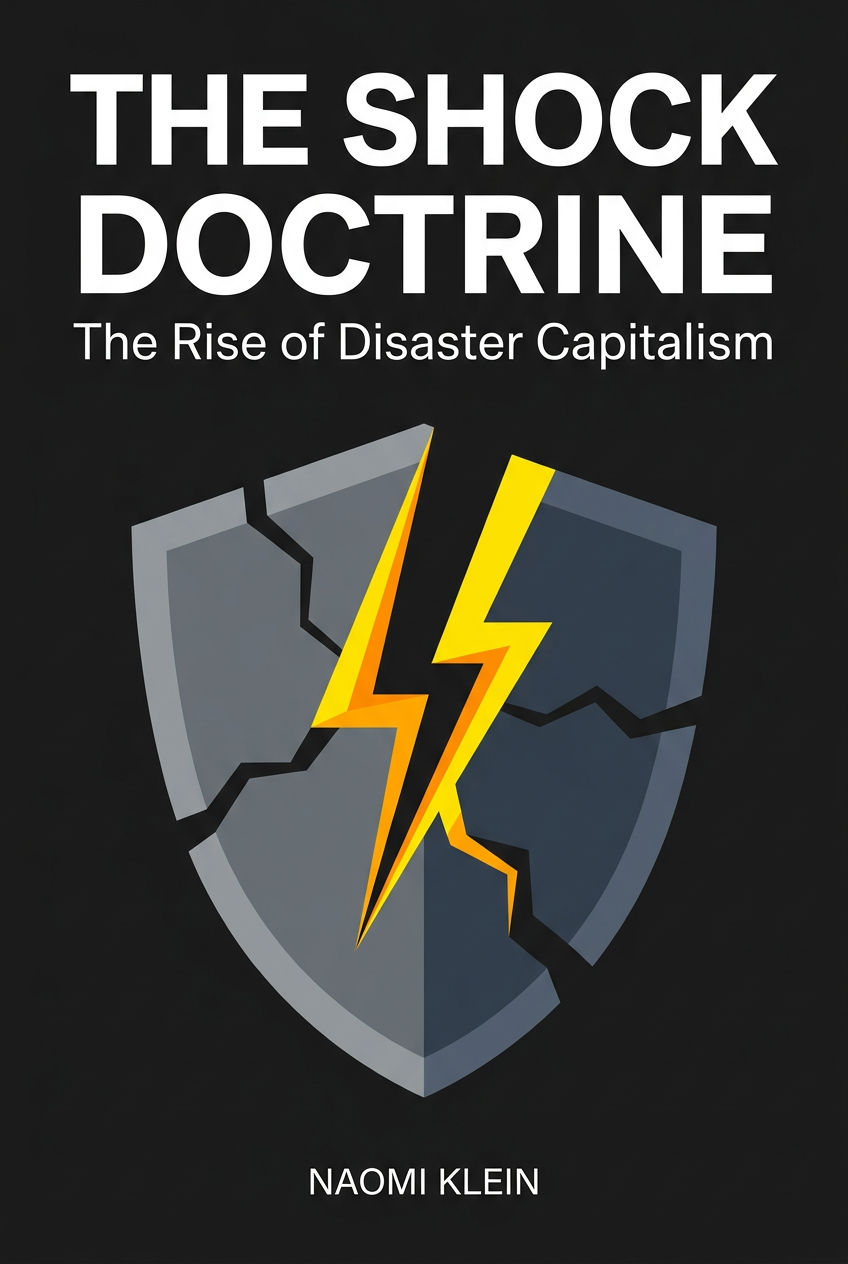
The Shock Doctrine
Uncover how crises are exploited to push radical free-market policies.
- "Disaster capitalism" uses collective trauma to implement unpopular reforms.
- The process involves a three-step playbook: shock, economic "shock therapy," and corporate state.
- This strategy has been used globally, from Chile to post-Katrina New Orleans.
Activists and citizens curious about the politics behind global crises.
Uncover how crises are exploited to push radical free-market policies.

No Is Not Enough
Learn to move beyond opposition and build a positive vision for the future.
- Resisting "shock politics" requires more than just saying "no."
- The powerful use personal branding and spectacle to distract and divide.
- A proactive, unifying vision like the Leap Manifesto offers a path forward.
Activists and voters feeling overwhelmed by today's chaotic political landscape.
Learn to move beyond opposition and build a positive vision for the future.
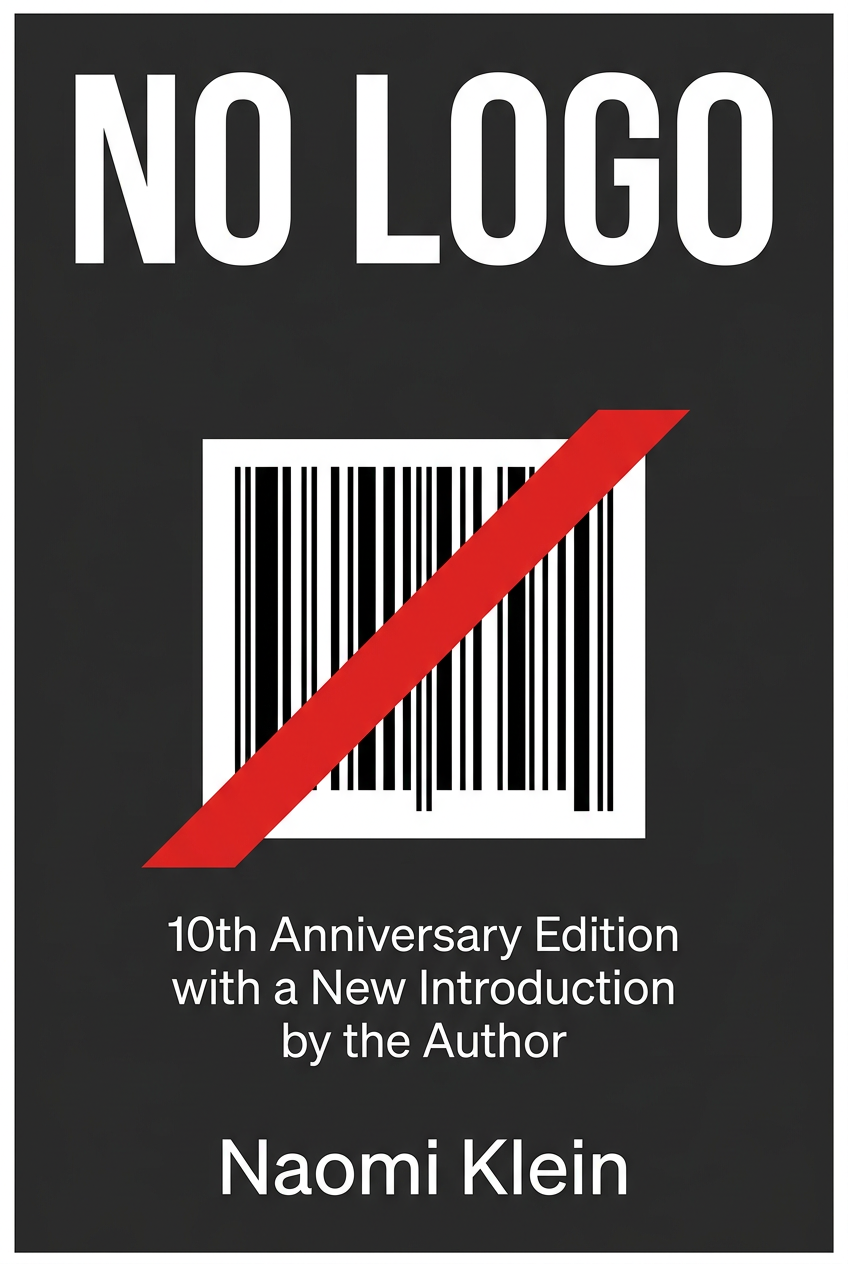
No Logo
Discover how corporations sell lifestyles, not products, by branding culture itself.
- Companies shifted focus from manufacturing goods to cultivating brand images.
- This "branding" has colonized public space and cultural expression.
- The strategy relies on outsourcing labor, creating exploitative sweatshop conditions.
Consumers curious about brand power and the anti-globalization movement's origins.
Discover how corporations sell lifestyles, not products, by branding culture itself.
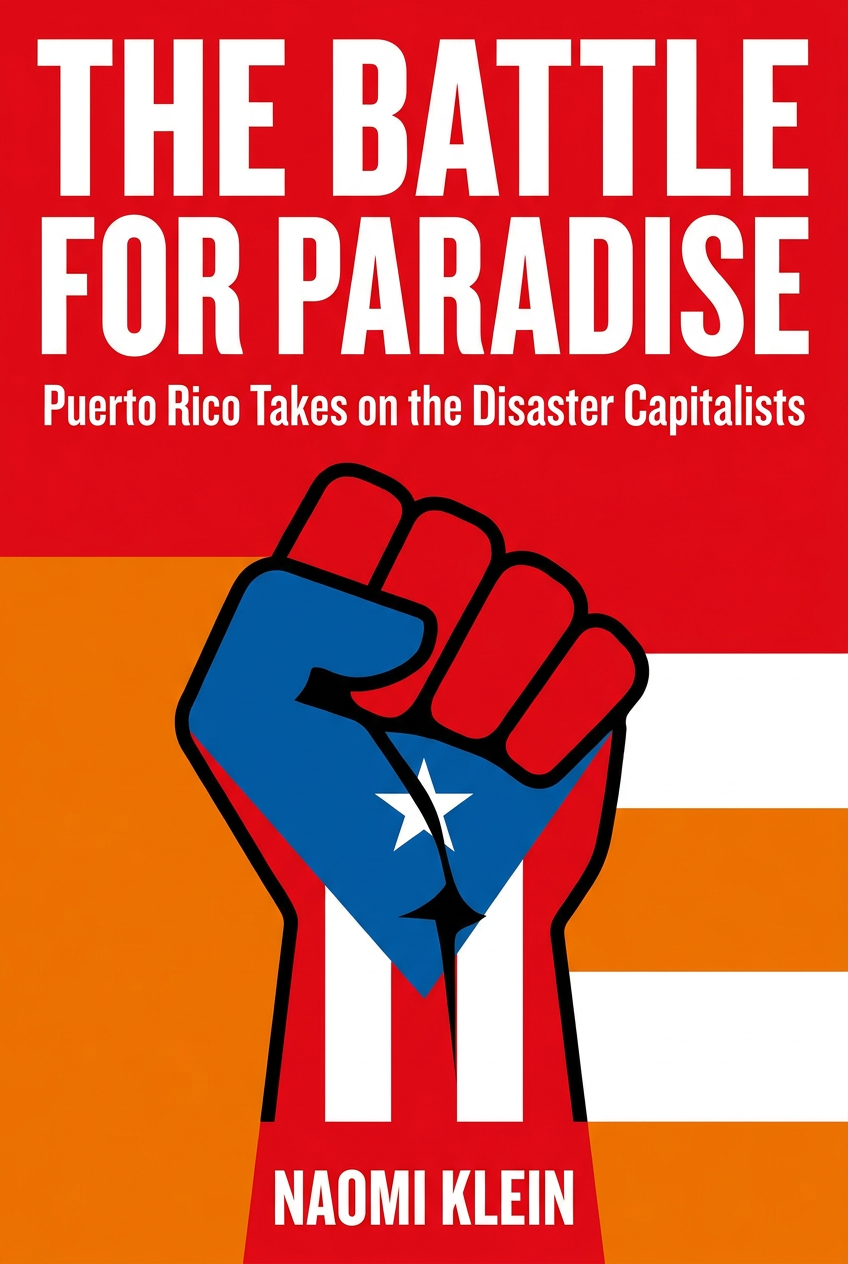
The Battle For Paradise
See how Puerto Ricans fought disaster capitalism after Hurricane Maria.
- The aftermath of Hurricane Maria became a battleground for two futures.
- "Disaster capitalists" tried to impose brutal austerity and privatization.
- Grassroots movements responded by building community-led, sustainable projects.
Readers looking for a hopeful case study of grassroots resistance and recovery.
See how Puerto Ricans fought disaster capitalism after Hurricane Maria.

How to Change Everything
A guide for young activists to turn passion into powerful climate action.
- Young people are at the forefront of the most effective climate movements.
- Climate justice is inseparable from social and racial justice.
- You have the power to create change through collective, organized action.
Young readers and aspiring activists seeking inspiration and practical tools.
A guide for young activists to turn passion into powerful climate action.
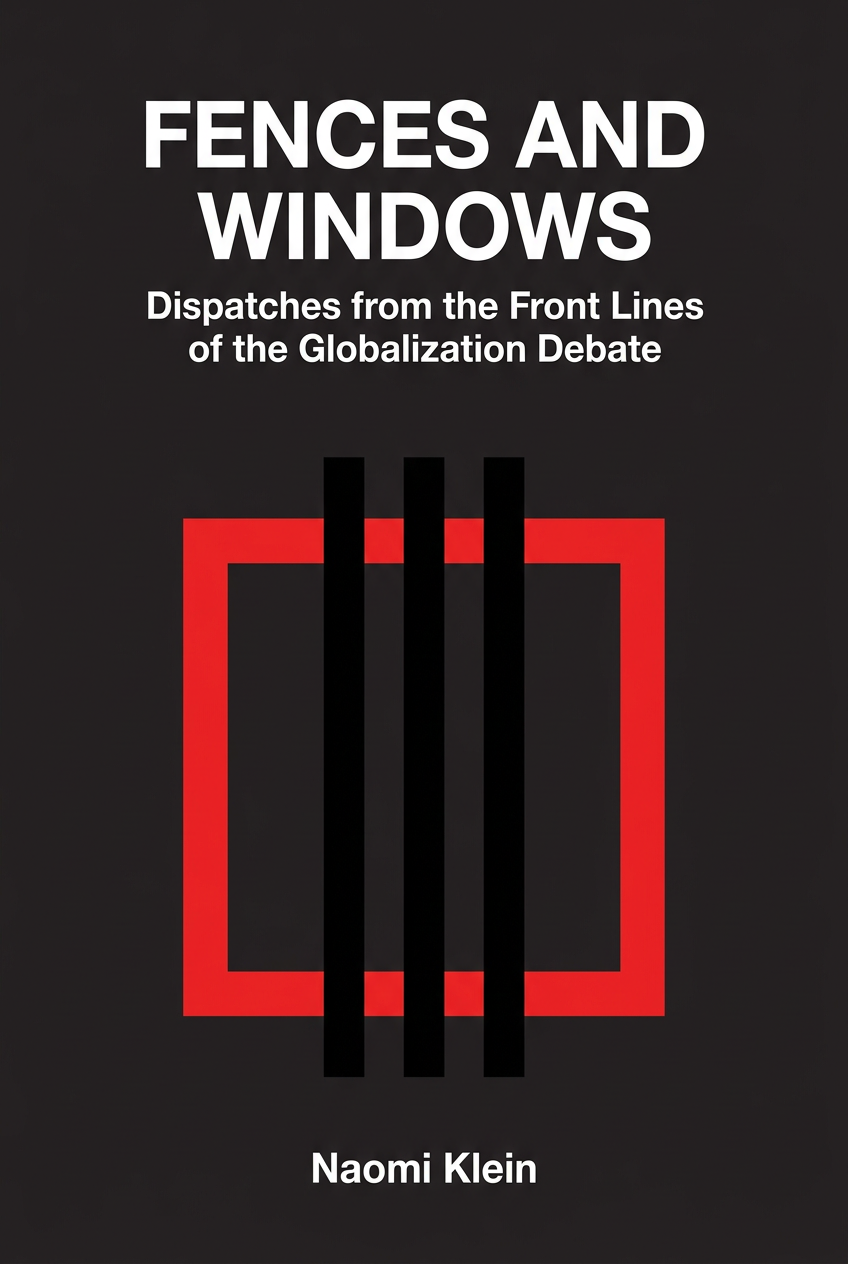
Fences and Windows
Go to the front lines of the global fight for a more just and democratic world.
- Globalization creates "fences" of inequality and corporate power.
- Activist movements provide "windows" into a more democratic alternative.
- The book offers firsthand dispatches from the anti-globalization front lines.
Readers interested in the history of the anti-globalization movement since Seattle.
Go to the front lines of the global fight for a more just and democratic world.
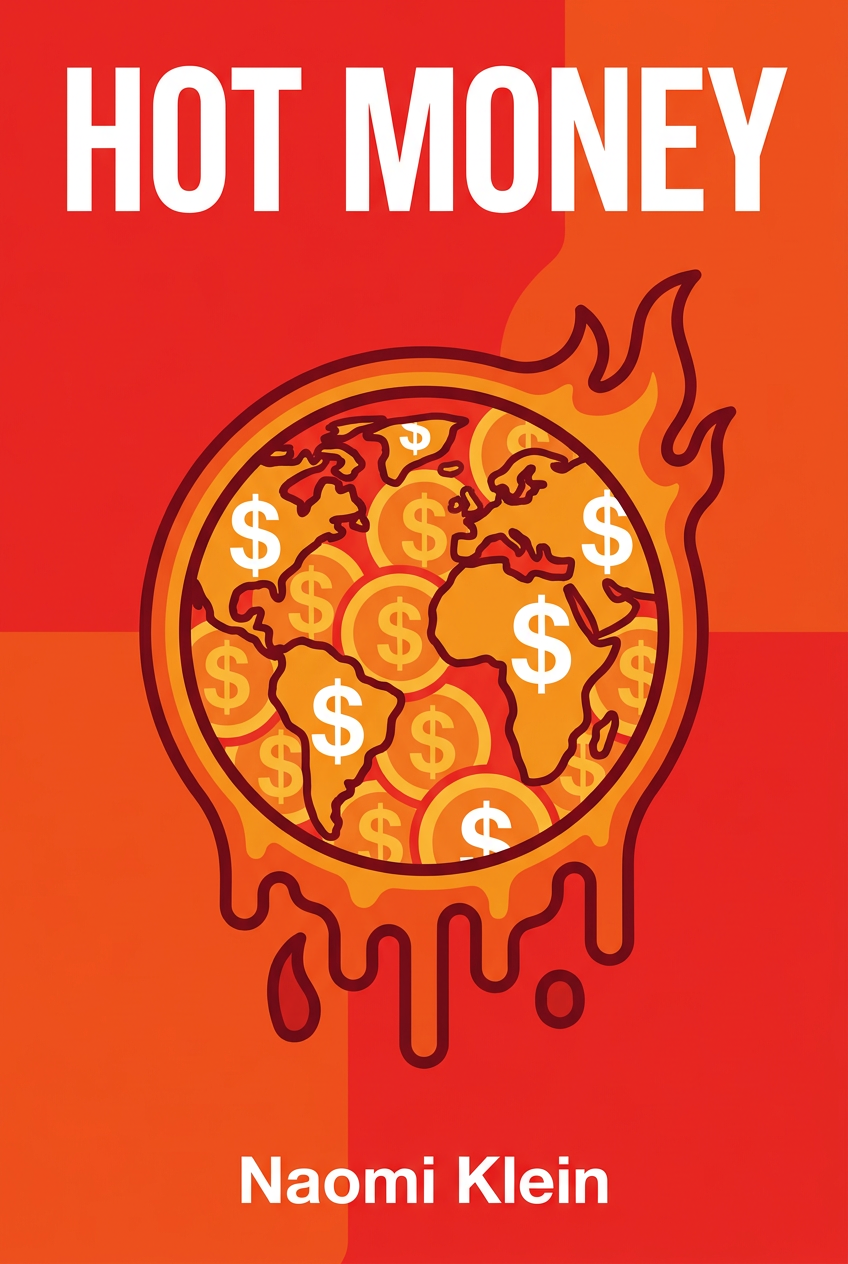
Hot Money
Uncover how unregulated capital fuels the climate crisis and blocks progress.
- "Hot money" is speculative capital that destabilizes economies and environments.
- These unregulated financial flows profit from crises, including climate disasters.
- Coordinated movements can challenge and redirect these financial forces for good.
People interested in the intersection of finance, climate, and systemic change.
Uncover how unregulated capital fuels the climate crisis and blocks progress.
Frequently Asked Questions
While 'best' is subjective, *The Shock Doctrine* is often considered her most impactful work for its theory of disaster capitalism. However, *No Logo* is a close second for its profound influence on understanding modern branding and the anti-globalization movement.
For beginners, *No Logo* is an excellent starting point as a foundational text on corporate power. If you are more focused on the environment and current events, *This Changes Everything* is a very accessible and crucial read on the climate crisis.
For a chronological journey, start with *No Logo* (2000), then *The Shock Doctrine* (2007), and then *This Changes Everything* (2014). This progression shows the evolution of her thinking from branding to disaster politics and climate change. Reading these core Naomi Klein books in order is highly recommended.