Good Psychiatry Books
Understanding the mind is the first step toward mental well-being, which is why psychiatry is so important. These books offer more than just theory; they provide practical psychiatry coping strategies to manage anxiety, trauma, and overthinking. Our list of the best books on psychiatry delves into science-backed methods for rewiring your brain and finding inner peace. These psychiatry book recommendations are designed to give you actionable tools for real-world change. Curated by the VoxBrief team.
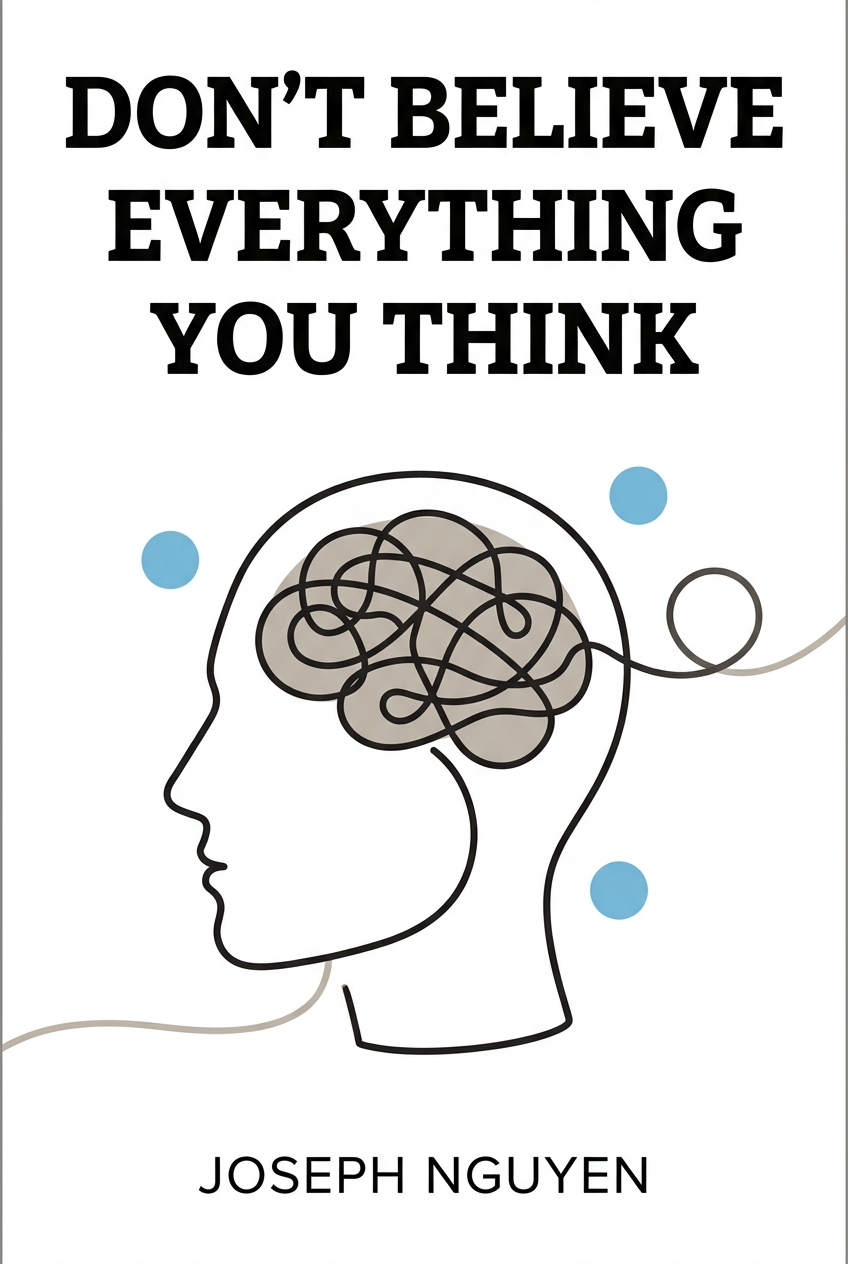
Don't Believe Everything You Think
End overthinking by understanding how your thoughts create your feelings.
- Your feelings originate from your thoughts, not external circumstances.
- Peace is found by letting thoughts pass, not forcing positivity.
- Understanding your mind's nature is the key to effortless peace.
Anyone seeking a simple, non-technical path to inner peace.
End overthinking by understanding how your thoughts create your feelings.
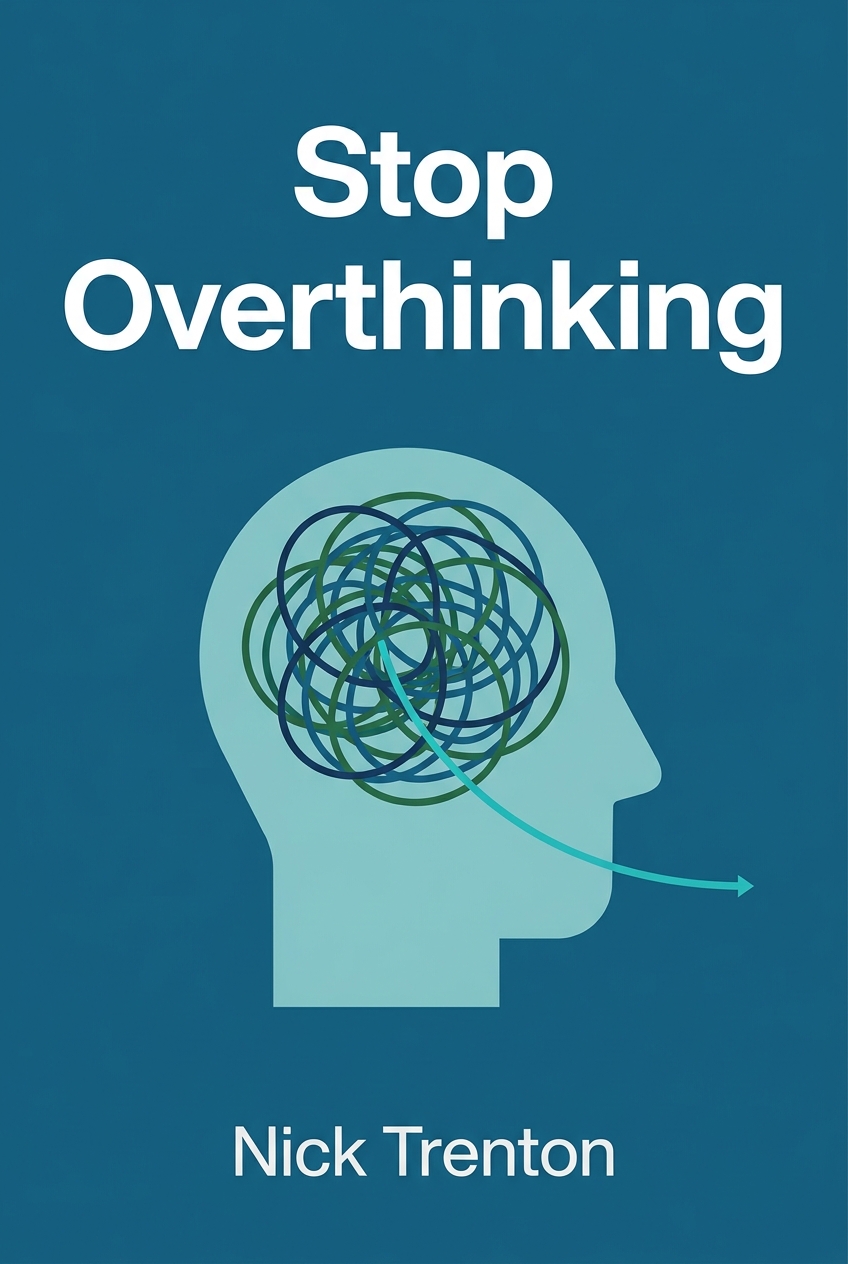
Stop Overthinking
Get 23 science-backed tools to break free from anxiety and negative thought loops.
- Use four steps to identify and disarm your personal anxiety triggers.
- Learn specific techniques to reframe negative thoughts into constructive ones.
- Reclaim your mental space by focusing on the present moment.
Overthinkers wanting actionable, step-by-step techniques to stop spiraling.
Get 23 science-backed tools to break free from anxiety and negative thought loops.
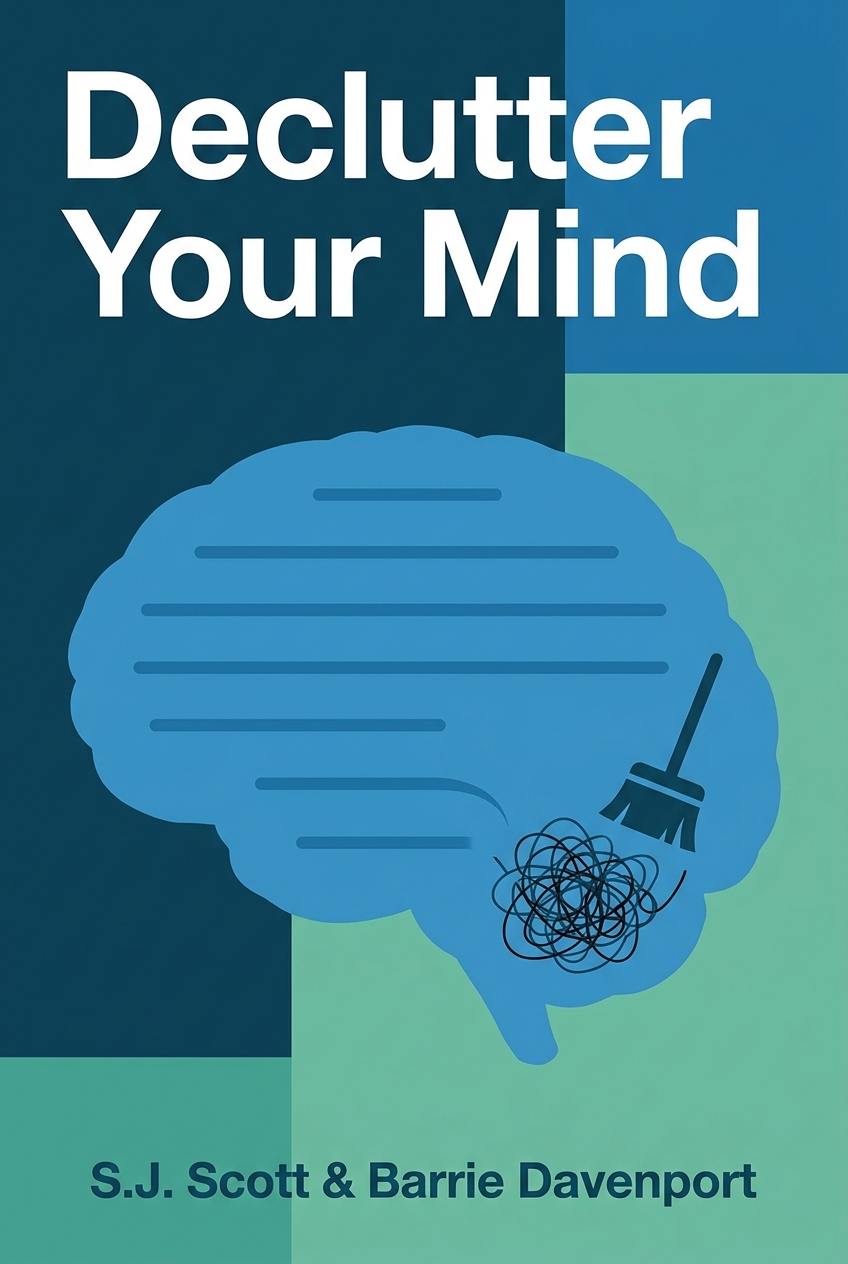
Declutter Your Mind
Silence mental chatter and find your off-switch with simple, actionable strategies.
- Use mindfulness techniques to stay grounded in the present.
- Reframe negative thought patterns to reduce their power.
- Set clear life priorities to eliminate sources of background anxiety.
People who feel mentally overwhelmed, as if they have too many tabs open.
Silence mental chatter and find your off-switch with simple, actionable strategies.
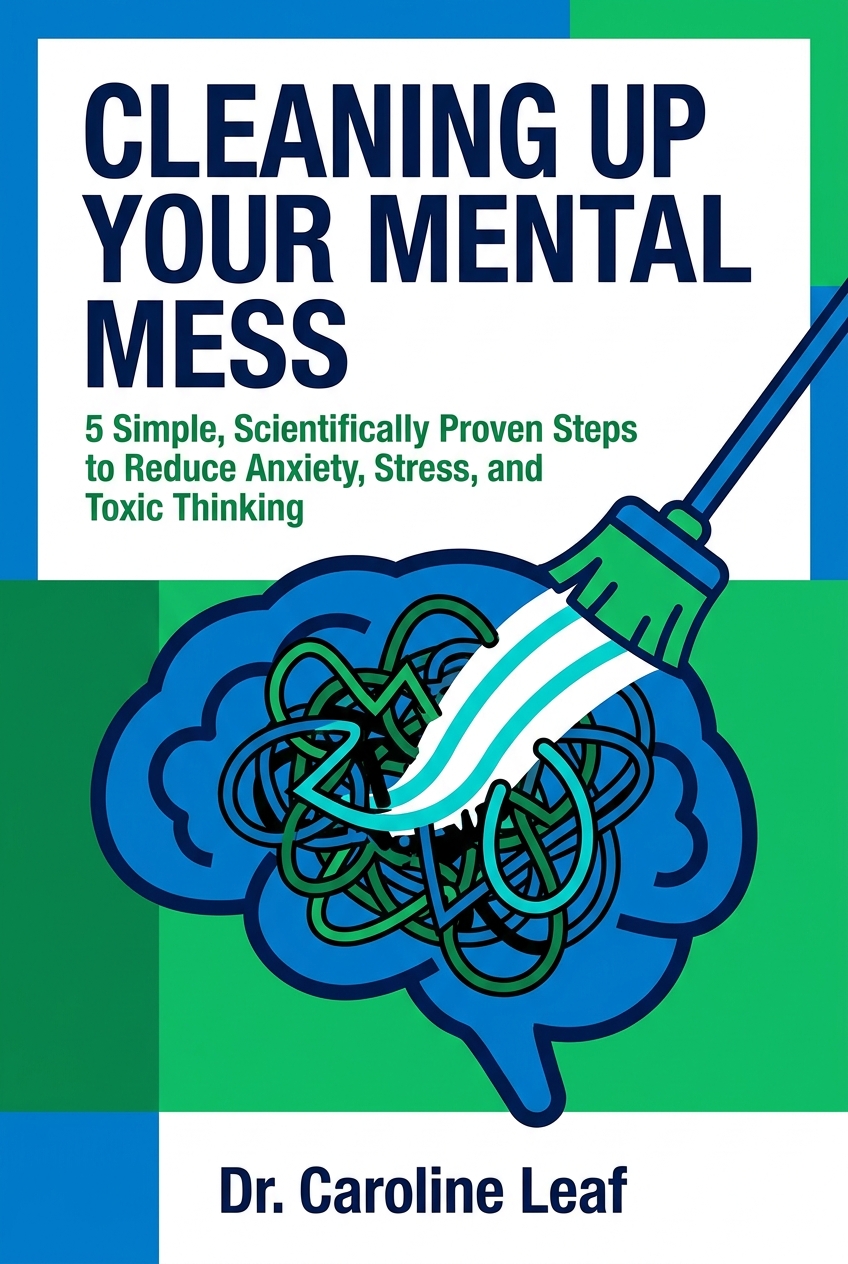
Cleaning Up Your Mental Mess
Use a 5-step, 15-minute daily plan to rewire your brain for a calmer, happier mind.
- The Neurocycle method helps identify the root of toxic thinking.
- Consistently applying the 5 steps can physically rewire your brain.
- This process builds mental resilience against future stress and anxiety.
Individuals looking for a structured, scientific daily practice for mental health.
Use a 5-step, 15-minute daily plan to rewire your brain for a calmer, happier mind.
The Art of Letting Go
Silence your inner critic and detach from pain with science-backed techniques.
- Identify the psychological traps that keep you stuck in rumination.
- Let go of painful memories and lingering resentments for mental freedom.
- Detach from outcomes you can't control to find peace.
Those held back by past hurts, regrets, and an overactive inner critic.
Silence your inner critic and detach from pain with science-backed techniques.
How to Calm Your Mind
Tame anxiety and boost focus by managing overstimulation and information overload.
- Anxiety is often triggered by overstimulation and information overload.
- Reducing external inputs can significantly calm your internal state.
- Practical strategies can increase your energy and presence in daily life.
Anyone feeling anxious and unfocused due to the demands of modern life.
Tame anxiety and boost focus by managing overstimulation and information overload.
Quiet Your Mind
A no-nonsense guide for men to overcome overthinking and take decisive action.
- Break free from analysis paralysis and crippling self-doubt.
- Manage stress effectively and build practical mental resilience.
- Turn your inner critic from an enemy into a productive ally.
Men who are stuck in overthinking and want direct, actionable solutions.
A no-nonsense guide for men to overcome overthinking and take decisive action.
Rewire Your Brain
Reshape your neural pathways to silence anxiety and find calm in the chaos.
- Use mindfulness to halt spiraling thoughts before they take hold.
- Effectively manage stress by understanding how your brain works.
- Build self-discipline to create new, healthy mental habits.
People interested in the neuroscience behind anxiety and how to change it.
Reshape your neural pathways to silence anxiety and find calm in the chaos.

The Body Keeps the Score
Understand how trauma reshapes the brain and why healing involves the body.
- Trauma is stored in the body and nervous system, not just in memories.
- Talk therapy alone is often insufficient for deep trauma healing.
- Body-based therapies like yoga and mindfulness can release trapped trauma.
Trauma survivors, therapists, and anyone whose past physically affects them.
Understand how trauma reshapes the brain and why healing involves the body.
Frequently Asked Questions
These books provide actionable strategies, not just theories. By teaching you how to reframe thoughts, manage anxiety, and understand trauma's effects, they offer tools for building lasting mental resilience and a healthier relationship with your mind.
While these books are not a substitute for professional medical advice, they are powerful tools for self-awareness and change. They provide science-backed techniques and frameworks that, when practiced, can significantly reduce anxiety, overthinking, and the impact of past trauma.
Good psychiatry books translate complex psychological concepts into practical, actionable advice. They are typically written by experts, backed by scientific research, and offer clear steps you can take to understand your mind and improve your mental well-being.
Many people struggle with anxiety and overthinking because our brains are wired for survival, which can lead to negative thought patterns. These books explain the underlying reasons for these struggles, show that it's a common human experience, and offer ways to rewire those patterns.