Survival Books
This introduction to survival explores the essential skills and mindset needed to thrive in any crisis. Understanding survival basics is not just about doomsday prepping; it's about self-reliance, resilience, and the deep-seated human instinct to endure. This collection of the best books about survival covers everything from practical wilderness techniques and ancestral wisdom to the psychological grit required to overcome impossible odds. These invaluable books offer lessons for any challenge, personal or global. Curated by the VoxBrief team.

The Lost Ways
Learn forgotten skills from our ancestors to thrive without modern tech.
- Preserve food and water using traditional, non-electric methods.
- Build long-term shelters like subterranean roundhouses for protection.
- Create effective natural remedies from common backyard plants.
Preppers and homesteaders seeking practical, self-reliant skills.
Learn forgotten skills from our ancestors to thrive without modern tech.
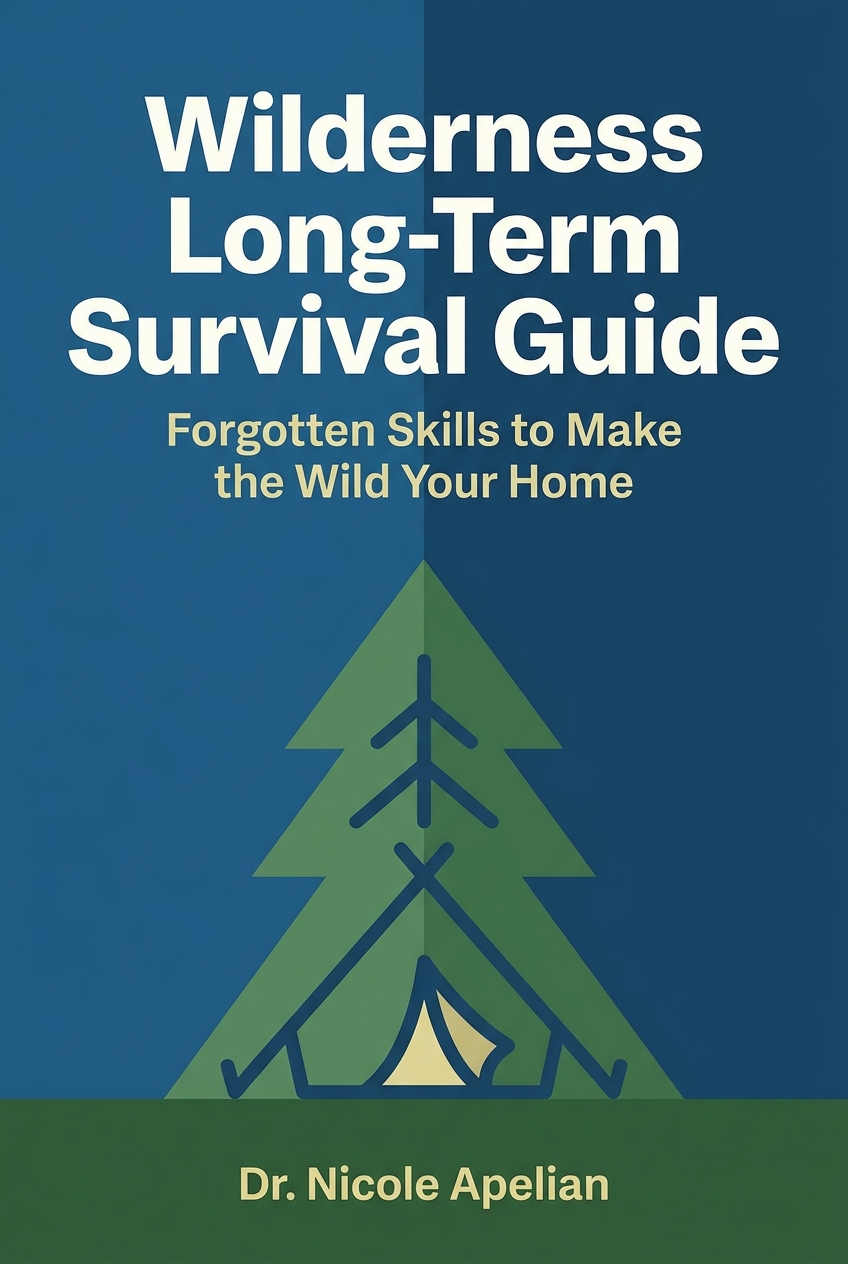
Wilderness Long-Term Survival Guide
Master long-term wilderness living, from building shelters to making tools.
- Construct durable, permanent shelters suitable for long-term living.
- Sustainably source food and water from your natural surroundings.
- Craft essential tools, clothing, and medicines from the land.
Aspiring wilderness experts who want to go beyond basic bushcraft.
Master long-term wilderness living, from building shelters to making tools.
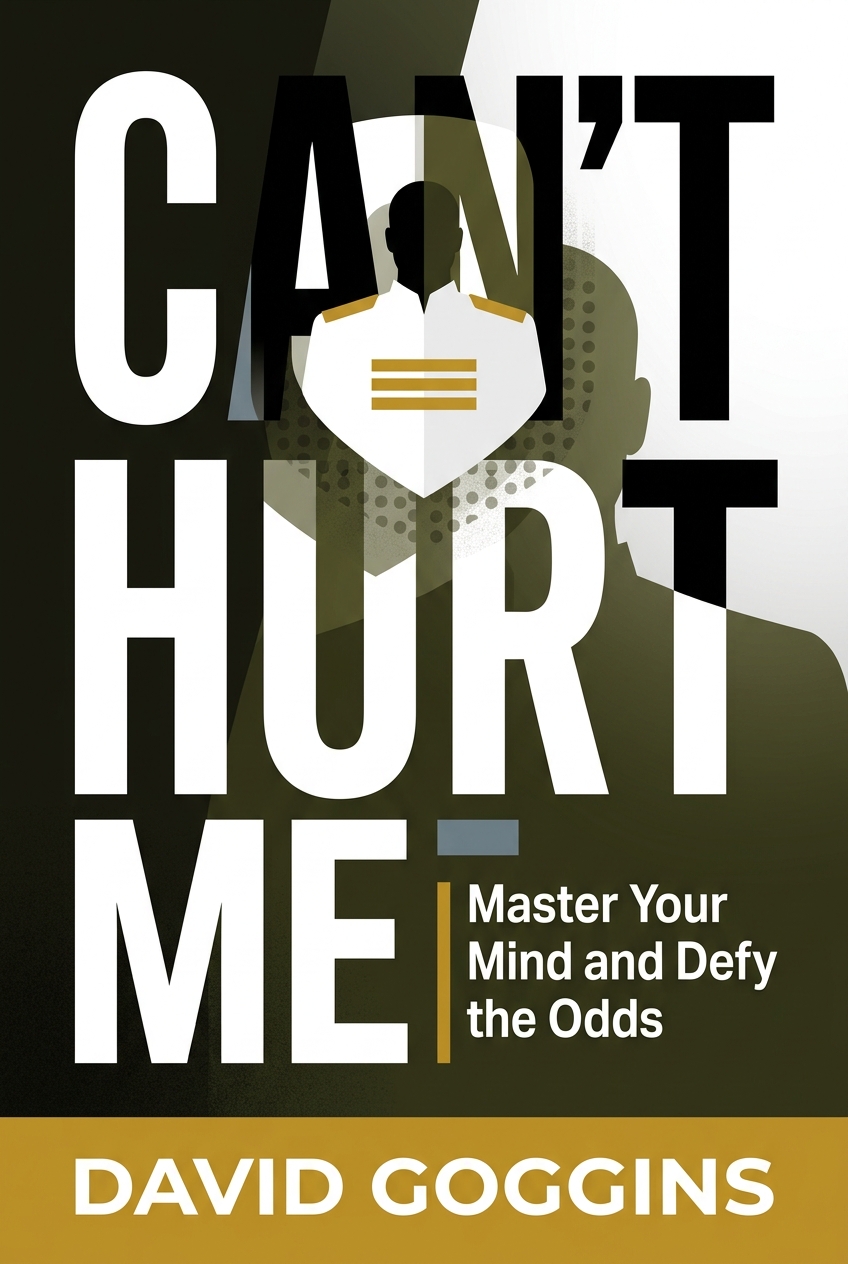
Can't Hurt Me
Forge an unbreakable mind and destroy your self-imposed limitations.
- Use the "40% Rule" to push past perceived mental and physical limits.
- Recall past victories using the "Cookie Jar" method for fuel.
- Embrace discomfort and accountability to achieve immense personal growth.
Anyone feeling stuck and needing intense motivation to get tougher.
Forge an unbreakable mind and destroy your self-imposed limitations.
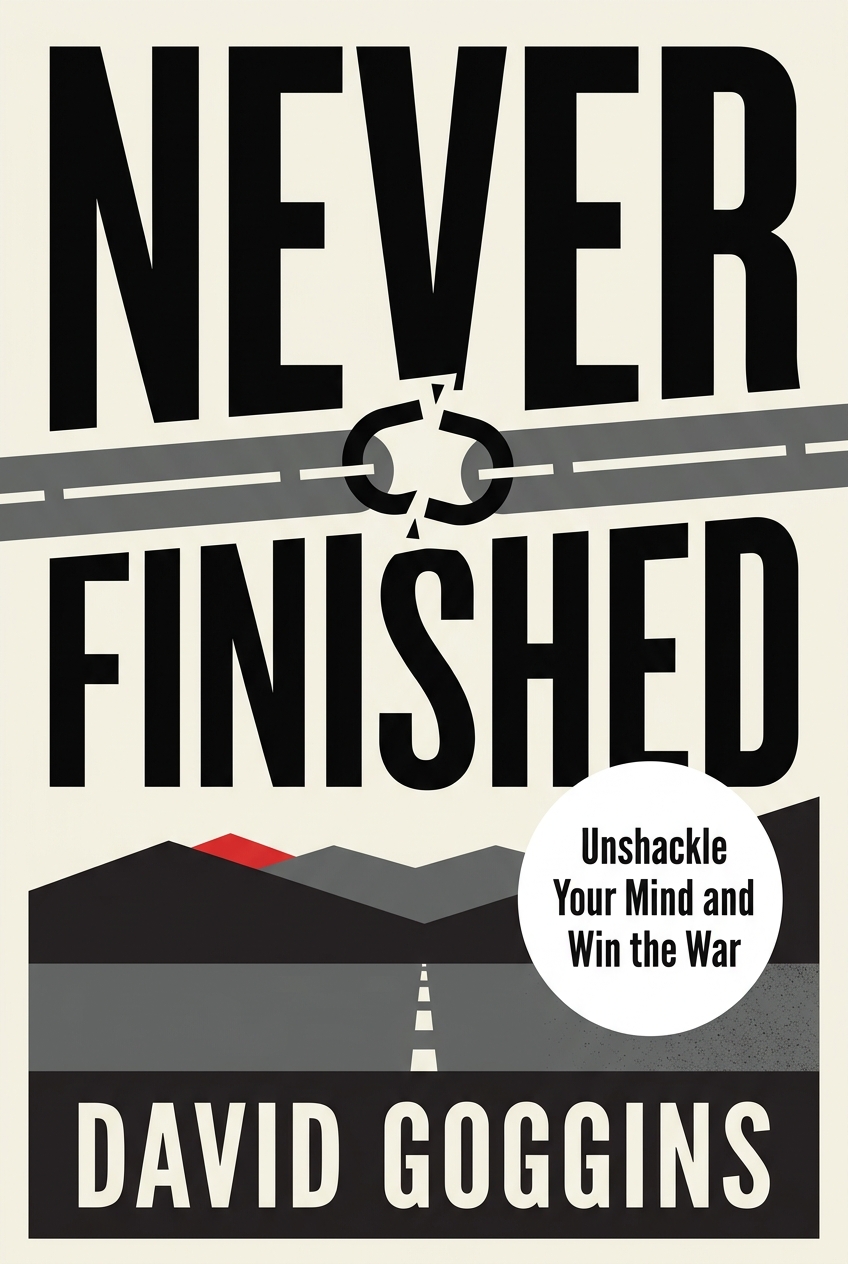
Never Finished
Unlock your full potential by learning to defeat your own mind.
- Make a "one-second decision" to commit fully and without hesitation.
- Reframe your past traumas and failures as sources of strength.
- Constantly seek discomfort to build relentless mental resilience.
High-achievers looking to break through their next performance plateau.
Unlock your full potential by learning to defeat your own mind.

Lone Survivor
A raw, firsthand account of a SEAL mission gone horribly wrong in Afghanistan.
- Understand the intense physical and mental demands of SEAL training.
- Witness the crucial role of brotherhood and sacrifice in combat.
- Learn how split-second decisions determine life or death in battle.
Readers interested in elite military operations and raw human courage.
A raw, firsthand account of a SEAL mission gone horribly wrong in Afghanistan.
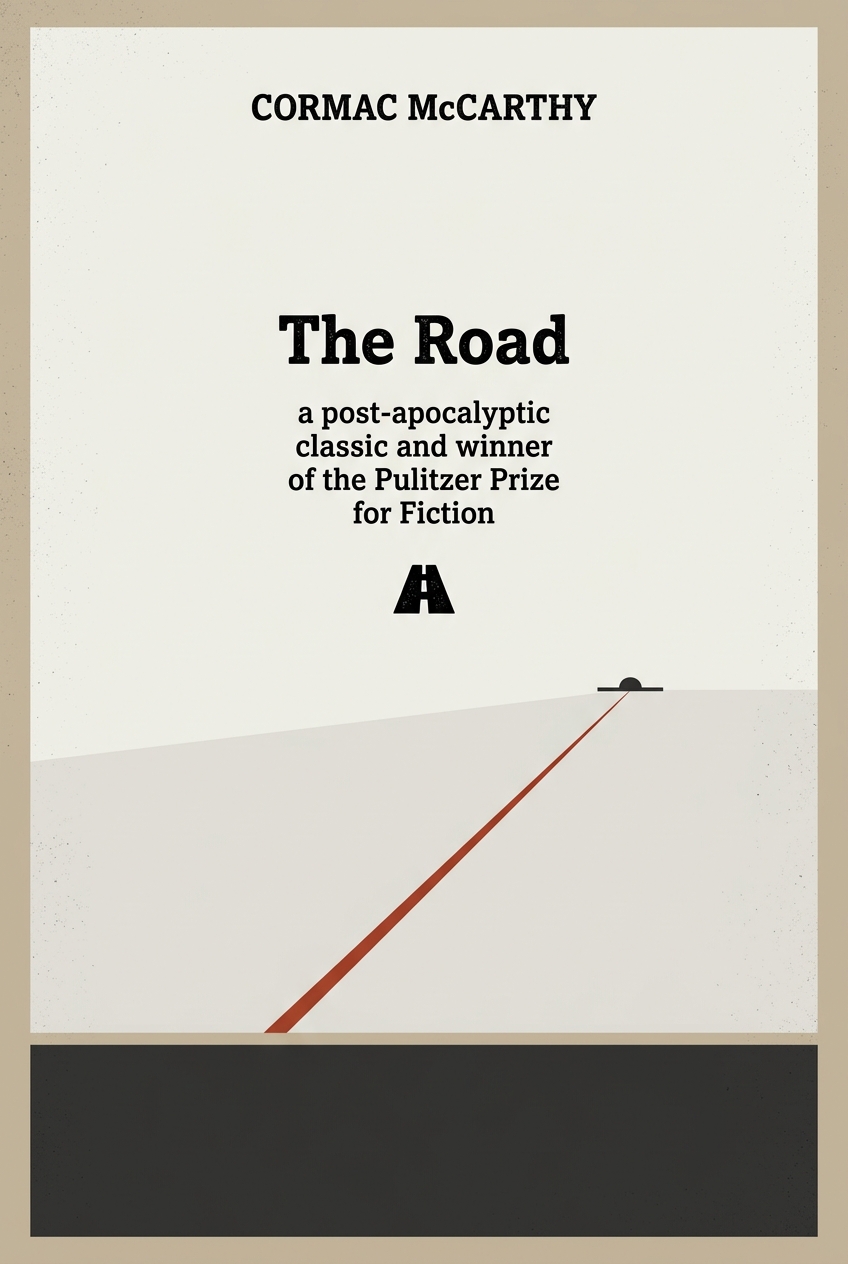
The Road
A father and son "carry the fire" of humanity in a post-apocalyptic world.
- Explore the depths of a parent's love in a world devoid of hope.
- Question what it means to be "good" when society has collapsed.
- Survival is as much about protecting your humanity as your life.
Fans of literary fiction who enjoy exploring dark, profound themes.
A father and son "carry the fire" of humanity in a post-apocalyptic world.
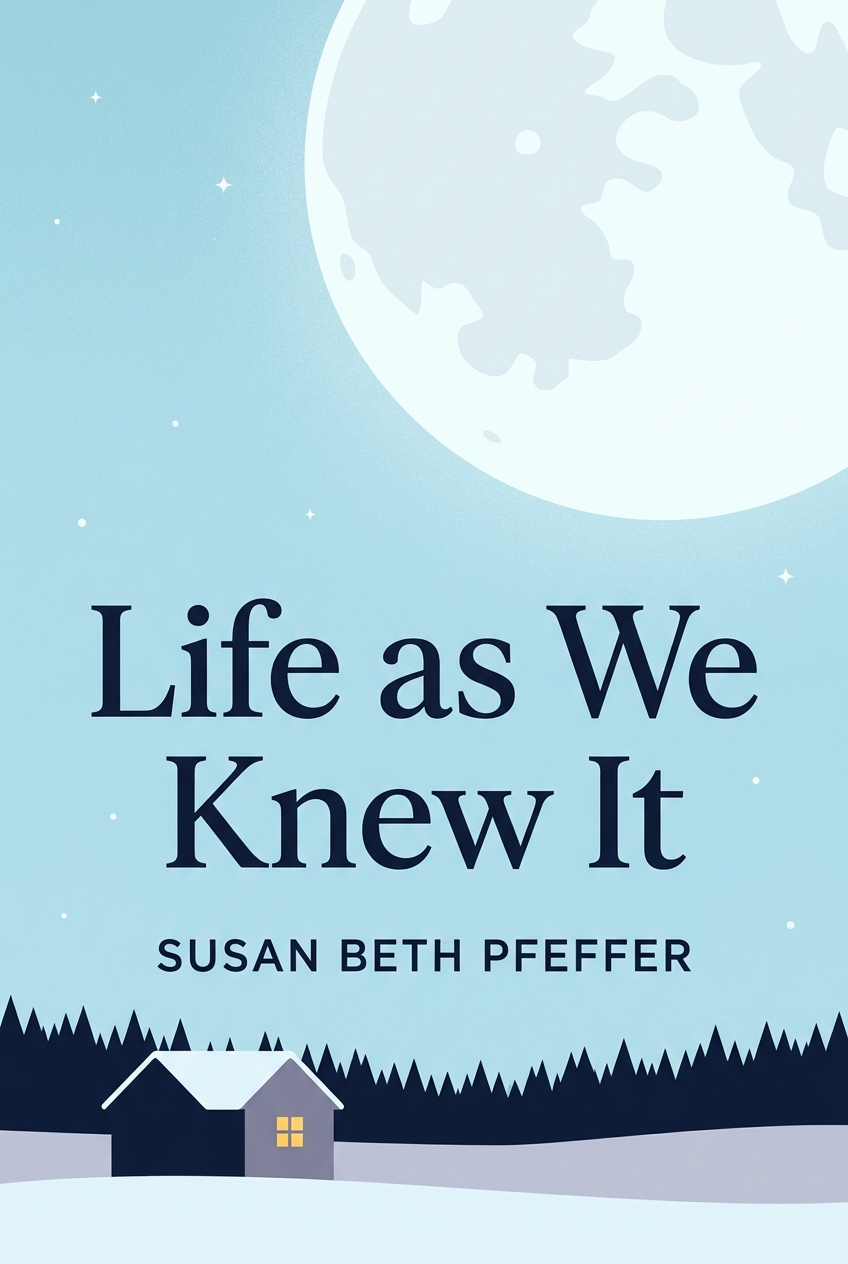
Life as We Knew It
A teen's diary chronicles her family's fight to survive a global cataclysm.
- Witness the rapid breakdown of society when basic utilities fail.
- See how resourcefulness becomes critical for daily survival.
- Family bonds are essential to enduring a long-term crisis.
Young adult readers and fans of plausible apocalyptic scenarios.
A teen's diary chronicles her family's fight to survive a global cataclysm.

Into the Wild
A young man leaves everything behind to live alone in the Alaskan wilderness.
- Explore the powerful allure of radical freedom and the wilderness.
- Understand how idealism can clash with the harsh realities of nature.
- Reflect on the line between courageous self-discovery and hubris.
Idealists and adventurers who dream of escaping the modern world.
A young man leaves everything behind to live alone in the Alaskan wilderness.

Woods Runner
A boy uses his forest skills to rescue his family during the Revolution.
- Learn frontier survival skills like tracking, hunting, and stealth.
- See how deep knowledge of the land is a powerful survival tool.
- Understand the brutal realities faced by civilians during wartime.
Young readers and history buffs who enjoy fast-paced adventure.
A boy uses his forest skills to rescue his family during the Revolution.
Frequently Asked Questions
Survival skills are important because they foster self-reliance, resilience, and problem-solving abilities. They prepare you for unexpected emergencies, from natural disasters to power outages, ensuring you can protect yourself and your loved ones. Ultimately, it builds confidence to handle any situation.
Practicing survival concepts can profoundly affect daily life by making you more mindful, prepared, and resourceful. It encourages skills like gardening, first aid, and basic repairs, reducing dependency on complex systems. This mindset shift leads to greater confidence and a calmer approach to everyday challenges.
Recent trends focus on integrating technology with traditional skills, such as using GPS while still knowing how to navigate with a map. There's also a growing emphasis on urban survival and community resilience, focusing on local networks. Mental toughness techniques, as highlighted by David Goggins, are also a key modern focus.