All Books
Self-Growth
Business & Career
Health & Wellness
Society & Culture
Money & Finance
Relationships
Science & Tech
Fiction
Topics
Blog
Download on the App Store

Recommended Time Management Books

Understanding why time management is important is the first step toward a more productive and less stressful life. But mastering it requires the right tools and time management habits. This list of recommended time management books goes beyond simple hacks, offering proven systems to conquer procrastination and focus on what truly matters. We've compiled the best books on time management that provide the frameworks you need to design a more intentional schedule and achieve your biggest goals. Curated by the VoxBrief team.

Related:
prioritizationtime blockingproductivity systems
#12
The 4-Hour Workweek cover

The 4-Hour Workweek

by Tim Ferriss

Escape the 9-to-5 grind and build a life of automated income and freedom.

Key Takeaways
  • Use the 80/20 principle to focus on high-impact tasks.
  • Automate your income with a digital 'muse' business.
  • Take mini-retirements now instead of waiting for a distant future.
Who Should Read

Aspiring entrepreneurs and professionals feeling trapped by the 9-to-5.

#13
Eat That Frog! cover

Eat That Frog!

by Brian Tracy

Supercharge your productivity by tackling your most challenging task first.

Key Takeaways
  • Identify your most important task ('the frog') and do it first.
  • Plan every day in advance to maintain clarity and focus.
  • Apply the 80/20 rule to focus on the vital few tasks.
Who Should Read

Procrastinators who need a simple, actionable system to get started.

#14
Make Time cover

Make Time

by Jake Knapp,John Zeratsky

Reclaim your focus from distractions and intentionally design a productive day.

Key Takeaways
  • Choose one 'Highlight' to prioritize each day.
  • Use 'Laser' tactics to minimize digital distractions.
  • Recharge with simple habits to maintain mental and physical energy.
Who Should Read

Tech workers and professionals overwhelmed by digital distractions.

#15
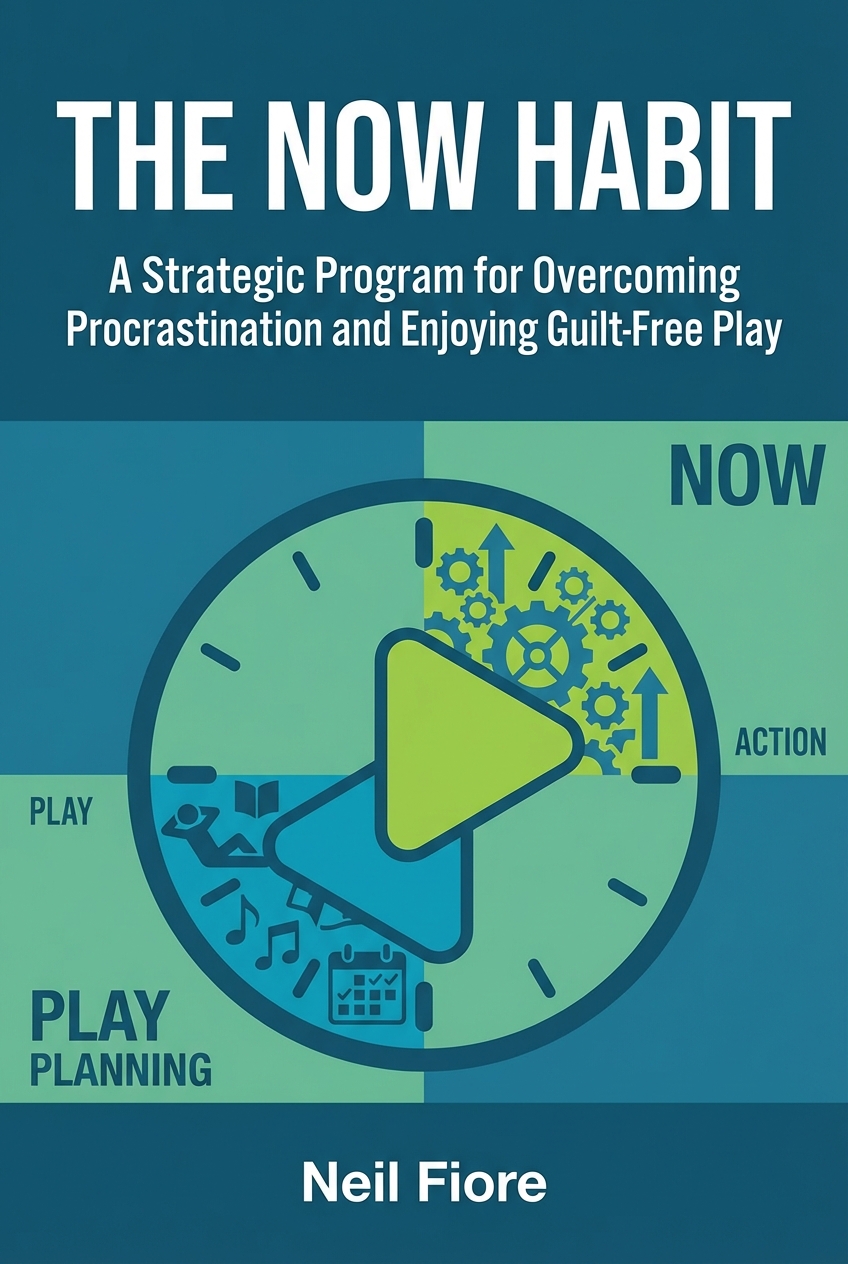
The Now Habit cover

The Now Habit

by Neil Fiore

Overcome the psychological roots of procrastination for stress-free productivity.

Key Takeaways
  • Plan guilt-free play first using the 'Unschedule' method.
  • Start tasks without fear of imperfection.
  • Understand procrastination is a coping mechanism, not a character flaw.
Who Should Read

Chronic procrastinators and perfectionists stuck in a cycle of stress.

#16
Four Thousand Weeks cover

Four Thousand Weeks

by Oliver Burkeman

Embrace your finite time to live a more meaningful, less frantic life.

Key Takeaways
  • Accept your limitations; you can't do everything.
  • Focus on what is truly meaningful, not just what is efficient.
  • Practice strategic underachievement by consciously neglecting unimportant areas.
Who Should Read

Anyone feeling burnt out by productivity culture and seeking a new perspective.

#17
Deep Work cover

Deep Work

by Cal Newport

Master the superpower of intense, distraction-free focus to produce elite work.

Key Takeaways
  • Schedule 'deep work' sessions into your calendar like appointments.
  • Train your focus and resist the urge for constant connectivity.
  • Embrace boredom to strengthen your ability to concentrate.
Who Should Read

Knowledge workers, writers, and creatives needing to produce high-value output.

#18
First Things First cover

First Things First

by Stephen R. Covey,A. Roger Merrill,Rebecca R. Merrill

Move beyond to-do lists to prioritize your life around your core values.

Key Takeaways
  • Organize your life by weekly goals, not daily emergencies.
  • Use the Time Management Matrix to focus on important, non-urgent tasks.
  • Define your personal mission and roles to guide your priorities.
Who Should Read

Individuals seeking to align their daily actions with long-term goals.

Frequently Asked Questions

Time management is hard because it's about managing your focus, energy, and emotions, not just your calendar. Modern life is full of distractions, and our brains are often wired for immediate gratification, making it difficult to prioritize long-term goals over urgent, but less important, tasks.

Consistency comes from building habits, not relying on willpower. Start small, track your progress, and link new behaviors to existing routines. Regularly reviewing your goals using a system like time blocking helps you stay on track and adjust as needed.

Talent provides a head start, but time management determines how far you go. A person with average talent who consistently applies themselves through effective time management will often outperform a talented but disorganized individual. Consistent, focused effort is the key to unlocking potential.

Browse all topics →