Best US History Books
Understanding America's complex past requires looking beyond familiar headlines and finding the best us history books. This curated list brings together diverse perspectives, from presidential biographies to the hidden stories of everyday people. We've selected some of the most essential us history books to read that challenge myths and uncover uncomfortable truths. Whether you're seeking an introduction or a deeper understanding, these summaries offer a comprehensive view of the nation's journey. Curated by the VoxBrief team.
The Warmth of Other Suns
The story of the Great Migration and how it reshaped modern America.
- The Great Migration was a leaderless, six-decade-long movement of Black Americans.
- It was an act of individual agency, not a passive migration.
- This exodus fundamentally changed the cultural and political map of the U.S.
Anyone interested in the hidden forces that shaped modern American cities.
The story of the Great Migration and how it reshaped modern America.
The Color of Law
Uncovers how the U.S. government actively created racial segregation.
- Residential segregation was created by deliberate government policies ('de jure').
- Federal housing programs and local zoning created racially exclusive suburbs.
- These policies had lasting, multi-generational economic impacts on Black families.
Readers questioning why American cities and schools remain so segregated.
Uncovers how the U.S. government actively created racial segregation.
A People's History of the United States
Retells American history from the perspective of its marginalized groups.
- History looks different from the viewpoint of the oppressed, not just conquerors.
- Social progress often comes from dissent and rebellion from below.
- Traditional textbooks often sanitize or ignore conflicts over race, class, and gender.
Those seeking an alternative, bottom-up view of the American experience.
Retells American history from the perspective of its marginalized groups.
The Demon of Unrest
The tense five months between Lincoln's election and the Civil War.
- The Civil War was not inevitable; it resulted from political failure.
- Major Robert Anderson's stand at Fort Sumter was a critical flashpoint.
- Hubris and indecision on both sides pushed the nation toward conflict.
Civil War buffs and fans of gripping, character-driven narrative history.
The tense five months between Lincoln's election and the Civil War.
The Accidental President
How Harry Truman suddenly faced the end of WWII and the atomic bomb.
- Truman faced immense pressure with zero preparation for the presidency.
- His first four months involved world-altering decisions about the atomic bomb.
- He navigated complex relationships with giants like Churchill and Stalin.
Readers who love underdog stories and pivotal moments in leadership.
How Harry Truman suddenly faced the end of WWII and the atomic bomb.
1776
The thrilling and desperate story of the year America's fate was sealed.
- The American Revolution was nearly lost in its first year.
- George Washington's resilience and leadership were crucial in dark times.
- Small victories and strategic retreats were as important as major battles.
Those looking for a character-focused look at the Revolutionary War.
The thrilling and desperate story of the year America's fate was sealed.
Washington
A complex portrait of the flawed, ambitious man behind the monument.
- Washington was driven by ambition and a desire for prestige.
- His early military failures provided critical leadership lessons.
- He wrestled with the paradox of fighting for liberty while owning slaves.
Anyone wanting to understand the human being behind the famous legend.
A complex portrait of the flawed, ambitious man behind the monument.
The Worst Hard Time
The harrowing story of those who endured the American Dust Bowl.
- The Dust Bowl was a man-made ecological disaster, not just a drought.
- Poor farming practices destroyed the grassland's delicate ecosystem.
- It highlights the incredible resilience of people facing unimaginable hardship.
Readers interested in environmental history and tales of human survival.
The harrowing story of those who endured the American Dust Bowl.
1491
Reveals advanced, populous civilizations in the Americas before Columbus.
- The pre-Columbian Americas were densely populated, not an empty wilderness.
- Indigenous peoples engineered their environment with sophisticated techniques.
- Disease, not European military superiority, was the primary cause of collapse.
History lovers open to challenging myths about the 'New World'.
Reveals advanced, populous civilizations in the Americas before Columbus.
Blood and Thunder
The brutal conquest of the American West through the life of Kit Carson.
- Westward expansion was a story of brutal conflict and broken treaties.
- Kit Carson was a complex figure, a frontiersman and an agent of conquest.
- The book focuses on the collision between Americans, Navajos, and Mexicans.
Those who want the unvarnished, violent history of the American West.
The brutal conquest of the American West through the life of Kit Carson.
Lies My Teacher Told Me
Exposes the myths, half-truths, and omissions in history textbooks.
- Textbooks often present a heroic, oversimplified national narrative.
- Historical figures like Woodrow Wilson are more complex and controversial.
- "Herofication" robs students of the ability to think critically about the past.
Students, teachers, and anyone who feels their education was incomplete.
Exposes the myths, half-truths, and omissions in history textbooks.
Black AF History
A retelling of American history centered on the Black experience.
- American history is incomplete without the Black perspective at its core.
- Black resistance and innovation have been constant, not exceptional events.
- The book challenges whitewashed narratives with unflinching, often humorous truth.
Readers looking for a decolonized and unapologetically Black view of US history.
A retelling of American history centered on the Black experience.
Democracy Awakening
A historian's guide to the forces threatening American democracy today.
- A small, wealthy minority has historically co-opted the language of liberty.
- The book traces the historical roots of today's political polarization.
- Understanding this history is key to protecting democratic principles.
Citizens concerned about the current state of American politics.
A historian's guide to the forces threatening American democracy today.
A Patriot's History of the United States
A celebration of American history as a story of freedom and exceptionalism.
- America is presented as a unique force for good in world history.
- It emphasizes free-market capitalism and constitutional principles as key successes.
- The book offers a counter-argument to revisionist, critical histories.
Readers seeking a history that reinforces pride in American exceptionalism.
A celebration of American history as a story of freedom and exceptionalism.
A True History of the United States
A critical look at the role of empire and violence in American history.
- Imperial expansion and militarism are central to the American story.
- The book challenges the narrative of American exceptionalism and benevolence.
- It connects past foreign policy decisions to current global conflicts.
People questioning traditional patriotic narratives about America's global role.
A critical look at the role of empire and violence in American history.
The American Revolution
The human story of the war for independence told through personal accounts.
- The revolution was a messy, complex civil war, not just a clean fight for liberty.
- It was fought by ordinary people with conflicting motivations and fears.
- Personal diaries and letters reveal the true human cost of the war.
Anyone who prefers history told through the eyes of everyday people.
The human story of the war for independence told through personal accounts.
The Wright Brothers
How two bicycle mechanics with no funding taught the world how to fly.
- Success came from meticulous research, experimentation, and persistence.
- The brothers solved the crucial problem of flight control, not just lift.
- Their strong family support system was a key ingredient to their success.
Innovators, entrepreneurs, and anyone fascinated by feats of ingenuity.
How two bicycle mechanics with no funding taught the world how to fly.
Undaunted Courage
The epic journey of Lewis and Clark's expedition into the American West.
- The expedition was a mission of science, diplomacy, and cartography.
- Success depended on leadership, teamwork, and careful negotiation.
- The journey revealed the continent's immense scale and diverse peoples.
Leaders and adventurers interested in exploration and team management.
The epic journey of Lewis and Clark's expedition into the American West.
An Indigenous Peoples' History of the United States
A reframing of U.S. history as a project of settler colonialism.
- U.S. expansion was driven by conquest, not just peaceful settlement.
- Federal policies were designed to eliminate Indigenous populations and culture.
- Indigenous resistance has been a constant and powerful historical force.
Readers wanting to understand the foundational conflicts of American history.
A reframing of U.S. history as a project of settler colonialism.
The Small and the Mighty
How twelve ordinary but courageous people secretly shaped America.
- History is often made by unsung heroes, not just famous leaders.
- Small, strategic actions can lead to massive societal change.
- Anyone has the potential to influence the course of history.
People who feel powerless and want to learn how individuals can make change.
How twelve ordinary but courageous people secretly shaped America.
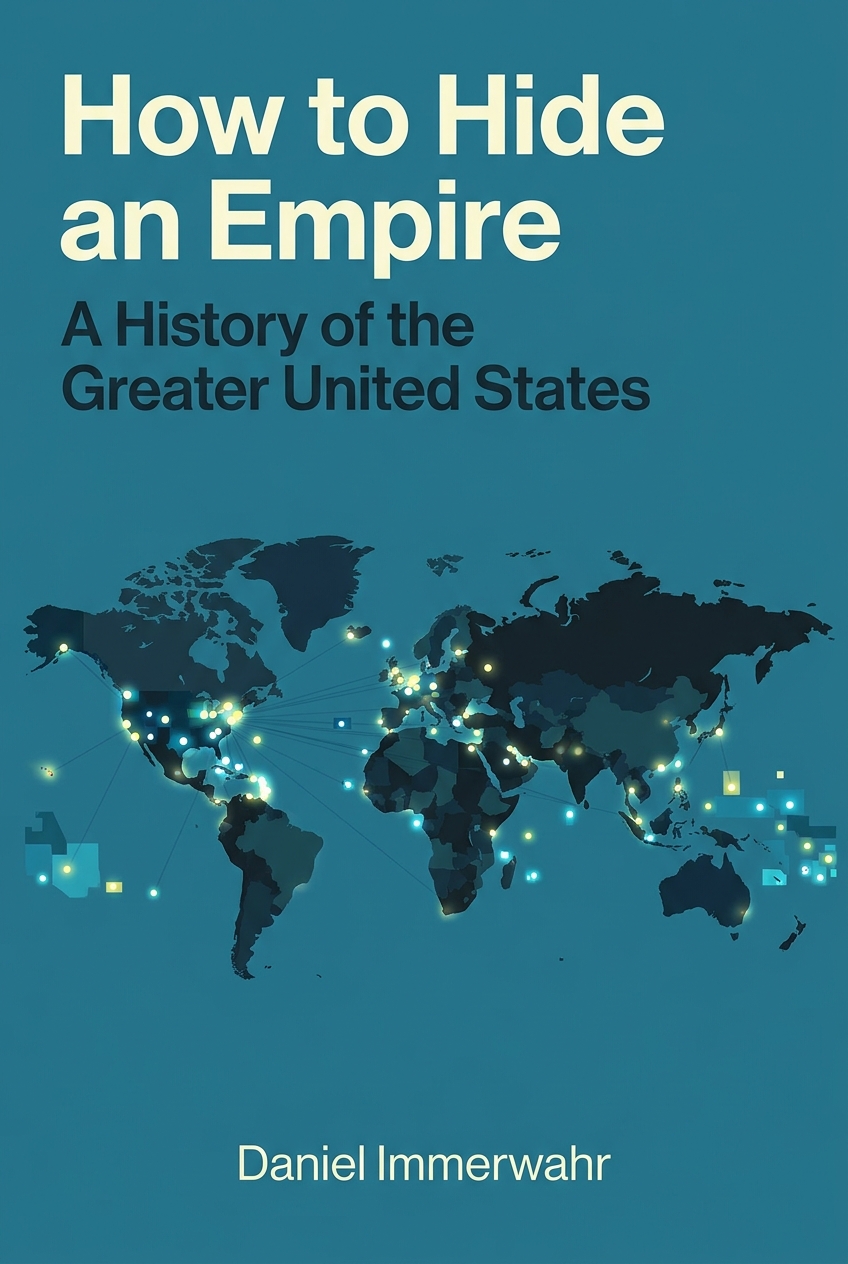
How to Hide an Empire
The forgotten story of America's overseas territories and imperial power.
- The U.S. has been an empire with colonies for most of its history.
- This 'Greater United States' has been deliberately erased from our memory.
- Imperialism has shaped domestic life, technology, and national identity.
Readers curious about the global impact and hidden territories of the U.S.
The forgotten story of America's overseas territories and imperial power.
The Great Contradiction
Explores how the Founding Fathers reconciled championing liberty with owning slaves.
- The founders knew slavery contradicted their proclaimed ideals of liberty.
- Political compromise and economic interests embedded slavery in the new nation.
- This core paradox is a central, unresolved tension in U.S. history.
Readers grappling with the complex legacy of the nation's Founders.
Explores how the Founding Fathers reconciled championing liberty with owning slaves.
U.S. History
A fast-paced, accessible overview of America's most pivotal events.
- Complex historical events can be understood through key causes and figures.
- A broad overview connects different eras of American history into one story.
- Understanding history doesn't have to be a boring recitation of dates.
Beginners or anyone needing a quick and engaging refresher on U.S. history.
A fast-paced, accessible overview of America's most pivotal events.
The Forgotten 500
The true story of WWII's largest and most secret rescue mission.
- Over 500 airmen were rescued from behind enemy lines in Nazi-occupied Yugoslavia.
- The mission, Operation Halyard, was a collaboration with Serbian guerrillas.
- Local villagers showed immense courage by risking their lives to hide the airmen.
Fans of military history and incredible true stories of heroism.
The true story of WWII's largest and most secret rescue mission.
Frequently Asked Questions
Learning about US history helps us understand the present. It explains the origins of current political debates, social structures, and cultural values, allowing us to be more informed citizens and make better decisions about the future.
For an introduction to us history, books like David McCullough's "1776" or Erik Larson's "The Demon of Unrest" are great starting points. They focus on specific, pivotal moments with compelling storytelling that makes history accessible and engaging.
US history is the study of the past events, people, and developments that have shaped the United States. It's not just a list of dates, but a complex and often contested story about how the nation's society, politics, and culture have evolved over time.
Look at the author's sources, perspective, and what they choose to emphasize or omit. Comparing books with different viewpoints, such as "A People's History of the United States" and "A Patriot's History of the United States," can reveal competing interpretations of the same events.
For beginners, a great starting point is 'U.S. History' by Billy Wellman, which offers a fast-paced overview of key events. 'Lies My Teacher Told Me' by James W. Loewen is also excellent, as it deconstructs common myths and provides a more critical foundation for further learning.
To see U.S. history from a new angle, 'A People's History of the United States' by Howard Zinn is essential, focusing on the stories of everyday people. 'An Indigenous Peoples' History of the United States' by Roxanne Dunbar-Ortiz and 'Black AF History' by Michael Harriot also radically reframe the national narrative.
Absolutely. '1776' by David McCullough provides a gripping account of the Revolutionary War's most critical year. For a look at the complex figures of the era, 'The Great Contradiction' based on Joseph J. Ellis's work dissects the paradox of the Founders championing liberty while upholding slavery.
Studying American history is crucial because it explains how our society, government, and culture came to be. It provides context for current events, reveals the origins of ongoing social and political issues, and helps us learn from past mistakes and triumphs.
Key lessons include the ongoing struggle for equality, the power of innovation to drive progress, and the importance of civic engagement in a democracy. Many of the best american history books explore these lessons by showing that history is often complex and told from many different viewpoints.
American history directly shaped the world today through its democratic principles, its economic impact on global markets, and its cultural influence worldwide. Excellent american history books make clear how foundational decisions on race, land, and law continue to have profound effects on contemporary American life.