Understanding the 'Why' Behind the 'What'
Have you ever finished a pint of ice cream when you planned to have just one spoonful? Or found yourself procrastinating on a crucial task, even when you knew the deadline was looming? These common struggles are not signs of failure; they are windows into the fascinating world of human behavior. Understanding the hidden scripts that run our lives is the first step toward rewriting them, and some of the most powerful insights come from foundational books on behavioral psychology.
So, what is behavioral psychology? At its core, it's the scientific study of observable human actions and the internal and external factors that shape them. It moves beyond simple introspection to analyze the patterns, triggers, and consequences that govern why we do what we do. Whether you're a student trying to optimize your study habits, a professional aiming for better decision-making at work, or simply someone curious about the human mind, this field offers invaluable tools for self-understanding and growth.
Why is Behavioral Psychology Important?
Understanding the principles of behavior isn't just an academic exercise; it's a practical skillset for navigating the modern world. Why is behavioral psychology important? Because it demystifies our actions and empowers us to become more intentional architects of our own lives. From our financial habits to our personal relationships, our behaviors determine our outcomes. This field helps us see the behavioral psychology causes and effects that play out every day, often beneath our conscious awareness.
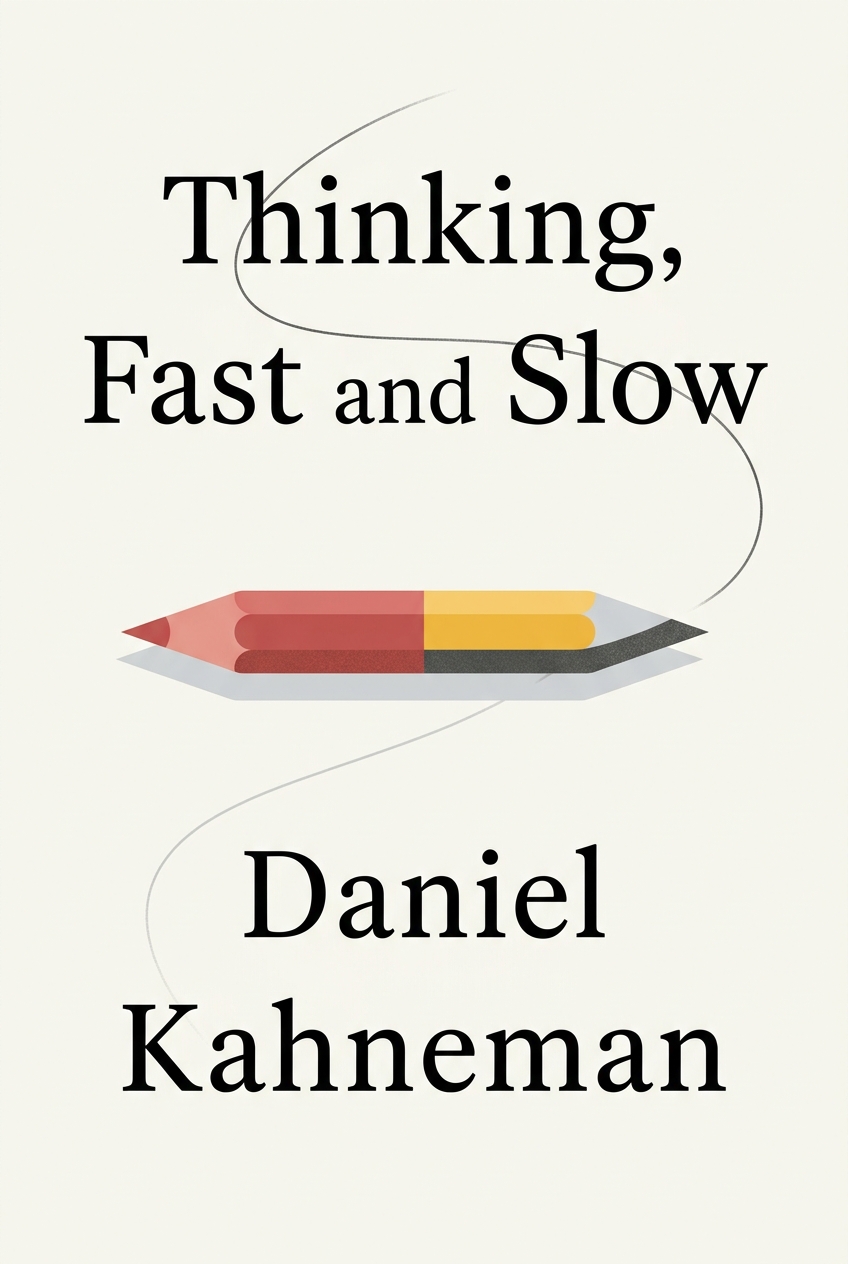
Perhaps no work illustrates this better than Nobel laureate Daniel Kahneman’s Thinking, Fast and Slow. Kahneman introduces a revolutionary framework for understanding the mind: a two-system model. 'System 1' is our fast, intuitive, and emotional brain. It operates automatically and is responsible for snap judgments, gut feelings, and habitual actions. 'System 2,' on the other hand, is our slow, deliberate, and logical mind. It handles complex computations and conscious decision-making, but it's also lazy and easily depleted.
The constant interplay between these two systems explains a vast range of our behaviors. When you instinctively swerve to avoid an obstacle while driving, that’s System 1. When you sit down to solve a complex math problem, you are engaging System 2. The problem, Kahneman reveals, is that we often rely on the fast and error-prone System 1 in situations that demand the careful analysis of System 2. This dynamic explains why we're susceptible to cognitive biases—systematic errors in thinking that affect our judgment and choices, from the products we buy to the people we trust.
Foundational Concepts from Influential Authors
Many brilliant thinkers have contributed to our modern understanding of behavior. Exploring their core ideas is like getting a user's manual for the human brain. The most insightful books on behavioral psychology don't just present theories; they offer new lenses through which to see yourself and the world.
The Architecture of Our Choices
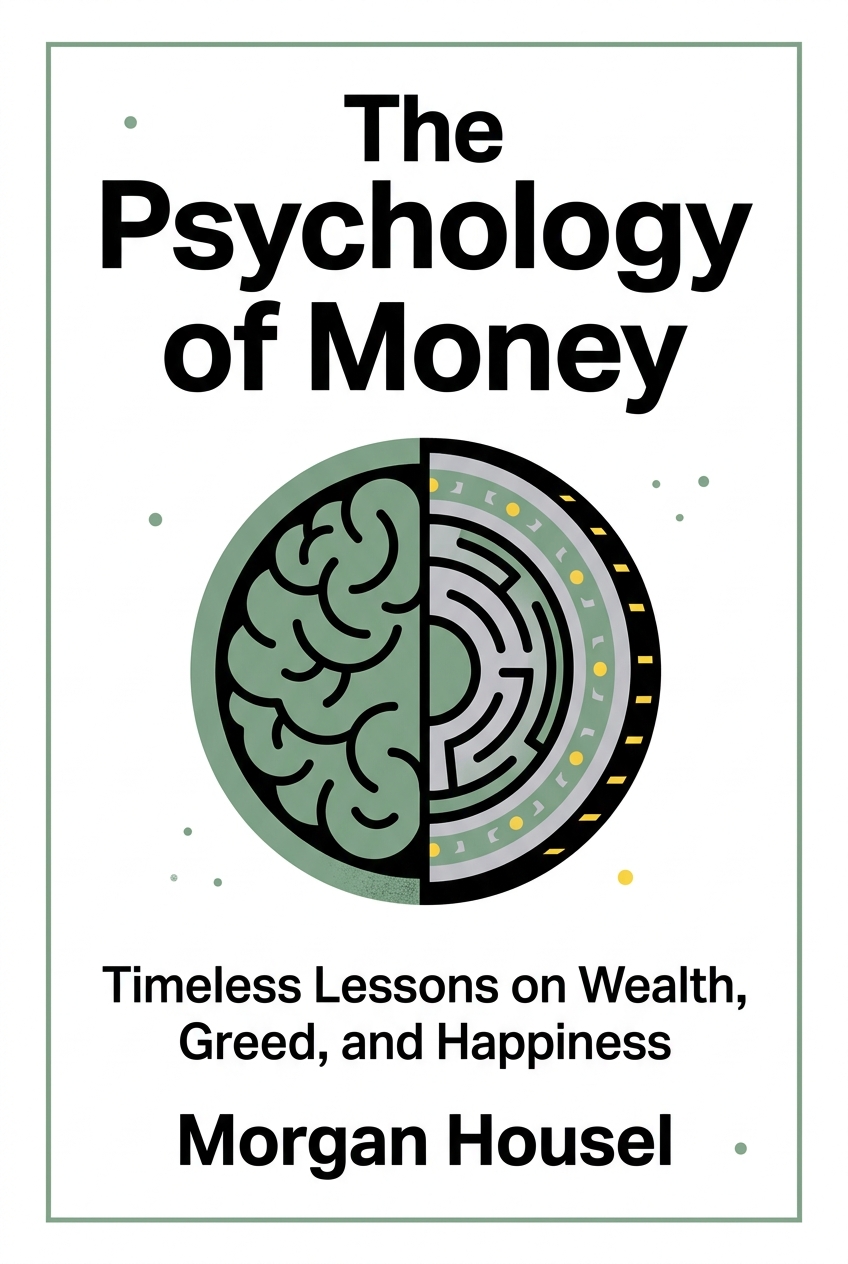
The principles of behavioral psychology extend into every corner of our lives, including the ones we think are governed purely by logic, like our finances. In The Psychology of Money, Morgan Housel makes a compelling case that financial success has less to do with intelligence and spreadsheets and far more to do with behavior. He argues that how you behave is more important than what you know.
One of his key insights is that getting money and keeping money are two completely different skills. Getting money often involves risk-taking, optimism, and an aggressive mindset. Keeping money, however, requires the opposite: humility, fear, and an appreciation for how quickly wealth can disappear. This explains why so many lottery winners or one-hit-wonder entrepreneurs end up broke. They mastered the behavior of acquiring wealth but failed to adopt the behavior of preserving it. This is a perfect example for professionals looking to apply behavioral psychology at work; success isn't just about bold moves, but also about the disciplined, consistent behaviors that ensure long-term stability.
How Your Brain Constructs Your Reality
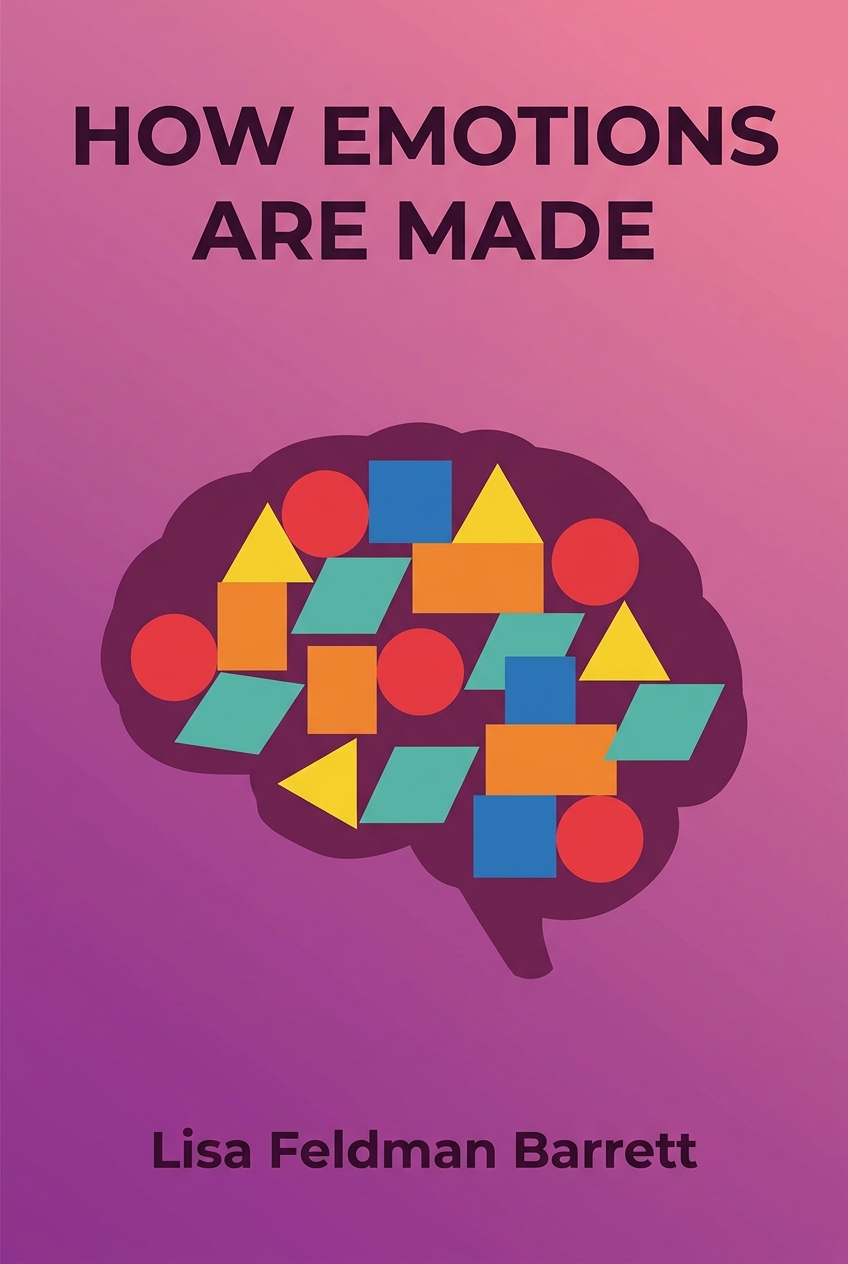
For a long time, science held a classical view of emotions: that they are universal, hardwired reactions triggered by external events. You see a snake, and your brain’s “fear circuit” fires. But what if that’s not how it works at all? In How Emotions Are Made, Dr. Lisa Feldman Barrett presents a groundbreaking alternative: the theory of constructed emotion.
Barrett argues that emotions are not pre-programmed reactions but active constructions. Your brain is a predictive organ, constantly using past experiences to predict what sensory information means and how to act on it. An emotion is simply your brain’s best guess in a given situation. This means you have more control than you think. You are an architect of your emotional experience, not a passive victim of it. This knowledge is profoundly empowering and forms the basis for effective behavioral psychology coping strategies. By changing the concepts your brain uses to make meaning—what Barrett calls increasing your “emotional granularity”—you can learn to construct more nuanced and beneficial emotional responses, which in turn drives more thoughtful behavior.
The Unconscious Drivers of Everyday Actions
While modern science gives us new frameworks, we can’t talk about hidden mental processes without acknowledging the work of Sigmund Freud. In The Psychopathology of Everyday Life, Freud argues that seemingly random mistakes—forgetting a name, misspeaking a word, or a clumsy accident—are not random at all. He called these “parapraxes,” or what we now know as Freudian slips.
According to Freud, these slips are clues from our unconscious mind, revealing repressed thoughts and desires that battle with our conscious intentions. For example, forgetting the name of someone you dislike isn’t just a memory lapse; it’s an unconscious act of avoidance. While modern psychology has moved beyond many of Freud’s theories, his core idea that our behavior is often driven by forces we don’t consciously recognize remains a central theme. These slips can be seen as signs of behavioral psychology at work, showing that our minds are a complex landscape of competing motivations.
Applying Behavioral Psychology in Your Life
Understanding these concepts is fascinating, but their true value lies in application. Behavioral psychology for beginners and experts alike is about turning insight into action. The goal is to move from being passively influenced by your mental shortcuts to actively shaping your behavioral patterns.
Overcoming Negative Patterns and Building Better Habits
So, how do you overcome behavioral patterns that no longer serve you? The key is to work with your brain’s wiring, not against it. This involves making desired behaviors easier and undesired ones harder. Instead of relying on the limited resource of willpower (a System 2 function), you can design your environment to nudge your automatic System 1 toward better choices.
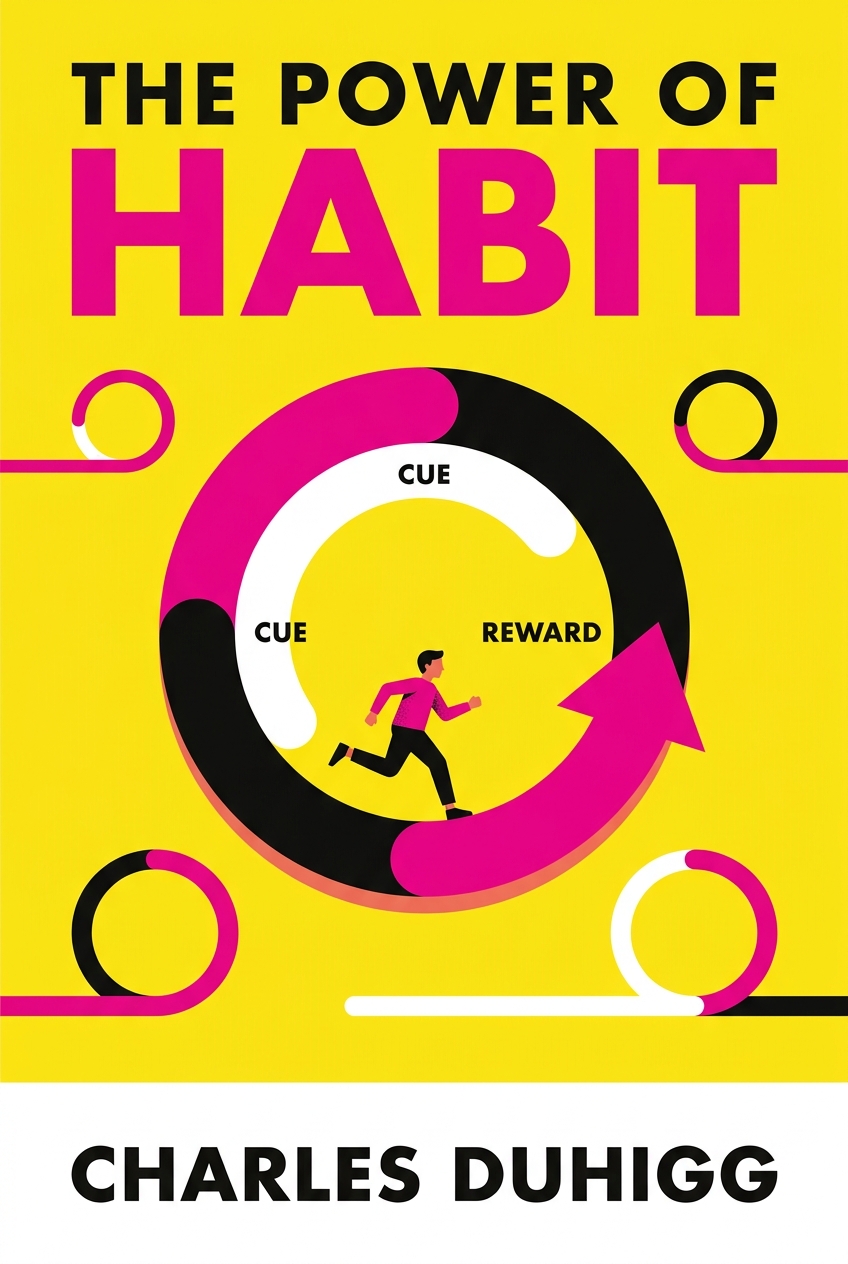
This is the foundation of many practical behavioral psychology exercises. For instance, if you want to eat healthier, don't just try to resist junk food; remove it from your house. If you want to exercise in the morning, lay out your gym clothes the night before. These simple environmental cues reduce the friction required to start a good habit, making it more likely that your automatic brain will comply. Addressing the question of how to overcome behavioral psychology long term is about creating these robust systems that support your goals even when you're tired, stressed, or unmotivated.
The principles of behavioral psychology are a superpower in professional and academic settings. For students, understanding the psychology of focus and habit formation can transform study sessions from dreaded chores into effective learning periods. Techniques like time-blocking, minimizing distractions (turning off phone notifications), and rewarding progress can help manage the brain's natural tendency toward distraction and procrastination.
For professionals, an awareness of cognitive biases is crucial. The overconfidence effect, confirmation bias (seeking out information that confirms our existing beliefs), and availability heuristic (overestimating the importance of information that is easily recalled) can derail important decisions and strategies. By learning to recognize these biases in themselves and their teams, leaders can foster a culture of more critical thinking, leading to better outcomes and innovation. It’s a clear demonstration of behavioral psychology at work, creating more resilient and effective organizations.
Master key ideas in 15 minutes
Listen to audio summaries of these books on VoxBrief
Download Free