Look around you. Whether you’re in a bustling city or a quiet park, you are part of an intricate, invisible web of connections. This web—the relationship between organisms and their environment—is the subject of ecology. It’s a field that asks big questions about how life works and our place within it. For anyone looking for an introduction to ecology, diving into the stories and discoveries of its greatest explorers can be a powerful start. This guide will walk you through core ecological concepts, using insights from some of the best books about ecology to bring these ideas to life.
What is Ecology and Why is It Important?
At its heart, ecology is the scientific study of interactions. It examines how living things relate to each other and to their non-living surroundings. This isn't just an abstract academic pursuit; it's the instruction manual for our planet. Understanding ecology basics is crucial because these interactions create the very conditions necessary for our survival.
So, why is ecology important? Because it explains where our clean air, fresh water, and fertile soil come from. It reveals the delicate balance that allows ecosystems to absorb pollution, pollinate crops, and regulate the climate. When we talk about ecology, we are talking about the foundational systems that support all life on Earth, including our own. Learning how does ecology work is to learn how our world sustains itself.
Ecosystems: The Theaters of Life
An ecosystem is any community of living and non-living things that work together. It can be as vast as an ocean or as small as a puddle. Within these systems, energy and nutrients flow from one organism to another in complex food webs. Ecologists study these flows to understand the health and stability of an environment. A healthy ecosystem is resilient, able to withstand disturbances and continue functioning, while a damaged one can collapse, with devastating consequences for all its inhabitants.
Biodiversity: The Foundation of Resilience
Biodiversity refers to the variety of life in an ecosystem or on the entire planet. High biodiversity makes ecosystems stronger and more adaptable. Each species plays a role, and the loss of even one can have ripple effects throughout the system. Preserving biodiversity isn't just about saving charismatic animals; it's about maintaining the complex machinery that keeps our planet's life-support systems running smoothly.
Discovering the Hidden Networks That Connect Life
For a long time, we viewed nature as a competitive arena where individuals battled for resources. But some of the most exciting latest ecology discoveries have revealed a world built far more on cooperation and connection than we ever imagined. This is especially true in the world of forests and fungi.
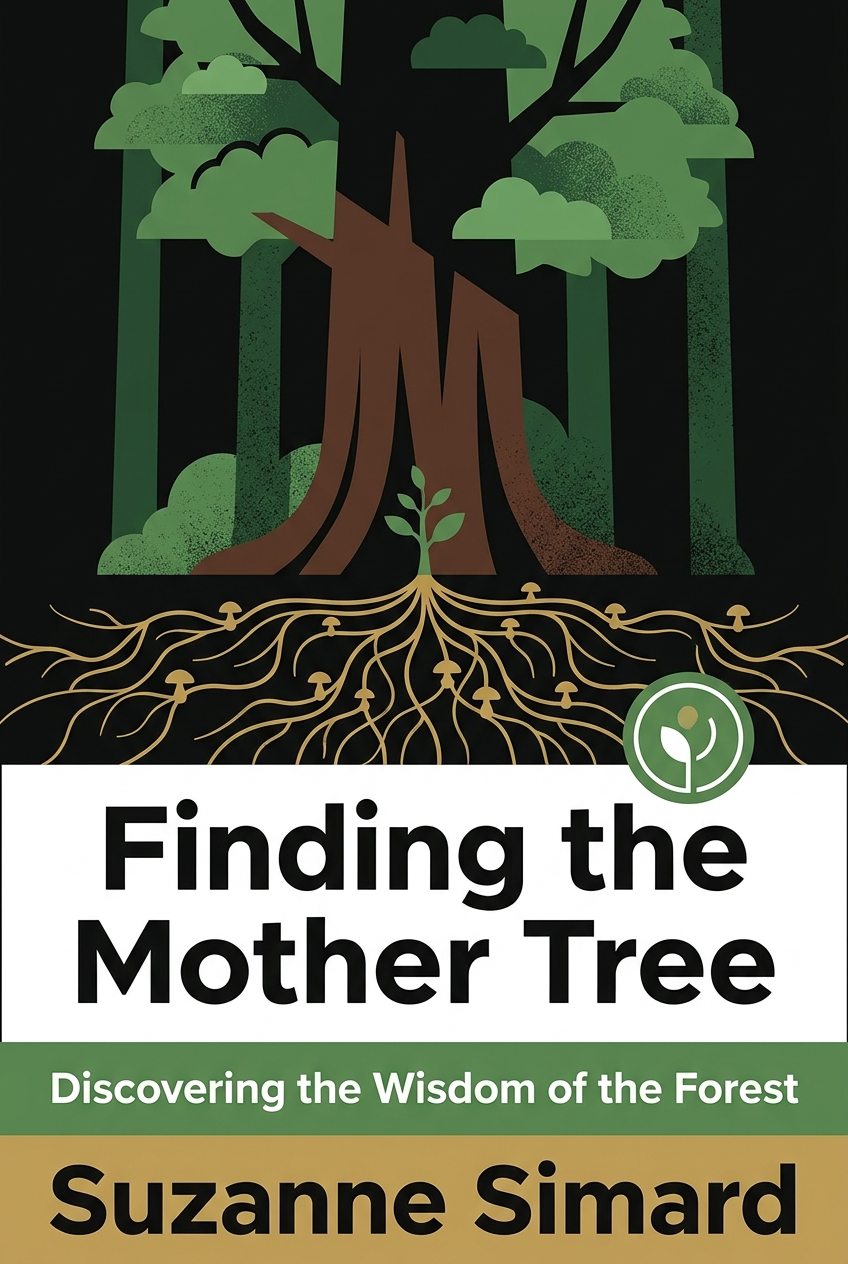
In her groundbreaking book Finding the Mother Tree, Dr. Suzanne Simard shares her life's work uncovering the secret communication network beneath the forest floor. She proved that trees are not solitary individuals but are linked by vast underground fungal networks, which she famously dubbed the "Wood-Wide Web." Through this network, trees share resources like carbon, water, and nutrients. Simard's research identified central hub trees, or "Mother Trees," that nurture younger saplings, even those of different species, and send warning signals about threats like insects or disease. This turns our understanding of a forest from a collection of competitors into a collaborative, intelligent community.
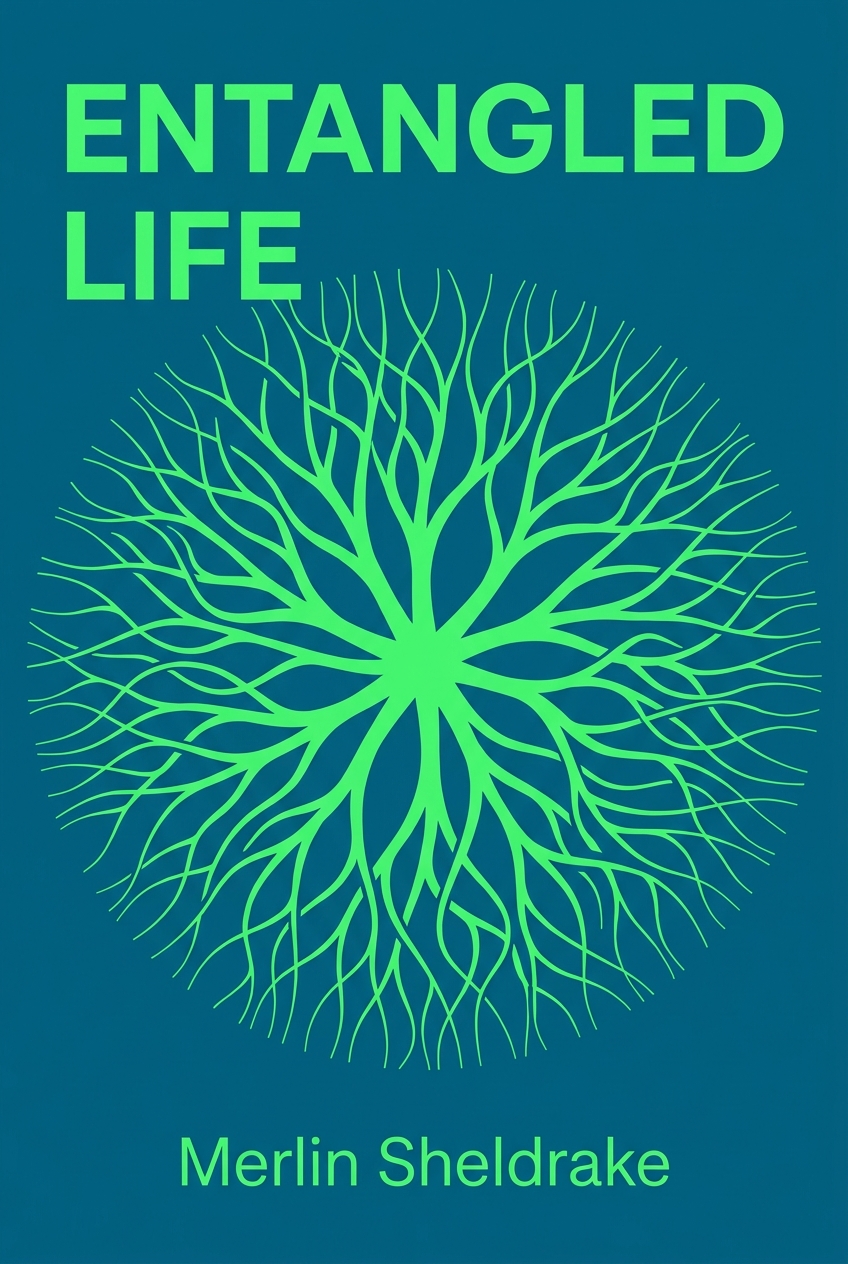
Building on this theme of interconnectedness, biologist Merlin Sheldrake’s Entangled Life takes us deeper into the kingdom of fungi. He explains that the mushroom we see is just the fruit of a much larger organism: a sprawling, underground network called mycelium. Sheldrake describes these networks as the "hidden architects of life," breaking down rock to create soil and acting as the digestive and nervous systems of entire ecosystems. He posits that these vast networks exhibit behaviors that look like intelligence, solving problems and making decisions without a central brain. Fungi, he argues, teach us that the world is an interconnected web of relationships, fundamentally challenging our ideas of individuality and intelligence.
A Guide to the Best Books About Ecology and Our Role in Nature
Understanding these hidden connections is the first step. The next is recognizing our own place—and impact—within this immense web. The best books about ecology do more than just explain natural processes; they force us to confront how our actions are reshaping the planet on a fundamental level. This is a crucial area of study for anyone interested in ecology for beginners, as it links scientific concepts directly to our daily lives.
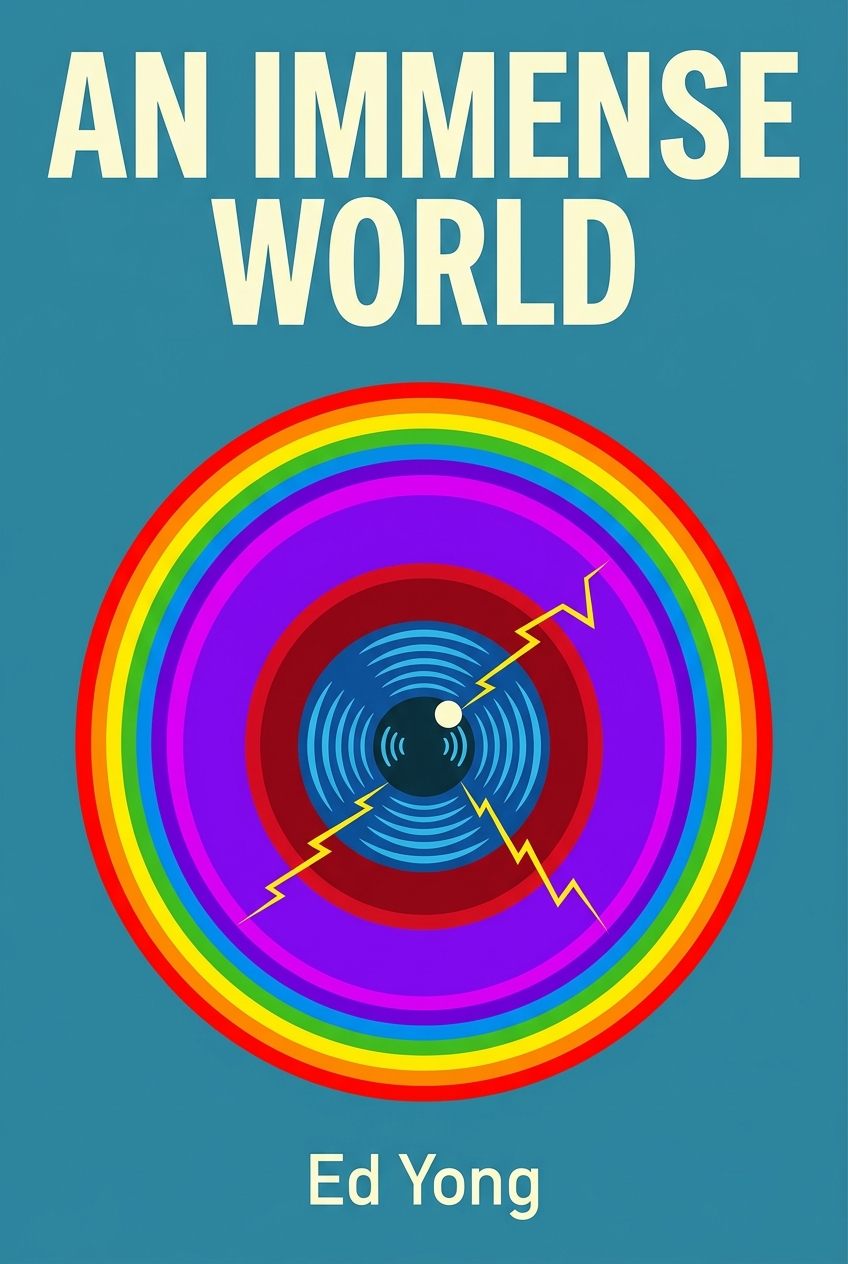
Before we can grasp our impact, we must first appreciate the diversity of life we're impacting. Science journalist Ed Yong does this brilliantly in An Immense World. He introduces the concept of the Umwelt—the unique perceptual world of an animal. A bee sees patterns of ultraviolet light on flowers that are invisible to us; a star-nosed mole feels its world through 22 fleshy appendages on its nose; a dolphin perceives its surroundings through echolocation. Yong takes us on a tour of these alien sensory realms, showing that our human experience is just one thin slice of reality. This perspective is essential for appreciating biodiversity, but Yong also delivers a warning: our human activities create sensory pollution—excess light, noise, and chemical signals—that drowns out the cues other animals rely on to survive, effectively blinding them to their own worlds.
Conservation in the Age of Climate Change
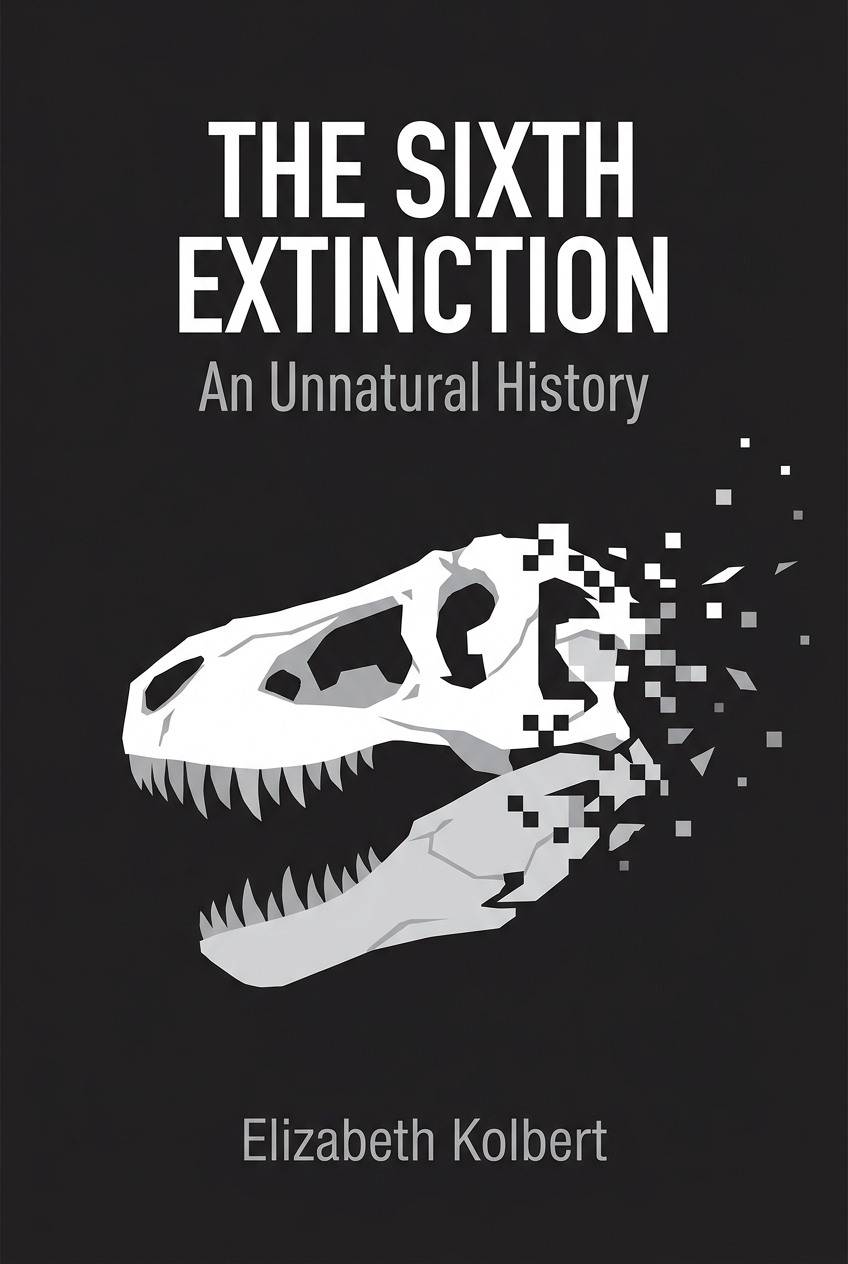
From sensory pollution, it’s a short step to the larger disruptions we are causing. In her Pulitzer Prize-winning book, The Sixth Extinction, Elizabeth Kolbert serves as a guide to the front lines of what scientists now recognize as a mass extinction event driven by human activity. She contrasts today's crisis with past extinctions, revealing the terrifying speed and scale of the changes we've set in motion. Kolbert highlights the "three horsemen" of our modern ecological apocalypse: global warming, ocean acidification, and the reconfiguration of ecosystems by transporting species across the globe. This work is a sobering but essential read for understanding the stakes of climate change and the urgent need for conservation.
Environmental Science and Daily Decisions
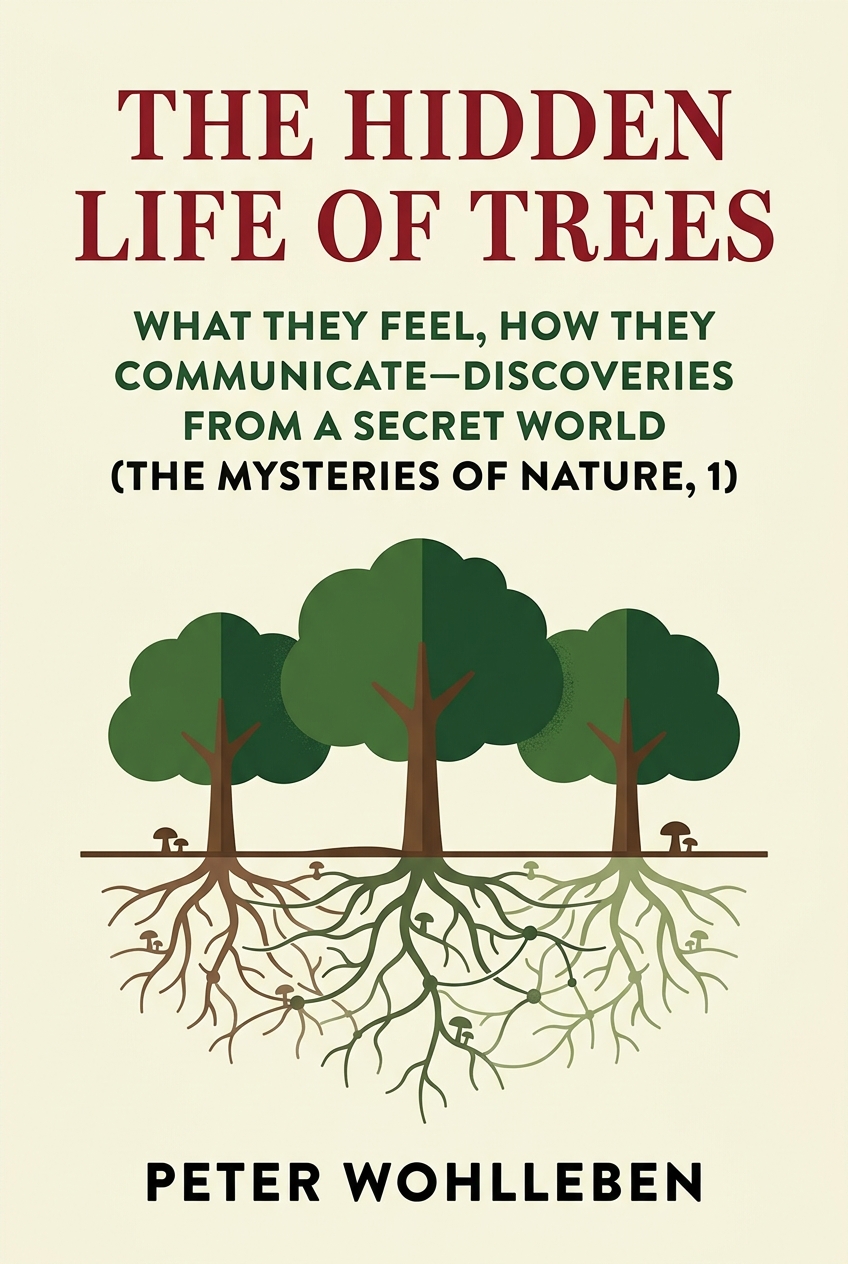
This knowledge can feel overwhelming, but it is also empowering. Environmental science gives us the tools to apply ecological principles to solve problems. Peter Wohlleben, a German forester, demonstrates this in The Hidden Life of Trees. He argues that modern industrial forestry, which treats a forest like a crop of timber, is profoundly damaging precisely because it ignores the ecological reality of the forest as a social network. Practices like clear-cutting and planting monocultures destroy the complex relationships that make a forest resilient. Wohlleben's work shows how understanding the true nature of trees can lead to more sustainable, responsible, and ultimately more productive forestry practices. It’s a powerful example of how does ecology affect daily life and the industries we depend on.
A New Way of Seeing
Exploring the world through the lens of ecology changes how you see everything. A single tree is no longer just a tree; it's a member of a community, a hub in a network, and a habitat for countless other organisms. A walk in the park becomes a journey through different sensory worlds. The choices you make at the grocery store become part of a global story about biodiversity and climate change.
The journey into ecology is one of expanding perspective—from the individual to the network, from the human to the non-human, and from the present moment to the deep past and uncertain future. By engaging with these ideas, we can begin to understand the immense, entangled, and fragile world we are a part of and, hopefully, learn to live within it more wisely.
Master key ideas in 15 minutes
Listen to audio summaries of these books on VoxBrief
Download Free