A Founder's Reading List: The Top Books For Aspiring Entrepreneurs
By VoxBrief Team··5 min read
The leap into entrepreneurship is one of the most exciting and daunting journeys one can undertake. It’s a path filled with the promise of independence, innovation, and impact. But what is entrepreneurship at its core? It's the process of designing, launching, and running a new business, which is often initially a small business. However, success is rarely born from a great idea alone; it is forged through resilience, strategy, and a deep understanding of fundamental business principles. For those ready to build something of their own, learning from those who have already navigated this path is essential. That's why we've analyzed insights from some of the top books for aspiring entrepreneurs to create a guide to the foundational knowledge you need.
The Entrepreneurial Mindset: It All Starts with 'Why'
Before you can devise a business plan or seek venture capital, you must first build a solid psychological and philosophical foundation. The entrepreneurial journey is a marathon, not a sprint, and your motivation will be tested daily. This is why understanding your core purpose is not a soft skill—it’s a survival requirement. Answering the question of 'why' is one of the most critical entrepreneurship strategies you can adopt.
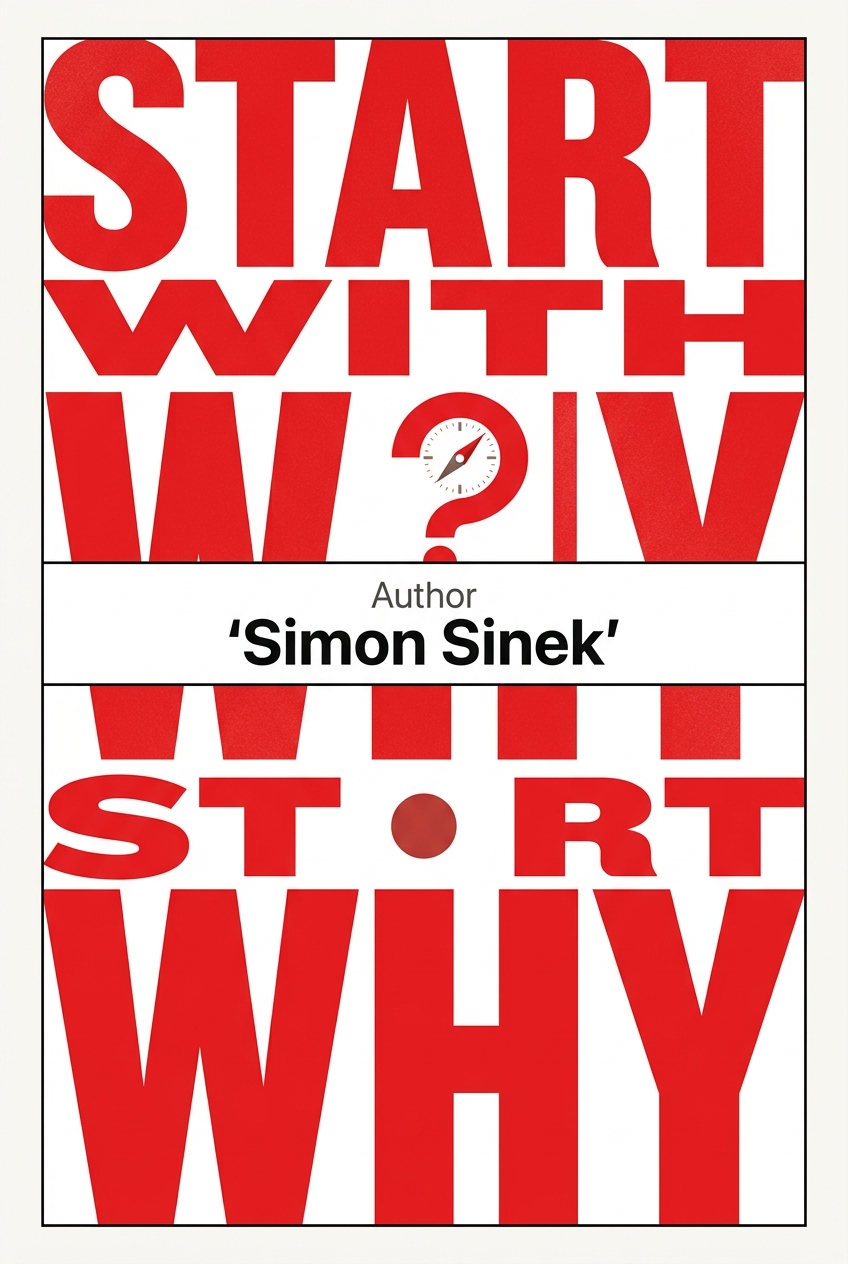
In his seminal work, Start with Why, Simon Sinek introduces a powerful framework called "The Golden Circle." He argues that most companies communicate from the outside in, starting with what they do, moving to how they do it, and rarely articulating why they do it. Inspiring leaders and brands do the exact opposite. They start with their 'Why'—their purpose, cause, or belief. This approach doesn't just sell products; it attracts a tribe of true believers, employees, and customers who share the same core values. For any startup, clearly defining this 'Why' is the first step in building a brand that resonates on a human level, fostering a culture that can withstand challenges, and making decisions that are aligned with a greater vision.
Building the Engine: Core Frameworks for a Sustainable Business
With a clear 'Why' as your North Star, the next challenge is building the 'How' and the 'What'—the actual business. This is where many founders get lost, either by over-planning to the point of paralysis or by rushing into execution without a system for learning. The key is to build a business engine that is both resilient and adaptable. This involves a disciplined approach to testing ideas and creating systems that enable scale.
The Science of Startup Strategy
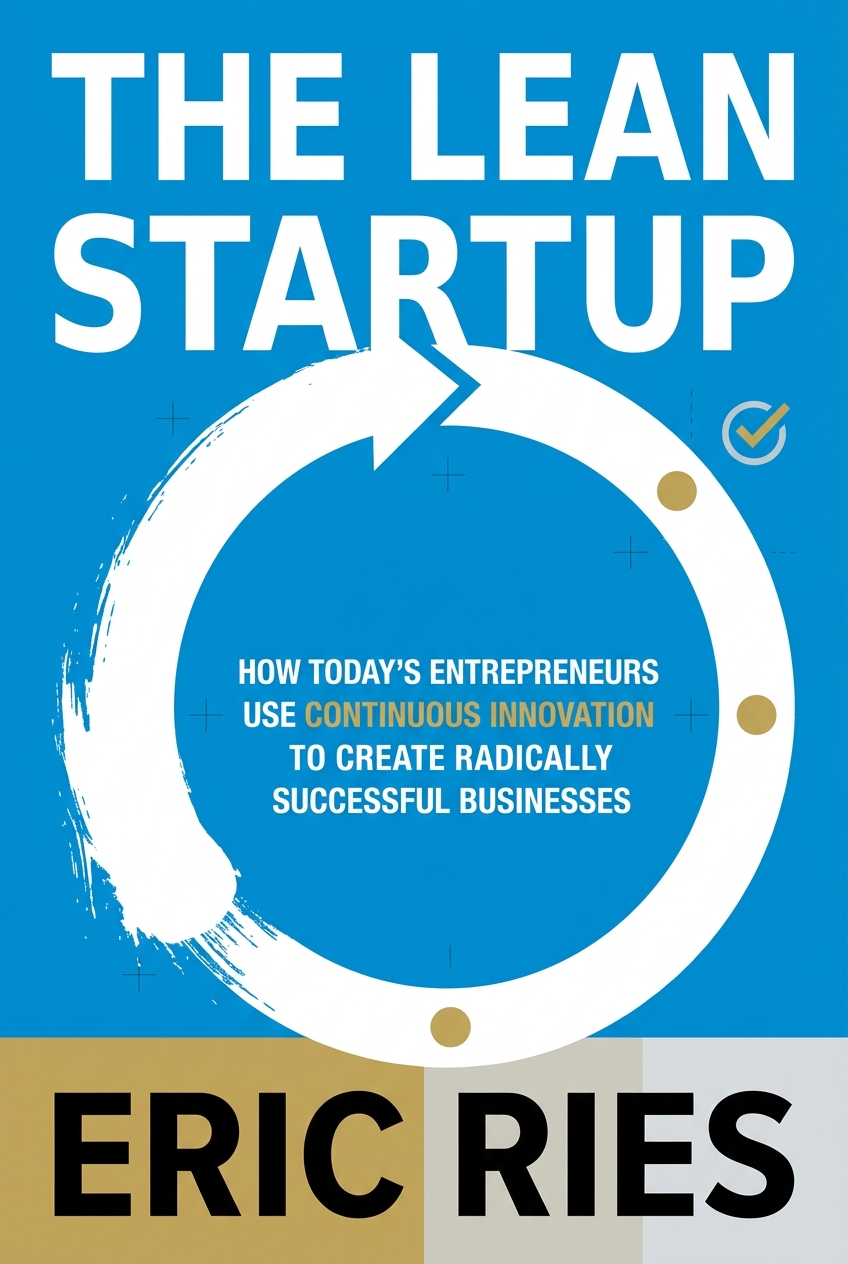
Eric Ries’s The Lean Startup revolutionized modern entrepreneurship by introducing a scientific method to building businesses. The core idea is to eliminate uncertainty by focusing on "validated learning." Instead of building a full-featured product based on assumptions, you start by creating a Minimum Viable Product (MVP)—the smallest possible version of your product that allows you to start the learning process. This MVP is pushed through a simple feedback loop: Build-Measure-Learn. You build the MVP, measure how customers respond, and then learn whether to persevere with your strategy or pivot. A pivot isn't a failure; it's a structured course correction designed to test a new fundamental hypothesis about the product, strategy, and engine of growth. This process is the fastest way to find product-market fit and avoid wasting time and resources on something nobody wants. Applying this framework is central to how to improve entrepreneurship capabilities within any organization.
Escaping the Technician's Trap
Many businesses are started by practitioners who are experts at their craft—a great baker who opens a bakery, a talented coder who starts a software company. In The E-Myth Revisited, Michael E. Gerber identifies this as the "Fatal Assumption." Just because you understand the technical work of a business doesn't mean you understand how to build a business that does that technical work. Gerber argues that every founder embodies three conflicting personalities: The Technician (the doer), The Manager (the organizer), and The Entrepreneur (the visionary). Most entrepreneurship for small business owners get stuck as Technicians, working in their business rather than on it. The business becomes a job they can't leave.
The solution is to adopt what Gerber calls the "Franchise Prototype" mindset. This means building your business with systems, processes, and a clear operational structure from day one, as if you were going to franchise it. You document everything, from how the phone is answered to how the product is delivered. This forces you to create a business that is systems-dependent, not people-dependent, freeing you to focus on strategic growth as an entrepreneur. This is one of the most vital entrepreneurship frameworks for achieving long-term freedom and scalability.
Navigating the Hard Things: Leadership, Crisis, and Cash Flow
No amount of planning can completely shield you from the brutal realities of building a company. There will be moments of intense pressure, seemingly impossible decisions, and financial strain. The best founders are not those who avoid these challenges, but those who confront them with courage and a clear playbook. Learning from the top books for aspiring entrepreneurs can provide you with the mental models to handle these moments effectively.
Leadership When There Are No Easy Answers
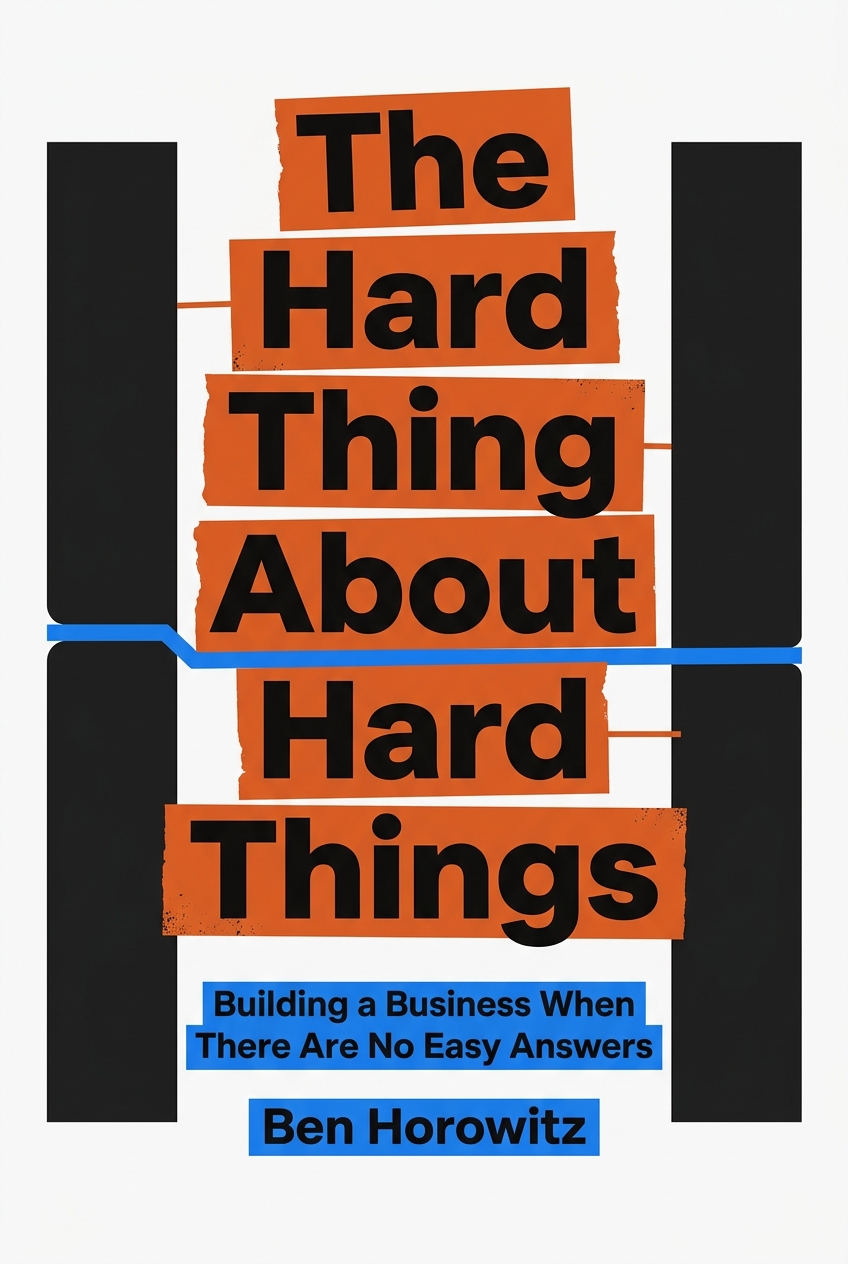
Ben Horowitz's The Hard Thing About Hard Things offers an unflinching look at the crises that leaders face. He dismisses easy formulas and instead focuses on the gut-wrenching decisions that define a CEO. One of his most crucial insights is what he calls "The Struggle"—that universal feeling of dread and pressure when the company's future is uncertain. Horowitz normalizes this experience, arguing that managing your own psychology is the most difficult skill a CEO must master.
He also provides powerful entrepreneurship best practices for leadership, like his framework of the "Wartime vs. Peacetime CEO." In peacetime, a company has a significant lead over the competition and can focus on expansion and creativity. In wartime, the company is fighting for survival against an existential threat. The leadership style must change dramatically; wartime requires a commanding, focused leader who can make fast, unilateral decisions. Understanding which mode your company is in is critical for making the right calls when everything is on the line. This context is equally valuable in entrepreneurship for managers leading teams through high-stakes projects.
Guaranteeing Profit From Day One
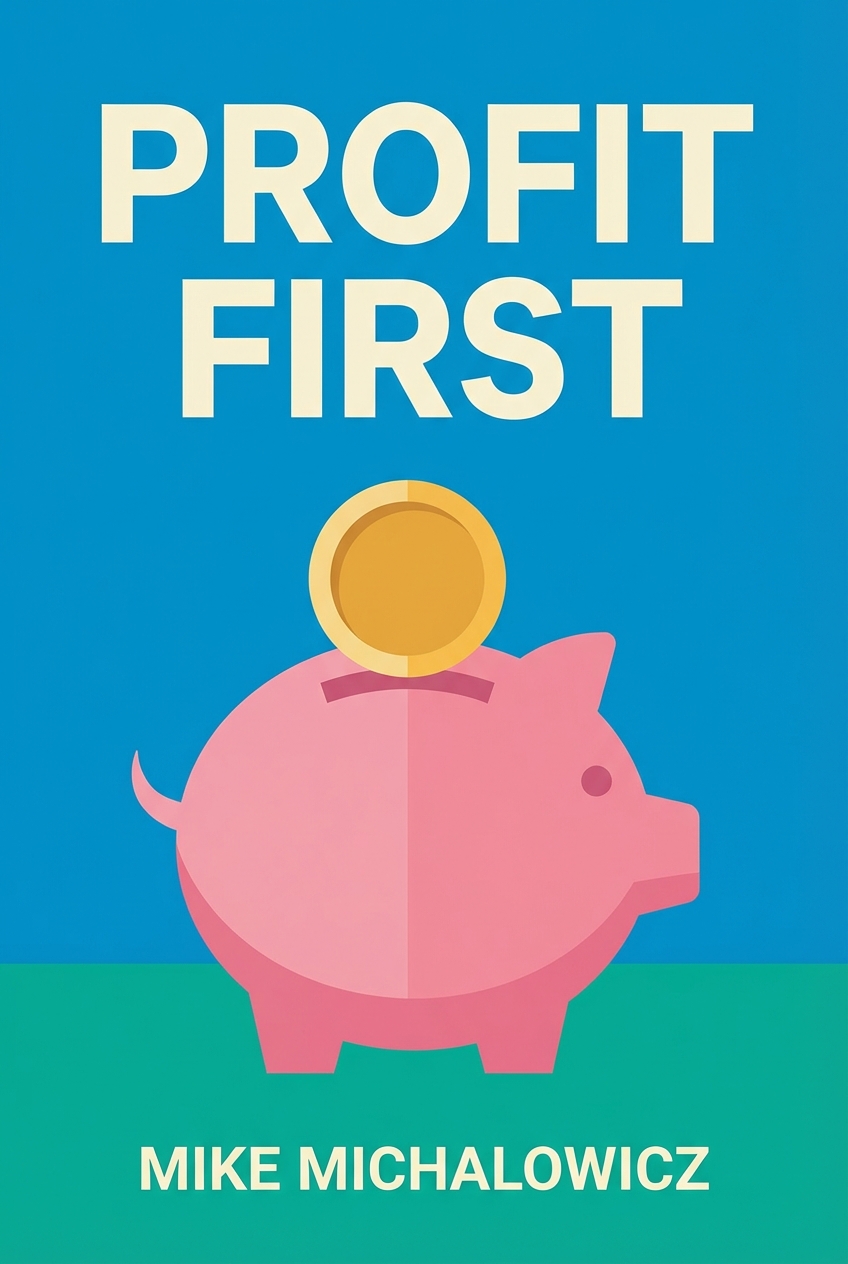
Ultimately, a business must be financially viable to survive. Yet, many entrepreneurs fall into the trap of the "cash-eating monster," where revenue grows but there’s never any money left over. Mike Michalowicz's Profit First tackles this problem with a brilliantly simple, counterintuitive system. The traditional accounting formula is Sales - Expenses = Profit. This makes profit an afterthought—whatever is left over, if anything. This encourages a cycle of spending everything you earn to grow.
Michalowicz flips the formula to Sales - Profit = Expenses. With this model, you pre-allocate a percentage of every single deposit into a separate 'Profit' account. The remaining money is what you have available for expenses. This simple behavioral shift forces you to operate more efficiently and creatively with the resources you have. Instead of asking, "Can I afford this?" you ask, "How can I get this done with the money I have?" By setting up a system of separate bank accounts (for profit, owner's pay, tax, and operating expenses), you build fiscal discipline directly into your cash flow, ensuring the business is profitable from the very next deposit. This method is a game-changer for anyone in entrepreneurship for startups, preventing the common fate of profitless growth.
The path of an entrepreneur is a relentless learning curve. The journey begins with a foundational 'Why,' evolves through the scientific construction of a lean business engine, and is sustained by resilient leadership and unwavering financial discipline. By internalizing the lessons from these landmark books, you aren't just gaining knowledge; you are acquiring a toolkit of mental models and entrepreneurship strategies that will help you make better decisions, navigate crises, and ultimately build a business that not only survives but thrives.
Master key ideas in 15 minutes
Listen to audio summaries of these books on VoxBrief
Entrepreneurship is the engine of innovation and economic growth. It introduces new products, services, and business models that solve customer problems, create jobs, and compel existing markets to become more efficient and user-focused.
You can develop entrepreneurship skills through a combination of structured learning and hands-on practice. This involves studying proven entrepreneurship frameworks, seeking mentorship, and actively applying concepts like the Build-Measure-Learn loop to test ideas and learn from real-world feedback.
Great entrepreneurship involves identifying a deep customer need and building a scalable solution. For instance, creating a business system that can run without you, as detailed in *The E-Myth Revisited*, or building a resilient company culture around a core purpose, a concept from *Start with Why*, are powerful examples.