What Is Grief? A Guide to Understanding Loss & Books About Grief
By VoxBrief Team··6 min read
Grief is a universal human experience, as unavoidable as it is painful. It arrives, often unannounced, following the loss of a loved one, the end of a relationship, the diagnosis of an illness, or the shattering of a lifelong dream. Yet, for something so common, it remains profoundly misunderstood. Understanding what is grief, how it works, and why it's so important to face it head-on is the first step toward healing. In this journey, well-chosen books about grief can serve as invaluable guides, offering wisdom, validation, and a path forward when the world feels dark.
This article is a guide for grief for beginners—and for anyone who feels lost in its fog. We'll explore the signs of grief, practical coping strategies, and how the insights from powerful stories can illuminate the road to recovery.
Understanding the Landscape of Grief
Before you can learn how to deal with grief, you must first understand what you're facing. Grief is not a single emotion; it's a tidal wave of them. It's the sorrow, the anger, the confusion, the guilt, and even the moments of unsettling numbness that follow a significant loss. The grief causes and effects are multifaceted, impacting every corner of your life.
Common signs of grief can manifest in several ways:
Emotional Signs: Intense sadness, anger, guilt, anxiety, loneliness, helplessness, shock, or a surprising lack of feeling.
Physical Signs: Fatigue, nausea, weight changes, aches and pains, insomnia, and a weakened immune system.
Cognitive Signs: Confusion, difficulty concentrating, disbelief, and obsessive thoughts about the loss.
Behavioral Signs: Social withdrawal, crying spells, avoiding reminders of the loss, or conversely, an obsession with them.
It’s crucial to recognize that grief is not limited to bereavement after a death. It's the natural response to any form of loss that disrupts your sense of identity and security. This could be a job loss, which can be particularly challenging for professionals whose identity is tied to their career, or a health diagnosis that alters your future.
The Myth of the Five Stages of Grief
You've likely heard of the 'stages of grief': denial, anger, bargaining, depression, and acceptance. While this framework, developed by Elisabeth Kübler-Ross, provided a much-needed vocabulary for dying patients, it's often misapplied as a linear checklist for the bereaved. The truth is, grief is messy. You may skip stages, revisit them out of order, or experience several at once. Viewing them as a rigid roadmap can lead to frustration, making you wonder why you aren't 'grieving correctly.' Instead, think of them as common signposts in a vast and unpredictable territory.
Coping with Loss and Moving Forward
Coping with loss is not about 'getting over it,' a phrase that implies erasing the past. It's about learning to live with the loss and carry it with you in a way that doesn't constantly weigh you down. This process involves acknowledging the pain, being patient with yourself, and actively seeking out strategies that support your healing. It's about moving forward after loss, not leaving your memories behind, but integrating them into a new version of your life.
Navigating Your Journey: Practical Grief Coping Strategies
If you're wondering how to overcome grief, the answer lies not in finding a magic cure, but in developing a toolkit of grief coping strategies. These are actions, mindsets, and support systems that help you process your pain and slowly rebuild. This is where personal work, and sometimes professional help like grief counseling, becomes essential.
Acknowledging the Gap Between Expectation and Reality
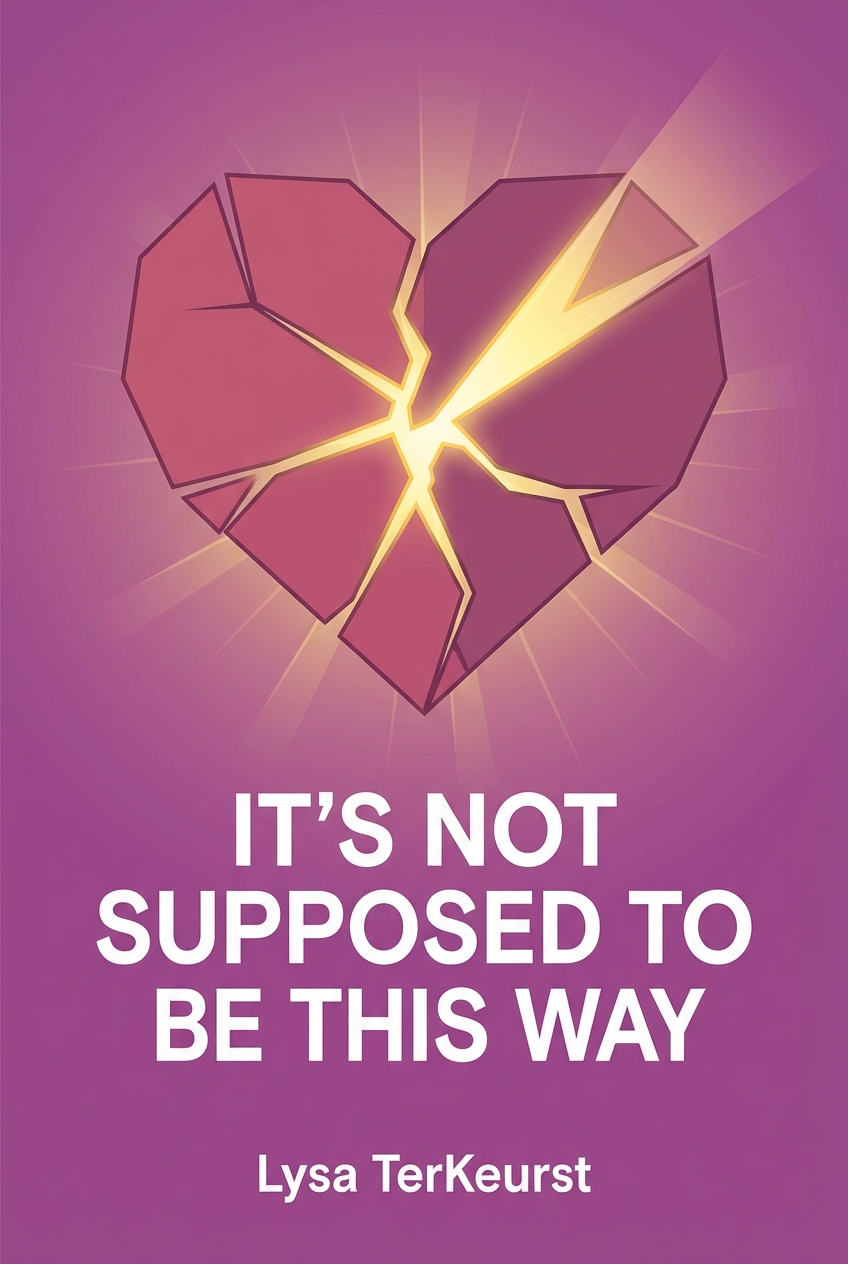
One of the most painful aspects of grief is the chasm it creates between the life you expected and the one you're now living. In her book, It's Not Supposed to Be This Way, Lysa TerKeurst powerfully names this the 'space between two gardens.' We all have an image of how our life should unfold, and when a devastating loss shatters that image, the disappointment is profound. TerKeurst argues that the first step is to give ourselves permission to acknowledge this pain without judgment.
This is particularly relevant for professionals experiencing grief at work, where there's immense pressure to maintain a facade of strength. TerKeurst warns against 'the danger of a good appearance,' where we pretend to be fine to avoid showing weakness. True healing begins when we stop projecting resilience and start honestly confronting the reality that we are being crushed. Acknowledging the pain is not weakness; it is the prerequisite for restoration.
Redefining Your Relationship with Time and Purpose
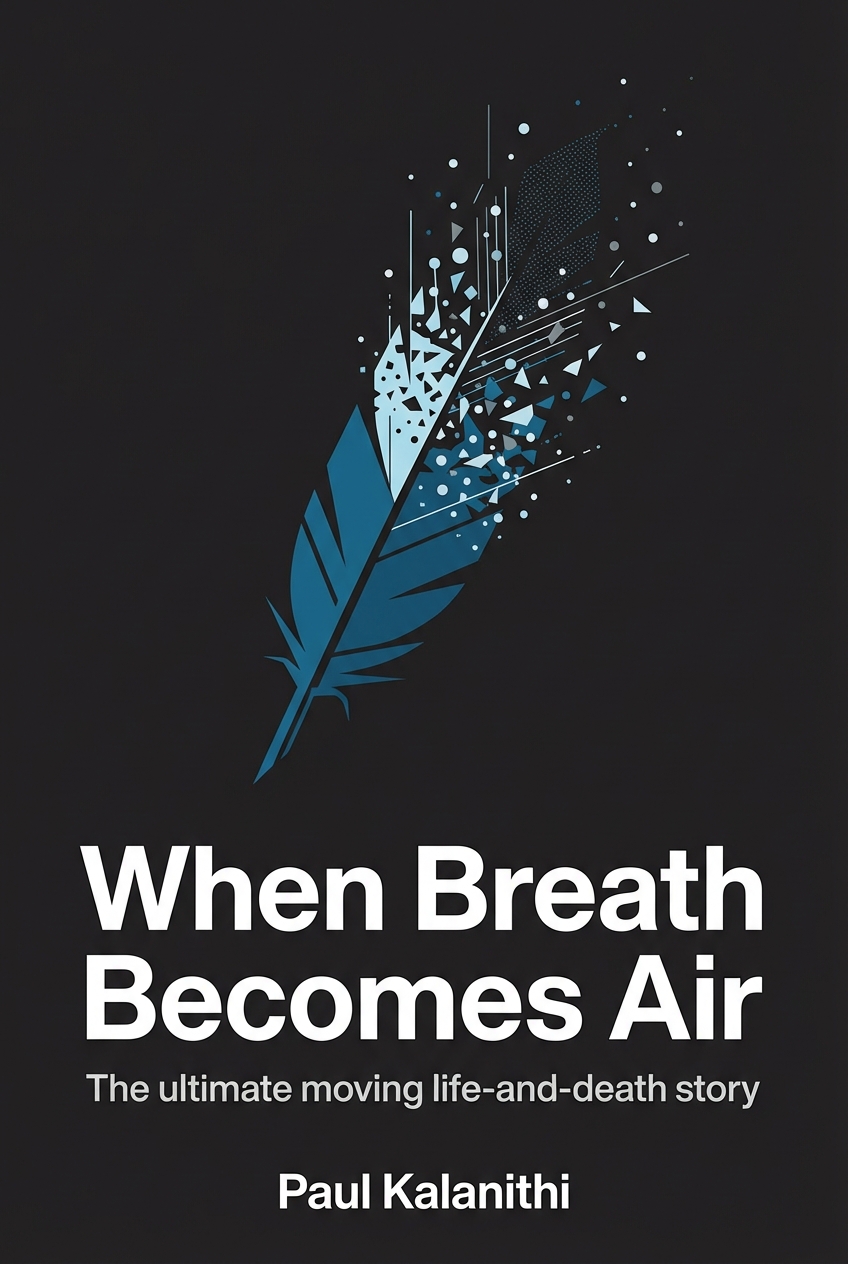
Profound loss, especially one tied to mortality like a terminal illness, fundamentally alters our relationship with time. In his breathtaking memoir, When Breath Becomes Air, neurosurgeon Paul Kalanithi chronicles his journey after being diagnosed with stage IV lung cancer at the peak of his career. He describes the 'collision of identity' he experienced, going from doctor to patient overnight. The secure, expansive future he had planned vanished.
For Kalanithi, this compression of time forced a ruthless re-prioritization. It prompted him to ask not 'what do I want to do?' but 'what gives my life meaning right now?' This is a powerful grief exercise for anyone. When the future feels uncertain, focusing on present meaning—in relationships, in small moments of beauty, in creative work—can provide an anchor. Kalanithi found that science explained the 'how' of his illness, but literature and philosophy gave him the language to understand his suffering and find purpose within it.
The Transformative Power of a Personal 'Winter'
Sometimes grief feels like a long, isolating winter. Author Kate Moses, in her novel Wintering, imagines the final months of Sylvia Plath's life, framing this dark period not as an ending, but as a necessary, transformative season. The book suggests that these periods of emotional cold and darkness are essential. It's in the 'winter' that we are forced to find out who we are when everything else is stripped away. For the character of Plath, creative work becomes a primal, life-sustaining force—a way to distill pain into power. This perspective reframes grief not just as an ordeal to be survived, but as a deeply creative and formative, albeit painful, process.
How Books About Grief Can Support Long-Term Healing
Reading may seem like a passive activity, but when it comes to grief, it's one of the most powerful tools for active healing. The right book acts as a mirror, a map, and a companion. It validates your chaotic feelings, assuring you that you're not alone and not 'crazy.' It provides a vocabulary for experiences that feel inexpressible, helping you articulate your pain to yourself and others.
For many, especially in the early stages, reading can be a form of grief for beginners, a gentle entry point into processing what has happened before they feel ready for therapy or support groups. The right grief books can help you understand the emotional, psychological, and even physiological symptoms you're experiencing, demystifying the process and reducing the fear that comes with it.
More than just providing information, these books offer stories. They show how others have navigated similar darkness. Michelle Knight's memoir Finding Me, about her decade in captivity, is an extreme example, but it demonstrates the incredible power of the human spirit to create 'psychological survival' tactics and find purpose after unimaginable trauma. Her story, and others like it, remind us that resilience isn't an innate trait but an active, moment-to-moment choice to keep going.
Ultimately, engaging with these narratives helps with how to overcome grief long term. It shifts the goal from 'getting back to normal' to finding a 'new normal.' The objective is not to forget the person or life you lost, but to build a new life that honors their memory while allowing for new joy, new growth, and new meaning. Books about grief show us it's possible.
Your journey through grief will be uniquely your own. There is no timeline and no right way to feel. Be patient with yourself. Allow for the sadness, the anger, and the moments of quiet reflection. By understanding the nature of your grief and using tools like the ones found in these powerful stories, you can navigate the darkness and emerge into the light, not unscathed, but stronger, wiser, and more deeply connected to what it means to be human.
Master key ideas in 15 minutes
Listen to audio summaries of these books on VoxBrief
Grief is a complex and deeply personal response to loss that affects us emotionally, physically, and socially. Struggles often arise because there's no single 'right' way to experience it, and the journey is rarely linear, which can be confusing and isolating.
While grief isn't something to 'get over,' your relationship with it can certainly improve. Through active coping strategies and self-compassion, the intensity of pain can lessen. Many find that the best grief books provide frameworks that help them integrate the loss into their lives.
Overcoming grief long-term isn't about forgetting, but integrating the loss into your life. This involves building new routines, finding new sources of meaning, and allowing yourself to experience joy again without guilt. It is a gradual process of rebuilding your life around the space the loss has left.