A Guide to the Best Books on Procrastination: How to Stop Starting Later
By VoxBrief Team··6 min read
That important project is due. You know you should start, but instead, you find yourself organizing your sock drawer, scrolling through social media, or suddenly deciding it’s the perfect time to research the history of the stapler. This cycle of delaying important tasks—often in favor of less critical ones—is a universal experience. It’s called procrastination, and while it might feel like a personal failing, the truth is far more complex and far less judgmental. Understanding how to overcome procrastination starts with understanding its roots, and for that, we turn to the insights found in some of the best books on procrastination.
This article isn't just a list; it’s a journey through the core ideas that can help you reclaim your time and productivity. We'll explore the psychological drivers behind procrastination, dissect powerful frameworks for taking action, and learn how to cultivate a mindset that favors progress over perfection. Whether you're a student facing a mountain of coursework, a professional trying to manage deadlines, or anyone who feels stuck in a loop of 'I'll do it later,' these concepts offer a clear path forward.
Understanding the "Why": The Psychological Roots of Procrastination
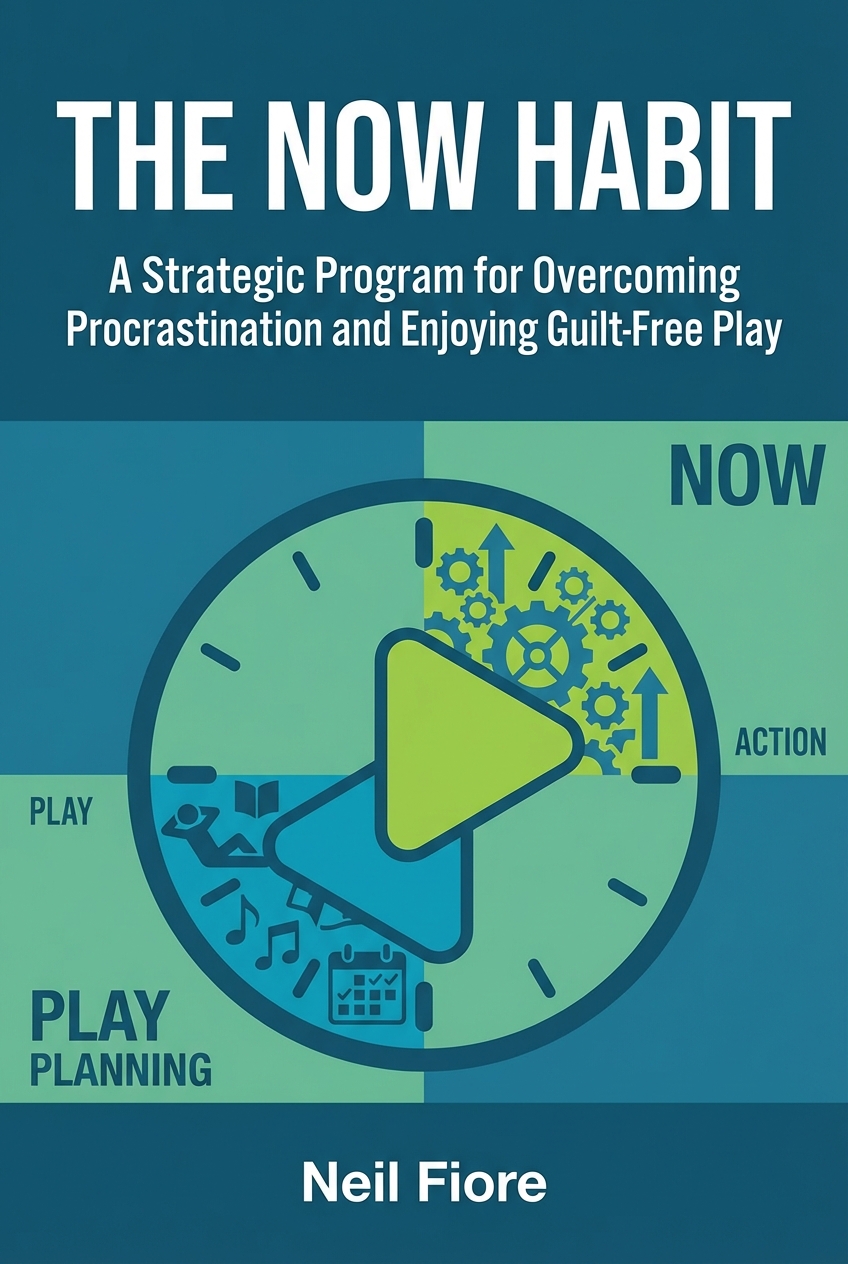
Before you can effectively learn how to deal with procrastination, you have to grasp what it really is. One of the most liberating insights comes from Dr. Neil Fiore in his groundbreaking book, The Now Habit. He argues that procrastination is not a character flaw or a sign of laziness. Instead, he defines it as a coping mechanism. We procrastinate to temporarily protect ourselves from uncomfortable feelings, such as the stress of a looming deadline, the fear of judgment, or the anxiety that comes with perfectionism.
This simple reframe is profound. It shifts the problem from "What's wrong with me?" to "What am I trying to avoid?" Often, the answer is a fear of failure or, surprisingly, a fear of success and the expectations that follow. When the pressure to perform perfectly is too high, doing nothing can feel safer than doing something that might be flawed. This is one of the primary procrastination causes and effects: the short-term relief we get from avoidance leads to long-term stress, guilt, and diminished performance, creating a vicious cycle.
These signs of procrastination—delaying high-priority tasks, filling time with low-value activities, and feeling a growing sense of dread—are signals. They are your mind’s attempt to manage anxiety, albeit in a counterproductive way. For professionals, this might manifest as endlessly polishing a presentation instead of sending it; for students, it could be researching for a paper indefinitely without ever starting the first draft. The key takeaway is that the problem isn't the work itself, but your relationship with the work and the internal pressure you attach to it.
Actionable Frameworks from the Best Books on Procrastination
Understanding the 'why' is the first step, but lasting change requires practical tools and systems. Procrastination coping strategies are not about finding a magical burst of motivation; they're about building a structure that makes taking action the path of least resistance. The world's most effective procrastination books provide clear, repeatable frameworks to do just that.
Task Prioritization: Eating the Frog
If you feel overwhelmed by a to-do list that seems to have no end, you likely struggle with task prioritization. Brian Tracy offers a brilliantly simple solution in his classic, Eat That Frog!. The central metaphor is this: if the first thing you did each morning was eat a live frog, you could go through the rest of the day with the satisfaction of knowing that the worst part is behind you.
Your "frog" is your most important, most challenging task—the one you are most likely to procrastinate on. Tracy’s core philosophy is to tackle that one task first thing in the morning, before you check emails, before you get distracted, before you have a chance to talk yourself out of it. This single action creates momentum that carries you through the day. It also ensures that even if you accomplish nothing else, you've made progress on what truly matters.
This method is a powerful procrastination exercise because it forces clarity. You must think, plan, and decide what your single most impactful task is. Instead of staring at an intimidating list, you have a single, clear target. This is particularly effective for procrastination at work, where multiple competing priorities can lead to decision paralysis.
Redefining Work and Rest: The 'Now Habit' System
Neil Fiore returns with another counterintuitive strategy in The Now Habit. While Tracy focuses on tackling the biggest challenge head-on, Fiore addresses the anxiety that makes us fear the challenge in the first place. He proposes a system designed to dismantle the fear of overwhelming work.
One of the core components is to change your goal from "finishing" a project to simply "starting" it. Instead of saying, "I have to write this entire report," you commit to working on it for just 30 minutes. This lowers the barrier to entry so much that it becomes hard to justify not starting. This approach is a cousin of the popular Pomodoro Technique, which involves working in focused 25-minute intervals separated by short breaks.
Even more radical is Fiore's insistence on scheduling "guilt-free play." Most procrastinators exist in a state of low-grade stress, never fully working and never fully relaxing. Fiore's system requires you to schedule recreation and reward yourself after a period of focused work. This creates a powerful incentive loop: your brain learns that productive effort leads directly to a genuine reward, making it more likely to choose work in the future. It’s a direct antidote to the mindset that you must earn the right to rest by completing an entire overwhelming project.
Building a System for Consistency
One-off tricks can provide a temporary boost, but how do you overcome procrastination long term? The answer lies in building a reliable system. A good system automates decision-making and reduces reliance on finite resources like willpower and motivation.
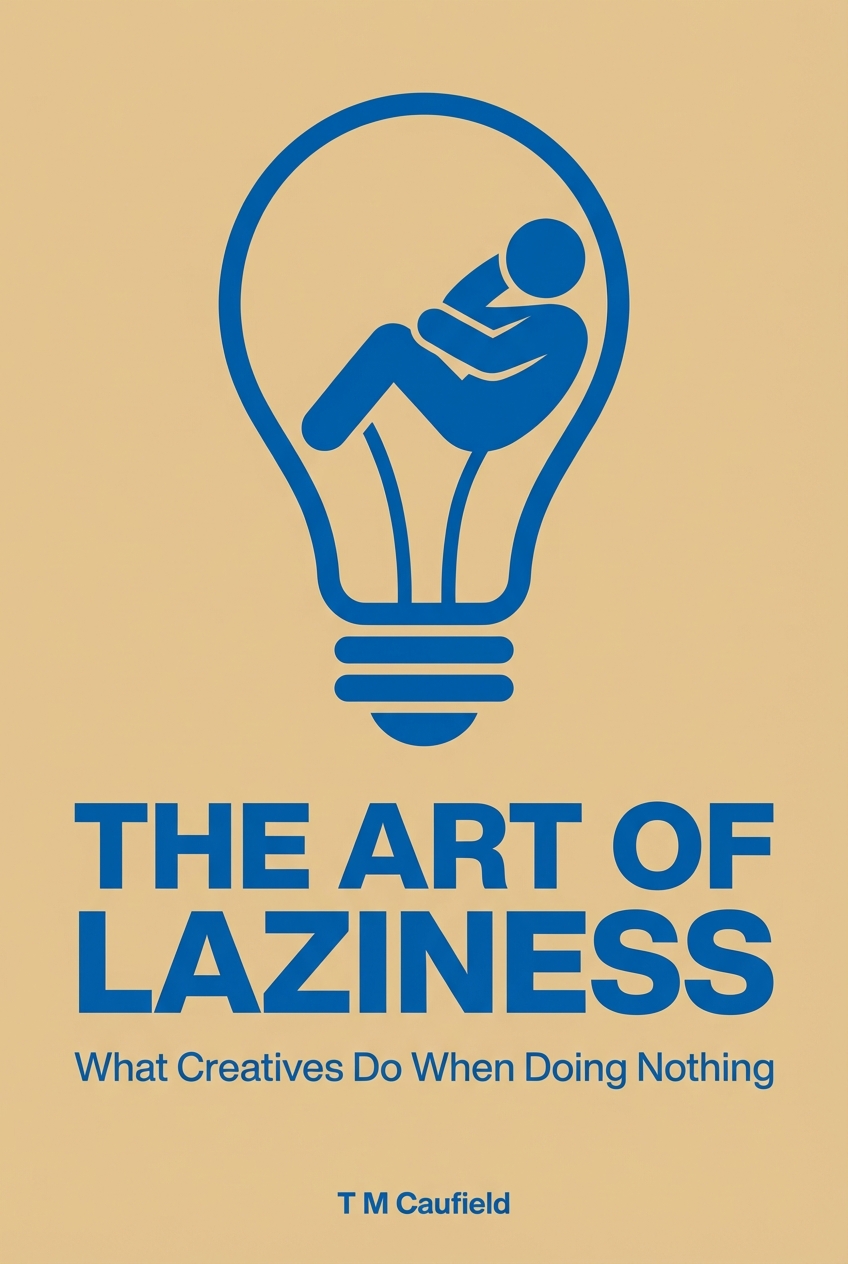
This involves techniques like time blocking, where you schedule specific blocks of time in your calendar for your most important tasks—treating them with the same respect as a meeting with your boss. As T M Caufield notes in The Art of Laziness, a productivity system's purpose is to move from chaos to structure, creating a framework where doing what matters becomes habitual.
Many great books for procrastinators emphasize that a personal system is more effective than a rigid, one-size-fits-all approach. It's about designing your environment and schedule to support your goals. This could mean turning off phone notifications during work blocks, preparing your workspace the night before, or using a project management tool to break down an 'elephant-sized' task into bite-sized 'frog' pieces. The goal is to make progress feel inevitable.
From Theory to Practice: Cultivating a Non-Procrastinator's Mindset
Frameworks and techniques are the 'how,' but the ultimate transformation comes from shifting your core mindset. Procrastination is a deeply ingrained habit, and unwinding it requires a philosophical shift in how you view work, failure, and yourself.
One of the most powerful concepts comes from T M Caufield’s The Art of Laziness, which champions a mindset of "radical responsibility." This isn't about blaming yourself when you procrastinate. On the contrary, it’s about recognizing that you are in control. It's about acknowledging that your choices, your focus, and your actions shape your reality, and then using that power to align your daily efforts with what you truly value.
This pairs perfectly with the self-compassion taught in The Now Habit. The cycle of procrastination is fueled by guilt. You put something off, feel guilty about it, and that negative emotion makes you want to avoid the task even more. The antidote is to treat a moment of procrastination not as a moral failure, but as data. You slipped up. Why? Were you tired? Scared? Overwhelmed? Acknowledging the reason without judgment allows you to address the root cause and get back on track, rather than spiraling into shame.
So, can procrastination be improved? Yes, by embracing the idea that you are not a 'procrastinator'—you are a person who sometimes procrastinates. This identity shift is crucial. By consistently applying strategies like eating your frog, working in small bursts, and building a supportive system, you gradually build evidence that you are someone who gets things done. It’s a practice, not a perfect state of being.
Conclusion: Your Journey Starts Now
Navigating the challenge of procrastination is a journey of self-discovery. It begins with the liberating knowledge that your delays are not a sign of laziness but a complex psychological response to pressure and fear. From there, you can adopt practical, actionable frameworks to break the cycle. Whether it's the brute-force effectiveness of Brian Tracy's "Eat That Frog!" or the psychologically-astute system from Neil Fiore's The Now Habit, these strategies provide a concrete starting point.
Ultimately, lasting change comes from integrating these practices into a new mindset—one of radical responsibility, self-compassion, and a focus on progress over perfection. The journey may not be linear, but every small step forward builds the momentum you need to take back control of your time and your life.
Master key ideas in 15 minutes
Listen to audio summaries of these books on VoxBrief
Struggling with procrastination rarely comes down to laziness. More often, it's a coping mechanism for deeper issues like a fear of failure, perfectionism, or feeling overwhelmed by the size or ambiguity of a task.
Absolutely. By understanding its psychological roots and consistently applying proven strategies, you can significantly improve your habits. Many great procrastination books show that it's a manageable behavior, and overcoming it is a skill you can develop over time.
Long-term success involves creating sustainable systems rather than relying on willpower alone. This includes breaking large projects into small, manageable steps, scheduling rewards for your efforts, and practicing self-compassion to break the cycle of guilt and avoidance.