Mastering the Craft: The Best Product Design Books for Modern Builders
By VoxBrief Team··5 min read
Understanding the Core of Product Design
What is product design? It's a question that often gets a limited answer, usually circling around how a product looks and feels. But true product design is a far deeper discipline. It is the end-to-end process of identifying a market opportunity, defining a problem, developing a solution for that problem, and validating that solution with real users. This comprehensive approach is why learning from the best product design books is so essential; they provide frameworks that move you beyond aesthetics and into the realm of creating genuine value. At its heart, great product design is about solving problems for people, and in turn, achieving business goals.
So, why is product design important? In today's crowded marketplace, a product that is simply functional is no longer enough. Customers expect intuitive, efficient, and enjoyable experiences. Excellent product design serves as a powerful differentiator, turning casual users into loyal advocates. It reduces friction, increases usability, and builds an emotional connection with your audience. Understanding its importance is the first step toward building products that don't just exist, but thrive.
Foundational Principles for Effective Product Design
Before diving into complex frameworks, it’s crucial to grasp the foundational principles that underpin all successful products. These are the timeless truths that guide decision-making, ensuring your efforts are always aligned with user needs and business objectives. Mastering these fundamentals is a key component of improving your product design skills.
Start with the Problem, Not the Solution
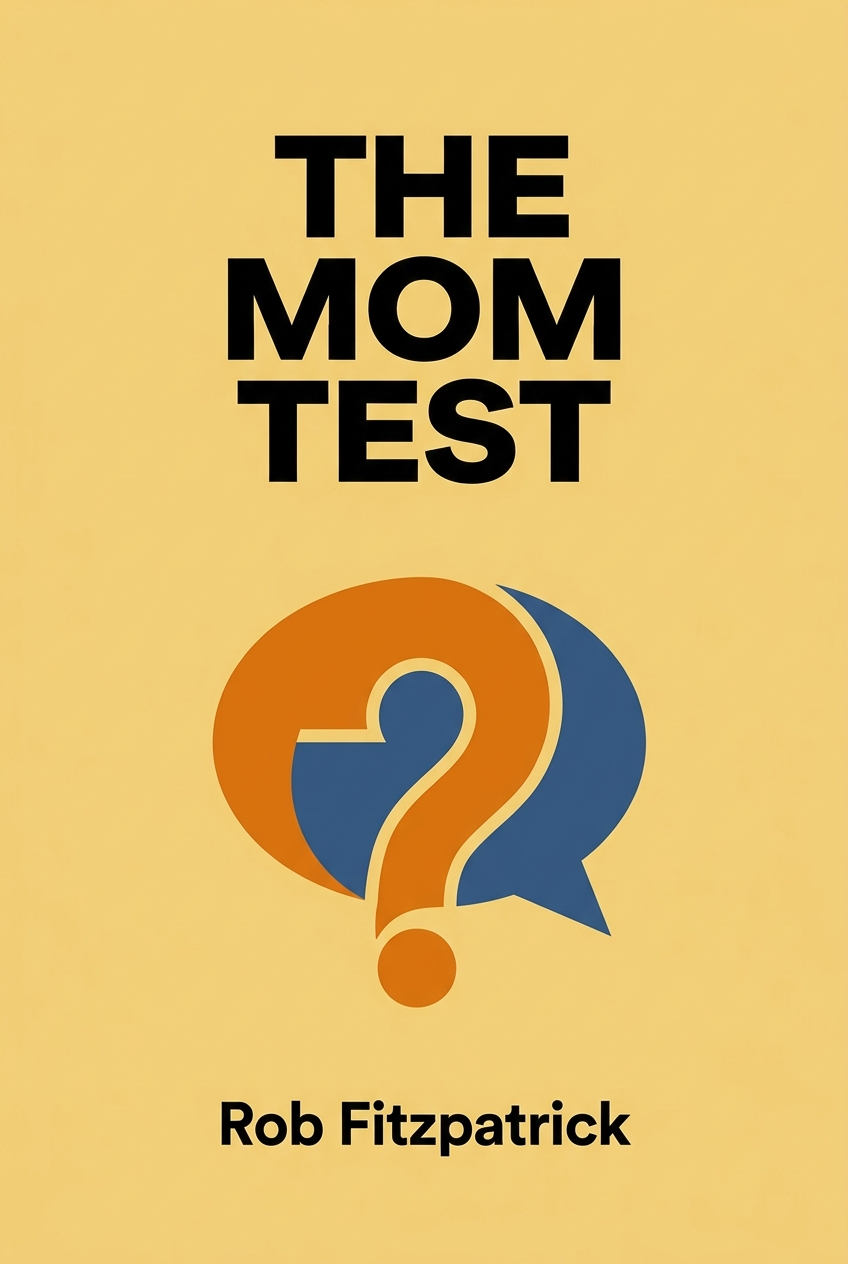
One of the most common pitfalls in product development is falling in love with a solution before fully understanding the problem it's meant to solve. This is where many well-intentioned projects go wrong. As Rob Fitzpatrick outlines in The Mom Test, teams often ask leading questions that validate their own biases instead of uncovering genuine customer needs. The core lesson is to shift your focus from your idea to your customers' lives. Before you sketch a single screen or write a line of code, you must deeply understand the user's workflow, pain points, and motivations. This investigative mindset is one of the most critical product design best practices.
Embrace Empathy as a Core Skill
Empathy isn't a soft skill; it's a strategic tool. The ability to see the world from your user's perspective allows you to anticipate needs, identify frustrations, and design solutions that feel intuitive and helpful. This means going beyond surveys and analytics. It requires qualitative research—talking to users, observing their behavior, and asking open-ended questions about their challenges. This empathetic approach ensures you're building a product for your users, not just for your internal stakeholders.
Key Strategies from the Best Product Design Books
Theoretical knowledge is useful, but the real magic happens when you can apply proven frameworks to your work. The best product design books are filled with battle-tested product design strategies that have been developed and refined by industry leaders. These models provide structured ways to tackle ambiguity, make decisions, and accelerate learning.
Build to Solve, Not Just to Ship
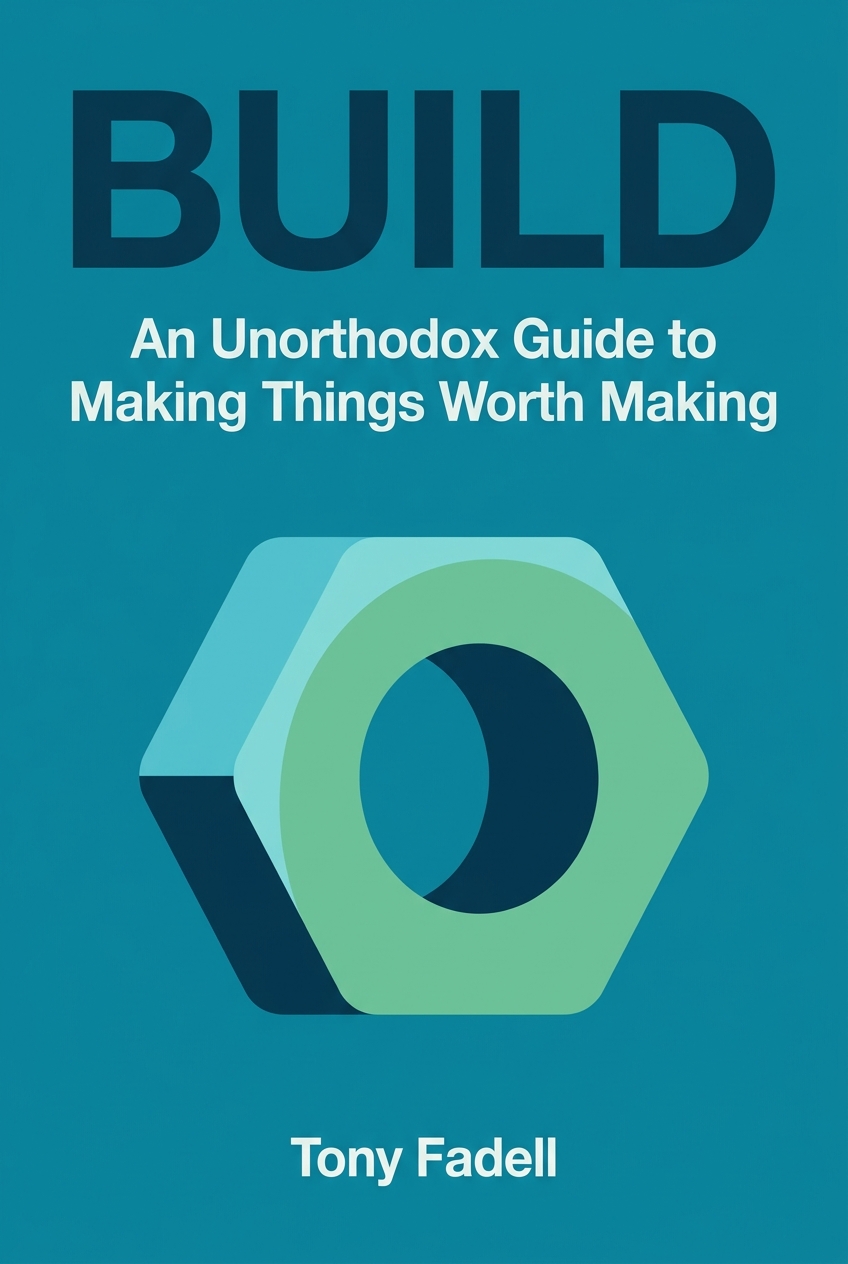
In his book Build, Tony Fadell, the mind behind the iPod and iPhone, fiercely argues against the obsession with shipping features. He emphasizes that your job is to solve problems, not to check items off a roadmap. A common mistake, especially in fast-paced environments, is measuring success by output—the number of features launched. Fadell urges a shift toward measuring outcomes—the actual impact your work has on the user's problem. This requires a relentless focus on the 'why' behind every feature. He also highlights that storytelling is a core competency. If you can't tell a compelling story about the problem you're solving and why your solution is the right one, you will fail to get buy-in from your team, investors, and customers.
Test Ideas Rapidly with the 'Sprint' Process
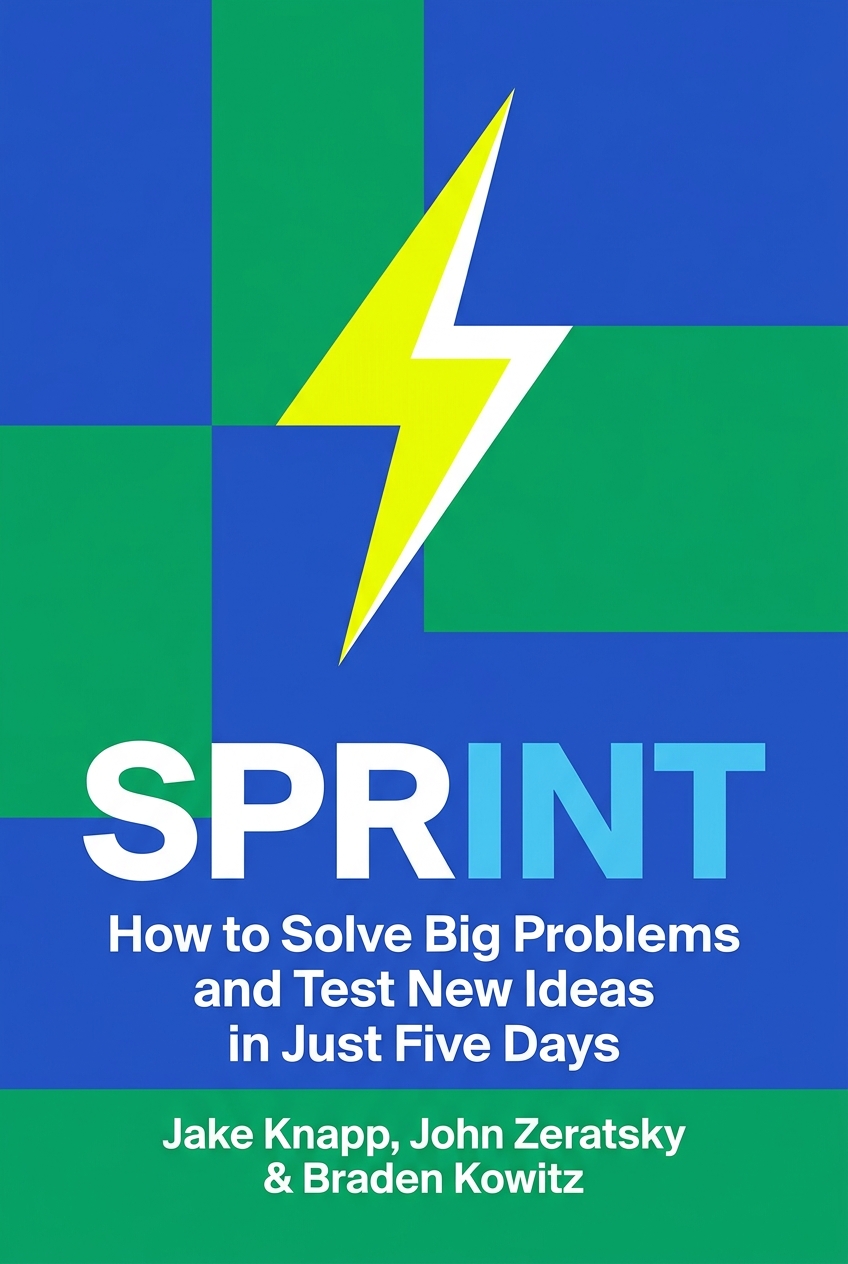
How do you get clear answers to big business questions without investing months in development? The book Sprint by Jake Knapp offers a powerful solution: a five-day process for solving big problems and testing new ideas. The framework guides a team through mapping out the problem, sketching solutions, deciding on the best path, building a realistic prototype, and testing it with real customers—all in a single work week. A core philosophy of the Sprint is the "prototype mindset," which values learning over polish. By creating a high-fidelity façade, you can get crucial user feedback before committing significant resources, dramatically reducing the risk of building the wrong thing.
Operate with the Lean Startup Engine
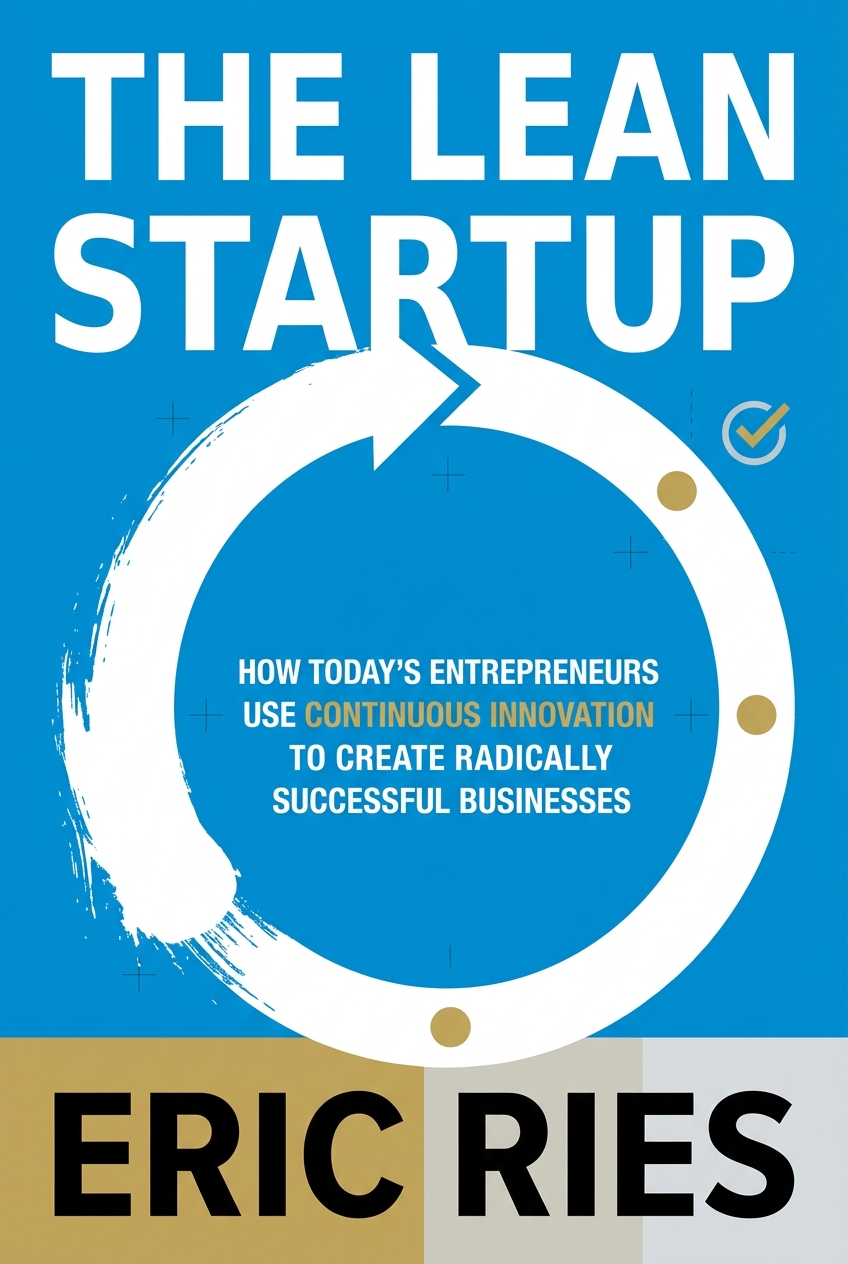
Eric Ries’s The Lean Startup revolutionized how many approach new ventures and product development. At its core is the Build-Measure-Learn feedback loop, a framework for turning ideas into products, measuring how customers respond, and then learning whether to pivot or persevere. This scientific approach to product design in business is about continuous innovation. Instead of relying on a grand vision and a detailed long-term plan, you create a Minimum Viable Product (MVP) to test your core assumptions. This process of validated learning is how you improve product design systematically, ensuring every development cycle is guided by real-world data, not just internal speculation.
Applying Product Design in Your Business
Understanding key principles and frameworks is one thing; successfully implementing them within your organization's unique context is another. The application of product design varies depending on the size and stage of your company, whether it's a nimble startup or a larger enterprise.
Product Design for Startups and Small Business
For startups and small businesses, resources are finite, and speed is critical. This is where lean methodologies shine. The principles from The Lean Startup are tailor-made for this environment, helping teams avoid wasting precious time and money on unproven ideas. Paired with the customer discovery techniques from The Mom Test, founders can ensure they are building something with a real market need from day one. In this context, product design isn't a department; it's a core business function that everyone on the team must understand and contribute to.
Product Design for Managers
For product managers and team leads, the challenge is often about fostering a culture that enables great design. It's about empowering teams to do their best work. Tony Fadell in Build warns against the damaging concept of the product manager as the "mini-CEO," arguing that this mindset creates arrogance and stifles collaboration. Instead, a manager's role is to provide clear context, facilitate structured decision-making (like the processes in Sprint), and protect the team from distractions. Great product design for managers is about creating an environment where a focus on the user is the default, and experimentation is encouraged.
Conclusion: A Journey of Continuous Learning
Mastering product design is not about finding a single, perfect process. It's about building a toolkit of mental models, frameworks, and principles that you can adapt to any challenge. From focusing on real problems as Tony Fadell advises, to validating ideas with the rigor of The Lean Startup, to compressing your learning cycle with a Sprint, the path to excellence is one of continuous learning and application. By internalizing these key lessons, you can move beyond building features and start creating products that truly matter—to your users, your team, and your business.
Master key ideas in 15 minutes
Listen to audio summaries of these books on VoxBrief
Product design is crucial because it directly impacts user experience, customer satisfaction, and loyalty. Great design solves real problems for users, creating a competitive advantage that drives business growth and builds a strong brand reputation.
Developing strong product design skills involves a mix of theoretical learning, hands-on practice, and seeking feedback. Reading some of the best product design books provides foundational knowledge, while applying frameworks to real projects and learning from mentors solidifies your expertise.
Great product design is often invisible and intuitive. Examples range from physical products like the OXO Good Grips peeler, which focuses on ergonomics, to digital experiences like the Spotify app, which excels at personalization and seamless content discovery.