What Are Relationships? A Guide Using Relationship Help Books
By VoxBrief Team··5 min read
Navigating the complex world of human connection can often feel like you’ve been given a map with no legend. We crave closeness, yet find ourselves in cycles of misunderstanding and frustration. The great secret is that healthy connections aren't just something you fall into; they are something you build. Understanding the dynamics of connection is a skill, and like any skill, it can be learned, practiced, and improved. This guide will walk you through the core principles of building better connections, drawing on transformative insights from the best relationship help books.
What are Healthy Relationships? Unpacking the Foundation
At its core, a healthy relationship is a connection where trust, mutual respect, and open communication flourish. But what does that actually mean? Let’s break down these foundational pillars. Trust isn't just about fidelity; it’s about knowing you can count on someone to have your back and consider your feelings. Respect involves valuing your partner’s opinions, dreams, and identity as separate from your own. And communication is the lifeblood that flows between you, allowing for the repair of rifts and the sharing of joys.
So, why is relationships important? From a biological perspective, humans are wired for connection. Secure bonds provide a buffer against life's stressors and are strongly linked to better mental health, lower rates of depression, and even a stronger immune system. For anyone starting this journey, including relationships for students sorting through their first serious connections or professionals navigating complex social dynamics, understanding this core need is the first step. These connections, whether romantic, platonic, or professional, form the fabric of a meaningful life.
Common Challenges and How to Improve Relationships
Every relationship faces challenges. The difference between a connection that thrives and one that withers is how those challenges are handled. Many common relationship mistakes stem from a lack of effective tools. We might fall into patterns of criticism, defensiveness, or shutting down during conflict. Over time, these habits erode trust and create emotional distance.
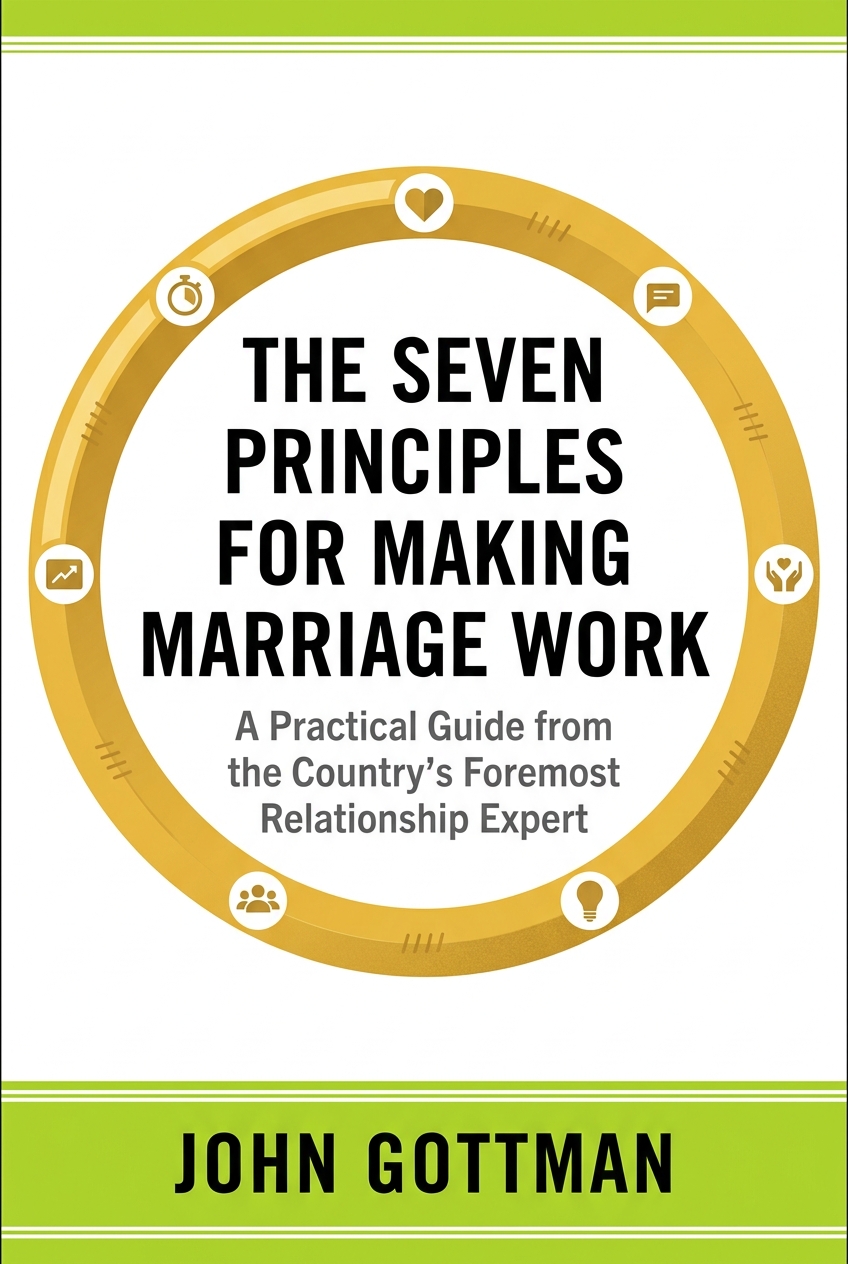
One of the most powerful relationships techniques for overcoming this comes from Dr. John Gottman's extensive research in The Seven Principles for Making Marriage Work. He found that the most successful couples weren't those who didn't fight, but those who were masters of repair. They constantly made and accepted "bids for connection"—small gestures like a shared glance, a question about their day, or a touch on the arm. By consistently turning toward these bids, you build an emotional bank account that makes navigating conflict much easier. The friendship becomes the bedrock.
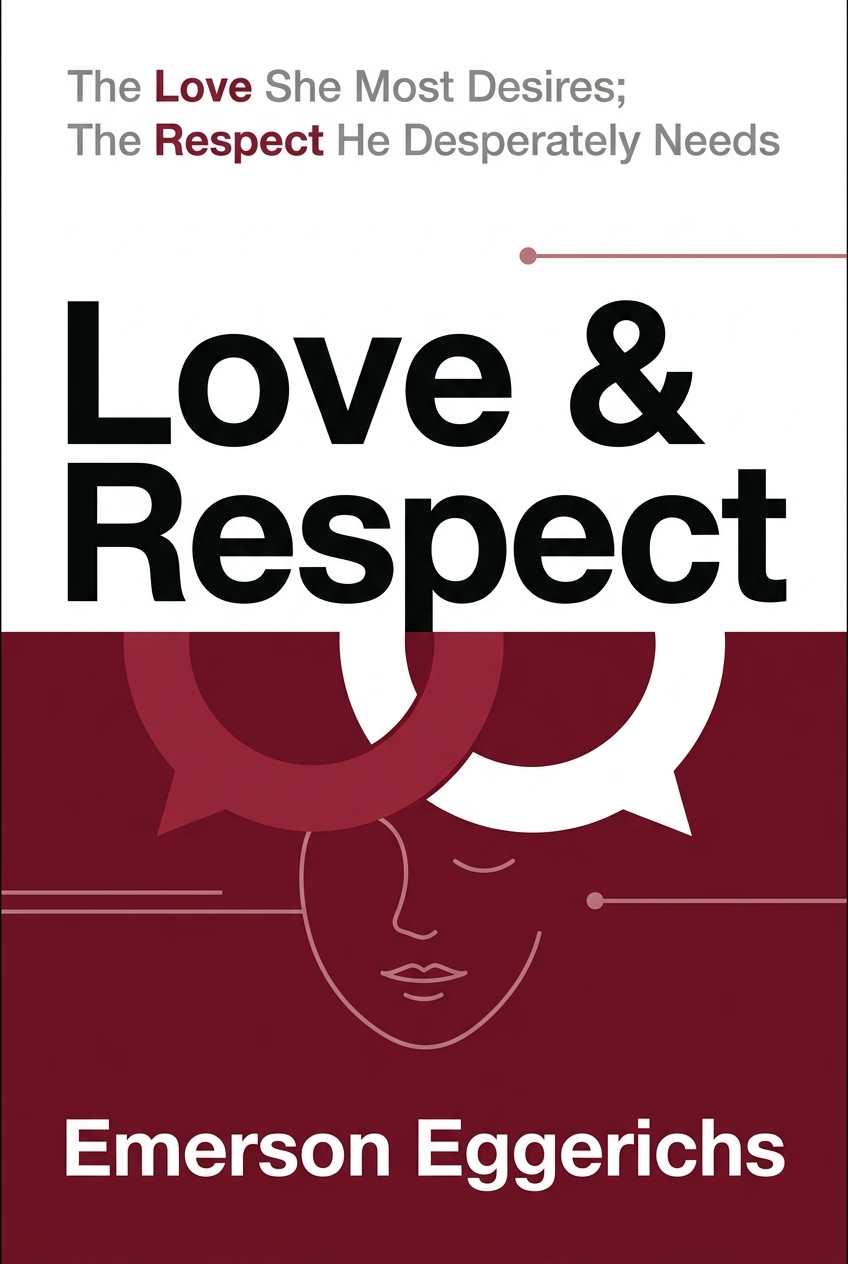
Similarly, Dr. Emerson Eggerichs in Love & Respect identifies a common destructive pattern he calls the "Crazy Cycle." It begins when one partner's core need is unmet, leading them to react in a way that triggers their partner's insecurity, and a negative feedback loop is born. For example, when a wife feels unloved, she might react with criticism, which feels disrespectful to her husband, causing him to withdraw, which makes her feel even more unloved. Learning how to improve relationships often starts with identifying and breaking these unconscious cycles.
Essential Skills from Top Relationship Help Books
Knowledge is the antidote to repeating painful patterns. So, what are the most critical skills we can learn? The best relationship help books offer practical frameworks that provide clarity and actionable steps toward building stronger bonds, whether you're navigating a new romance or trying to enhance your relationships at work.
Understanding Your Attachment Style
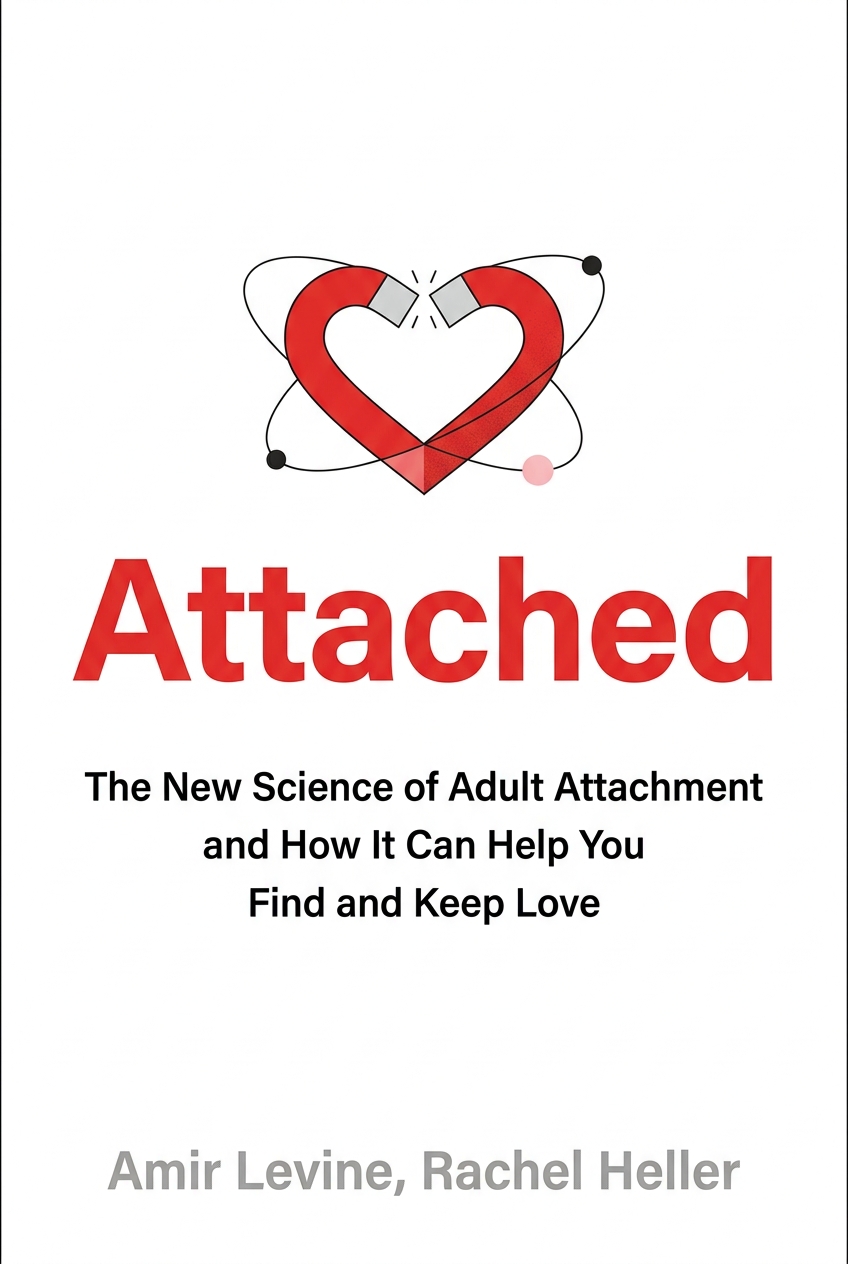
Have you ever wondered why you react the way you do in relationships? In the groundbreaking book Attached, Dr. Amir Levine and Rachel Heller explain that we all have a dominant "attachment style" that governs our behavior in romantic partnerships. This framework is a game-changer for relationships for beginners and seasoned partners alike.
The three primary styles are:
Secure: You are comfortable with intimacy and are not afraid of being alone. You effectively communicate your needs and respond to your partner's needs.
Anxious: You crave intimacy and can become preoccupied with your relationship. You often worry about your partner's ability to love you back and are highly sensitive to any sign of distance.
Avoidant: You value your independence and freedom above all else. You tend to equate intimacy with a loss of self and pull away when you feel someone is getting too close.
Understanding your own style, and that of your partner, is one of the most powerful relationships tips you can learn. It allows you to move from blaming each other for your reactions to understanding the underlying needs that drive them. For example, recognizing the painful "anxious-avoidant trap"—where one person pushes for closeness and the other pulls away—is the first step toward breaking the cycle.
The Power of Healthy Boundaries
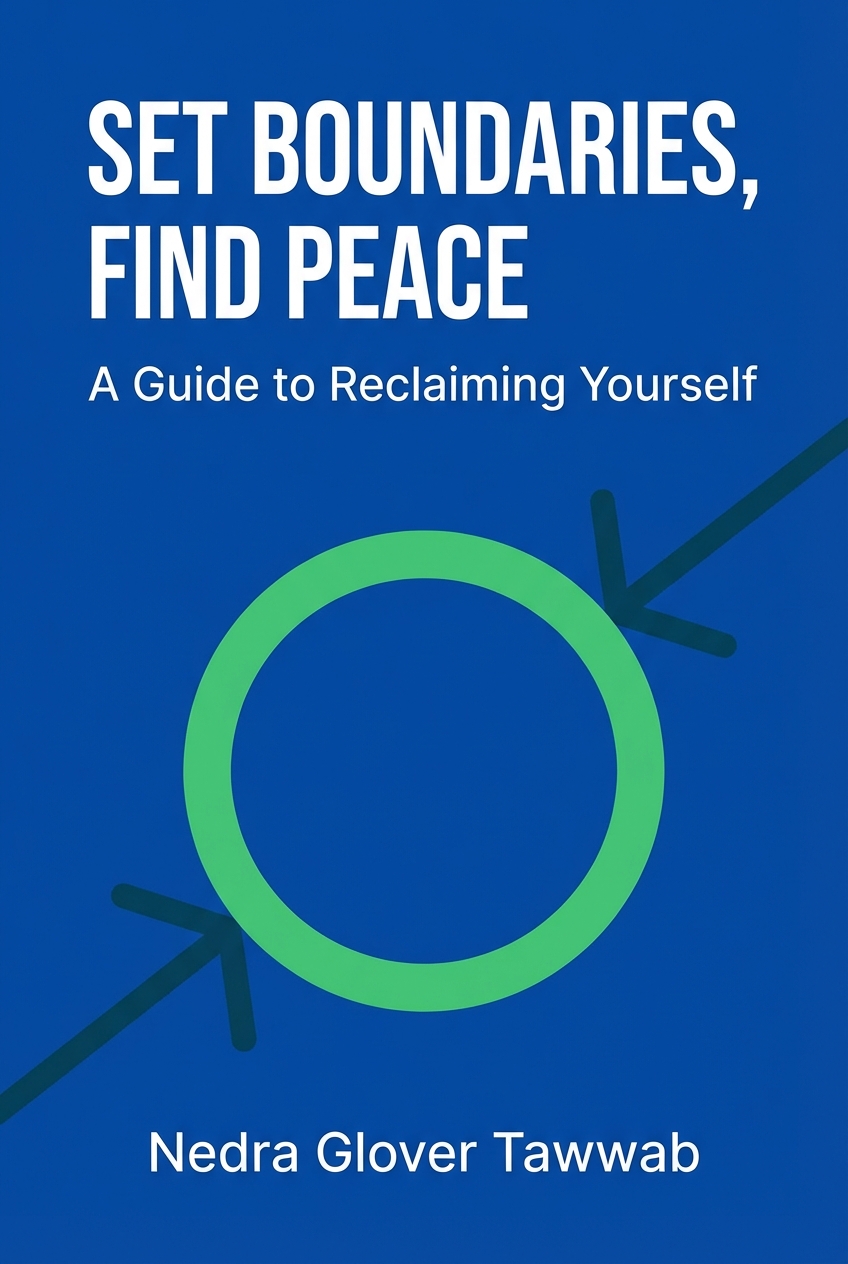
Many of us are taught that being "nice" means always saying yes, but this often leads to resentment, stress, and burnout. In Set Boundaries, Find Peace, licensed therapist Nedra Glover Tawwab makes a powerful case for boundaries as the ultimate form of self-care. A boundary isn't a wall you build to keep people out; as Tawwab defines it, it's a clear expectation you set to feel safe and respected.
Learning how to develop relationships that feel supportive rather than draining requires mastering the art of setting limits. This is especially true for relationships for professionals, where the lines between work and personal life can easily blur. A boundary might be saying, "I can't respond to emails after 7 PM," or telling a family member, "I appreciate your concern, but I'm not looking for advice on this topic right now."
Communicating boundaries assertively—clearly, kindly, and firmly—is a skill. It requires moving past the fear of disappointing others to honor your own needs. The result isn't isolation, but healthier, more sustainable connections built on mutual respect.
Moving from Codependence to Self-Care
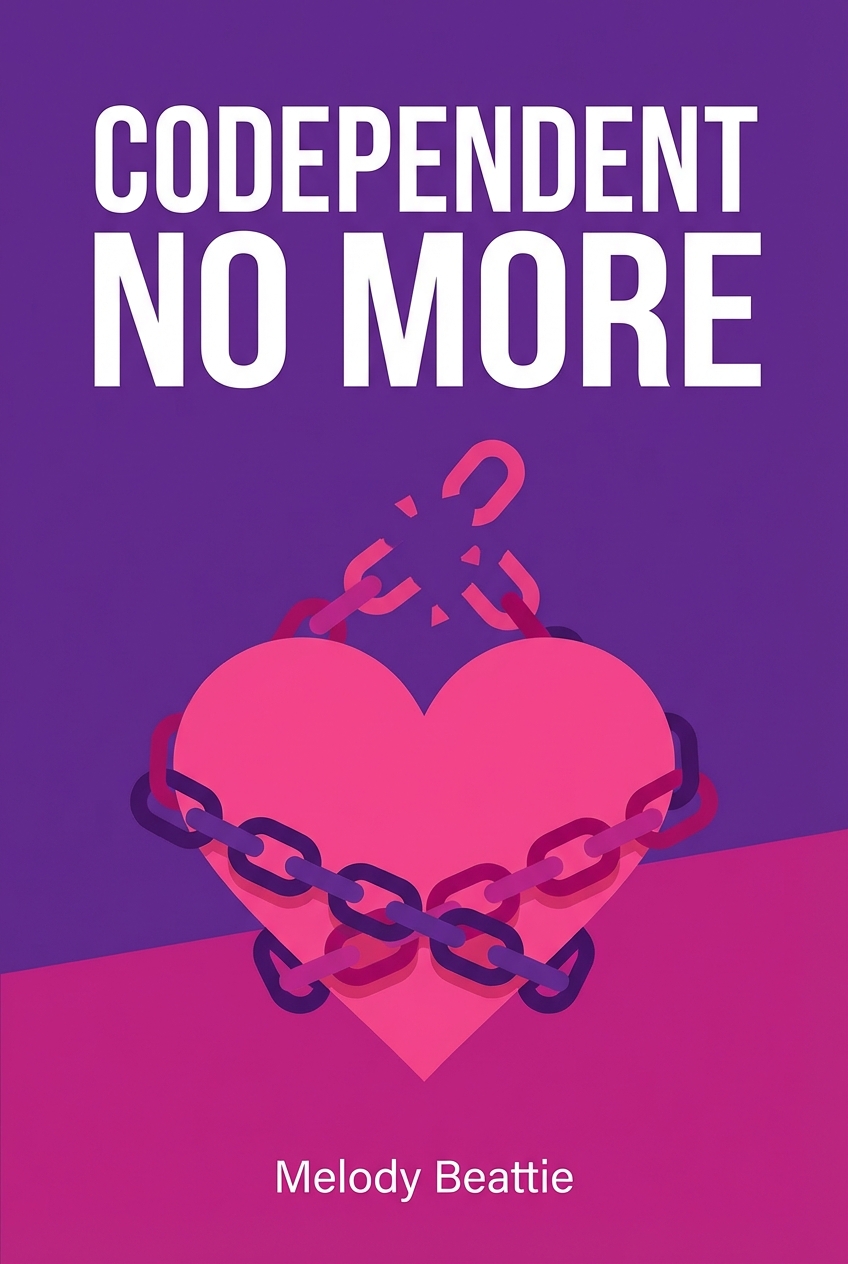
In her classic work, Codependent No More, Melody Beattie explores a dynamic where an individual loses their sense of self by becoming excessively preoccupied with the needs of others. A codependent person's self-esteem is often tied to their ability to "fix" or control people and situations around them. This isn't love; it's a survival pattern that ultimately leads to exhaustion.
Beattie’s key solution is the practice of detachment. This doesn't mean you stop caring; it means you detach with love. You learn to stop taking responsibility for others' feelings, choices, and consequences. This creates the space necessary for what she calls "radical self-care"—shifting the focus back to your own well-being, goals, and happiness. Reclaiming your life by caring for yourself is the only way to show up in relationships as a whole person, not just someone's problem-solver.
How to Practice Relationships Daily
Building better relationships isn't about grand, sweeping gestures; it's about the small, consistent choices you make every single day. The question of how to practice relationships daily can be answered with a focus on presence and intentionality. It starts with putting down your phone and truly listening when someone is talking to you. It means replacing criticism with a gentle startup, like saying "I feel..." instead of "You always..."
Consider Gottman's concept of turning toward bids for connection. This week, try to notice one small bid from a partner, friend, or colleague—a sigh, a comment on the weather, a request for a small favor. Instead of ignoring it, turn toward it with your full attention. Ask a follow-up question. Offer help. Acknowledge their comment. These micro-interactions are the stitches that hold the fabric of connection together.
These practices aren't just for romantic partners. In relationships in the workplace, for example, actively listening to a colleague's concerns or acknowledging their hard work can transform a tense environment into a collaborative one. It's about seeing and validating the humanity in the people around you.
Ultimately, the journey to better relationships is a journey toward greater self-awareness. By understanding your own patterns, learning to communicate your needs effectively, and committing to small, daily acts of connection, you can move from frustration to fulfillment. Your need for connection is valid, and with the right knowledge and tools, you can build the secure, loving, and respectful relationships you deserve.
Master key ideas in 15 minutes
Listen to audio summaries of these books on VoxBrief
Relationships are crucial for our mental and emotional well-being. They provide a support system, reduce feelings of loneliness, and contribute to a sense of purpose and belonging. Healthy connections are a fundamental part of a fulfilling life.
Daily practice involves small, consistent actions. This can include active listening without interrupting, expressing genuine appreciation, turning towards your partner's 'bids' for connection, and setting aside a few minutes of distraction-free time to talk.
Common mistakes include assuming your partner's intentions, letting resentment build instead of addressing conflict, neglecting the friendship at the core of the relationship, and using criticism or contempt during arguments. Many people also sacrifice their own needs, leading to burnout.