Do you ever feel like you and your partner are speaking different languages? You have the same argument on a loop, getting stuck in frustration and disconnection. You love each other, but sometimes, it feels impossibly hard. This experience is incredibly common, but it’s not an unsolvable puzzle. The key to unlocking a more fulfilling connection lies in understanding the hidden forces that shape our interactions. This is where insights from the best relationship psychology books become invaluable. They offer a map to navigate the complex territory of the human heart, transforming confusion into clarity.
This guide is an introduction to the core ideas you’ll find in this transformative field. We'll explore foundational concepts that explain why we connect the way we do, decode the patterns that keep us stuck, and offer practical techniques to build stronger, healthier bonds. This is the psychology of love for beginners, professionals, and anyone ready to invest in their most important connections.
What is the Psychology of Love and Connection?
So, what is the psychology of love, exactly? It’s the study of how our minds, emotions, and past experiences influence our romantic partnerships. It moves beyond poetic notions of love as a mysterious force and instead reveals it as a system of predictable patterns, biological needs, and learned behaviors. Understanding this system is the first step toward changing it for the better.
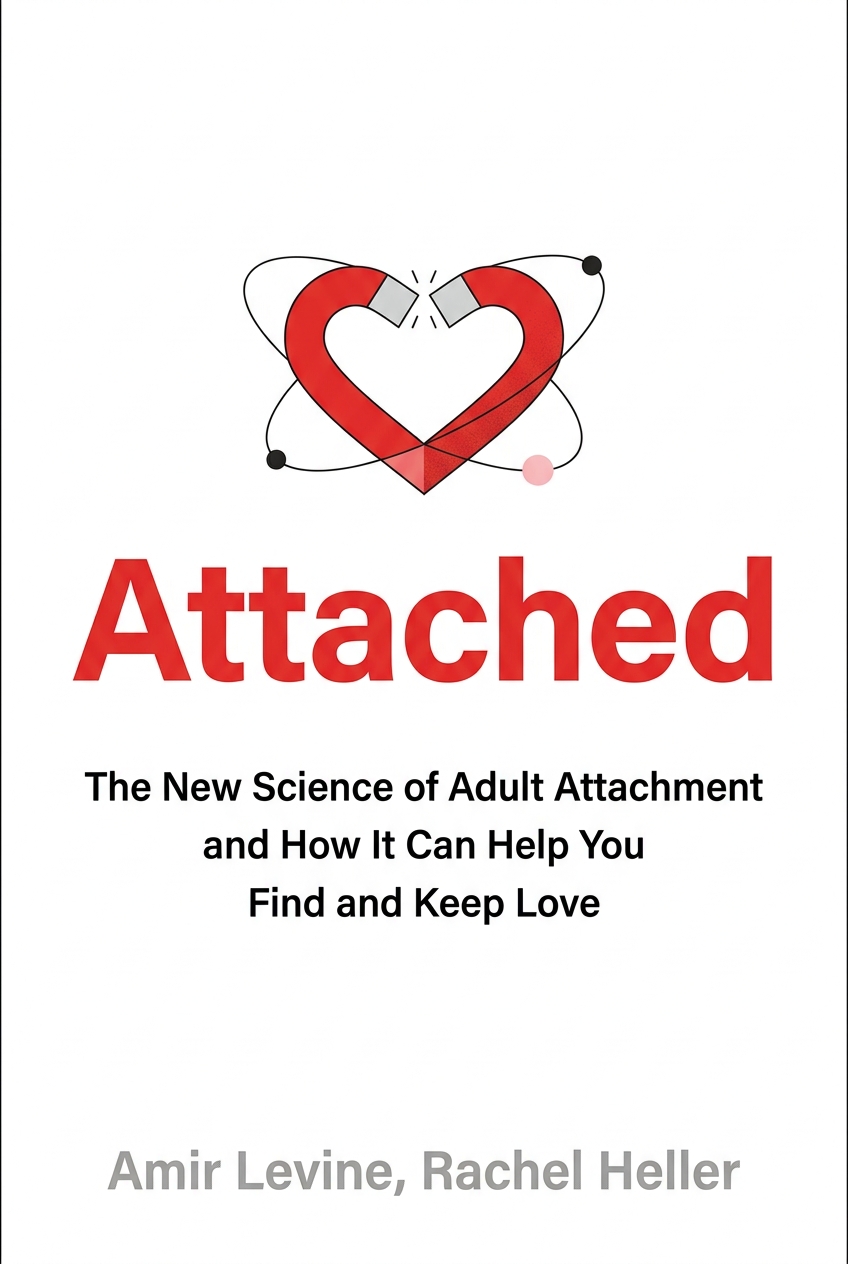
One of the most powerful frameworks comes from the book Attached by Dr. Amir Levine and Rachel Heller. The authors explain that our need for connection is not a sign of weakness or “neediness”; it is a biological imperative. Humans are wired to seek connection for survival and well-being. The way we do this is governed by our “attachment style,” which typically falls into one of three categories:
Secure: People with a secure style are comfortable with intimacy and are not overly worried about their relationships. They trust their partners and feel confident in their love.
Anxious: Those with an anxious style crave closeness and intimacy, but they often worry that their partner doesn't want to be as close. They can be preoccupied with their relationships and highly attuned to any signs of distance.
Avoidant: People with an avoidant style value their independence and freedom above all. They tend to feel uncomfortable with too much closeness and may pull away when a partner seeks more intimacy.
Why is the psychology of love important? Because understanding concepts like attachment theory empowers you. When you identify your own style and your partner's, you stop seeing their behavior as a personal attack and start seeing it as a predictable, and manageable, pattern. An anxious person’s need for reassurance isn't a flaw; it's a manifestation of their attachment system. An avoidant person's retreat isn't a sign they don't care; it is their system's default response to perceived pressure. This knowledge fosters empathy and provides a starting point for effective communication.
Decoding Your Relationship Blueprints with Relationship Psychology Books
Our romantic lives are not a blank slate. We bring our own psychological blueprints—our beliefs, fears, and habits—into every interaction. The most insightful relationship psychology books help us read these blueprints, revealing the invisible architecture that supports or sabotages our connections. They teach us that a healthy relationship is not something you find; it is something you build.
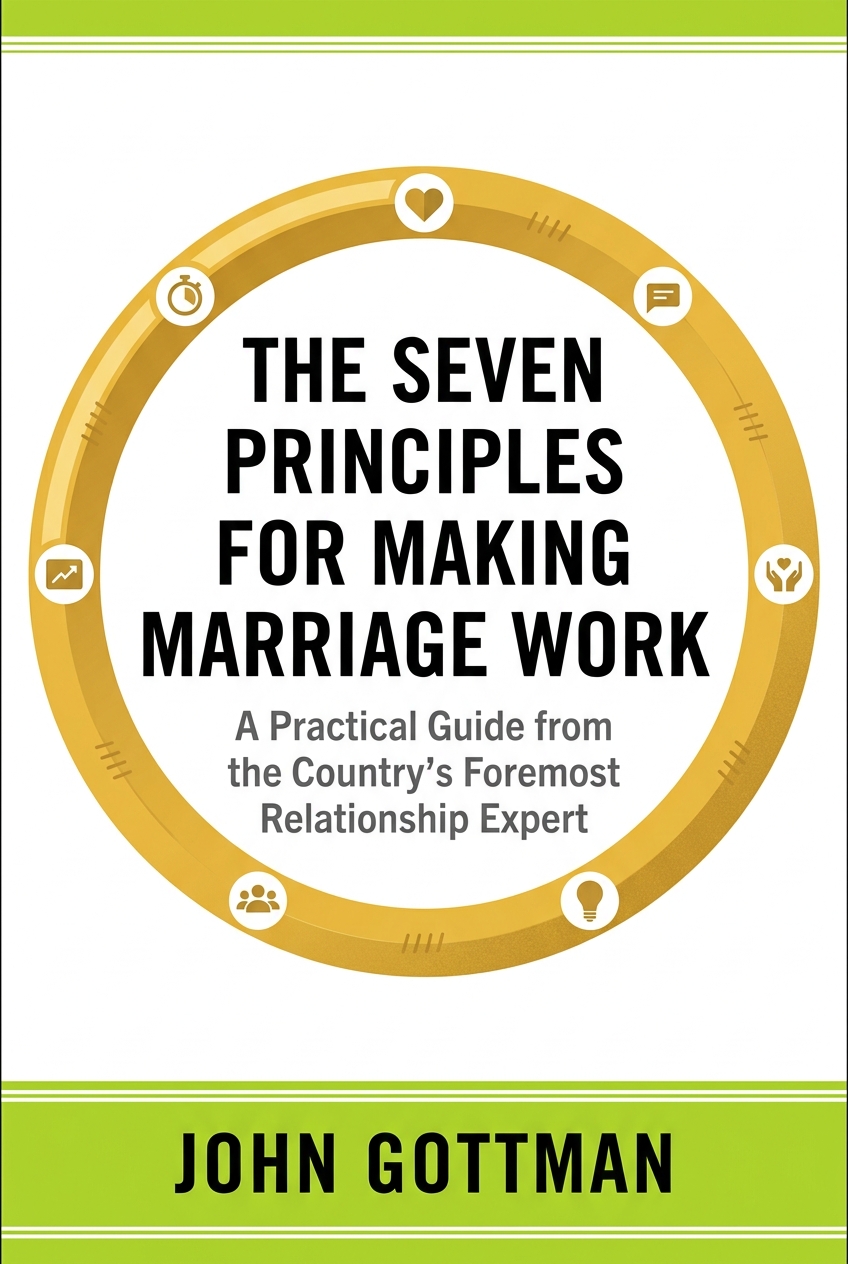
Dr. John Gottman, author of The Seven Principles for Making Marriage Work, provides a revolutionary perspective based on decades of research in his “Love Lab.” He discovered that the single most important factor in a lasting, happy partnership is the quality of the couple's friendship. This isn’t a mushy sentiment; it’s the bedrock of emotional resilience. A strong friendship means you have a deep knowledge of each other’s worlds, you genuinely admire one another, and you regularly “turn toward” each other instead of away.
Another critical insight from Gottman’s work is about conflict. Many people believe that happy couples don't fight. This is a myth. Gottman found that most marital arguments—nearly 70%—are about “perpetual problems” that can never be fully solved. The difference between successful and unsuccessful couples is not the absence of conflict, but how they manage it. Happy couples learn to discuss these perpetual issues with humor and affection, without letting them a-escalate into gridlock.
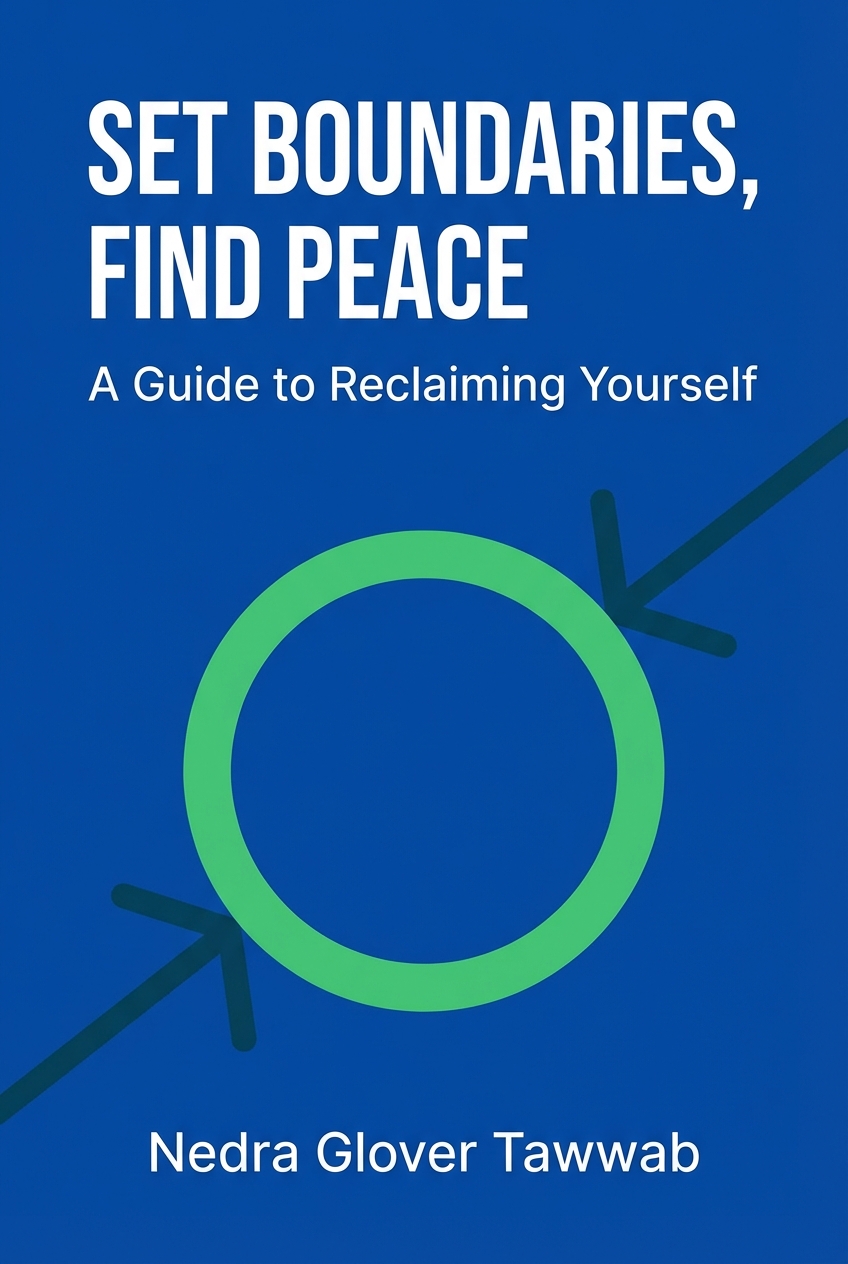
This process of building a strong relationship also requires a strong sense of self. That's where the principles from Set Boundaries, Find Peace by Nedra Glover Tawwab come in. Tawwab defines a boundary as “a clear expectation you set to feel safe and respected.” Without boundaries, resentment festers. You say “yes” when you mean “no,” you overextend yourself to please your partner, and you slowly lose your sense of self. This isn't just about big issues; it's about the daily expectations around time, emotional energy, and personal space. Learning how to develop the psychology of love in your partnership requires first understanding and honoring your own psychological needs.
Practical Techniques to Improve Your Relationship Dynamics
Knowledge is a great start, but the real transformation happens when you apply it. The psychology of love techniques aren't about manipulating your partner; they are tools for co-creating a healthier dynamic. These are practical, actionable strategies that can be used by anyone, from students of psychology to professionals seeking to improve their personal and work relationships.
Escaping Negative Cycles
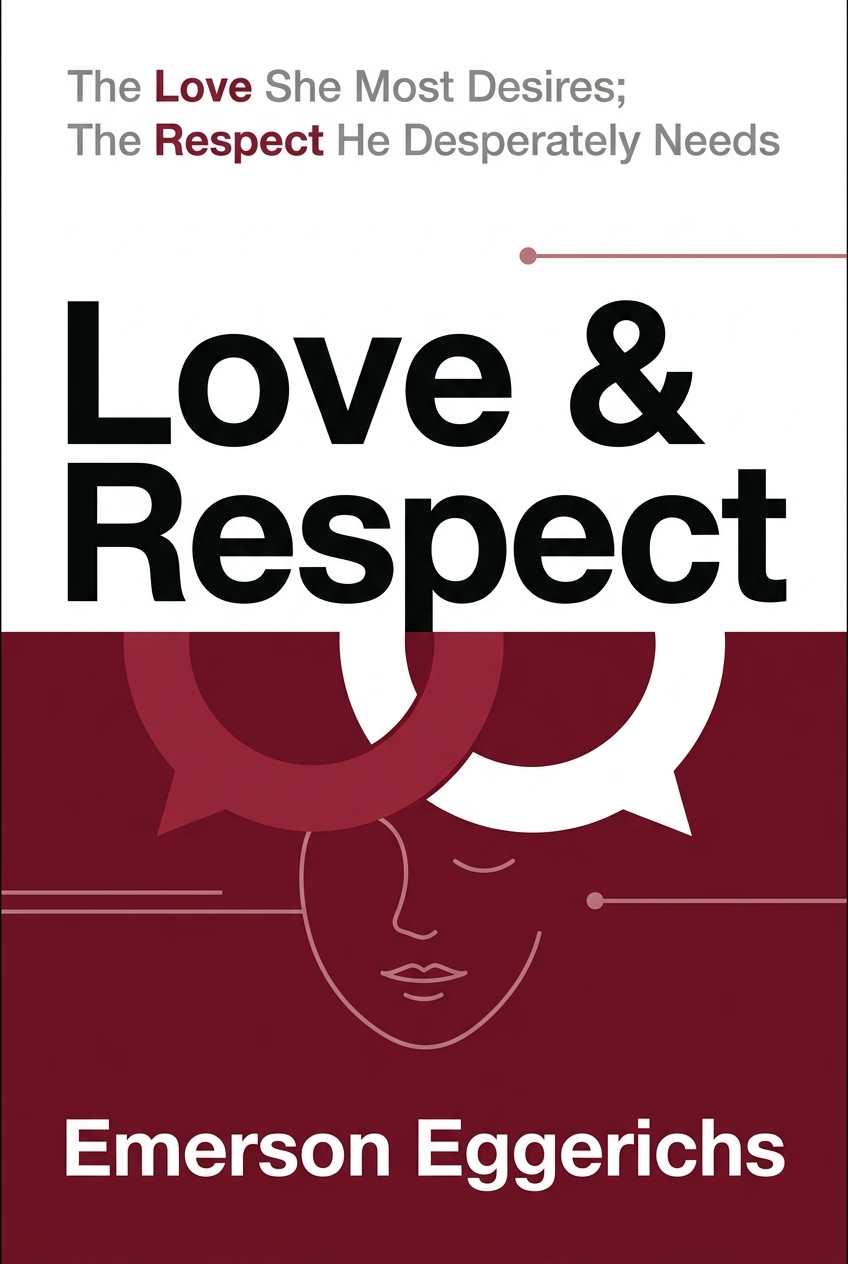
One of the most common relationship mistakes is getting caught in a destructive loop. In Love & Respect, Dr. Emerson Eggerichs describes a classic example he calls the “Crazy Cycle.” It happens when a wife feels unloved and reacts in ways that her husband perceives as disrespectful. In response, he feels disrespected and acts in ways that feel unloving to her. And so the cycle spins, with each partner’s reaction triggering the other’s core vulnerability.
So how do you break the cycle? Dr. John Gottman offers a powerful, practical tool: learning to recognize and respond to “bids for connection.” A bid is any attempt from one partner to another for attention, affirmation, or affection. It can be as subtle as a sigh, a comment like “Wow, look at that bird,” or a direct question. Couples who have strong friendships consistently “turn toward” these bids. They engage, respond, and acknowledge. Couples who are headed for disconnection regularly “turn away” by ignoring the bid or “turn against” it with an irritable response. Learning how to practice the psychology of love daily can be as simple as noticing one more bid today than you did yesterday.
The Power of Assertive Communication
Knowing your needs is one thing; communicating them is another. This is often where things fall apart. In Set Boundaries, Find Peace, Nedra Glover Tawwab explains that many of us use ineffective communication styles—like being passive, aggressive, or passive-aggressive—because we were never taught how to be assertive. Assertive communication is clear, direct, and respectful. It’s not about making demands; it's about stating your needs and limits.
For example, instead of sighing loudly while your partner scrolls on their phone (passive-aggressive) or yelling “You never listen to me!” (aggressive), an assertive statement would be: “I’d love to tell you about my day. Is now a good time to talk, or should we plan a time when we can connect without distractions?” This approach honors both your need for connection and your partner’s autonomy, providing a clear path forward instead of just creating more conflict.
Applying These Principles Beyond Romance
While we often focus on romantic partners, the psychology of love examples and principles extend to all areas of life. Understanding these dynamics is crucial for professionals who want to build effective teams and it’s a key skill for improving connections with family and friends. The psychology of love at work might translate to a manager understanding an employee’s anxious need for clear feedback or recognizing how setting clear boundaries around workload prevents team-wide burnout. The principles are universal: connection is a human need, clear communication is essential, and healthy boundaries make all relationships better.
Master key ideas in 15 minutes
Listen to audio summaries of these books on VoxBrief
Understanding the psychology of love is crucial because it helps us navigate our most important connections. It provides a framework for understanding our own behaviors and our partner's, leading to more empathy, better communication, and less conflict.
You can practice it daily by actively listening to your partner, recognizing their bids for connection, and communicating your own needs clearly. It's about turning theoretical knowledge from sources like relationship psychology books into small, consistent actions that build trust.
A common mistake is using it as a set of manipulation tactics rather than a tool for mutual understanding. Another is focusing only on your partner's flaws instead of recognizing your own patterns and contributions to the relationship dynamic.