Relationship Psychology Books
Exploring the best relationship psychology books is the first step toward a healthier partnership. Understanding what is the psychology of love and learning proven the psychology of love techniques can help you decode attachment styles and improve communication. This collection offers our top the psychology of love book recommendations, moving beyond simple advice to provide science-backed frameworks for connection. Explore these summaries to find key insights for your relationship journey. Curated by the VoxBrief team.
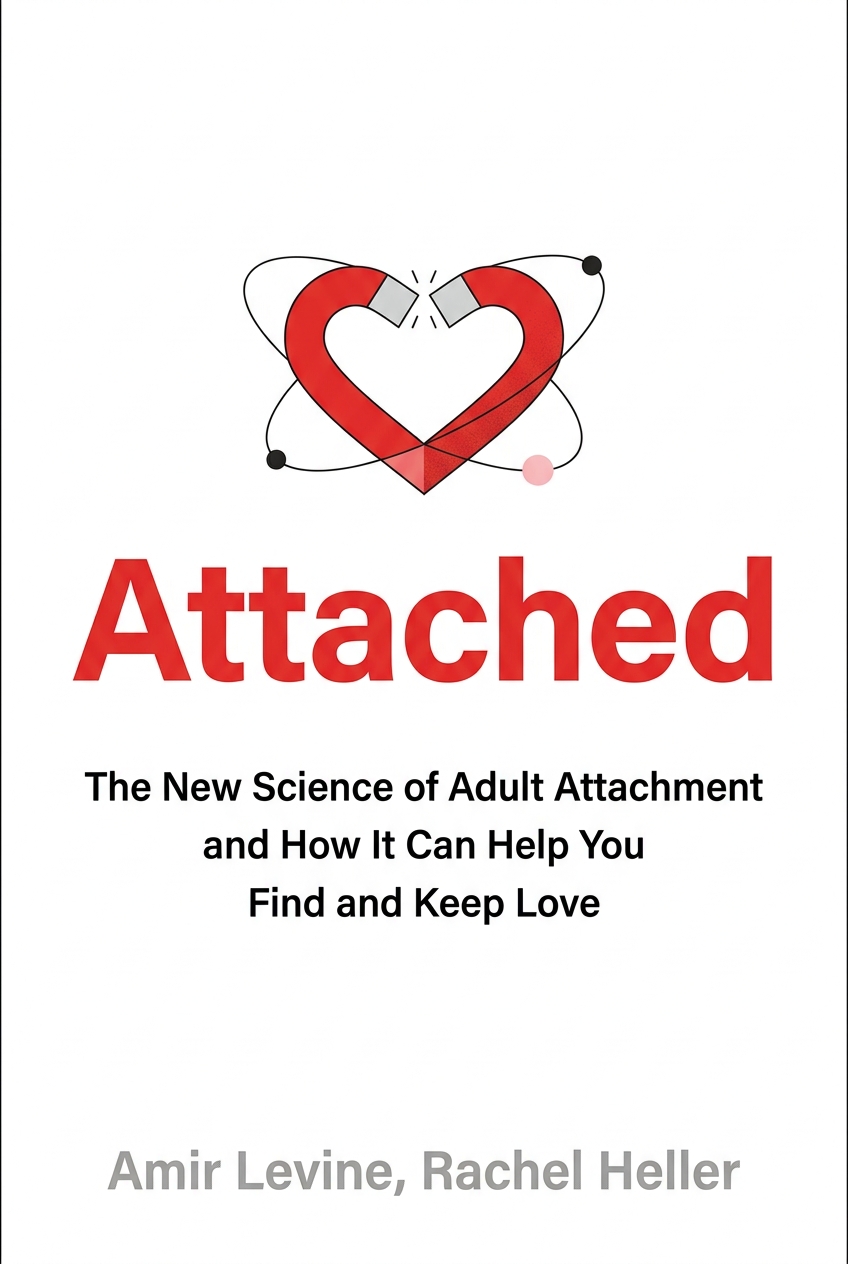
Attached
Understand your attachment style to build the secure love you've always wanted.
- Identify if you are anxious, avoidant, or secure in relationships.
- Learn how your attachment style shapes your romantic behaviors.
- Use specific strategies to find or build a secure-functioning relationship.
Singles tired of confusing dating patterns and seeking clarity.
Understand your attachment style to build the secure love you've always wanted.
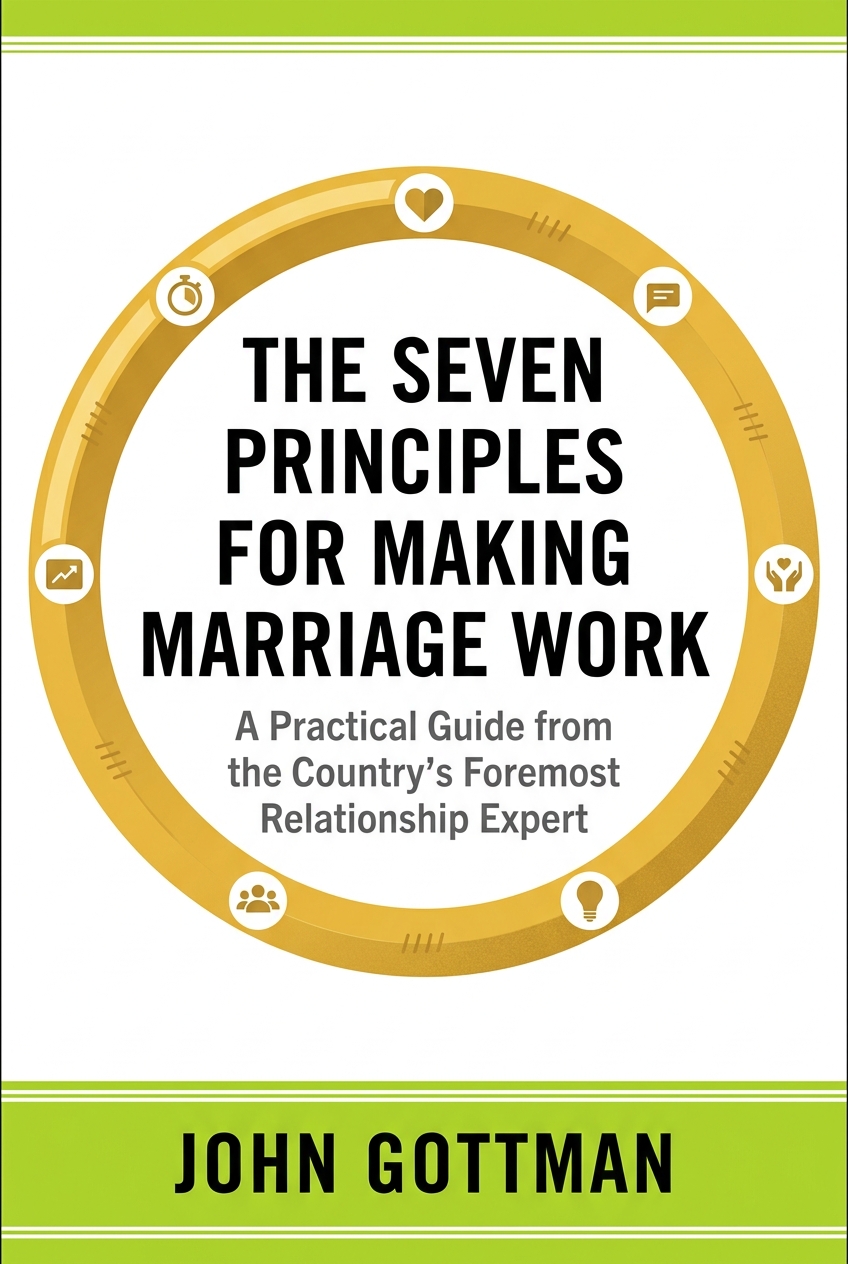
The Seven Principles for Making Marriage Work
Use seven research-backed principles to build a happier, lasting marriage.
- Enhance your 'love maps' by knowing your partner's inner world.
- Nurture fondness and admiration to build a positive perspective.
- Solve your solvable problems and overcome perpetual gridlock.
Committed couples looking for practical, science-backed marital tools.
Use seven research-backed principles to build a happier, lasting marriage.
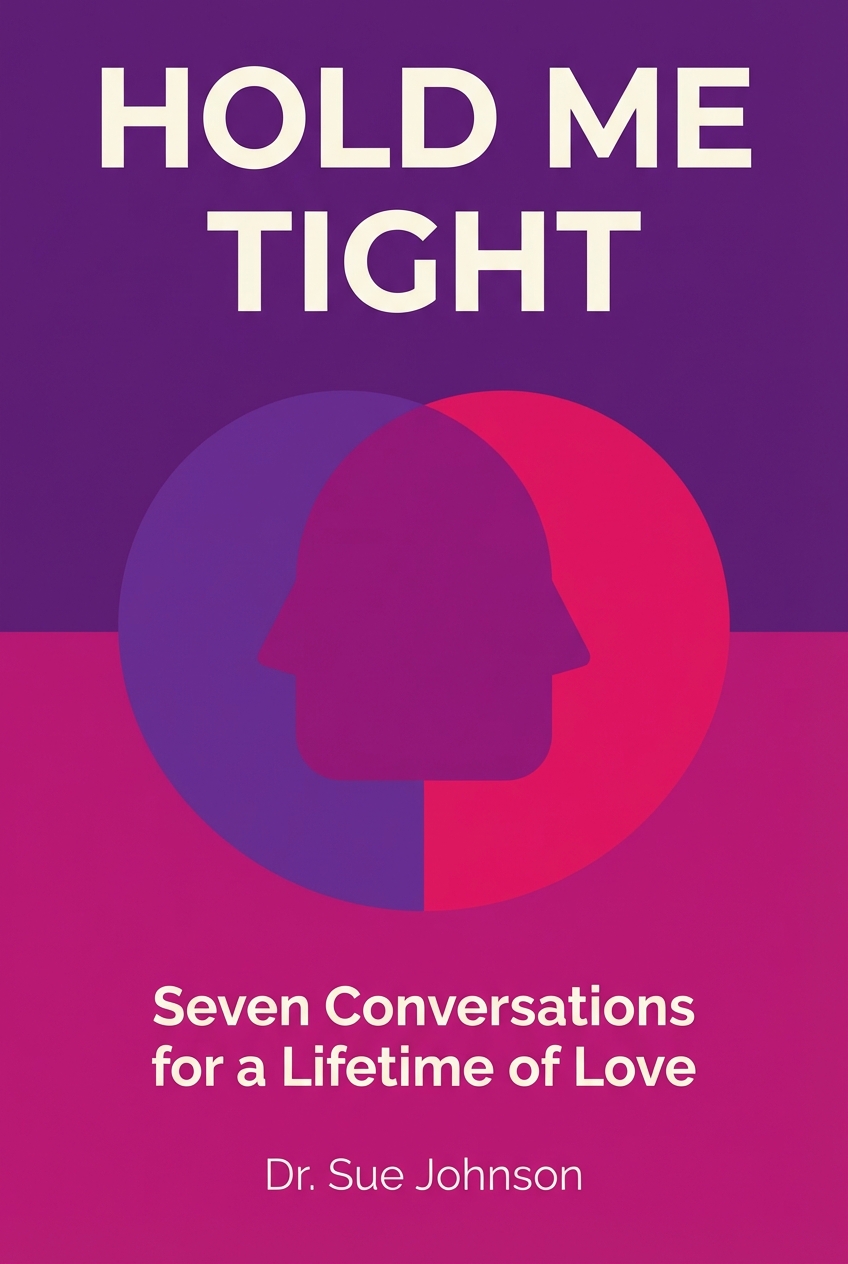
Hold Me Tight
Master seven conversations to break cycles of conflict and reconnect deeply.
- Recognize the destructive patterns that push you and your partner apart.
- Uncover the vulnerable emotions hidden beneath angry reactions.
- Create new patterns of emotional responsiveness and engagement.
Couples feeling stuck in recurring arguments and emotional distance.
Master seven conversations to break cycles of conflict and reconnect deeply.
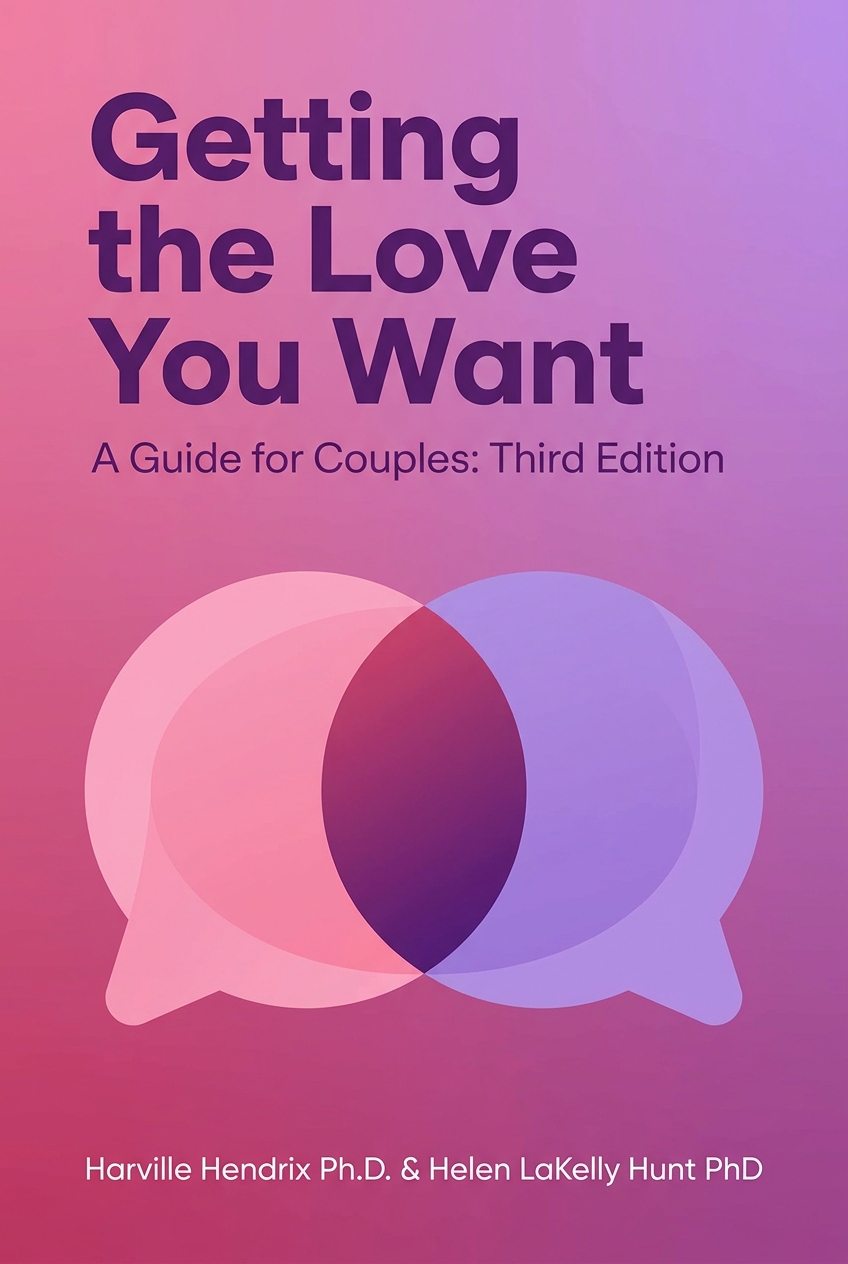
Getting the Love You Want
Heal childhood wounds to transform conflict into conscious connection.
- We subconsciously choose partners who mirror our parents' traits.
- Use the 'Imago Dialogue' to foster empathy and deep understanding.
- Transform your relationship into a space for mutual healing and growth.
Couples ready to explore their past to fix their present conflicts.
Heal childhood wounds to transform conflict into conscious connection.
How to Be an Adult in Relationships
Break free from childish reactions to build a mature, mindful love.
- Master the five keys to mindful loving, like attention and acceptance.
- Stop blaming others and take responsibility for your own happiness.
- Learn to appreciate your relationship's gifts, even during hardship.
Individuals tired of repeating painful patterns from one partner to the next.
Break free from childish reactions to build a mature, mindful love.
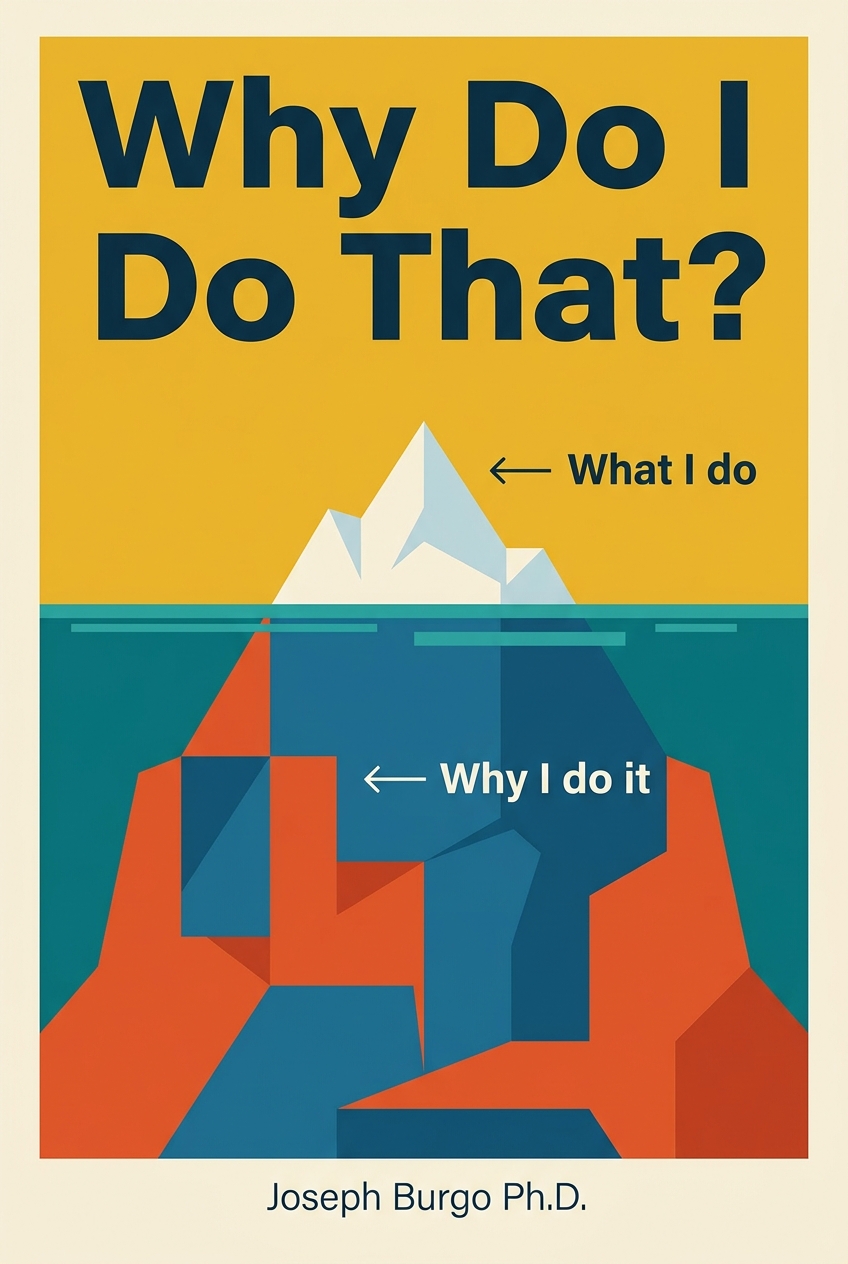
Why Do I Do That?
Uncover the hidden psychological defenses that sabotage your relationships.
- Identify your core defense mechanisms, like denial or projection.
- Understand how past wounds trigger self-defeating behaviors today.
- Develop self-awareness to break free from unconscious patterns.
Anyone wondering why they repeat the same mistakes in life and love.
Uncover the hidden psychological defenses that sabotage your relationships.
Fight Right
Turn disagreements into opportunities for growth and deeper intimacy.
- Master six essential skills to navigate conflict constructively.
- Transform conflict into a tool for building trust and connection.
- Learn how to have productive arguments that actually solve problems.
Partners who want to stop destructive fights and argue more effectively.
Turn disagreements into opportunities for growth and deeper intimacy.
Secure Love
Break free from anxious-avoidant cycles and build a truly secure love.
- Identify your and your partner's protest behaviors in conflict.
- Use practical tools to communicate needs without triggering defenses.
- Foster a secure bond by understanding each other's attachment style.
Couples trapped in the anxious-avoidant 'dance' and seeking a way out.
Break free from anxious-avoidant cycles and build a truly secure love.
The Psychology of Romantic Love
Unlock the psychological keys to a passionate, long-term romantic connection.
- Self-esteem is the essential foundation for giving and receiving love.
- True romantic love integrates sex, spirituality, and companionship.
- Overcome cynicism and develop the components of a conscious relationship.
Individuals seeking a deeper, philosophical understanding of modern love.
Unlock the psychological keys to a passionate, long-term romantic connection.
Wired for Love
Use neuroscience to stop arguments and build a secure 'couple bubble.'
- Understand your partner's brain to manage conflict effectively.
- Identify if you are an 'anchor,' 'island,' or 'wave' in your attachment.
- Use rituals to build a shared, secure-functioning relationship.
Partners interested in the brain science behind their connection.
Use neuroscience to stop arguments and build a secure 'couple bubble.'
The Art of Loving
Learn to practice love as a skill, not a feeling you simply fall into.
- Master the four elements of love: care, responsibility, respect, and knowledge.
- Differentiate between immature, symbiotic love and mature, productive love.
- Understand that love is an art requiring practice and discipline.
Reflective readers who want a timeless, philosophical guide to connection.
Learn to practice love as a skill, not a feeling you simply fall into.
Mating in Captivity
Reignite desire in your long-term relationship by embracing paradox.
- Lasting intimacy and passionate desire often work against each other.
- Cultivate psychological distance and novelty to bring back eroticism.
- Embrace fantasy and playfulness to revive a stale sexual connection.
Committed partners struggling to balance security with long-term passion.
Reignite desire in your long-term relationship by embracing paradox.
Frequently Asked Questions
Understanding the psychology of love is crucial because it provides a map to our romantic behaviors. It helps us decode why we choose certain partners, get stuck in negative cycles, and feel the way we do, empowering us to build healthier, more conscious relationships.
You can practice it daily by being mindful of 'bids' for connection from your partner and responding positively. It also involves active listening, expressing appreciation, and recognizing your own emotional triggers instead of immediately blaming your partner during disagreements.
Common mistakes include assuming your partner thinks like you, letting small resentments build up, and engaging in destructive communication like criticism or stonewalling. Another is ignoring how your attachment style influences your reactions, leading to repeated conflicts. Reviewing relationship psychology books can help identify and correct these.