Trauma is a word we hear often, but its meaning can feel vast and overwhelming. It isn't just about catastrophic events; it can be any experience that overwhelms your nervous system's capacity to cope, leaving you feeling helpless and disconnected. Understanding what is trauma and healing is the first step toward reclaiming your life from its grip. The journey can feel isolating, but you don't have to walk it alone. Invaluable guidance can be found within the pages of insightful books on trauma, which act as maps created by clinicians and survivors who have navigated this difficult terrain. This article will unpack some of the most powerful concepts from these works to illuminate the path forward.
What is Trauma and Why is Healing Important?
At its core, trauma is a wound. It’s a physiological and psychological injury that occurs when we encounter a situation that is too much, too soon, or too fast for our mind and body to process. This can range from a single terrifying event to the slow, corrosive stress of a difficult childhood. The trauma and healing causes and effects are deeply intertwined; the cause might be a specific incident, but the effects ripple outward, impacting our mental health, physical well-being, and ability to form secure relationships.
Common signs of trauma and healing struggles include chronic anxiety, depression, emotional numbness, flashbacks, and a persistent feeling of being on edge. Because trauma reshapes our internal alert system, we might overreact to minor stressors or feel disconnected from ourselves and others. This is why healing is so important. It isn’t about erasing the past, but about changing our relationship to it. Healing reduces the emotional and physical charge of traumatic memories, allowing you to live more fully in the present without being constantly pulled back into a state of fear and survival.
Foundational Concepts from Essential Books on Trauma
To truly understand how to deal with trauma and healing, we can turn to the work of pioneering researchers and clinicians. Their insights provide a framework for making sense of what often feels like chaos. Many of the best books on trauma emphasize that healing isn't just a mental exercise; it's a full-body process.
The Body as the Scorekeeper: Somatic Healing
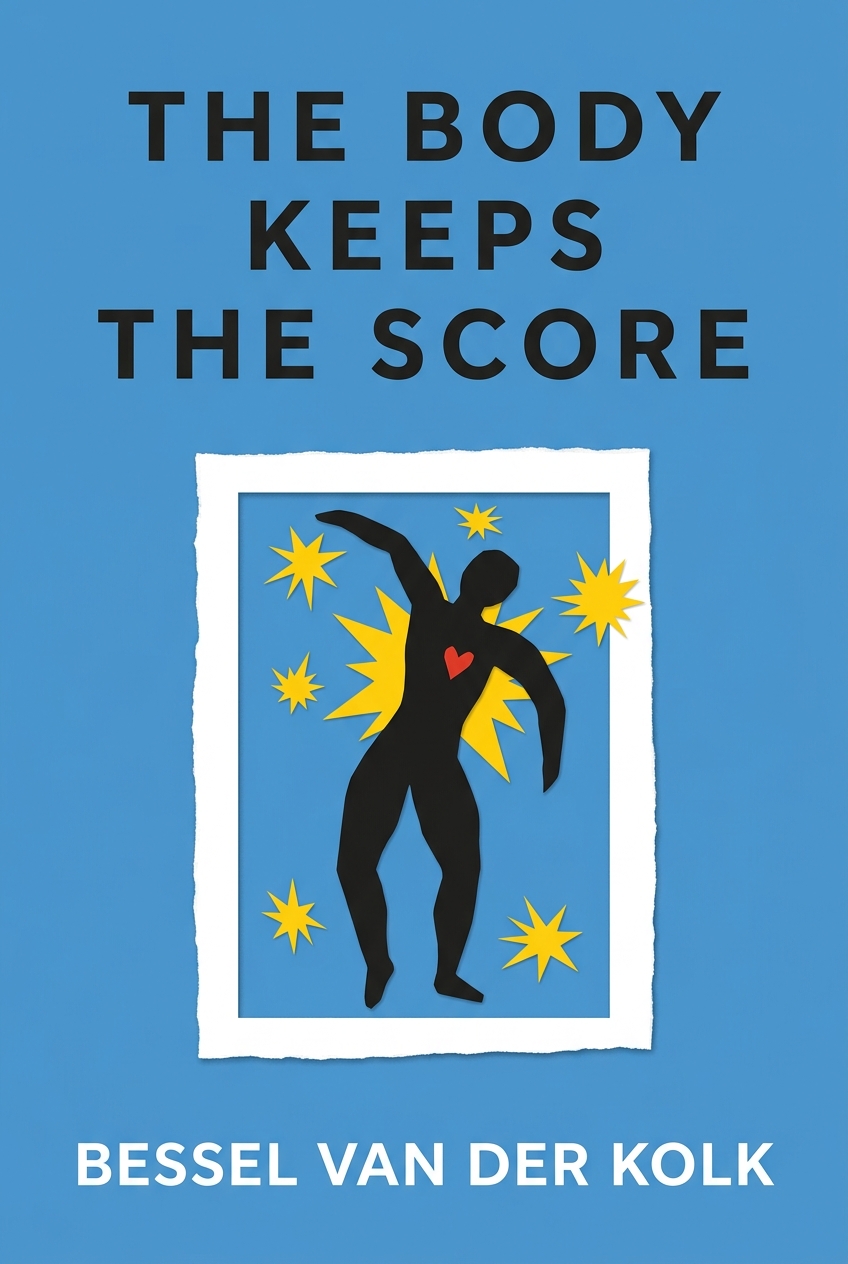
One of the most transformative ideas in modern trauma therapy comes from Dr. Bessel van der Kolk in his seminal work, The Body Keeps the Score. He argues that trauma is not stored as a neat, coherent story but as fragmented sensory imprints: a smell, a sound, a physical sensation, an image. These fragments become trapped in the body, triggering the fight-or-flight response long after the danger has passed. This is the central thesis: your body is the scorecard of your life experiences.
This explains why traditional talk therapy sometimes falls short for those with deep-seated trauma. You can’t simply talk your way out of a physiological state. This is where somatic healing comes in. It encompasses practices like yoga, mindfulness, and specific trauma and healing exercises designed to help you reconnect with your body, notice your physical sensations without judgment, and gently release the stored survival energy. The goal is to create new experiences in the present—ones of safety, control, and peace—that directly contradict the helplessness of the past.
When Trauma is Inherited: Generational Wounds
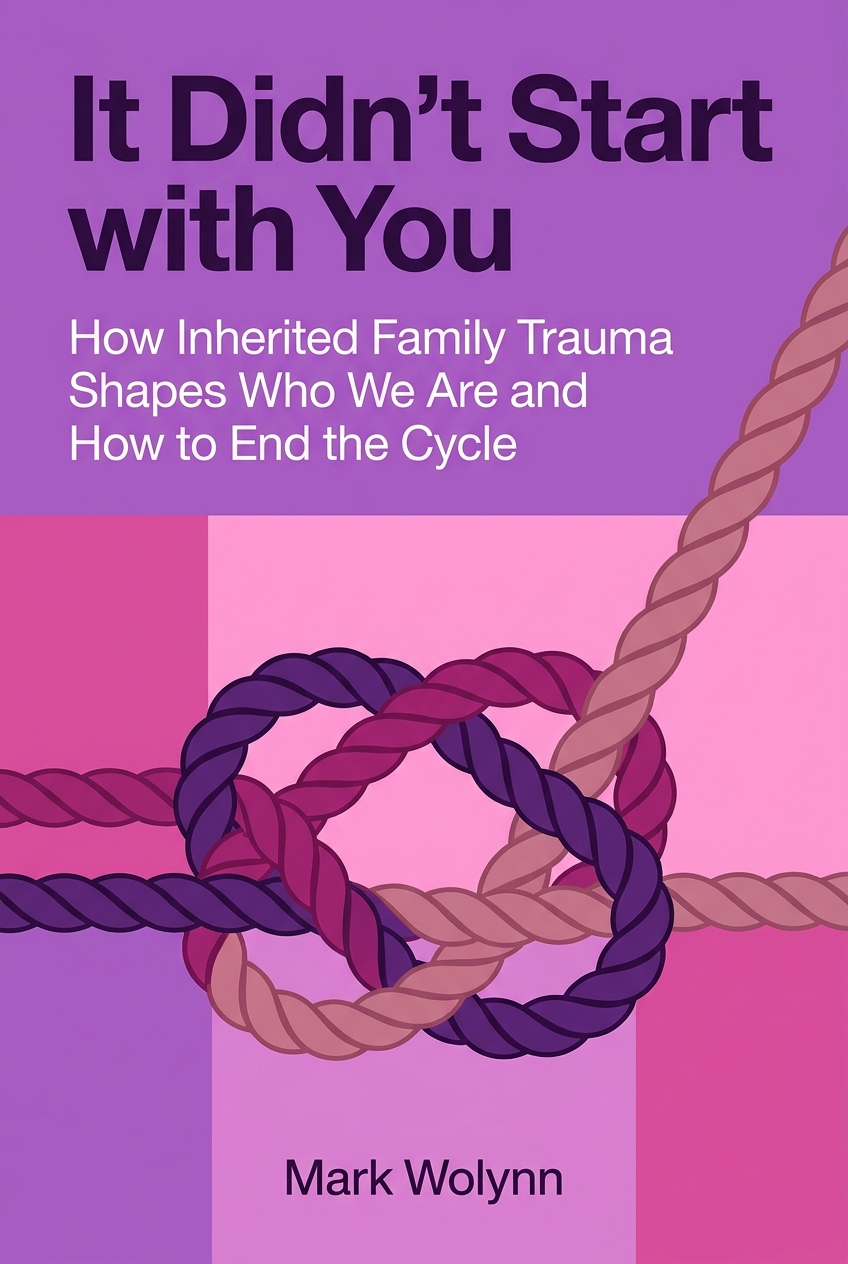
Have you ever struggled with a fear or pattern of behavior that feels like it doesn't entirely belong to you? In It Didn't Start with You, author Mark Wolynn explores the fascinating and often-overlooked field of inherited family trauma. He presents the idea that the unresolved traumas of our parents, grandparents, and even great-grandparents can be passed down, shaping our anxieties, depressions, and life choices.
This isn't just a metaphor; it's linked to the science of epigenetics, which shows how traumatic stress can alter gene expression in ways that are heritable. Wolynn provides a concrete method called the "Core Language Approach" for uncovering these hidden legacies. He suggests that our deepest, most inexplicable fears and complaints often contain clues—verbal breadcrumbs—that lead back to an original trauma in our family history. By identifying the root event and consciously separating our own life from that inherited narrative, we can break the cycle and end the pattern of suffering.
The Scars of Childhood Trauma
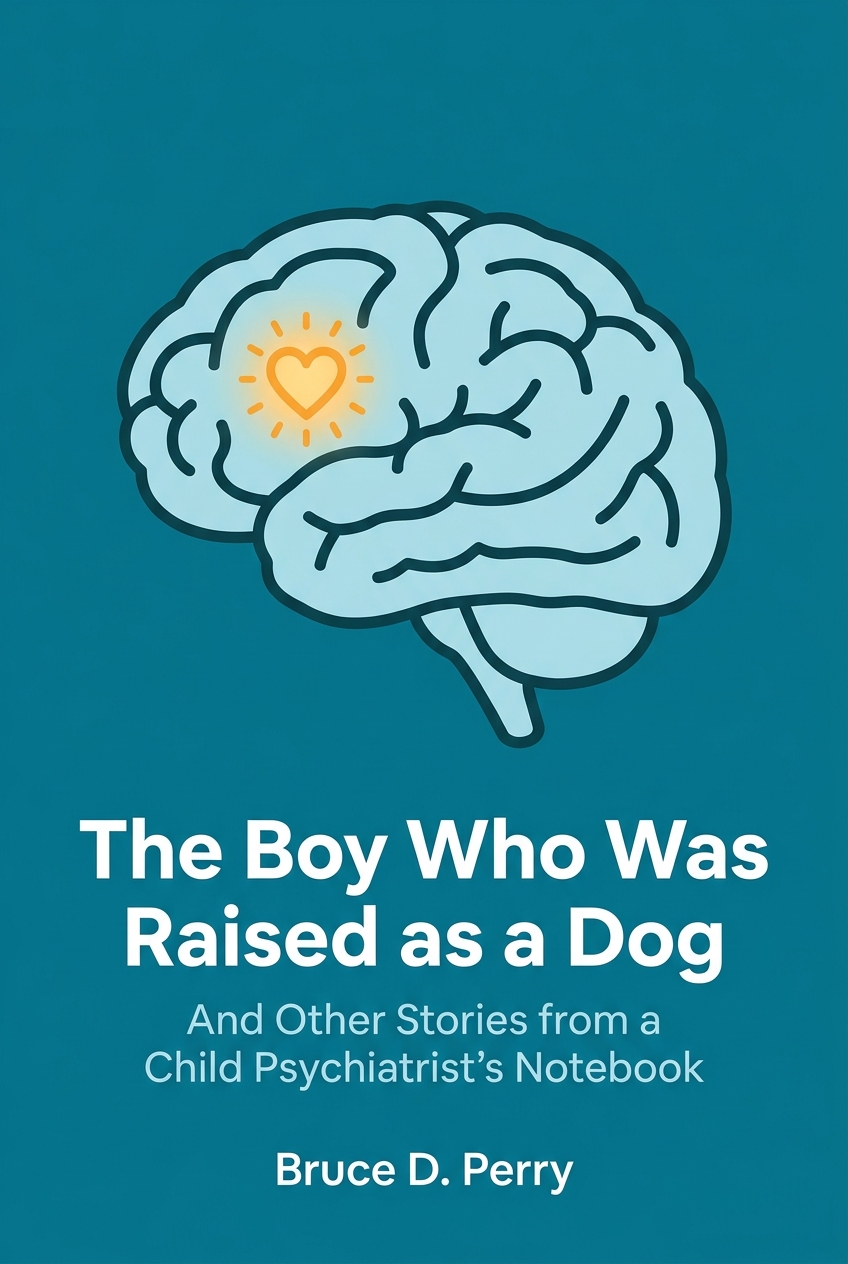
Trauma isn't always about what happened to you; sometimes it's about what didn't happen. A lack of safety, connection, and emotional attunement during formative years leaves profound scars. Dr. Bruce D. Perry, in The Boy Who Was Raised as a Dog, illustrates this with heartbreaking and hopeful case studies from his work as a child psychiatrist. His foundational concept is that the brain is a "use-dependent" organ, meaning it is physically shaped by early experiences.
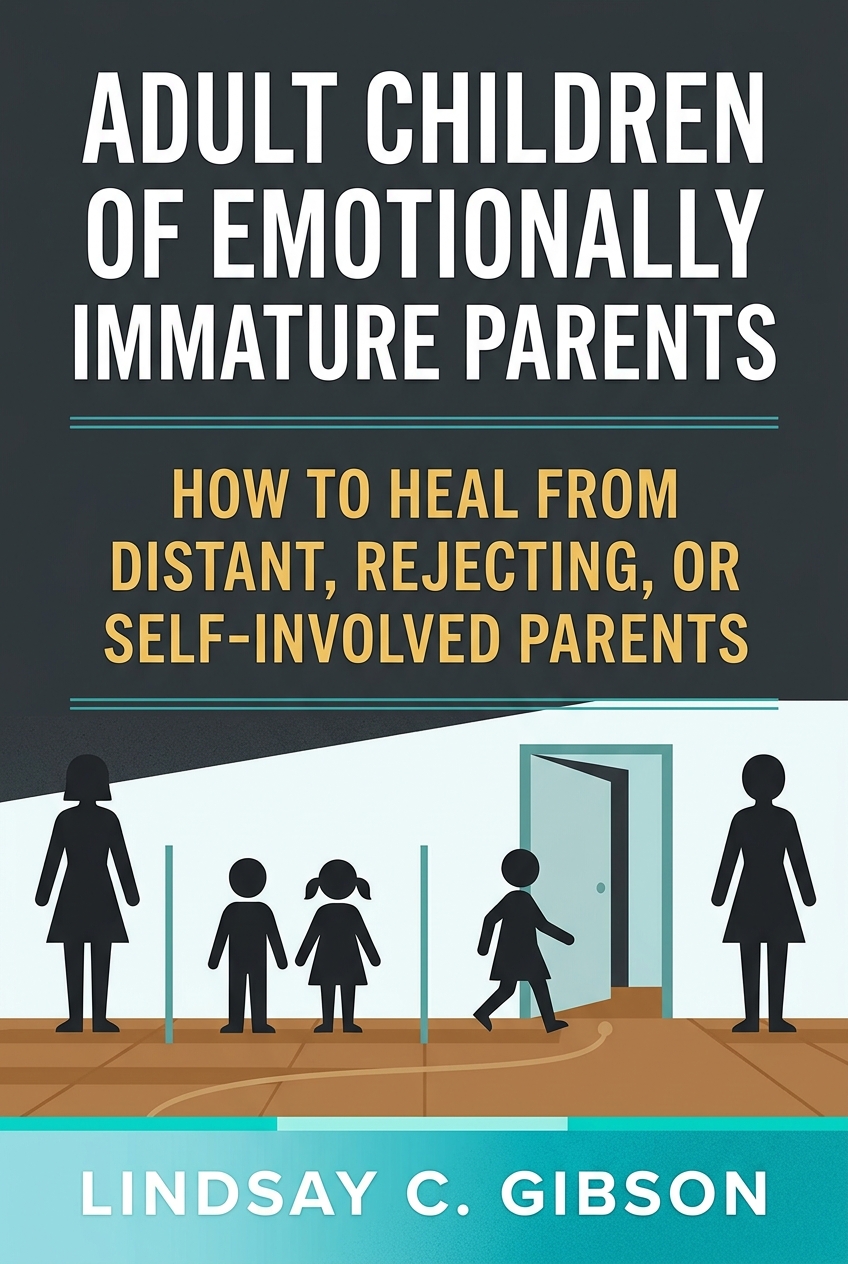
When a child grows up in a state of constant stress or neglect, their brain develops to prioritize survival over learning and connection. This aligns with the work of Dr. Lindsay C. Gibson, author of Adult Children of Emotionally Immature Parents, who describes the "core wound of emotional loneliness" that results from growing up without genuine emotional intimacy. For anyone navigating childhood trauma, understanding this neurobiological impact is validating. It reframes challenging behaviors not as personal failings but as brilliant, life-saving adaptations that may no longer be serving you in adulthood. Healing, then, involves creating the relational safety and connection that were missing in the first place.
How to Overcome Trauma and Begin Healing
Understanding the mechanics of trauma is empowering, but the ultimate question is: what do we do about it? How to overcome trauma and healing is a journey that requires courage, patience, and a multi-faceted approach. There is no single cure, but there are clear pathways to recovery and growth.
Pathways to Recovery: From PTSD to Post-Traumatic Growth
The brain’s ability to change, known as neuroplasticity, is the bedrock of hope in trauma recovery. As highlighted in The Body Keeps the Score, the goal is to use this adaptability to our advantage. Therapeutic modalities like EMDR (Eye Movement Desensitization and Reprocessing) are designed to help the brain process and integrate traumatic memories, reducing their emotional intensity. Trauma recovery is not about forgetting what happened, but about making it a part of your story instead of the defining element.
Crucially, as Dr. Bruce D. Perry emphasizes, healing doesn't happen in isolation. If trauma is a wound of disconnection, then safe, healthy connection is the medicine. This could be with a therapist, a trusted friend, a support group, or even a pet. These relationships provide the co-regulation and sense of safety needed for the nervous system to finally stand down from high alert. This shift can eventually lead to post-traumatic growth, where individuals not only heal but also experience a new appreciation for life, stronger relationships, and a deeper sense of personal strength.
Trauma and Healing for Professionals and at Work
These concepts are not just for personal healing; they are vital in professional settings. For trauma and healing for professionals—be they managers, teachers, or healthcare workers—understanding trauma provides a lens for compassion and effectiveness. It helps explain why a student might be acting out or why an employee is disengaged. A trauma-informed approach at work involves recognizing that everyone carries a history and that creating a psychologically safe environment is paramount for productivity and well-being.
Trauma and healing at work can manifest in simple but powerful ways: fostering a culture where it’s okay to not be okay, offering flexible work arrangements, and training leaders to respond with empathy instead of judgment. For students facing academic and social pressures, these principles offer a framework for resilience and self-compassion, helping them build the trauma and healing coping strategies they will need throughout their lives.
Your journey of healing is uniquely your own, but it’s one that countless others have walked before. The knowledge and compassion contained in books focused on trauma can be a powerful lighthouse in a storm, guiding you toward a shore of greater understanding, self-acceptance, and peace. By learning how trauma affects the mind and body, you take the first and most crucial step toward rewriting your story and reclaiming your future.
Master key ideas in 15 minutes
Listen to audio summaries of these books on VoxBrief
Download Free