World War II, a conflict that officially spanned from 1939 to 1945, remains the largest and most destructive war in human history. It involved more than 30 countries and resulted in an estimated 70 to 85 million fatalities. For anyone new to the subject, the sheer scale can be overwhelming. This is where literature becomes an indispensable tool. A curated approach, focusing on the best ww2 books, can transform this monumental topic from a list of dates and battles into a profound exploration of humanity. This guide is an introduction to WW2, designed for beginners who want to understand not just what happened, but why it still matters.
Basically, the war was fought between two main alliances: the Axis Powers (led by Germany, Italy, and Japan) and the Allied Powers (led by Great Britain, the United States, and the Soviet Union). The conflict began with Germany's invasion of Poland and engulfed the globe, fought across the fields of Europe, the deserts of Africa, and the vast waters of the Pacific. Understanding the complete WW2 timeline and its key events is a journey, and books are the most reliable maps.
Why World War II Remains Essential Reading
Why is WW2 important to study over 75 years after its conclusion? The answer lies in its enduring legacy. The war was a crucible that forged the modern world. It shattered empires, created new nations, and established a new global power structure. The technological advancements, from radar and jet engines to the atomic bomb, fundamentally altered the course of human innovation and warfare. Socially, it challenged long-held notions of race, gender, and human rights, leading to movements that would define the latter half of the 20th century.
Reading about World War II is more than a history lesson; it's an exercise in empathy and ethical reflection. The events of the war, particularly the Holocaust, push us to confront the darkest aspects of human nature. At the same time, stories of courage, sacrifice, and resilience provide powerful WW2 lessons about our capacity for good. For those looking for an introduction to WW2, books offer a way to process these complex truths at a human scale, moving beyond abstract numbers to the level of individual experience.
Navigating the Conflict: A Thematic Approach to the Best WW2 Books
Because the war was so vast, no single book can cover everything. The most effective way for a beginner to approach the topic is thematically. Some books excel at conveying the personal, lived experience of the war, while others provide a strategic overview of its major battles or an analysis of its leaders. By exploring different facets, you can build a more complete and nuanced understanding of the conflict.
The Human Experience: Diaries and Memoirs
Perhaps the most powerful entry point into the war is through the eyes of those who lived it. First-hand accounts cut through the noise of statistics and strategy to reveal the raw, emotional core of the conflict. They remind us that history is not just something that happens; it's something that is experienced by individuals.
Nowhere is this more apparent than in stories from the Holocaust, the systematic, state-sponsored genocide of six million Jews by the Nazi regime and its collaborators. These narratives are essential for understanding the depths of human cruelty and the profound importance of bearing witness.
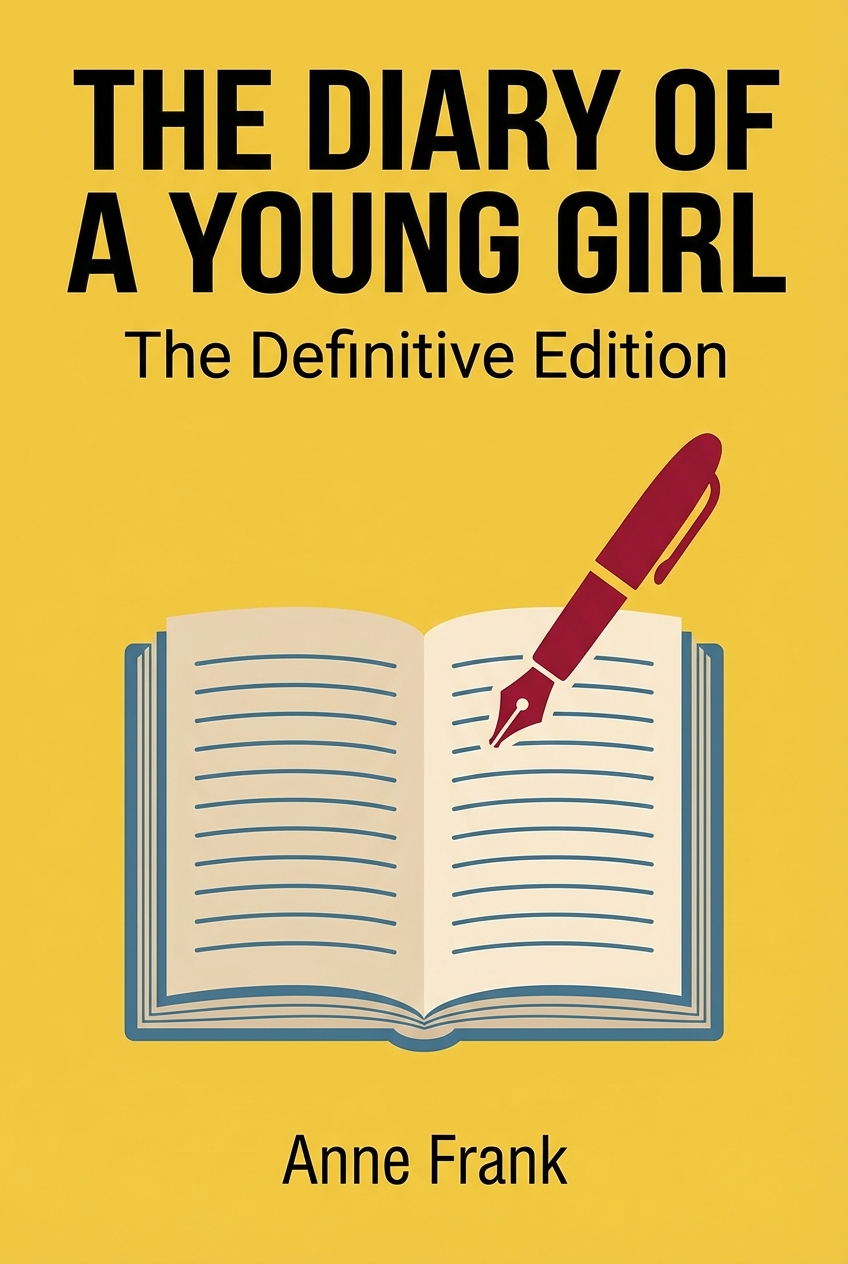
For example, The Diary of a Young Girl by Anne Frank offers an intimate look at the emotional and psychological toll of living in hiding. Her writings provide a stunningly clear window into what she termed the "psychology of confinement." For over two years, a small group of people in the Secret Annex had to navigate fear, boredom, and interpersonal conflict, all while the world outside descended into madness. Anne’s diary is a powerful testament to the internal "battle for a self" that rages even when the external world is a cage.
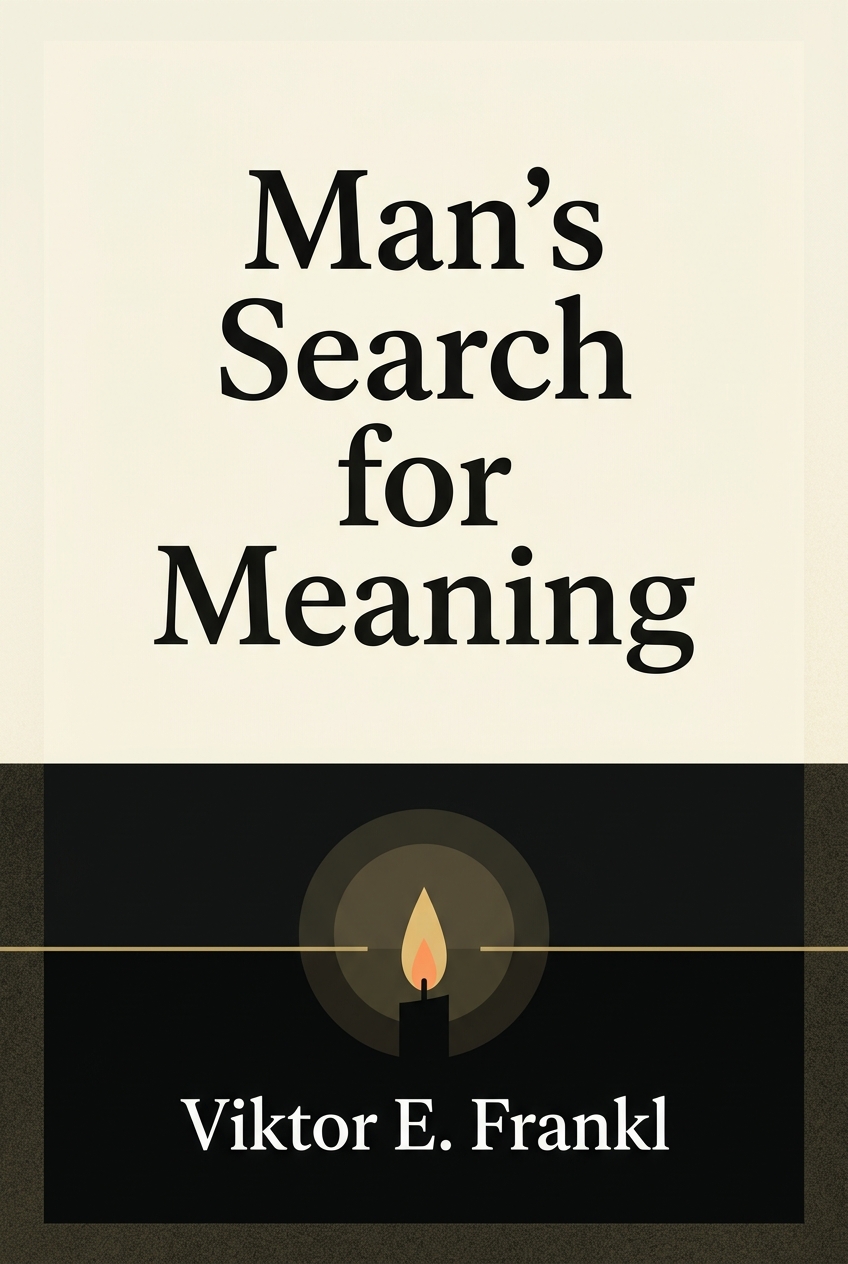
Similarly, psychiatrist Viktor Frankl’s memoir, Man's Search for Meaning, provides a framework for understanding survival in the most extreme conditions imaginable. Drawing from his experiences in Nazi concentration camps, Frankl developed his theory that the one thing that cannot be taken from a person is the freedom to choose their attitude. He called this "The Last Human Freedom." His work explores how finding a purpose—whether through love, creating a work, or the attitude we take toward suffering—is the key to enduring the unimaginable. It shifts the focus from mere survival to a search for meaning, offering a profound lesson on human resilience.
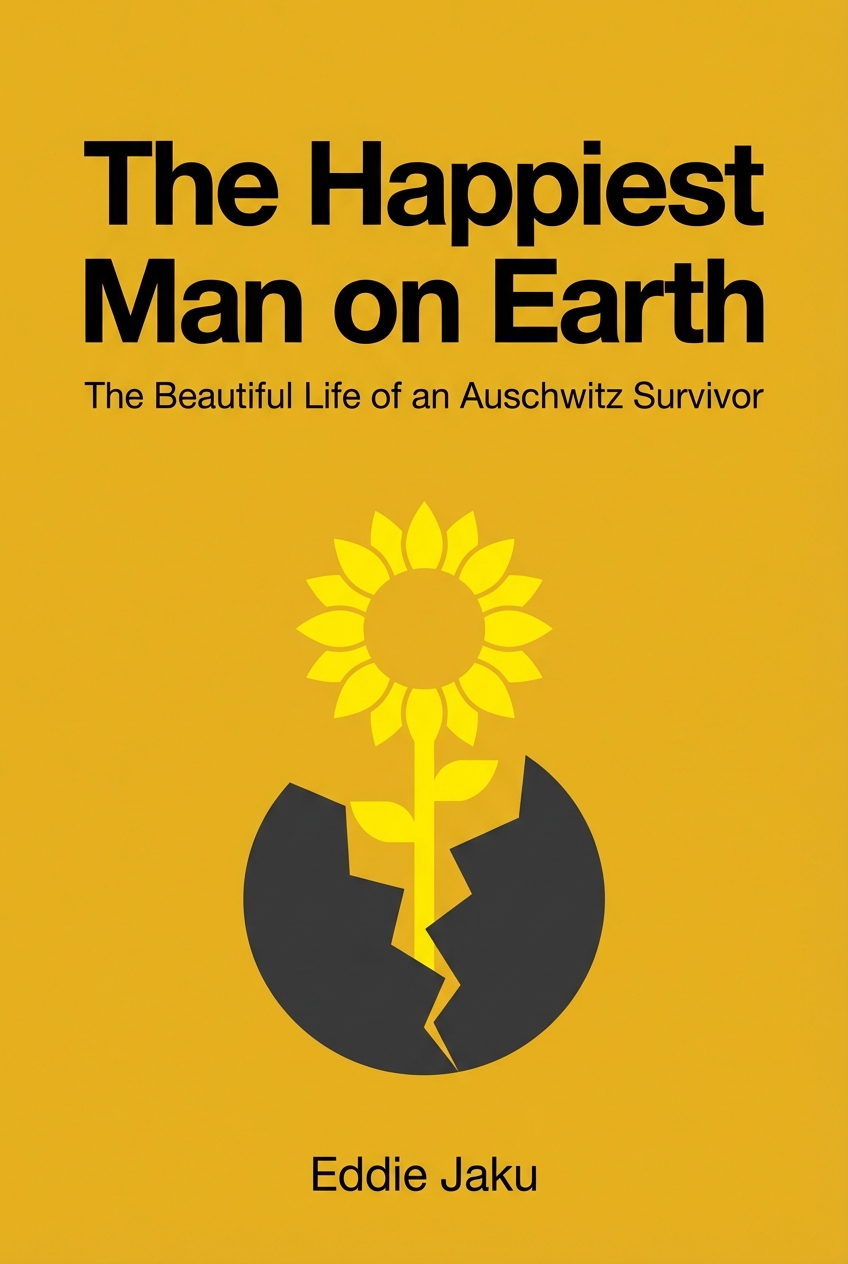
This theme of choice is echoed in The Happiest Man on Earth by Eddie Jaku. An Auschwitz survivor, Jaku made a conscious "choice to be happy" after enduring unspeakable horrors. His story emphasizes the life-saving importance of human connection, highlighting the "power of friendship" as a bulwark against despair. Jaku's account demonstrates that even after the worst of humanity has been witnessed, one can actively choose a path of hope and kindness.
Understanding the Battlefield: Key Events and Theaters of War
While personal stories provide emotional depth, understanding the strategic dimension of the war is also crucial for any beginner. The conflict was fought across multiple theaters, each with its own unique challenges and pivotal moments. Narrative histories and military analyses help explain how the war was fought and won.
Key events like the Battle of Stalingrad, the D-Day landings in Normandy, and the Battle of Midway were turning points that shaped the war's outcome. Books focusing on these world war 2 battles often blend grand strategy with the experiences of soldiers on the ground, explaining the tactical decisions, logistical challenges, and sheer bravery involved. These accounts help demystify the complexities of military operations, making them accessible to a general reader.
Exploring the different fronts is also essential. The war in Europe was largely a land and air war, defined by tank battles on the Eastern Front and the Allied bombing campaign over Germany. In contrast, the Pacific Theater was dominated by naval warfare, with vast distances and amphibious assaults on heavily fortified islands defining the conflict between the U.S. and Japan. Understanding these distinct theaters helps to appreciate the global nature of the conflict and the diverse strategies required to fight it.
The Minds of Command: Examining War Leaders
The decisions of a few key individuals had an outsized impact on the lives of millions. Studying the war leaders—figures like Winston Churchill, Franklin D. Roosevelt, Joseph Stalin, and Adolf Hitler—is critical to understanding the political and ideological forces that drove the war. Biographies and political histories offer deep dives into their psychologies, motivations, and leadership styles.
These books explore the high-stakes diplomacy, the strategic gambles, and the moral compromises made in the halls of power. By understanding the worldviews of these leaders, we can better grasp why the war began, how it was prosecuted, and why it ended the way it did. This perspective adds a crucial layer to the military and personal narratives, connecting individual experiences to the grand sweep of history.
The Lasting Echo: WW2's Legacy and Timeless Lessons
World War II concluded in 1945, but its shockwaves never truly subsided. The end of the war gave birth to the nuclear age, the Cold War, and a host of international institutions designed to prevent such a catastrophe from happening again. It sparked decolonization movements that redrew the map of the globe and laid the groundwork for the modern human rights movement. Learning how did ww2 shape today is not an academic exercise; it’s a prerequisite for understanding the 21st-century world.
The most important ww2 facts are not just dates and death tolls, but the enduring lessons learned. The war serves as a permanent warning about the dangers of ideology, the fragility of democracy, and the speed at which civilization can unravel. It also stands as a testament to the power of collective action and the capacity for ordinary people to achieve extraordinary things in the defense of freedom.
The books that document this era are more than just historical records. They are carriers of memory, empathy, and wisdom. They ensure that the lessons paid for in blood are not forgotten. Engaging with these stories is our best tool for honoring the past and navigating the future with a deeper understanding of what is at stake.
Master key ideas in 15 minutes
Listen to audio summaries of these books on VoxBrief
Studying World War II is vital because it fundamentally reshaped global politics, led to the creation of the United Nations, and spurred massive technological and social changes. Understanding its causes and consequences helps us recognize modern geopolitical tensions and appreciate the foundations of our current world.
Key lessons from WW2 include the profound dangers of unchecked nationalism and totalitarianism, the critical importance of international cooperation and alliances, and the incredible resilience of the human spirit in the face of atrocity. These themes offer timeless insights into both societal collapse and individual courage.
WW2 dramatically redrew the world map, establishing the United States and the Soviet Union as superpowers, which ignited the Cold War. It also accelerated decolonization movements across Asia and Africa and led to the creation of institutions like the World Bank and NATO that still govern international affairs.