Best Books on Communication Skills
Understanding why is communication skills important is the first step toward personal and professional growth. But knowing how to improve communication skills is what truly unlocks your potential to connect, influence, and lead effectively. This curated list of the best books on communication provides proven strategies for every situation, from landing a job to navigating tough conversations. These are essential books to enhance communication skills for anyone looking to build stronger relationships and make a lasting impact. Curated by the VoxBrief team.

Men Are from Mars, Women Are from Venus
Crack the code to understanding the opposite sex and turn arguments into support.
- Men and women handle stress and communicate love in different ways.
- Men often retreat to "caves," while women need to talk things out.
- Understanding these core differences can stop the cycle of miscommunication.
Couples feeling misunderstood or disconnected in their relationship.
Crack the code to understanding the opposite sex and turn arguments into support.
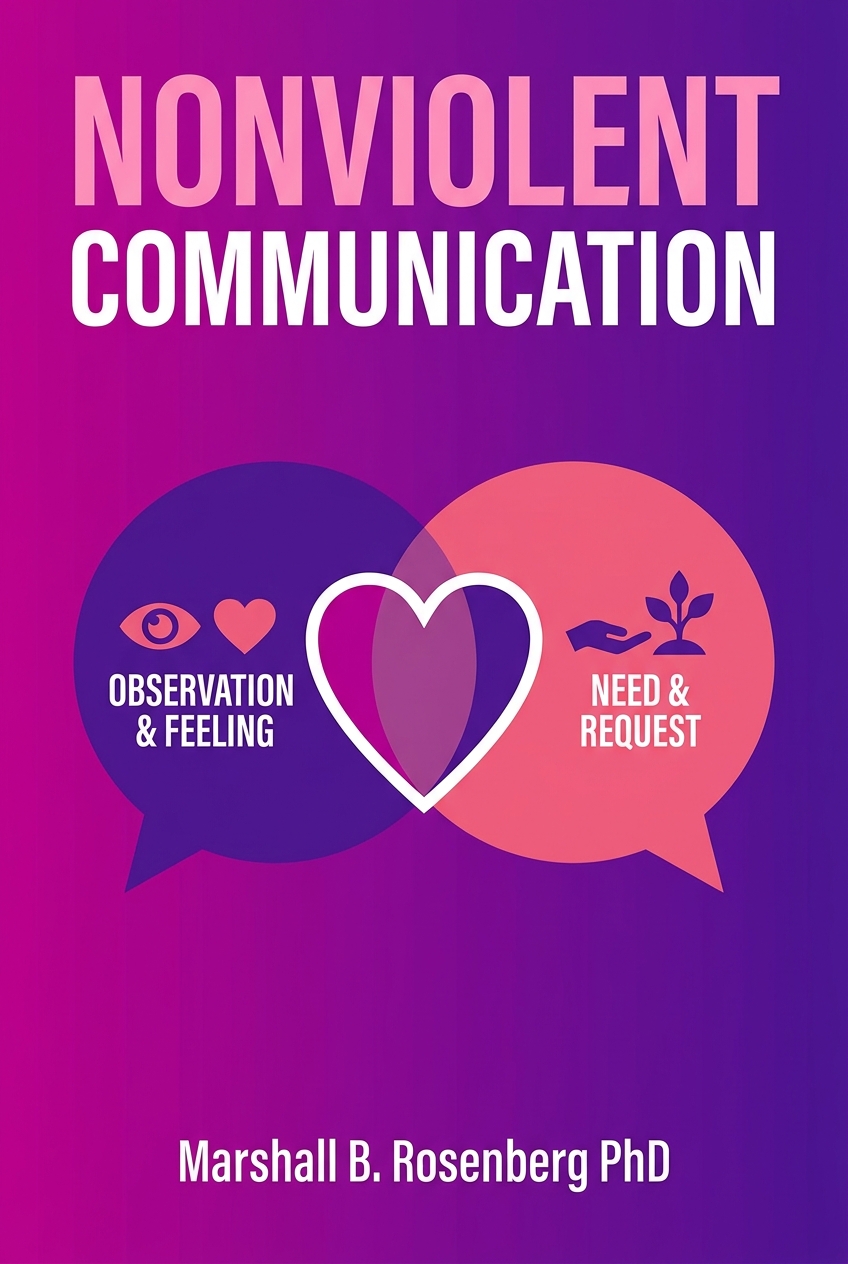
Nonviolent Communication
Learn a simple, powerful method to express your needs clearly without blame.
- Use a four-step framework for navigating difficult discussions.
- Express needs and hear others without blame or judgment.
- De-escalate tension by fostering empathy and respect for all parties.
Individuals looking to resolve conflicts constructively at home or work.
Learn a simple, powerful method to express your needs clearly without blame.
21 Days of Effective Communication
Transform your social skills and build stronger connections in just three weeks.
- Develop daily habits to eliminate awkward social silences.
- Learn specific exercises to navigate difficult conversations with confidence.
- Master active listening and persuasion to make a positive impression.
Beginners seeking a structured, daily plan to boost their social skills.
Transform your social skills and build stronger connections in just three weeks.
4 Essential Keys to Effective Communication in Love, Life, Work--Anywhere!
Master four keys to connect, persuade, and build stronger relationships anywhere.
- Unlock the secrets to powerful active listening and nonverbal cues.
- Express yourself assertively without being aggressive or passive.
- Use a 12-day challenge to turn these powerful skills into habits.
Anyone wanting a practical, step-by-step system for better conversations.
Master four keys to connect, persuade, and build stronger relationships anywhere.
Everyone Communicates, Few Connect
Learn to turn simple conversations into powerful connections that get results.
- Move beyond just sharing information to truly inspiring action.
- Master five principles and practices of highly effective connectors.
- Build trust and increase your influence in any interaction.
Leaders and professionals who want their ideas to inspire action.
Learn to turn simple conversations into powerful connections that get results.
Communicate Your Feelings
Get the exact words to use for healthier, loving partner conversations.
- Use practical scripts and frameworks for discussing difficult topics.
- Navigate conflict with confidence and empathy for your partner.
- Learn how to set healthy boundaries without causing a fight.
Partners struggling to express emotions without starting arguments.
Get the exact words to use for healthier, loving partner conversations.
How Highly Effective People Speak
Learn the secrets of elite communicators to sound confident and persuasive.
- Use psychological triggers to win trust and build rapport quickly.
- Learn specific vocal techniques to increase your authority and presence.
- Frame your arguments to make them memorable and impossible to ignore.
Ambitious professionals who want to command attention and influence.
Learn the secrets of elite communicators to sound confident and persuasive.
How to Talk to Anyone About Anything
Turn awkward silences into genuine connections with simple, actionable techniques.
- Overcome social anxiety and master the art of small talk.
- Use active listening to make others feel instantly valued.
- Ask the right questions to keep conversations flowing naturally.
People with social anxiety who want to build friendships easily.
Turn awkward silences into genuine connections with simple, actionable techniques.
Simply Said
Ensure your message lands with impact and clarity in any professional setting.
- Use a practical framework for structuring your thoughts for clarity.
- Learn proven techniques to connect with any type of audience.
- Project confidence when speaking to your boss or in large groups.
Professionals who want their ideas heard and understood in meetings.
Ensure your message lands with impact and clarity in any professional setting.
8 Crucial Skills to Improve Your Conversations
Transform stressful conversations into successful ones with eight key skills.
- Use eight crucial skills that master communicators use to build rapport.
- Learn to tell captivating stories to engage listeners effectively.
- Steer conversations with ease and confidence in any social setting.
Anyone who feels shy or awkward in social conversations and wants more confidence.
Transform stressful conversations into successful ones with eight key skills.
How to Win Friends & Influence People
Unlock timeless secrets to master human interaction and become more influential.
- Use powerful techniques to make people like you instantly.
- Learn time-tested strategies for winning people to your way of thinking.
- Inspire enthusiastic cooperation instead of creating resentment.
Anyone seeking to expand their influence and build better relationships.
Unlock timeless secrets to master human interaction and become more influential.
Difficult Conversations
Turn high-stakes, stressful talks into productive and confident dialogues.
- Understand the three hidden structures behind every difficult talk.
- Use a step-by-step framework to navigate disagreements productively.
- Manage your own strong emotions and those of others effectively.
People who avoid conflict and want tools to handle tough talks better.
Turn high-stakes, stressful talks into productive and confident dialogues.
Thanks for the Feedback
Turn any feedback—good, bad, or confusing—into a powerful tool for growth.
- Identify the three triggers that block our ability to learn from criticism.
- Use practical techniques to manage your emotional reactions to feedback.
- Learn how to see your own blind spots and understand others' perspectives.
Professionals who struggle with receiving and acting on criticism.
Turn any feedback—good, bad, or confusing—into a powerful tool for growth.
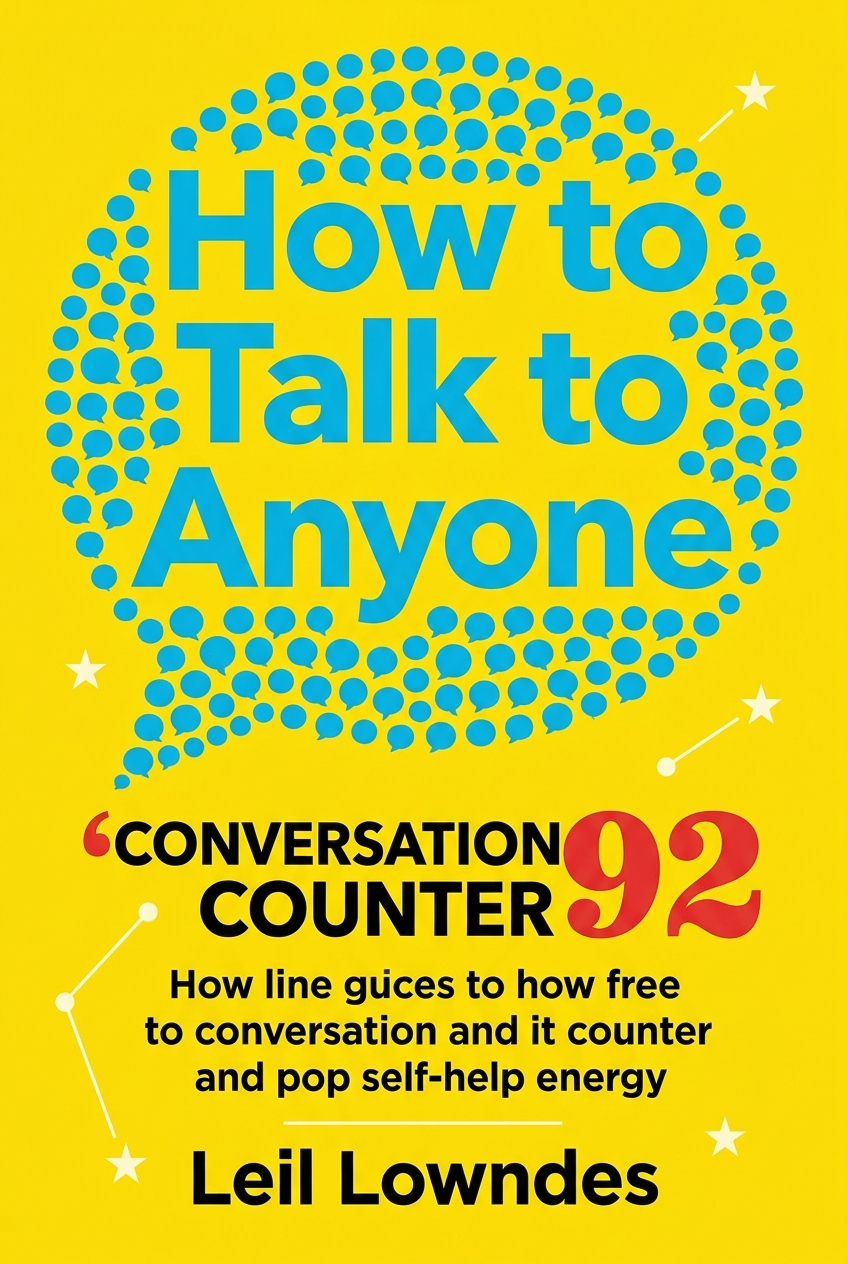
How to Talk to Anyone
Learn 92 practical tricks to master small talk and build rapport.
- Use confident body language and an open posture to seem approachable.
- Start conversations with unique observations, not generic questions.
- Mimic others' speech patterns to build subconscious rapport.
People who feel awkward in social situations and want to connect.
Learn 92 practical tricks to master small talk and build rapport.
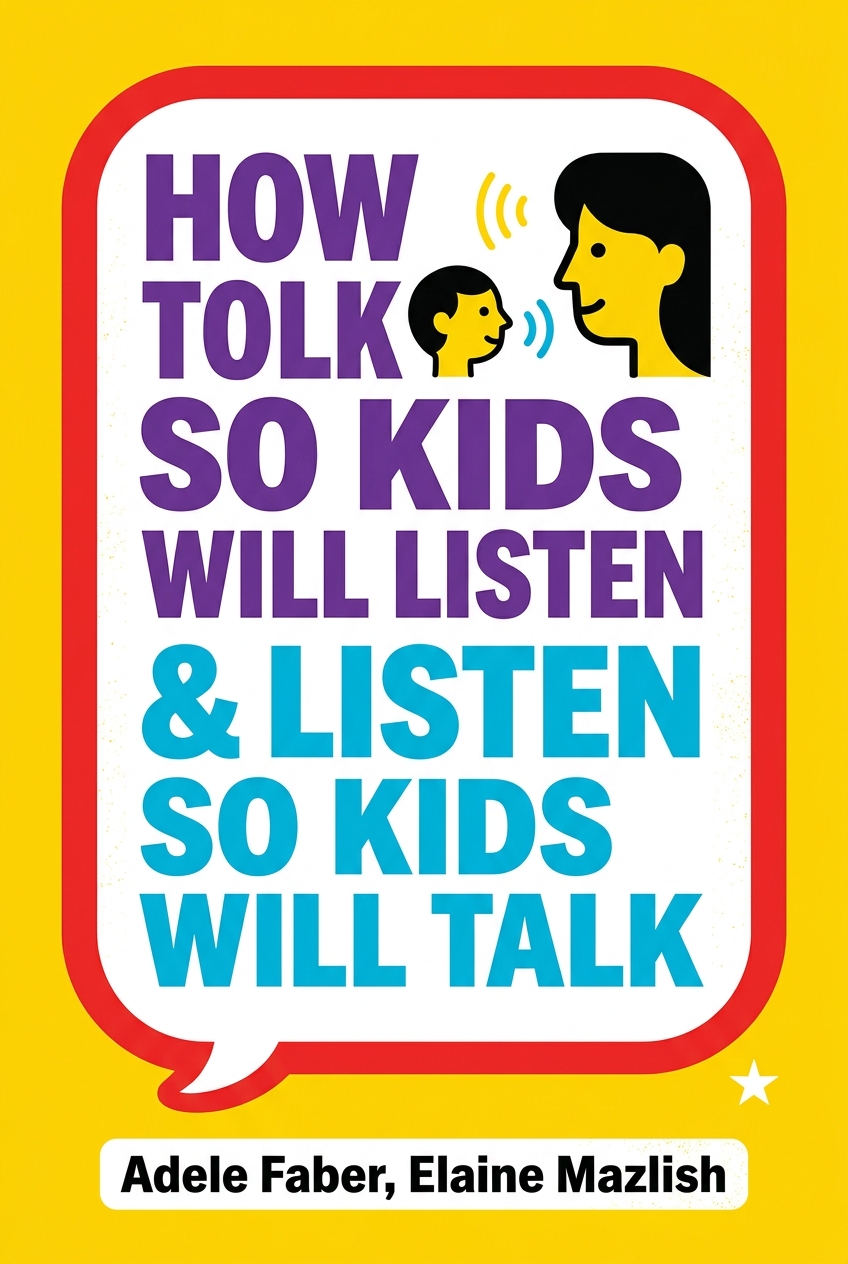
How to Talk So Kids Will Listen & Listen So Kids Will Talk
Replace family conflict with cooperation, trust, and respect.
- Acknowledge children's feelings with words instead of dismissing them.
- Engage cooperation by describing problems and inviting solutions.
- Use alternatives to punishment that encourage self-discipline.
Parents tired of yelling and seeking a peaceful family dynamic.
Replace family conflict with cooperation, trust, and respect.
Frequently Asked Questions
Improving communication skills enhances every aspect of your life. Professionally, it leads to better leadership and teamwork, while personally, it helps build stronger, more meaningful relationships and resolve conflicts constructively.
A great starting point is active listening. Many of the best books improve communication skills by first teaching you to truly hear what others are saying without planning a reply. From there, practicing empathy and expressing your own needs clearly are foundational skills.
Yes, many of the best books on improving communication skills cover both. They explain how body language, tone of voice, and eye contact are just as crucial as the words you choose for conveying your message effectively.
Start small by choosing one or two techniques, like asking open-ended questions or paraphrasing what you've heard. Practice them in low-stakes conversations before trying them in more challenging situations at work.
Strong communication skills are crucial for building relationships, preventing misunderstandings, and advancing your career. They enable you to express ideas clearly, influence others, and resolve conflicts effectively in both your personal and professional life.
Practice daily by focusing on active listening in conversations, asking open-ended questions, and paying attention to nonverbal cues. You can also try summarizing a colleague's point before replying or spend five minutes a day reading aloud to improve your delivery.
Common mistakes include interrupting others, making assumptions instead of clarifying, and not tailoring your message to your audience. To fix these, consider the guidance offered in books to enhance communication skills, which provide frameworks for better habits.
This list covers foundational skills, but the world of better communication books is vast, including topics like public speaking and storytelling. These are a great starting point, and many other books on communication can help you master more specific skills.