Books On Persuasion
Understanding how to effectively influence others is a critical skill, answering the core question of why persuasion is important. To help you master this art, we’ve selected the best persuasion books to guide you. This collection of essential persuading books offers powerful persuasion techniques and frameworks, from mastering rhetoric to understanding influence psychology. Whether you're a professional aiming to close a deal or a student looking to improve your communication, these summaries provide the tools you need to succeed. Curated by the VoxBrief team.

The Coaching Habit
Learn to coach your team in 10 minutes by asking seven essential questions.
- Stop giving advice and start asking powerful, curiosity-driven questions.
- Use the 'AWE' question ('And what else?') to generate deeper insights.
- Empower your team to solve their own problems and take ownership.
Managers and leaders wanting to empower their team instead of directing them.
Learn to coach your team in 10 minutes by asking seven essential questions.
Verbal Judo
De-escalate conflict and gain cooperation using tactical communication skills.
- Use empathy as a tool to absorb tension and redirect conversations.
- Aim for voluntary compliance instead of feeling you need the last word.
- Treat everyone with dignity and respect, regardless of the situation.
Anyone dealing with difficult people, from police officers to customer service.
De-escalate conflict and gain cooperation using tactical communication skills.
The One Sentence Persuasion Course - 27 Words to Make the World Do Your Bidding
Get anyone to agree with you using a powerful 27-word sentence structure.
- People will do anything for those who encourage their dreams.
- Justify their final decision with a compelling, logical reason.
- Frame your message to align with their existing beliefs and desires.
Marketers looking for a simple, powerful persuasion shortcut.
Get anyone to agree with you using a powerful 27-word sentence structure.
The Art of Persuasion
Win people over and achieve your goals without conflict or manipulation.
- Make others feel important, valued, and genuinely heard.
- Control your own emotions to remain calm and influential in any situation.
- Set a positive frame for every interaction to encourage cooperation.
Professionals who want to influence others with grace and integrity.
Win people over and achieve your goals without conflict or manipulation.
Persuasion Skills Black Book
Use secret NLP language patterns to make people enthusiastically agree with you.
- Bypass conscious resistance by speaking to the subconscious mind.
- Build instant rapport through powerful mirroring and matching techniques.
- Use hypnotic language to frame your ideas irresistibly.
Salespeople and negotiators who want to master advanced verbal influence.
Use secret NLP language patterns to make people enthusiastically agree with you.
The Psychology of Persuasion
Unlock the nine fundamental laws of ethical influence and human behavior.
- The Law of Reciprocity: People feel obliged to give back what they receive.
- The Law of Social Proof: We follow the actions and beliefs of others.
- The Law of Expectation: What we confidently expect tends to come true.
Anyone curious about the psychological drivers behind human decision-making.
Unlock the nine fundamental laws of ethical influence and human behavior.
The Art Of Manipulation
Ethically guide conversations and get the 'yes' you want at work and home.
- Master body language to build rapport and project confidence.
- Use NLP techniques to subtly influence thoughts and decisions.
- Understand psychological triggers to guide people to your point of view.
Those seeking to become more influential in their personal and professional life.
Ethically guide conversations and get the 'yes' you want at work and home.
The Power of Persuasion
Learn to spot and use the hidden psychological forces that drive decisions.
- Leverage the principle of scarcity to create urgency and desire.
- Use the power of authority to build credibility and trust instantly.
- Understand how commitment and consistency guide people's future actions.
Consumers who want to defend against manipulative marketing and sales tactics.
Learn to spot and use the hidden psychological forces that drive decisions.
The Persuasion Code
Bypass the rational mind and speak directly to the primal brain that decides.
- The primal brain, not the rational mind, is the real decision-maker.
- Craft your message around six key stimuli, like self-centeredness and contrast.
- Diagnose the buyer's 'pain' and clearly demonstrate how you are the 'gain'.
Marketers and advertisers looking to apply neuroscience to their campaigns.
Bypass the rational mind and speak directly to the primal brain that decides.
Persuasion Tactics
Become effortlessly influential by using subtle psychological triggers.
- Frame conversations to establish a favorable context from the start.
- Build deep rapport quickly to make others more receptive to your ideas.
- Use the 'foot-in-the-door' technique to gain agreement for larger requests.
Beginners looking for practical, easy-to-implement persuasion strategies.
Become effortlessly influential by using subtle psychological triggers.
Pre-Suasion
Make people receptive to your message before you even state your case.
- What you do right before you ask is crucial for achieving a 'yes'.
- Direct attention to concepts that 'prime' the audience for agreement.
- Use 'if/when-then' plans to increase commitment to a future action.
Communicators and marketers who want to master the setup for successful influence.
Make people receptive to your message before you even state your case.
How to Win Friends & Influence People
Master timeless secrets of human interaction to become more liked and influential.
- Become genuinely interested in other people to build strong connections.
- The only way to get the best of an argument is to avoid it.
- Let the other person feel that a good idea is his or hers.
Anyone wanting to improve their social skills and build stronger relationships.
Master timeless secrets of human interaction to become more liked and influential.
Influencer
Unlock the science of changing behavior in yourself, your team, or your community.
- Behavior is driven by six sources of influence, not just willpower.
- Diagnose the personal, social, and structural reasons why change is failing.
- Combine multiple sources of influence to achieve profound, lasting results.
Leaders and change agents driving significant organizational or social shifts.
Unlock the science of changing behavior in yourself, your team, or your community.
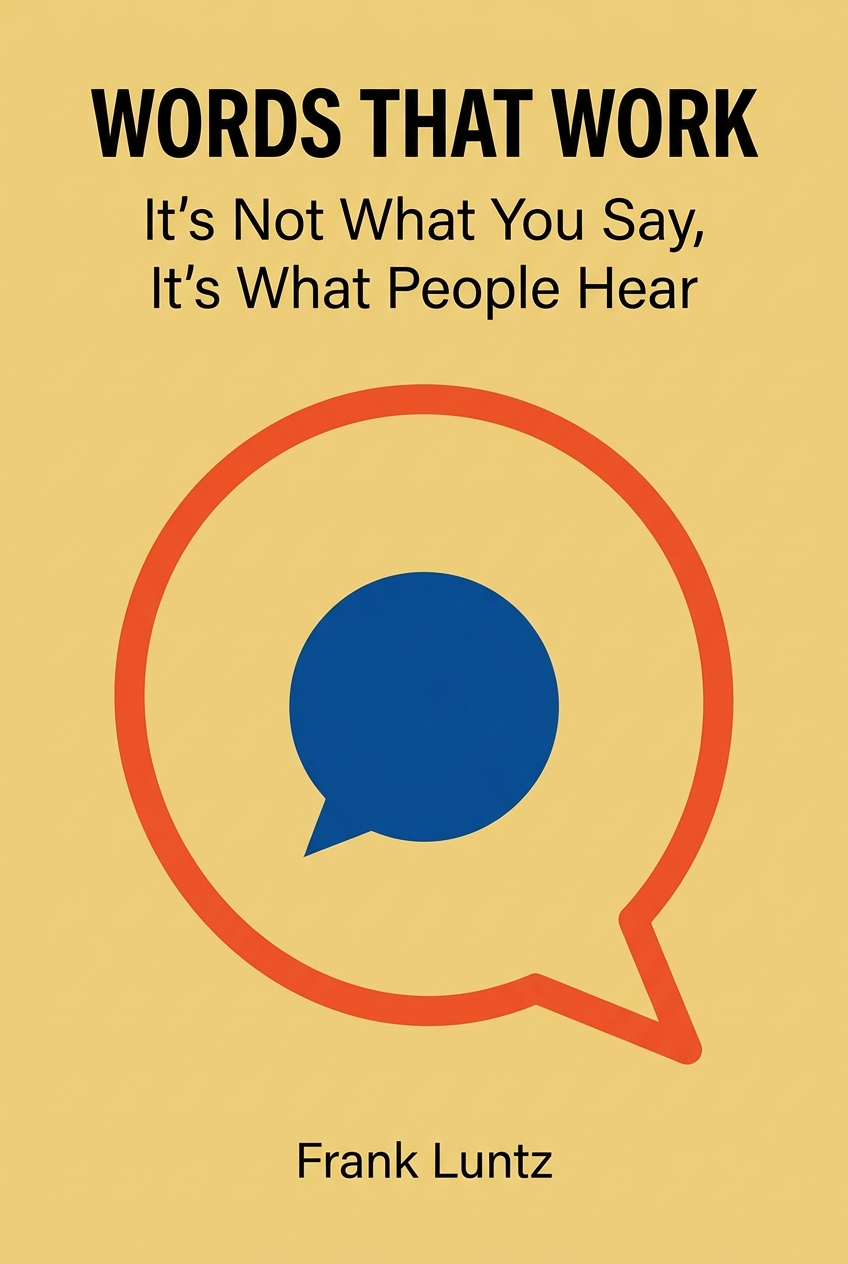
Words That Work
Craft words that connect, persuade, and inspire action in any audience.
- Simplicity, brevity, and credibility are the keys to effective language.
- It's not what you say, it's what people hear.
- Use words that create a strong emotional and visual response.
Public speakers, copywriters, and leaders who rely on powerful language.
Craft words that connect, persuade, and inspire action in any audience.
Frequently Asked Questions
Persuasion is crucial because it's the foundation of effective communication and collaboration. Whether you're presenting an idea at work, negotiating a contract, or inspiring your team, the ability to ethically influence others helps you achieve goals and build stronger relationships.
Start with small, low-stakes situations. Practice active listening to understand others' needs, try to frame a request from their perspective, or explain the 'why' behind your opinion in a conversation. The best persuading books offer specific exercises to build this skill over time.
A common mistake is focusing only on logic while ignoring emotion, which is a powerful driver of decisions. Other pitfalls include talking more than listening, using a one-size-fits-all approach, and resorting to pressure tactics, which damage trust and long-term relationships.
The key difference lies in intent and outcome. Ethical persuasion aims for a win-win result where both parties benefit, based on honest communication. Manipulation is often deceptive and seeks a win-lose outcome at the other person's expense. The best books on persuasion focus on the former.