Top Rated Diet Books
Understanding the science of weight loss is the first step toward lasting change, involving far more than just calories. To find a plan that works, our team selected the best books on weight loss that move beyond fads to offer sustainable, science-backed strategies. Whether you want to balance your blood sugar or harness your hormones, these expert insights offer clear paths to a healthier you. We've distilled the best insights from these top rated diet books into actionable summaries. Curated by the VoxBrief team.
How Not to Die
Discover foods that prevent and reverse the top causes of premature death.
- Adopt a whole-food, plant-based diet for longevity.
- Specific foods can combat heart disease, cancer, and diabetes.
- Use the "Daily Dozen" checklist for optimal nutrition.
Anyone wanting to use food as preventative medicine.
Discover foods that prevent and reverse the top causes of premature death.
The Whole30
Reset your body and identify food sensitivities in just 30 days.
- Eliminate specific food groups to reduce inflammation and cravings.
- Discover how certain foods negatively impact your health.
- Follow a structured plan to reintroduce foods systematically.
People seeking a short-term reset to pinpoint food triggers.
Reset your body and identify food sensitivities in just 30 days.
Glucose Revolution
Feel amazing by flattening your blood sugar curves without dieting.
- Managing glucose spikes is the key to stable energy.
- Use 10 simple hacks, like food order, to manage blood sugar.
- Improve health without restricting the foods you love.
Individuals struggling with energy crashes and food cravings.
Feel amazing by flattening your blood sugar curves without dieting.
Eat to Beat Disease
Activate your body's five natural defense systems using food as medicine.
- Your body has five natural defenses against disease.
- Over 200 foods are scientifically proven to boost health.
- Eat specific foods to starve cancer and reduce chronic disease risk.
Health-conscious individuals wanting to fight disease with nutrition.
Activate your body's five natural defense systems using food as medicine.
Fast Like a Girl
Sync fasting with your menstrual cycle to burn fat and boost energy.
- Standard fasting advice often fails women's unique biology.
- Vary fasting types and lengths based on your menstrual cycle.
- Work with your hormones to balance your system effectively.
Women wanting to optimize fasting for their hormonal health.
Sync fasting with your menstrual cycle to burn fat and boost energy.
Good Energy
Solve chronic health problems by improving your body's metabolic health.
- Poor metabolic health is the root of many chronic conditions.
- Cellular energy production is linked to anxiety, fatigue, and disease.
- Measure and improve metabolic markers for vibrant health.
People with chronic fatigue or unexplained health issues.
Solve chronic health problems by improving your body's metabolic health.
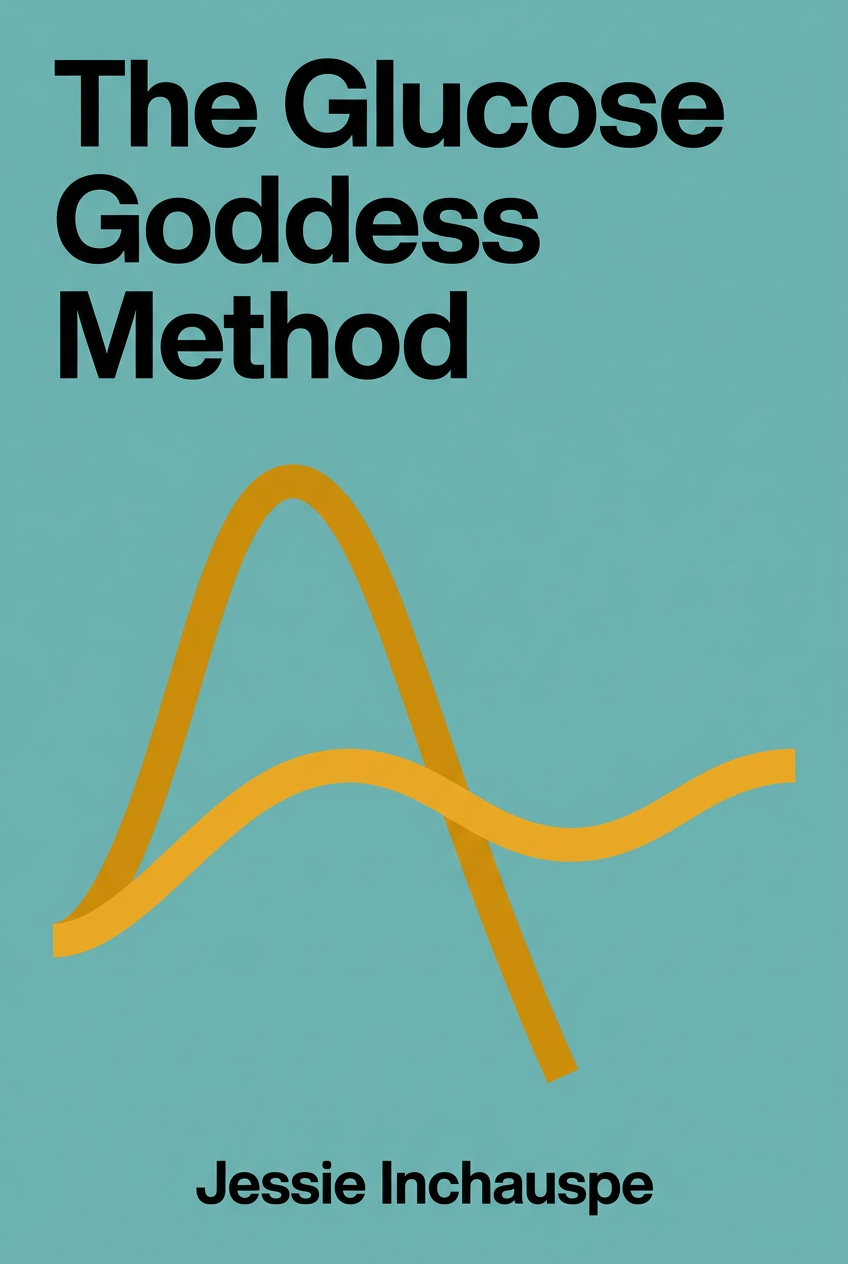
The Glucose Goddess Method
Balance your blood sugar and transform your health in just four weeks.
- Follow four simple hacks to prevent glucose spikes.
- Enjoy your favorite foods while crushing cravings.
- Build sustainable habits for steady energy and better health.
Beginners looking for a simple, structured plan for blood sugar.
Balance your blood sugar and transform your health in just four weeks.
Super Gut
Reprogram your microbiome in four weeks to restore health and lose weight.
- Modern diets have disrupted our gut's crucial ecosystem.
- Reintroducing specific microbes can create a "super gut."
- A healthy gut is essential for weight loss and overall vitality.
Those with digestive issues or stubborn, diet-resistant weight.
Reprogram your microbiome in four weeks to restore health and lose weight.
The Galveston Diet
A doctor's plan for women in menopause to burn fat and balance hormones.
- Intermittent fasting helps overcome midlife weight resistance.
- Focus on anti-inflammatory nutrition for hormonal balance.
- Prioritize key macronutrients to tame menopausal symptoms.
Women over 40 struggling with hormonal weight gain.
A doctor's plan for women in menopause to burn fat and balance hormones.
The McDougall Program for Maximum Weight Loss
Lose weight by eating more, not less, with a starch-based program.
- A low-fat, starch-centered diet promotes natural weight loss.
- You don't need to count calories or feel hungry to shed pounds.
- Carbohydrates from whole foods are not the enemy of weight loss.
People tired of restrictive, low-carb dieting approaches.
Lose weight by eating more, not less, with a starch-based program.
The Biblio Diet
Harness ancient, biblically-inspired wisdom for modern health and wellness.
- Health is based on 7 pillars, including food, herbs, and prayer.
- Integrate specific herbs and essential oils for healing.
- This holistic approach addresses physical, mental, and spiritual health.
Individuals seeking a faith-based, holistic approach to wellness.
Harness ancient, biblically-inspired wisdom for modern health and wellness.
The Rebel Diet
Lose weight with satisfying, high-volume meals and no calorie counting.
- Focus on nutrient-dense, high-volume foods to stay full.
- Ditch restrictive rules for a more sustainable approach.
- Balance your plate for fat loss without feeling deprived.
Dieters who dislike calorie counting and feeling hungry.
Lose weight with satisfying, high-volume meals and no calorie counting.
Eat to Beat Your Diet
Activate your body's fat-burning systems by eating more of the right foods.
- Specific foods can shrink fat and heal your metabolism.
- Weight management works best with your body, not against it.
- A food-first approach is more effective than calorie restriction.
Anyone who has failed with traditional calorie-cutting diets.
Activate your body's fat-burning systems by eating more of the right foods.
Eat Your Age
Turn back the clock and feel younger by eating smart, delicious foods.
- Certain foods fight inflammation and repair cellular damage.
- "Eating younger" can boost energy, mood, and mental sharpness.
- Make simple additions to your plate to improve vitality.
Individuals focused on anti-aging and long-term vitality.
Turn back the clock and feel younger by eating smart, delicious foods.
Grain Brain
Protect your brain by understanding the damage from carbs and sugar.
- "Healthy" whole grains can silently damage brain health.
- Diet is directly linked to brain fog, mood, and memory issues.
- Follow a 30-day plan to reduce brain inflammation.
People concerned with cognitive decline, brain fog, or mood issues.
Protect your brain by understanding the damage from carbs and sugar.
The 17 Day Diet
Jump-start your metabolism and see rapid results with a four-cycle plan.
- Cycling your eating habits every 17 days prevents plateaus.
- The program is designed to keep your body guessing and burning fat.
- Initial results are fast, providing strong motivation.
Individuals needing quick, motivating results to start a diet.
Jump-start your metabolism and see rapid results with a four-cycle plan.
Frequently Asked Questions
The science behind weight loss centers on creating a calorie deficit, but it's more complex than 'calories in, calories out.' It also involves hormonal balance (like insulin and cortisol), metabolic health, and the composition of your gut microbiome. Lasting success often comes from understanding how different foods affect these biological systems.
Yes, weight loss is generally safe and highly beneficial when done correctly. The key is to pursue a gradual, sustainable approach focused on nutrient-dense foods rather than extreme restriction or fad diets. Always consult a healthcare professional before starting a new diet, especially if you have underlying health conditions.
Noticeable results can vary greatly depending on the individual and the method. Some people see changes on the scale or feel more energetic within the first week, while for others it may take 3-4 weeks. Consistency is more important than speed; a sustainable pace of 1-2 pounds per week is a healthy and realistic goal.