Ever found yourself buying something on sale you didn't need, or endlessly procrastinating on saving for retirement? The answer to why we make these seemingly illogical choices lies in a fascinating field that blends psychology and economics. This guide explores the core ideas from some of the top behavioral economics books to help you understand the hidden forces that drive your decisions, improve your financial habits, and ultimately lead a more deliberate life.
What Is Behavioral Economics?
So, what is behavioral economics? At its core, it’s the study of how psychological, cognitive, emotional, cultural, and social factors influence the economic decisions of individuals and institutions. Traditional economics assumes that people are rational actors who always make choices in their own best self-interest. Behavioral economics challenges this idea, showing that we are often, as author Dan Ariely puts it, predictably irrational.
We make decisions based on mental shortcuts, emotional responses, and the context of the situation, rather than pure logic. Think about your last major purchase. Did you research every single option on the market and compare them based on a spreadsheet of features? Or were you swayed by a brand's story, a friend's recommendation, or a limited-time offer? That gap between the perfectly rational human and the real one is where behavioral economics lives.
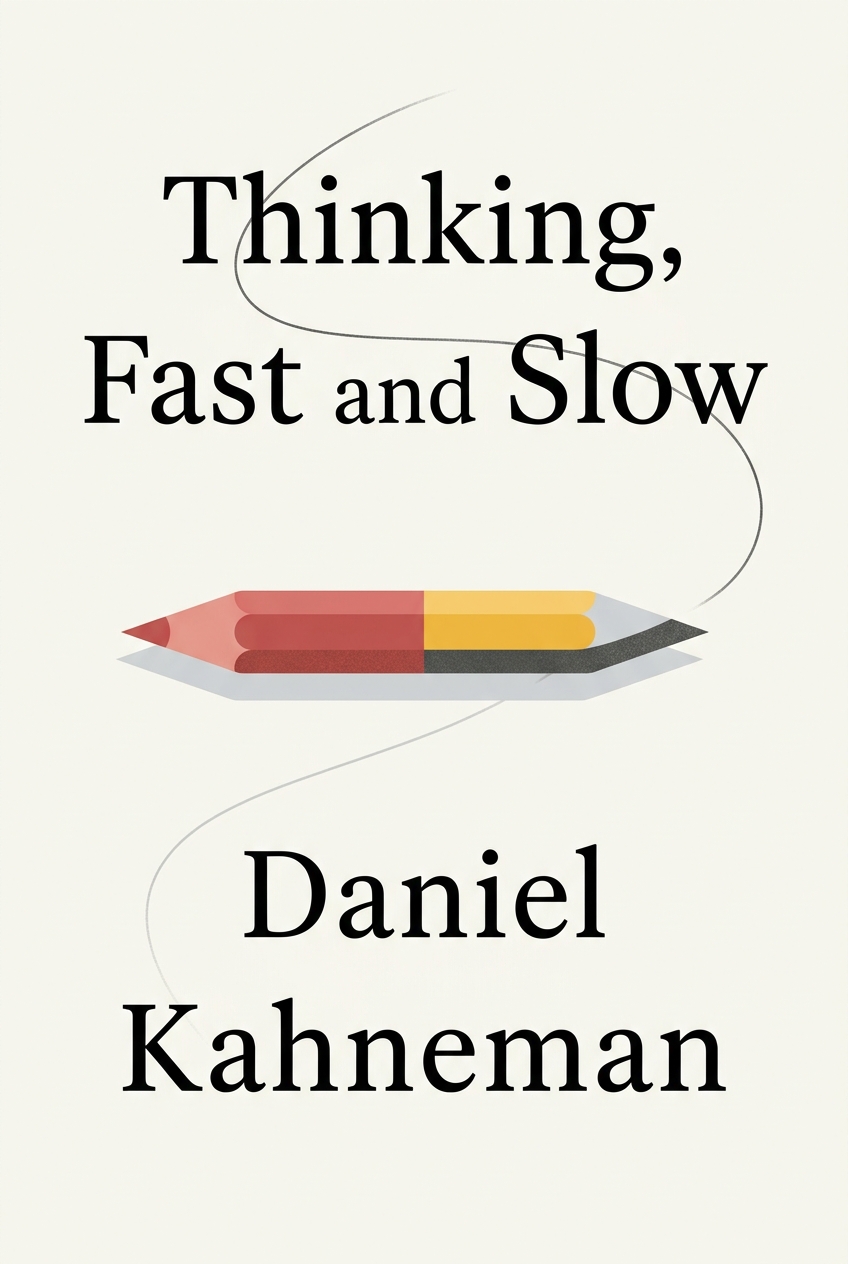
In his groundbreaking book, Thinking, Fast and Slow, Nobel laureate Daniel Kahneman provides a powerful framework for this. He explains that our thinking is governed by two systems: System 1 is fast, intuitive, and emotional, operating automatically. System 2 is slower, more deliberate, and logical. Most of our day-to-day decisions are handled by the effortless System 1, which, while efficient, is prone to systematic errors and biases.
Why Understanding the Top Behavioral Economics Books Is Crucial
Learning these concepts isn't just an academic exercise. Understanding why is behavioral economics important provides a practical toolkit for navigating a complex world. The insights from the top behavioral economics books offer a roadmap to recognize and counteract the mental traps that lead to common mistakes.
One of the most frequent behavioral economics mistakes to avoid is overconfidence. We systematically overestimate our own knowledge and ability to predict outcomes. As Nassim Nicholas Taleb explores in Fooled by Randomness, we often credit our successes to skill while blaming failures on bad luck, failing to appreciate the massive role that chance plays in our lives and in the markets. This can lead to taking on too much risk in investments or being blindsided by unexpected events.
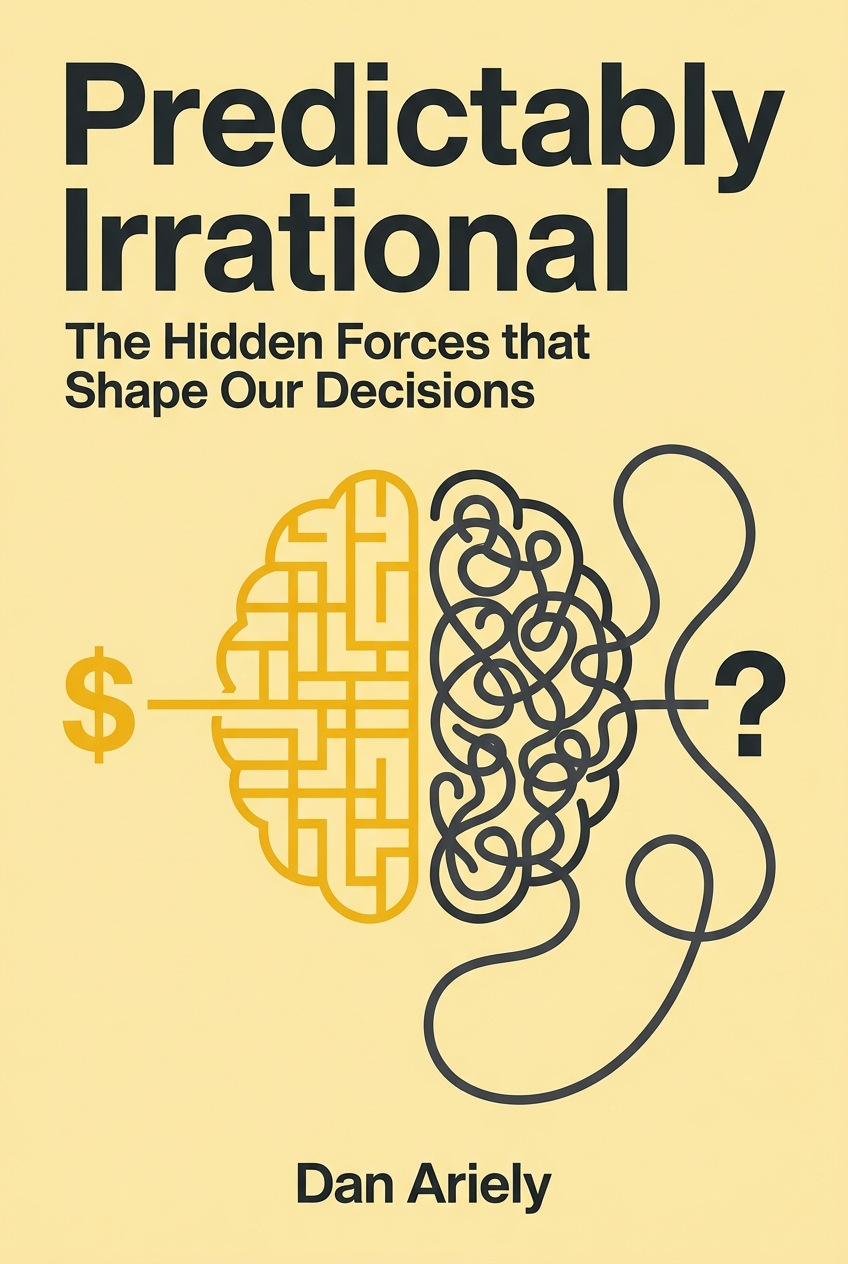
Another common error is being swayed by the principle of relativity. In Predictably Irrational, Dan Ariely demonstrates that we don't have an internal meter for value. Instead, we determine worth by comparing things to one another. This is why a menu might feature a ridiculously expensive item—not because the restaurant expects to sell it, but to make the second-most expensive option look like a great deal. Recognizing this allows you to step back and evaluate a choice on its own merits, not just in relation to the decoys around it.
For many, especially those in their 20s or millennials trying to build a solid financial foundation, these principles are game-changing. They shift the focus from trying to be a stock-picking genius to building sound behavioral habits.
Core Behavioral Economics Strategies You Can Use Today
So, how to start behavioral economics in a practical way? It begins with understanding the core patterns of human behavior and then designing systems to work with, rather than against, your natural tendencies. These strategies are all derived from foundational concepts in the field.
Understanding Your Two Minds: The Kahneman Framework
The most fundamental of behavioral economics strategies comes from Kahneman's work. Acknowledging that your fast, intuitive System 1 is in charge most of the time is the first step. The goal isn't to eliminate it—that's impossible—but to know when to slow down and engage your deliberate System 2.
For significant decisions—a career change, a major investment, a large purchase—build in a "cooling off" period. Forcing yourself to wait 24 hours interrupts System 1's impulsive nature and gives System 2 a chance to weigh the pros and cons. This single habit can prevent countless poor choices driven by excitement, fear, or pressure. It’s a simple but profound application of behavioral economics for beginners.
Separating Good Decisions from Good Outcomes
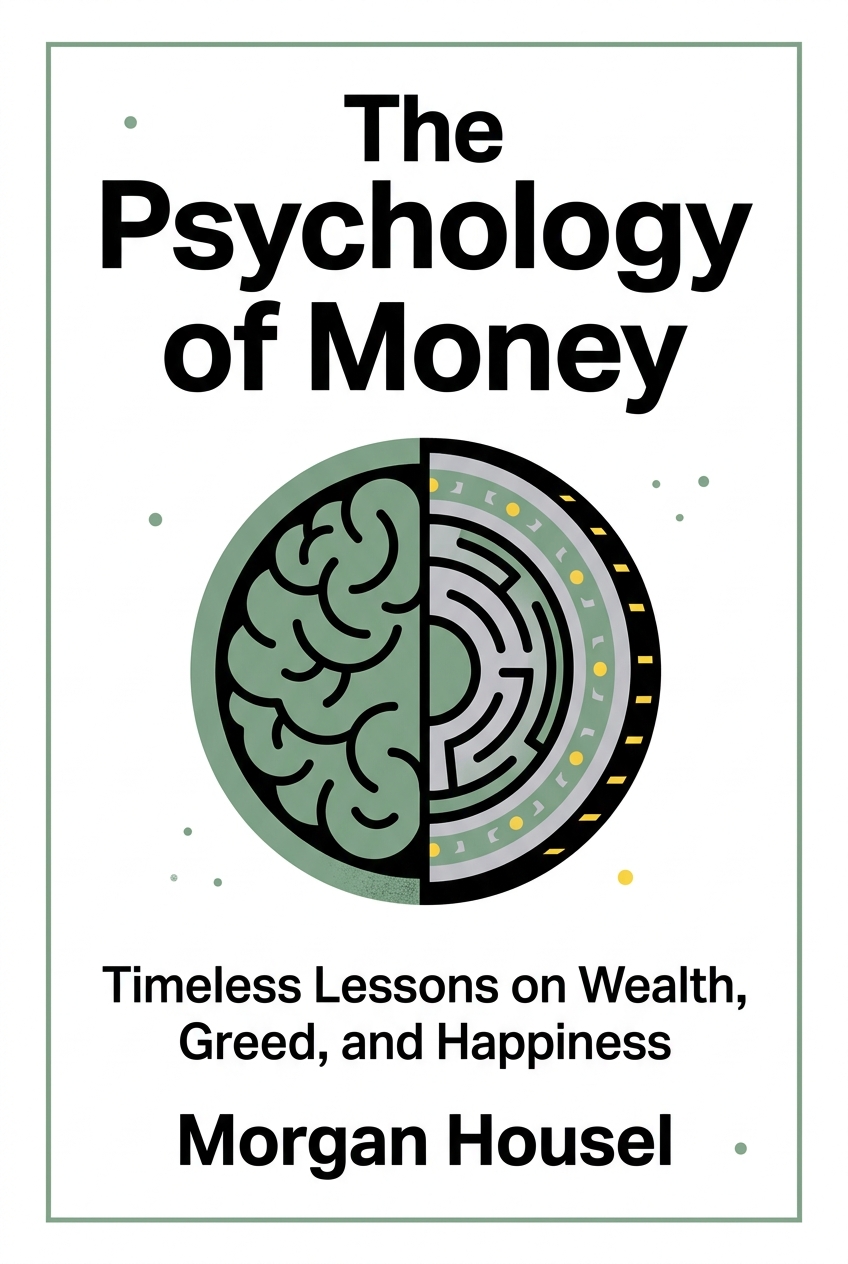
We live in a world that judges decisions based on their outcomes. If an investment makes money, it was a 'good' decision. If it loses money, it was 'bad'. This is a dangerous trap. As both Morgan Housel in The Psychology of Money and Nassim Taleb in Fooled by Randomness explain, risk and luck are invisible forces. A great decision can have a bad outcome, and a terrible one can be bailed out by pure luck.
To counter this, focus on your decision-making process. Did you assess the risks? Did you consider multiple possibilities? Did you rely on sound principles? A strong process is what you can control. Housel emphasizes that financial success is driven by behavior, not intelligence. Staying in the game long enough for compounding to work its magic is a behavior. Panicking and selling during a downturn is also a behavior. The better behavior, sustained over time, is what builds wealth, regardless of occasional bad outcomes.
Recognizing the Invisible Forces of Persuasion
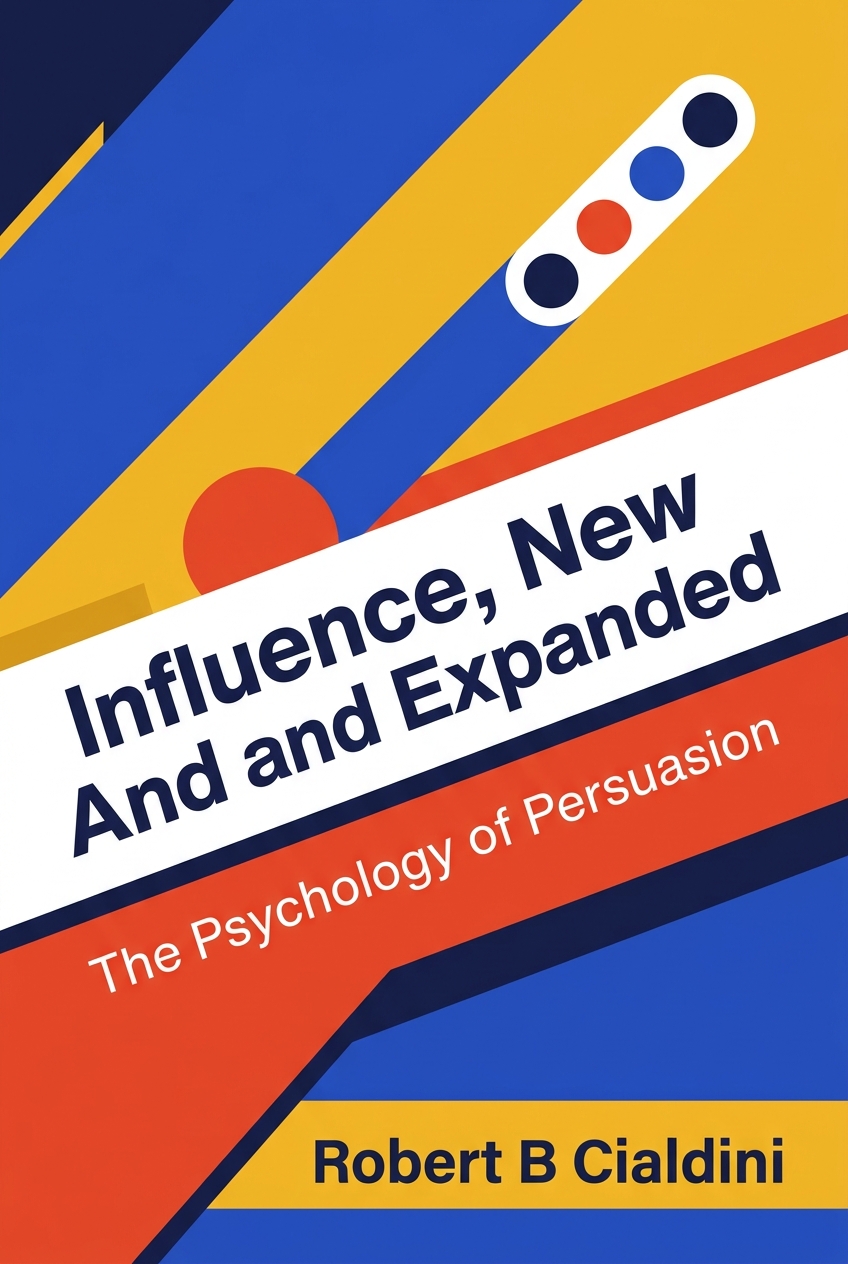
Our decisions are rarely made in a vacuum. We are constantly being nudged and influenced by others. Dr. Robert Cialdini's classic book, Influence, outlines several universal principles of persuasion that operate just below our conscious awareness.
Two of the most powerful are Social Proof and Scarcity. Social Proof is the tendency to see an action as more appropriate when others are doing it. It's why we look at reviews before buying a product or feel more comfortable investing in a stock that everyone is talking about. Scarcity, the fear of missing out, makes us desire things more when their availability is limited. "Limited-time offers" and "only 3 left in stock" are direct appeals to this psychological trigger.
By simply being aware of these principles, you can start to question their influence on you. When you feel an urgent pull to buy something, ask yourself: Is this because of genuine need, or is it because of social proof or manufactured scarcity? This pause is often enough to break the spell.
Building Your Barbell
One of the most practical strategies for dealing with an uncertain world comes from Nassim Taleb. He proposes a "barbell strategy" to build resilience. Instead of putting all your assets in "medium-risk" investments, you protect the vast majority (say, 85-90%) in something extremely safe, like cash or government bonds. You then take the remaining small portion (10-15%) and invest it in high-risk, high-reward opportunities.
This structure protects you from ruin while still giving you exposure to massive upside. The worst you can lose is a small, predetermined percentage of your portfolio, but your potential gains are unlimited. This isn't just an investment strategy; it's a life strategy for an unpredictable world. It avoids the fragile middle ground and embraces a combination of extreme safety and calculated risk.
How to Build Behavioral Economics Into Your Life
Applying these concepts doesn't require a Ph.D. in psychology. It’s about building simple habits and systems.
Automate Good Decisions: The easiest way to overcome procrastination and decision fatigue is to take the decision out of it. Set up automatic transfers to your savings and investment accounts the day you get paid. This leverages the power of inertia for your benefit.
Create 'Tripwires': For areas where you tend to overspend or make impulsive choices, set up a simple rule. For example: "I will not make any online purchase over $100 without waiting 24 hours." This rule acts as a tripwire, forcing a moment of System 2 reflection.
Reframe Your Goals: Instead of a vague goal like "save more money," use behavioral principles to make it concrete and emotional. Frame it as "saving $200 a month for the freedom to travel in two years." Connecting your actions to a visceral, positive emotion makes it easier to stick with them, a core lesson from countless behavioral economics tips.
For people navigating their career and finances, such as behavioral economics for millennials, these small, consistent systems are far more effective than trying to will yourself to be more disciplined. It's about designing an environment where the right choice is the easy choice.
Making Better, Not Perfect, Decisions
Ultimately, the central message from the top behavioral economics books is both humbling and empowering. We are not the flawless, rational beings we imagine ourselves to be. Our minds are full of glitches, biases, and shortcuts that lead us astray in predictable ways.
But by understanding these patterns, we can start to account for them. We can build systems that safeguard us from our worst impulses and nudge us toward our better selves. The goal isn't to achieve perfect rationality, but to make slightly better decisions consistently over a long period. As you'll discover, that's more than enough to change your life.
Master key ideas in 15 minutes
Listen to audio summaries of these books on VoxBrief
Download Free