What is Books Language? A Beginner's Guide to Communication
By VoxBrief Team··5 min read
Language is the invisible architecture of our lives. We use it to express love, negotiate deals, share knowledge, and build civilizations. But have you ever stopped to think about how it actually works? This introduction to language is for beginners who want to move beyond simply using words to truly understanding them. By exploring the concepts found in books language studies, we can unlock a more powerful way to think, connect, and influence the world around us.
This guide will provide a simple explanation of what language is, explore its key concepts, and show how a deeper understanding can transform your daily interactions. We'll draw on insights from leading experts to see how mastering language is less about memorizing rules and more about understanding human psychology.
What is Language? A Simple Explanation
At its most basic, language is a system of communication. But to leave it there is to miss the point entirely. The most profound and latest language discoveries reveal that language isn't just a passive tool for describing our reality—it actively creates it. This is a core concept for anyone starting their journey with language for beginners.
In The Well-Spoken Thesaurus, Tom Heehler introduces the idea that “words shape your reality.” The vocabulary you use influences how you perceive yourself, how others see you, and even what you are capable of achieving. When you can only describe a situation with a blunt word like “bad,” your brain sees a monolithic problem. But if you have the nuance to call it “challenging,” “unprecedented,” or “a learning opportunity,” you open up entirely new pathways for thought and action.
This is one of the most important language basics to grasp: your linguistic toolkit determines the richness and complexity of your world. Expanding your language isn't just about sounding smarter; it's about thinking better. It's the difference between seeing the world in black and white versus a full spectrum of color.
The Mechanics of Persuasion and Connection: How Language Works
Once you accept that language is a formative tool, the next question is how to use it effectively. How does language work to build trust, resolve conflict, and persuade others? We can find powerful frameworks in the works of communication experts who have spent their careers decoding this very question.
Building Trust in a Skeptical World
We no longer live in a world where authority is automatically respected. As Michael Maslansky explains in The Language of Trust, we are in a “post-trust era.” Your audience, whether it’s one person or a million, starts with doubt. They are looking for the catch, the fine print, the reason not to believe you.
To be effective in this environment, you must master the language of credibility. Maslansky’s principles are a masterclass in this. He argues you must shift from a language of proclamation (“We are the best!”) to a language of transparency (“Here’s where we are, and here’s where we’re going”). You must use plain, simple words that everyone can understand, because complexity and jargon are often perceived as ways to hide the truth. Most importantly, your language must be others-focused, demonstrating that you understand your audience's needs and fears before you ever ask them to trust you.
From Conflict to Connection
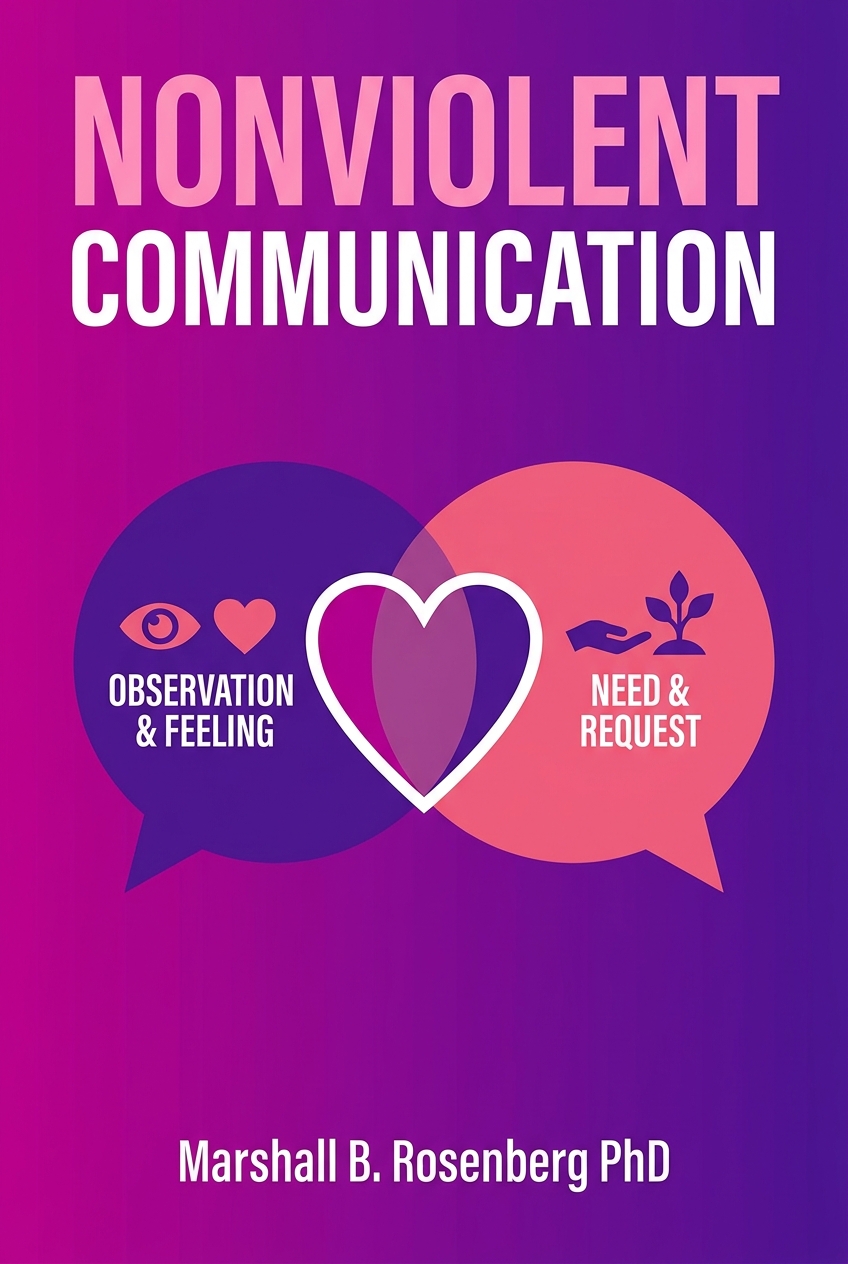
Language is also the primary medium for our relationships, and it’s often where things go wrong. Arguments spiral out of control, and conversations leave us feeling misunderstood. Marshall B. Rosenberg, in his groundbreaking book Nonviolent Communication, provides a way out of this cycle.
He argues that most of us are trained in a “life-alienating communication” style filled with judgments, blame, and demands. This language triggers defensiveness and blocks connection. The alternative is a simple, four-step framework: Observe factually what happened, express the Feeling it created in you, state the universal Need behind that feeling, and make a clear Request. This disciplined approach moves language from a weapon to a bridge. It allows you to express yourself with radical honesty without blaming others, and to hear the needs behind their words, even when they are expressed imperfectly.
It's Not What You Say, It's What They Hear
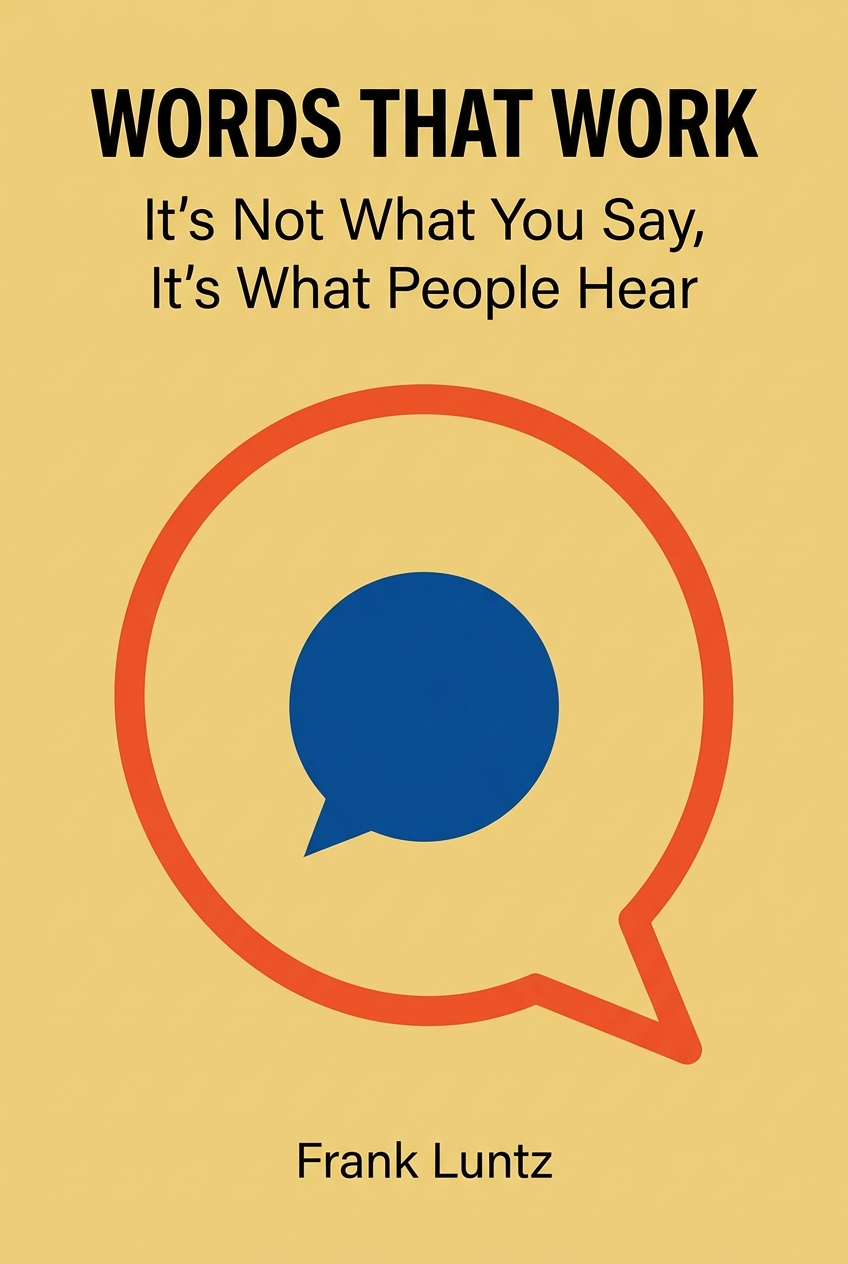
Perhaps the most critical concept in applied language comes from Frank Luntz in Words That Work. His central thesis is a stark reminder for anyone trying to communicate: your intent does not matter. The only thing that matters is what your audience perceives.
You may have the most logical argument and the purest intentions, but if your words trigger the wrong associations or emotions in your listener, you have failed. Luntz’s work is a powerful lesson in empathy. Before you speak, you must first listen. You must understand your audience’s existing beliefs, aspirations, and fears. Effective language, according to this framework, isn’t about finding the “right” words; it's about finding the right words for them.
Mastering Language From Books: From Theory to Daily Life
Understanding the key concepts of language is the first step. The next is applying them. The transition from theoretical knowledge to practical skill requires conscious effort and an awareness of the cognitive traps that affect us all. This is how language affects daily life in tangible ways.
Overcoming the Curse of Knowledge
Why is so much writing and speaking so hard to understand? In The Sense of Style, cognitive psychologist Steven Pinker identifies the primary culprit: the “Curse of Knowledge.” This is the cognitive bias where we find it incredibly difficult to imagine what it's like for someone else not to know something that we know.
Experts fill their presentations with jargon, managers issue vague directives, and writers produce dense, impenetrable prose because they have forgotten what it’s like to be a beginner. To overcome this, Pinker suggests a powerful mental shift: adopt a “classic style.” Don’t think of writing as an act of transcription or a performance for an audience of critics. Instead, imagine you are having a conversation with a curious peer. You are pointing at something in the world and guiding their gaze so they can see it with their own eyes. This mental model forces clarity, empathy, and directness, making it one of the most practical tools for better communication.
Building Your Personal Thesaurus
Improving your language is an active, ongoing process. Tom Heehler’s The Well-Spoken Thesaurus is more than just a list of fancy words; it's a system for upgrading your thinking. He encourages readers to move beyond simple synonyms and find “powernyms”—words that are more precise, evocative, and persuasive.
The process is actionable. When you hear a word that feels flat or imprecise in a meeting, write it down. Later, spend five minutes finding three powerful alternatives. This simple habit, practiced over time, doesn't just expand your vocabulary; it sharpens your ability to perceive and categorize the world. As Heehler suggests, eloquence is a learnable skill rooted in the discipline of paying attention to the words you and others use.
Ultimately, the journey into the world of language—from understanding its psychological underpinnings to mastering its practical frameworks—is a journey of self-improvement. Language is not static. It is a living, breathing tool that you can learn to wield with greater precision, empathy, and power. By engaging with these ideas, you are not just learning about words; you are learning how to be a better thinker, a more effective communicator, and a more connected human being.
Master key ideas in 15 minutes
Listen to audio summaries of these books on VoxBrief
Language is crucial because it's the primary tool we use to share complex ideas, build relationships, and create communities. It's not just for communication; it shapes our thoughts and how we perceive the world. Mastering it can significantly improve every aspect of daily life.
Recent research highlights how deeply language influences cognition and perception, a concept known as linguistic relativity. Experts are also exploring how digital communication is rapidly evolving language norms and trust signals. Many modern books about language studies focus on practical application in business and relationships.
Language affects every interaction, from negotiating a contract to comforting a friend. The words we choose can build trust or create conflict, clarify our ideas or cause confusion. Being intentional with language allows for more effective communication, stronger relationships, and better outcomes in personal and professional settings.