Have you ever left a conversation wondering why you said what you did? Or perhaps you've been fascinated by how a group of otherwise reasonable individuals can make a terrible decision together. These questions are the heart of a captivating field that studies the invisible forces shaping our daily lives. Gaining a deeper understanding of these forces is more accessible than you think, and diving into social psychology books is one of the best ways to begin this enlightening journey.
This field isn't just for academics or students; it's for anyone who wants to better understand human connection, influence, and the complex dance of social interaction. Whether you're a professional aiming to improve teamwork or an individual hoping to build stronger personal relationships, the insights from social psychology can provide a powerful toolkit for navigating your world.
What is Social Psychology and Why Is It Important?
So, what is social psychology, exactly? At its core, it is the scientific study of how individuals' thoughts, feelings, and behaviors are influenced by the actual, imagined, or implied presence of others. It’s the science of the “we” — how we perceive others, how we influence one another, and how we relate to each other in groups, in pairs, and as members of a society.
Why is social psychology important? Because we are fundamentally social creatures. Our survival and well-being have always depended on our ability to navigate social landscapes. This field helps us decode the unwritten rules of social life. It sheds light on profound questions about our nature: Why do we conform? What causes prejudice, and how can we reduce it? What makes a leader effective? How do we fall in love?
The answers to these questions have immense practical value. For professionals, understanding group dynamics, persuasion, and nonverbal communication can transform their effectiveness. For students of the human experience, it provides a framework for making sense of headlines, historical events, and the interactions they witness every day. Ultimately, studying social psychology equips us with the knowledge to create better relationships, build more effective organizations, and foster more compassionate communities.
Key Concepts Unlocked Through Social Psychology Books
The most powerful way to grasp these concepts is to see how they play out in real-world scenarios. Many of the best social psychology books take complex scientific research and translate it into compelling narratives and actionable frameworks. They act as a bridge between the laboratory and our living rooms, offering insights that can change the way we see ourselves and others.
The Science of Connection and Attachment
A central theme in social psychology is our deep, biological need for connection. For decades, the myth of rugged individualism has suggested that needing others is a weakness. However, groundbreaking science shows the opposite is true: our brains are wired for attachment.
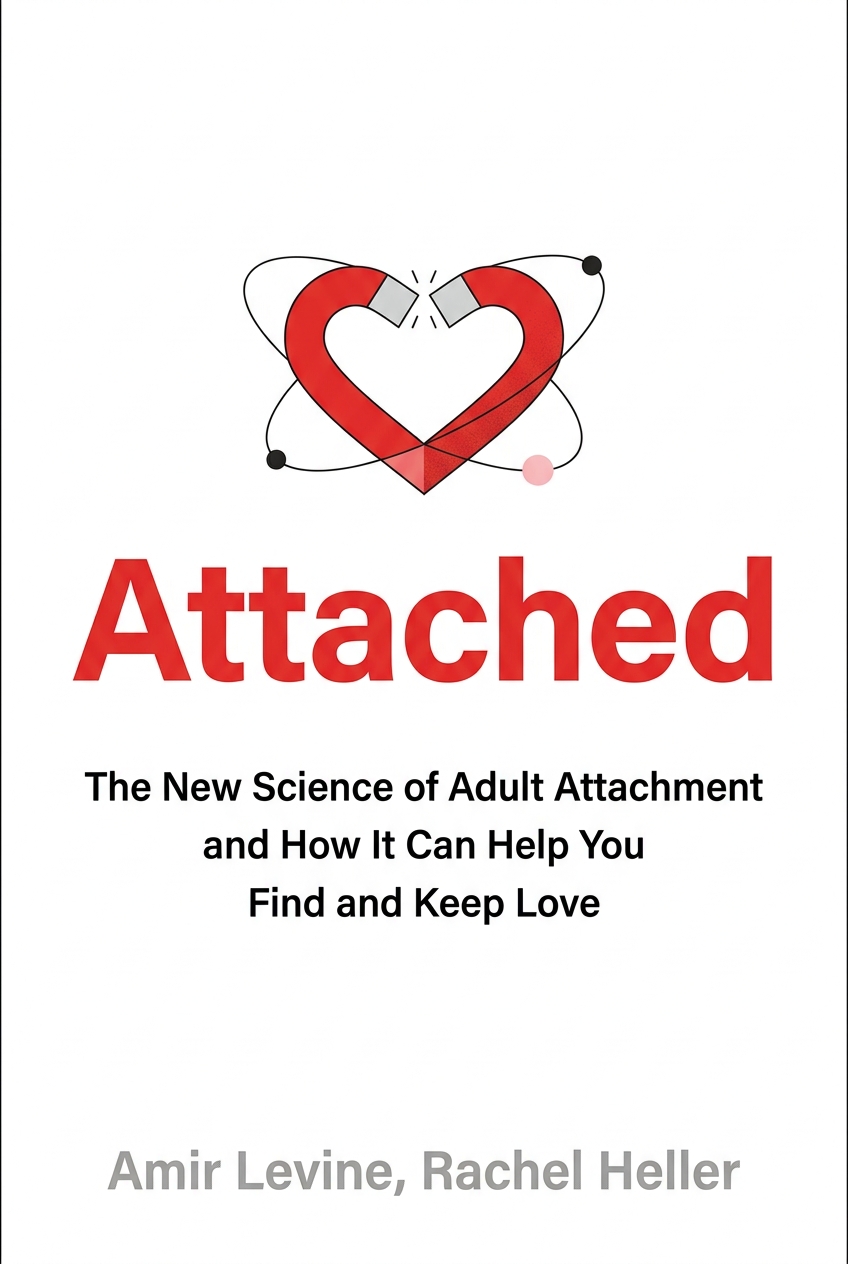
In their book Attached, Dr. Amir Levine and Rachel Heller explain this through the lens of adult attachment theory. They reveal that how we are programmed to connect falls into one of three main styles: Secure, Anxious, or Avoidant. These styles dictate how we behave in our most intimate relationships. For example, an anxious person seeks constant closeness to feel secure, while an avoidant person equates intimacy with a loss of independence. Understanding your own style, and that of your partner, is a game-changer. The book illuminates the all-too-common "anxious-avoidant trap," a painful dynamic where two people's core needs are in direct opposition, leading to a cycle of pursuit and withdrawal. By identifying these patterns, we gain the power to break free from them and learn to build more secure, fulfilling bonds.
Understanding Social and Emotional Competence
Beyond our primary relationships, our ability to navigate a wide range of social situations depends on a specific set of skills. Daniel Goleman, a pioneer in this area, distinguishes between our intellectual abilities (IQ) and our emotional and social skills, arguing the latter are far better predictors of success and happiness.
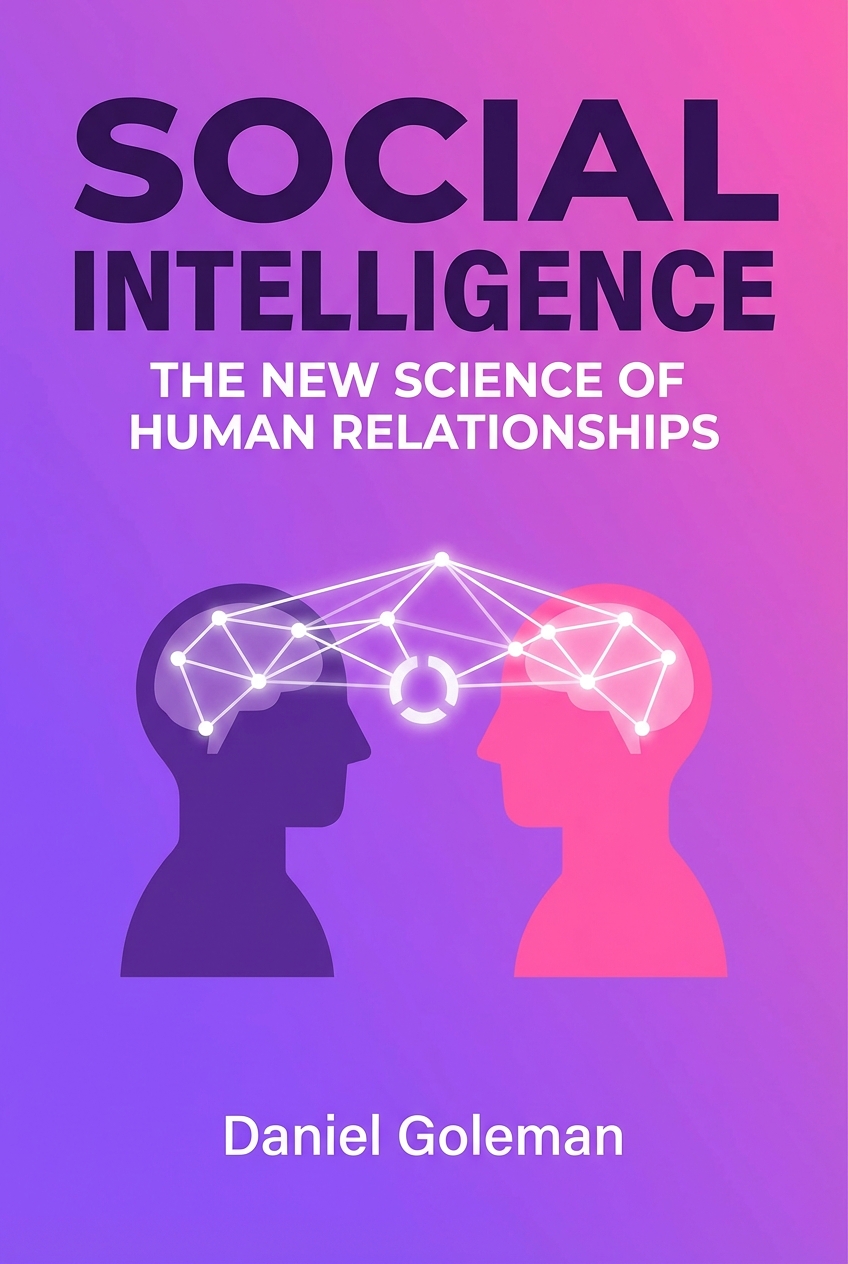
In Social Intelligence, Goleman introduces the fascinating concept of the “neural Wi-Fi.” This is a metaphor for the brain-to-brain link that automatically forms when we interact with another person. Our brains are constantly syncing up, sharing emotional states in milliseconds without a single word being spoken. This explains why a tense meeting can leave everyone feeling drained or why a friend's genuine joy can be contagious. He also describes how our brains process social information on two paths: a fast, unconscious “low road” that drives our immediate gut reactions, and a slower, more deliberate “high road” that involves conscious thought. Mastering social intelligence involves learning to manage the knee-jerk reactions of the low road and engage the thoughtful empathy of the high road.
Constructing Your Emotional Reality
One of the most revolutionary ideas in modern social psychology challenges the very nature of emotion. The classical view is that emotions are hardwired, universal reactions triggered by external events—a snake causes fear, an insult causes anger. But what if this view is wrong? What if you have more control than you think?
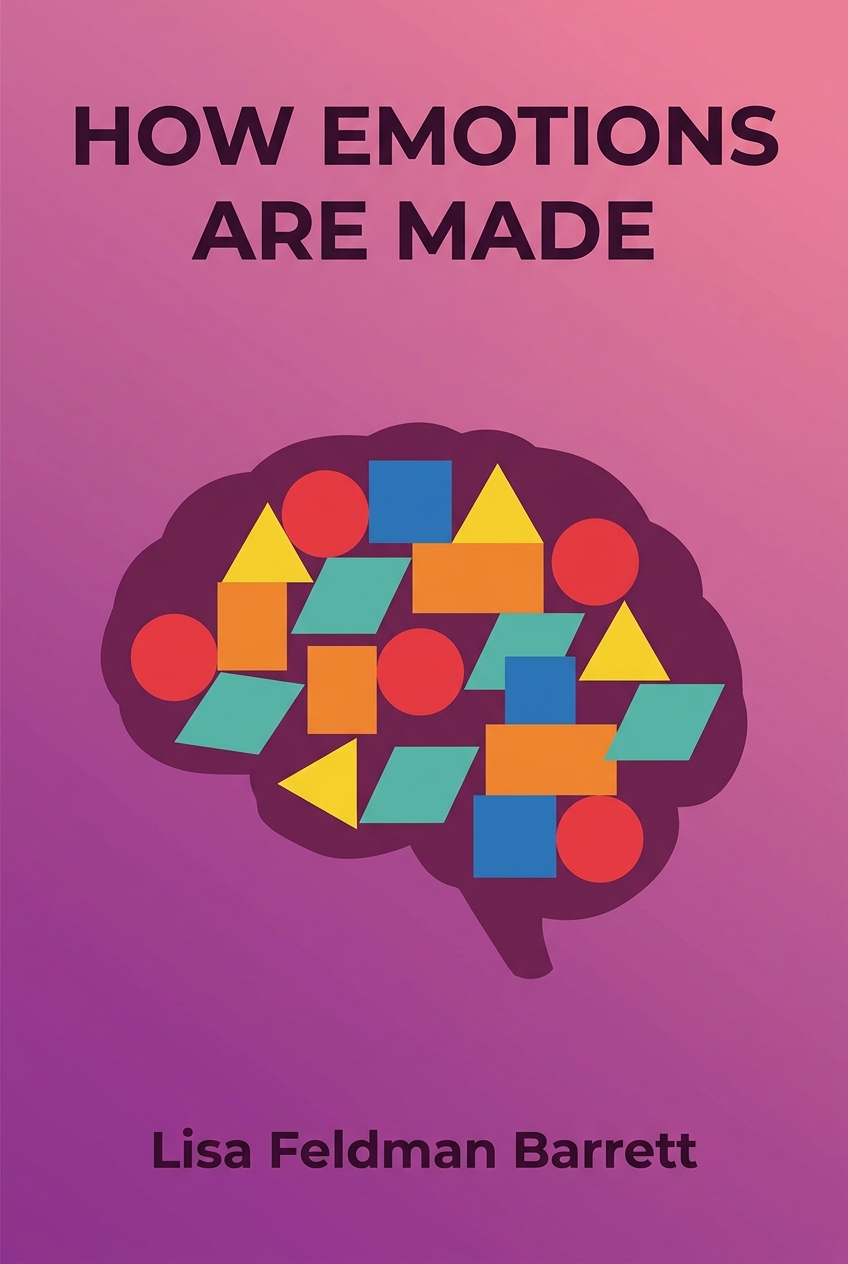
Dr. Lisa Feldman Barrett's How Emotions Are Made presents a groundbreaking alternative: the theory of constructed emotion. She argues that your brain doesn't react to the world; it actively predicts it. Your brain runs constant simulations based on past experiences and sensory input. Emotions are the result of your brain making meaning out of this internal and external data. It uses “concepts” learned from your culture to label physiological sensations (like a racing heart) as a specific emotion (like “excitement” or “anxiety”). This means that you are an active architect of your emotional life. This is one of the most powerful social psychology coping strategies available. By changing the concepts your brain uses—by reframing a situation or learning new emotional granularity—you can fundamentally change how you feel.
Applying Social Psychology: Practical Strategies and Exercises
Knowledge is only useful when applied. The true value of social psychology lies in using its principles to improve your life. It offers concrete social psychology exercises and strategies for enhancing your relationships and navigating complex social environments.
Navigating Social Dynamics at Work
The workplace is a living laboratory of social psychology. Concepts like groupthink, in-group/out-group bias, and the psychology of persuasion are in play every single day. Understanding these dynamics is crucial for social psychology for professionals. For example, applying Goleman’s ideas from Social Intelligence can help a manager foster “rapport” — the key components of which are mutual attention, shared positivity, and a nonverbal synchrony. This isn’t a soft skill; it’s a biological state that promotes trust, creativity, and effective collaboration.
Improving Personal Relationships
Can social psychology be improved in our personal lives? Absolutely. The attachment framework from Attached offers a clear path. A practical exercise is to first identify your own attachment style. Then, practice communicating your needs directly and without protest behavior (actions designed to get a partner's attention, like starting a fight or not answering calls). If you have an anxious style, this might mean saying, “I feel a bit disconnected and would love to spend some quality time together,” instead of making an accusation. This shifts the dynamic from conflict to collaboration.
Building Self-Awareness and Emotional Regulation
For anyone wondering how to overcome social psychology challenges long term, the work begins internally. The insights from How Emotions Are Made suggest a powerful exercise in emotional regulation. When you feel a strong, uncomfortable emotion, pause. Instead of accepting it as an uncontrollable reaction, get curious. What are the physical sensations in your body? What is the context? What is the story or concept your brain is applying to these sensations? By deconstructing the experience, you disrupt the automatic prediction and open up the possibility of constructing a different, more helpful emotional response.
This journey into the human social world is one of the most rewarding you can take. It offers not just a new understanding of others, but a profound new understanding of yourself. The causes and effects of our social behavior are no longer a mystery, but a fascinating system you can learn to navigate with greater wisdom and compassion.
Master key ideas in 15 minutes
Listen to audio summaries of these books on VoxBrief
Download Free