What is Survival? A Beginner's Guide to Essential Survival Books
By VoxBrief Team··5 min read
When you hear the term 'survival', what comes to mind? For many, it conjures images of a lone figure in the wilderness, battling the elements with a knife and a flint. While that scenario is part of the picture, it's a very small part. A true introduction to survival reveals a much deeper and more relevant discipline. The best survival books teach us that survival is a mindset, a set of skills, and a philosophy that applies as much to navigating a career setback or personal crisis as it does to finding water in the wild. This guide is for beginners looking to understand this crucial topic, exploring what survival is and why it's more important than ever.
So, what is survival, explained simply? It's the art and science of staying alive, but more than that, it’s about creating the conditions to thrive when external systems fail. It’s about cultivating an inner strength that doesn't break under pressure. Fundamentally, it’s about reclaiming a fundamental human skill: self-reliance.
The Core Pillars of Survival: Beyond Flint and Steel
To truly grasp survival key concepts, we must move beyond the Hollywood clichés. Survival isn't just a collection of cool tricks; it's a holistic practice built on two core pillars: practical capability and psychological fortitude. You can have all the gear in the world, but without the mental resilience to use it effectively under duress, it's useless. Conversely, an unbreakable will is powerful, but it won't purify water or build a shelter from the rain.
A comprehensive understanding of survival basics means balancing these two domains. It involves learning the tangible skills to manage your physical environment—finding food, water, and shelter—while simultaneously training your mind to conquer fear, despair, and complacency. This dual focus is what separates a true survivor from a mere victim of circumstance. It's not about fearing the future; it's about building the confidence to face whatever it may bring. This journey often starts by learning from those who have been tested in the most extreme environments.
Mastering the Physical World: Lessons from the Wild
Practical skills are the foundation upon which all survival rests. This is the 'how-to' component: how to build, how to find, how to heal. This knowledge transforms you from a passive consumer into an active and capable agent in your own life. The wisdom contained in certain books provides a powerful roadmap for developing this capability.
From Thriving in the Wilderness to Home Preparedness
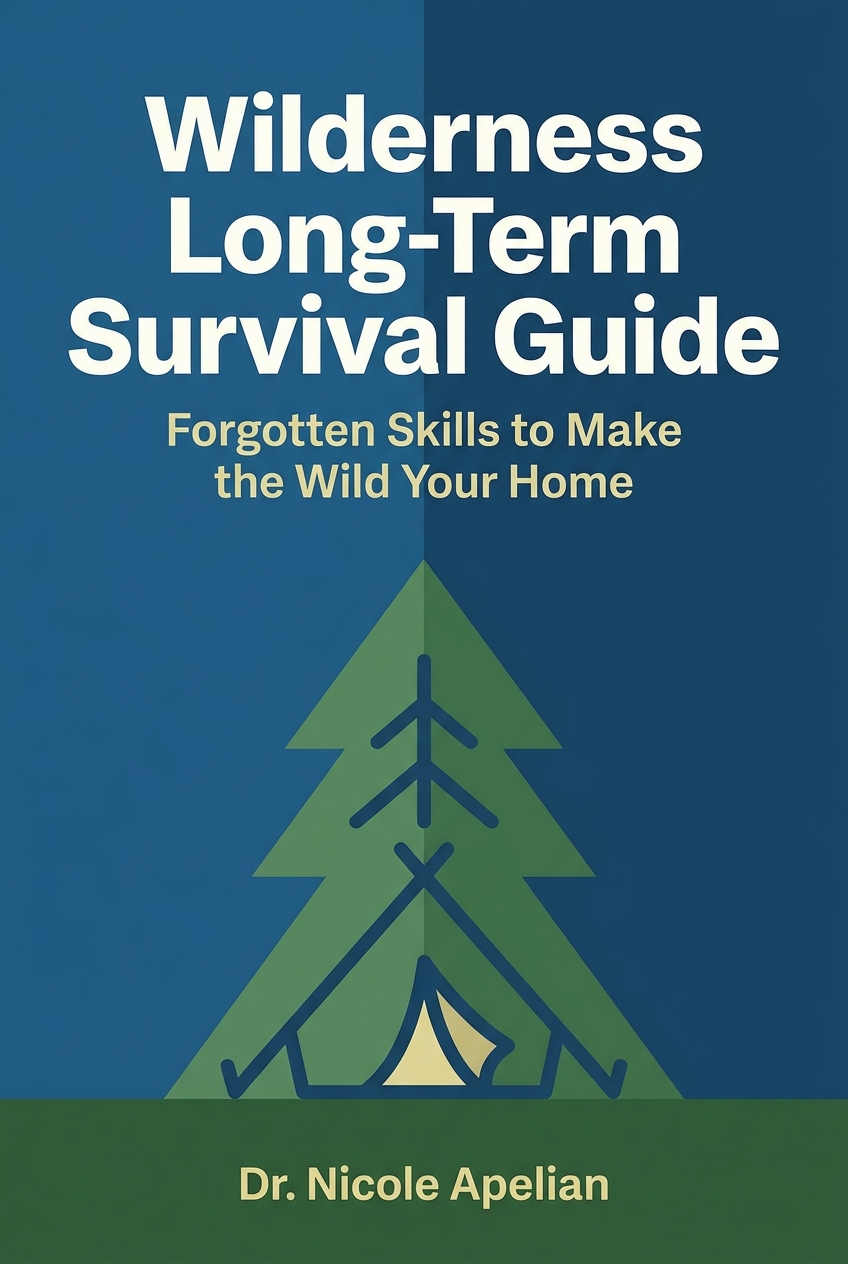
Many people think of preparedness as something that happens far away from home, but this is a critical misunderstanding. In her book, Wilderness Long-Term Survival Guide, Dr. Nicole Apelian makes a compelling case that true self-reliance begins right where you are. The first foundational insight from her work is that preparedness starts in your mind and in your home, long before you ever step foot in the wild.
Dr. Apelian, who survived for 57 days in the wilderness on the show 'Alone', emphasizes transforming your home from a passive space into an active system you manage for a crisis. This involves securing basic needs, but it also extends to a concept she calls "the apothecary in your backyard." This is a powerful shift in thinking: instead of relying solely on a pharmacy that might not be there, you can learn to identify and use medicinal plants that grow all around you. This isn't just a quaint hobby; it's about creating robust, layered alternatives for your health and well-being, which is a core tenet of long-term survival.
The Warrior's Code: Brotherhood and Sacrifice
A different, yet equally vital, aspect of physical survival is the role of the team. In a crisis, going it alone is often a recipe for disaster. The story of Marcus Luttrell in Lone Survivor provides a harrowing and profound look at the power of teamwork under the most extreme pressure imaginable. The book details Operation Redwing, a mission where a four-man Navy SEAL team was ambushed by overwhelming enemy forces.
What shines through in Luttrell's account is not just individual heroism, but the power of brotherhood forged in brutal training. The SEALs' ruthless training process is designed to break individuals down and rebuild them as a cohesive unit whose members will sacrifice everything for one another. During the firefight, their actions are dictated by this ethos. This demonstrates a key survival concept: your greatest asset is often the person next to you. For a beginner, the lesson is clear: cultivate your community. Knowing your neighbors, building networks of mutual trust, and understanding that you are stronger together is a survival strategy as old as humanity itself.
The Unseen Battlefield: Winning the War Within Through Survival Books
If practical skills are the body of survival, mental fortitude is its soul. Every major survival account, from polar explorers to prisoners of war, emphasizes the same truth: the battle is first won or lost in the mind. Fear, panic, and hopelessness are more dangerous than any predator or natural disaster. This is where certain survival books shift from being manuals to manifestos, teaching you how to forge an unbreakable will.
The 40% Rule: Unlocking Mental Resilience
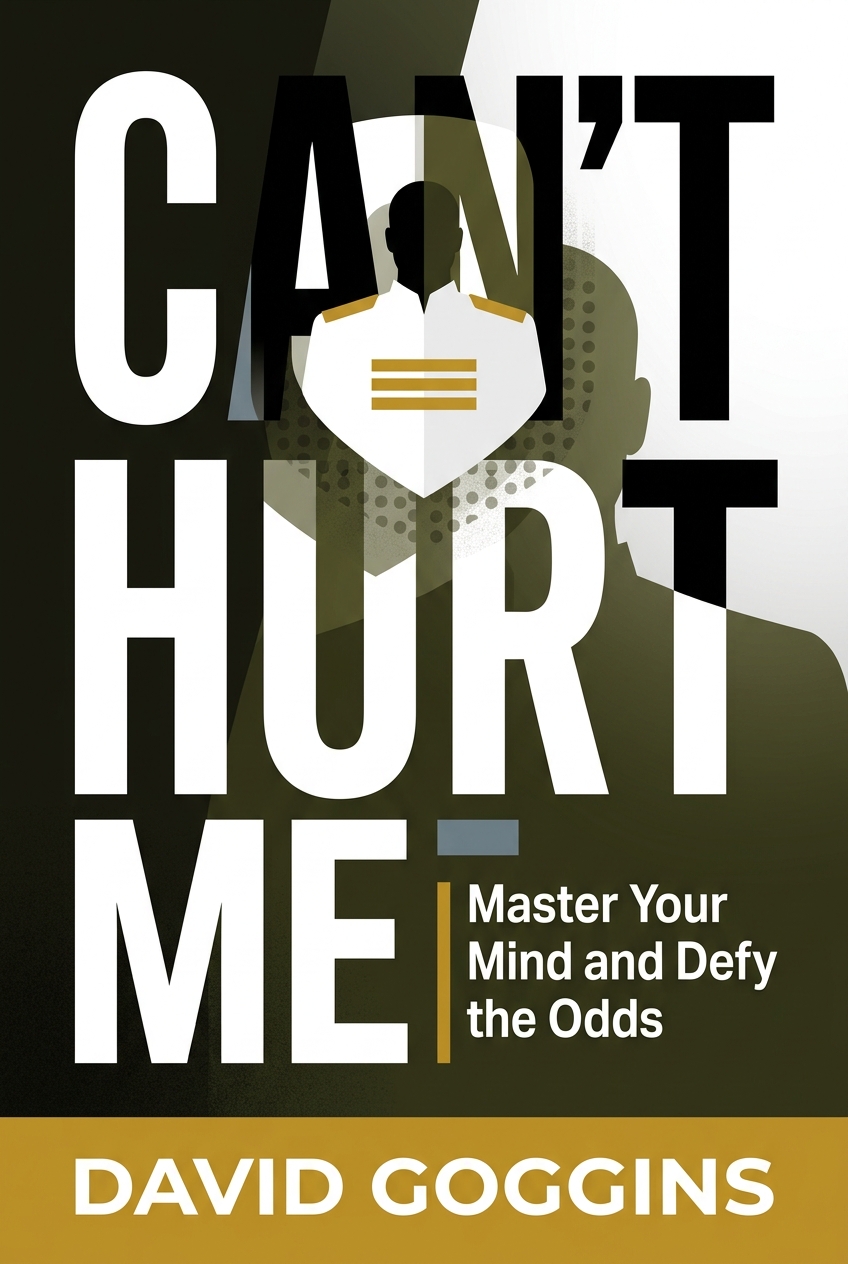
Few individuals embody mental toughness like David Goggins. In his explosive memoir Can't Hurt Me, he introduces a powerful psychological framework he calls the "40% Rule." The concept is simple but profound: when your mind is screaming at you to stop, when you feel completely exhausted and drained, you are only at about 40% of your true capability. Your brain is designed to conserve energy and protect you from pain, so it sends the 'quit' signal long before your body is actually done.
Understanding the 40% Rule changes how you approach every challenge in your life. Goggins argues that we must actively seek discomfort to push past this self-imposed limit. This is how resilience is built. For someone interested in how survival affects daily life, this is the master lesson. The next time you feel overwhelmed at work, during a tough workout, or facing a difficult conversation, you can recognize that feeling not as an absolute limit, but as your 40% marker—an invitation to push further and discover what you're truly made of.
Carrying the Fire: Finding Purpose in a Bleak World
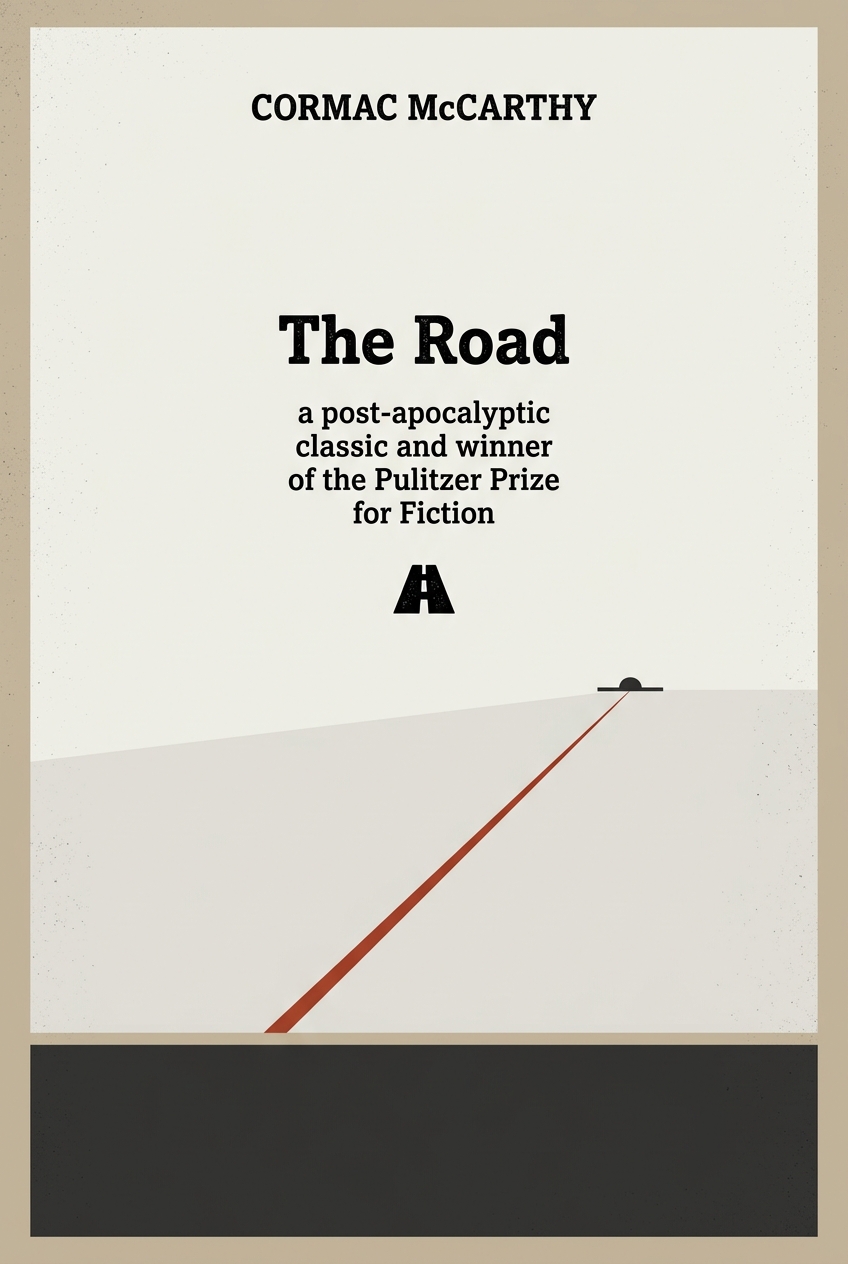
While Goggins teaches us how to fight the war within, what are we fighting for? Survival for its own sake can feel empty. The literary masterpiece The Road by Cormac McCarthy explores this question with haunting brilliance. In a post-apocalyptic world devoid of life, color, and hope, a father and his young son journey south with nothing but a shopping cart of scavenged goods and a pistol with two rounds.
Their physical survival is a brutal, daily struggle. But the book's core message lies in a recurring phrase: they are "carrying the fire." This 'fire' is their code of morality, their love for each other, and their commitment to remaining "the good guys" in a world where humanity has been stripped away. It's their purpose. McCarthy shows us that in the face of absolute despair, the ultimate survival tool is a reason to live. The man’s goal isn’t just to survive another day; it's to protect the fire within his son. This answers the question of why survival is important on the deepest level: it is the struggle to preserve not just our lives, but our humanity.
Ultimately, the journey into survival is a journey into yourself. It’s about discovering a reserve of strength you never knew you had and a clarity of purpose that only emerges when everything else is stripped away. Whether through the practical wisdom of making the wild your home, the mental toughness to push past your limits, or the profound love that fuels a journey on a desolate road, these lessons teach us that survival is the optimistic act of taking responsibility for our own existence. It is not about waiting for a crisis, but about living a more capable, confident, and resilient life today.
Master key ideas in 15 minutes
Listen to audio summaries of these books on VoxBrief
Survival skills are crucial even today because they build self-reliance, resilience, and problem-solving abilities. Understanding survival basics prepares you not just for wilderness emergencies, but for unexpected urban disruptions like power outages or natural disasters, fostering a mindset of preparedness over panic.
Many of the 'latest discoveries' in survival are actually a rediscovery of forgotten indigenous knowledge and a modern psychological understanding of resilience. Experts are focusing on mental frameworks for enduring hardship, like David Goggins's 40% Rule, alongside sustainable, nature-based skills, showing that ancient wisdom and modern psychology are key to true preparedness.
Adopting a survival mindset profoundly impacts daily life by fostering proactive problem-solving, situational awareness, and mental toughness. It encourages you to be more resourceful, less dependent on fragile systems, and better equipped to handle everyday stress and adversity with composure and confidence.
The basics of survival are often summarized by the 'Rule of Threes': you can survive for approximately 3 minutes without air, 3 hours without shelter in extreme conditions, 3 days without water, and 3 weeks without food. Mastering the priorities of shelter, water, fire, and food forms the foundation of all practical survival skills.