CBT Books
Understanding what is cognitive behavioural therapy is the first step toward transforming your mental well-being. This powerful, evidence-based approach provides practical cognitive behavioural therapy coping strategies to manage anxiety, depression, and negative thought patterns. Our cognitive behavioural therapy book recommendations bring these life-changing techniques to your fingertips. This curated list features must-read guides for everyday challenges, from overcoming intrusive thoughts to improving sleep and building resilience. These are some of the best cognitive behavioral therapy books to help you get started. Curated by the VoxBrief team.
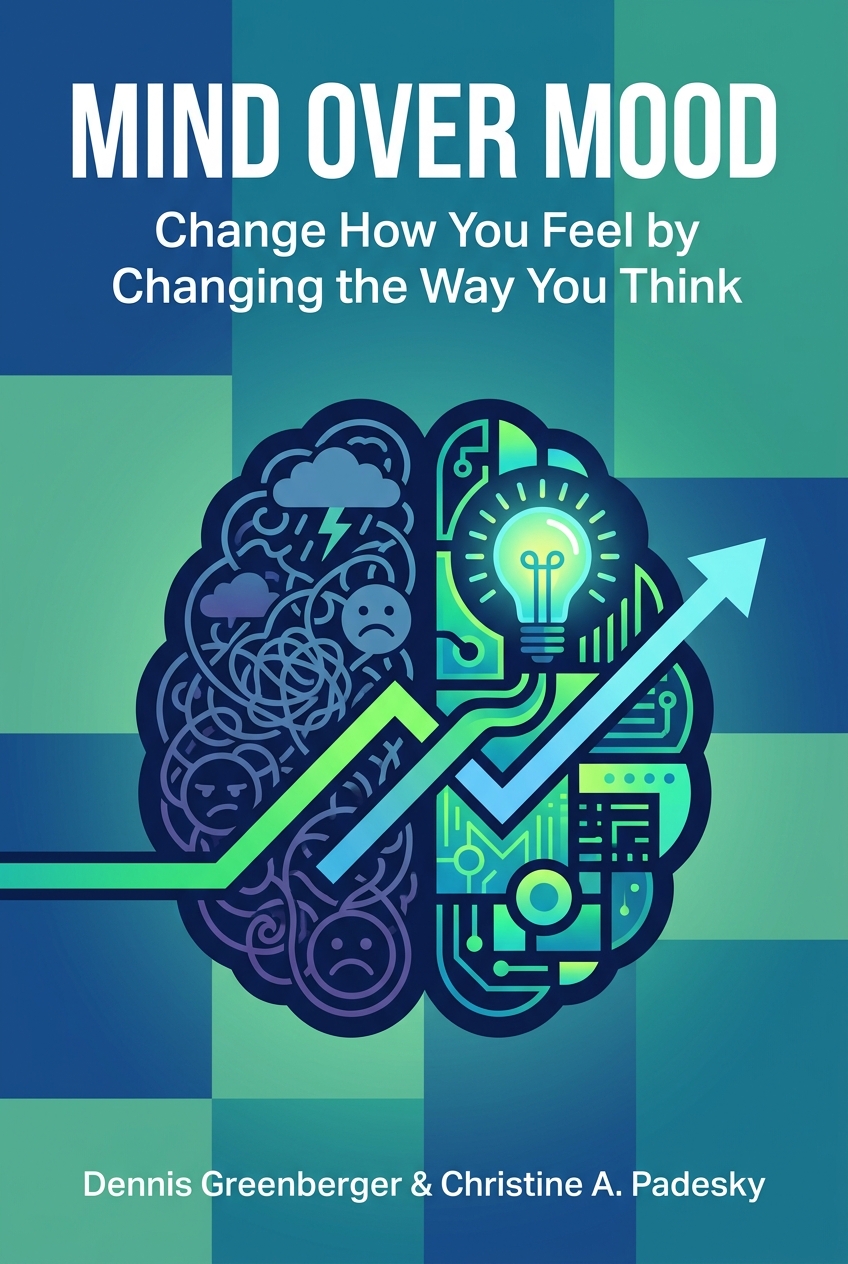
Mind Over Mood
Take control of your moods by challenging negative thought patterns.
- Identify specific triggers that affect your moods.
- Learn to challenge and reframe distorted thinking.
- Use proven exercises to build lasting emotional resilience.
Anyone looking to manage anxiety, depression, or anger.
Take control of your moods by challenging negative thought patterns.
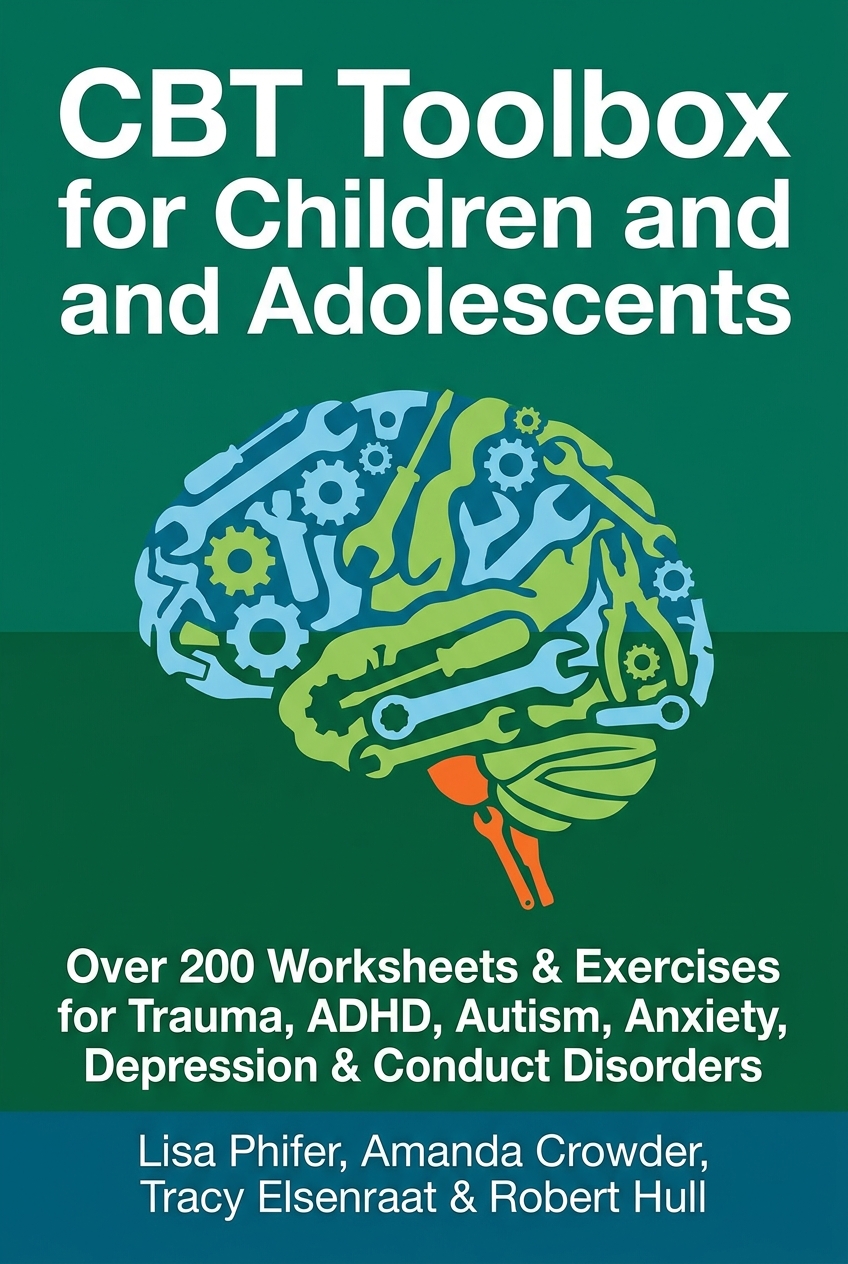
CBT Toolbox for Children and Adolescents
A practical toolkit of CBT exercises for kids and teens.
- Adapt CBT principles for young minds dealing with trauma or ADHD.
- Utilize over 200 worksheets and activities for kids.
- Help children build resilience and emotional regulation skills.
Therapists, parents, or educators working with children.
A practical toolkit of CBT exercises for kids and teens.
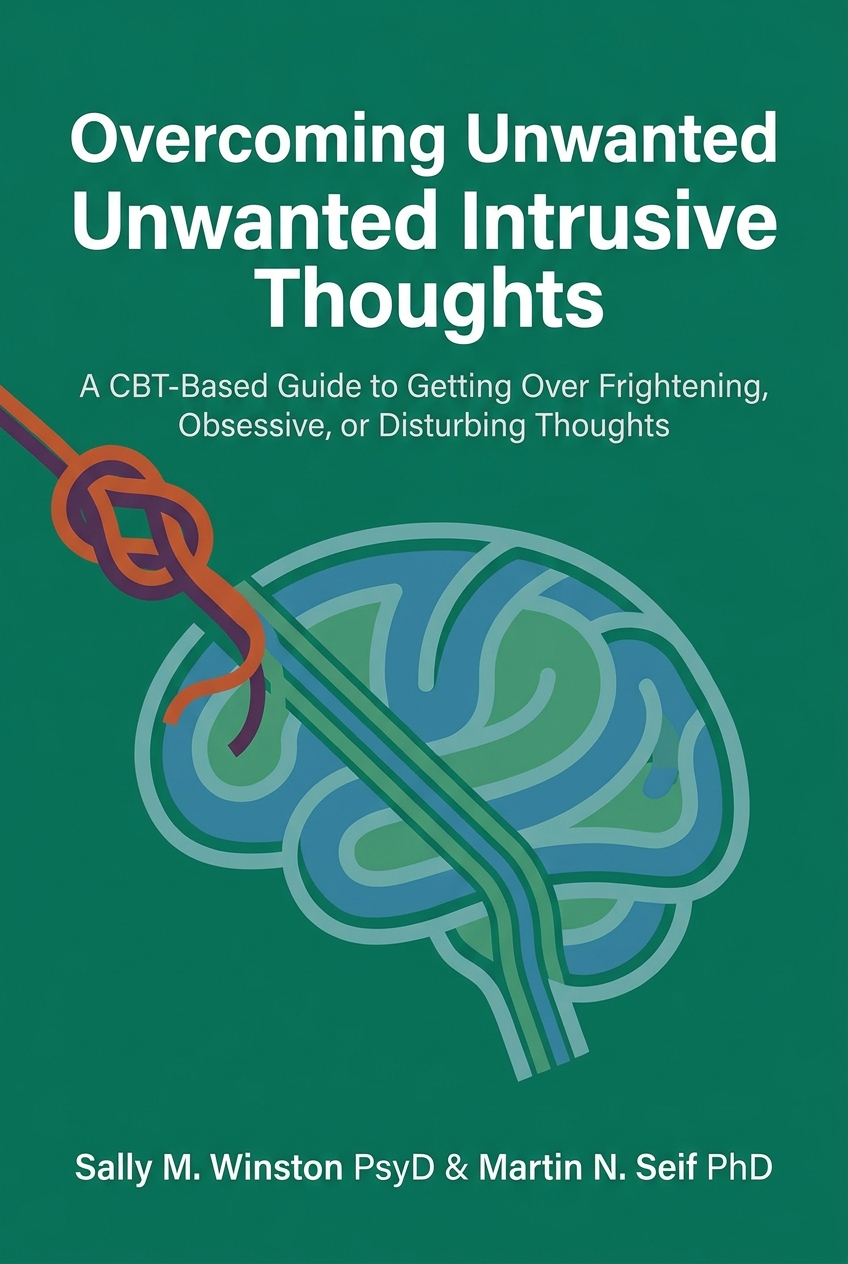
Overcoming Unwanted Intrusive Thoughts
A radical new way to neutralize disturbing thoughts by welcoming them.
- Stop fighting intrusive thoughts and learn to accept them.
- Identify and escape common thinking traps and self-criticism.
- Understand that your thoughts are not commands or truths.
Individuals struggling with obsessive or frightening thoughts.
A radical new way to neutralize disturbing thoughts by welcoming them.
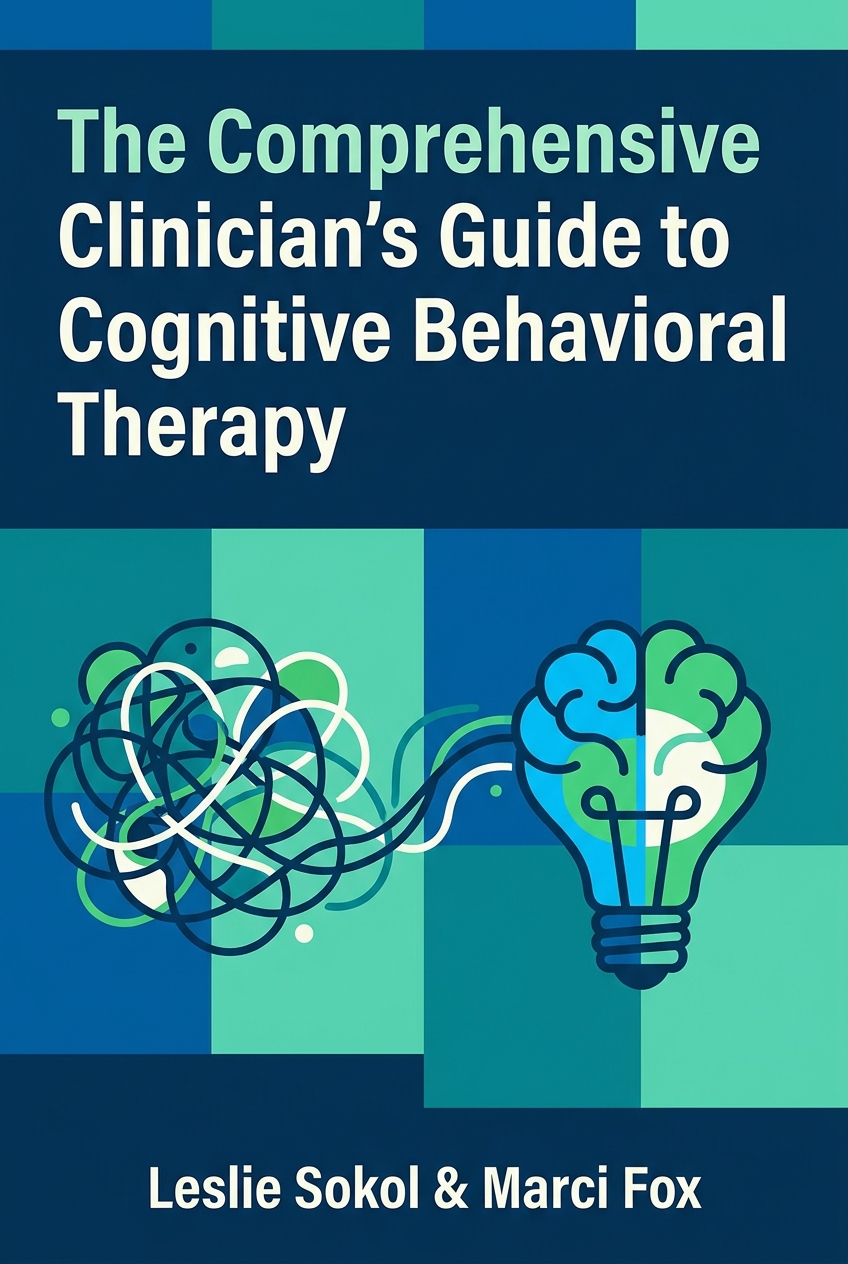
The Comprehensive Clinician's Guide to Cognitive Behavioral Therapy
The complete blueprint for therapists to master and apply CBT.
- Structure effective therapy sessions from start to finish.
- Use worksheets for case conceptualization and goal setting.
- Apply core CBT principles to treat anxiety and depression.
Therapists and mental health professionals seeking a practical guide.
The complete blueprint for therapists to master and apply CBT.
Anxiety Relief for Teens
Simple CBT and mindfulness tools to help teens reclaim calm.
- Identify personal anxiety triggers and challenge negative thoughts.
- Use grounding exercises to stop stress in its tracks.
- Build confidence by mastering easy-to-use coping practices.
Teens looking for practical strategies to manage their anxiety.
Simple CBT and mindfulness tools to help teens reclaim calm.
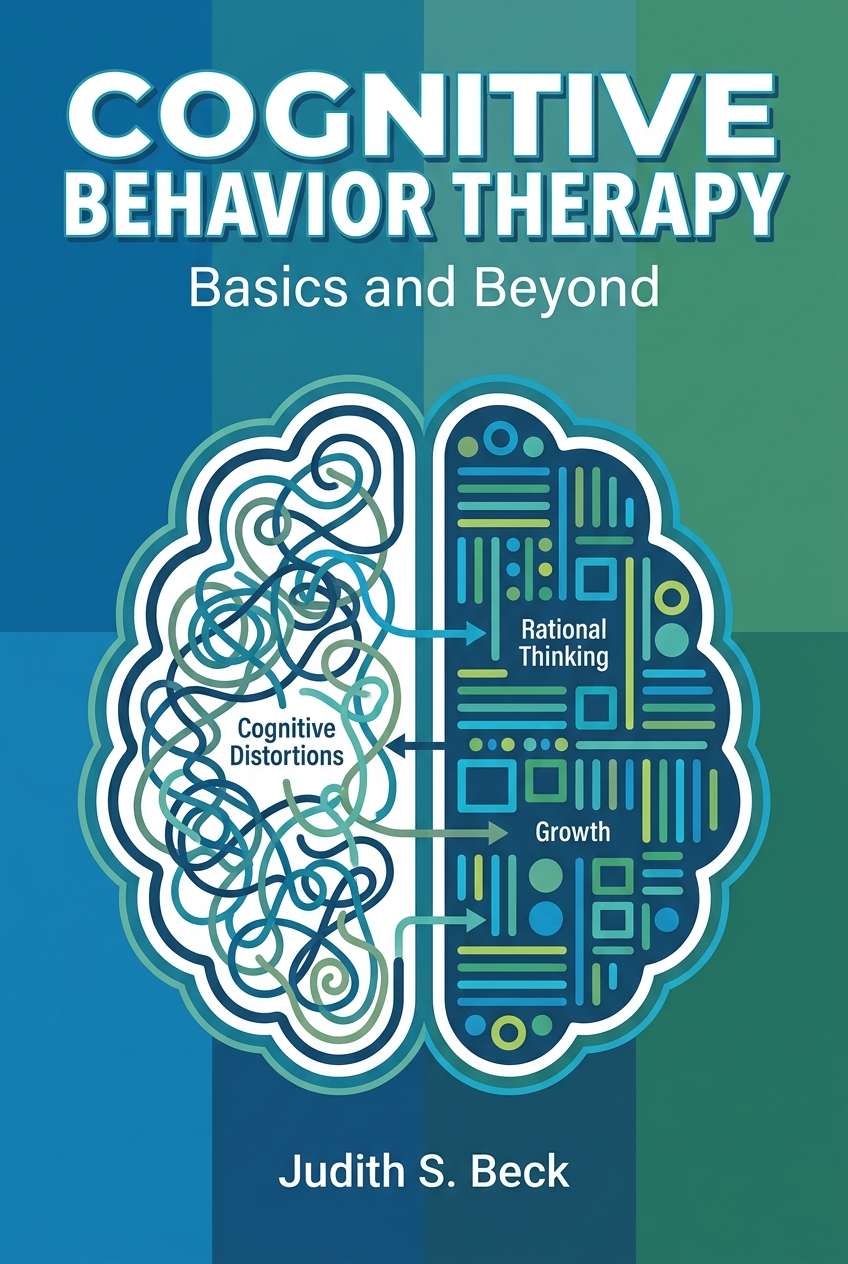
Cognitive Behavior Therapy
An expert's guide to the core principles of CBT; one of the foundational cbt books.
- Learn the step-by-step process of identifying distorted thoughts.
- Develop effective coping strategies and set achievable goals.
- Structure therapeutic sessions and build a strong alliance.
Aspiring or practicing therapists and students of psychology.
An expert's guide to the core principles of CBT; one of the foundational cbt books.
Cognitive Therapy and the Emotional Disorders
Discover the revolutionary idea that your thoughts create your feelings.
- Feelings are a direct result of your thoughts, not events.
- Identify automatic thoughts that fuel emotional distress.
- Replace distorted thinking with more balanced, rational views.
Readers interested in the foundational theories of cognitive therapy.
Discover the revolutionary idea that your thoughts create your feelings.
The CBT Toolbox, Second Edition
A complete toolkit of proven techniques to manage your emotions.
- Challenge negative thought patterns that hold you back.
- Use step-by-step exercises for anxiety, depression, and anger.
- Build lasting emotional resilience through practical application.
Anyone seeking self-help tools for a range of emotional issues.
A complete toolkit of proven techniques to manage your emotions.
Sleep Through Insomnia
Retrain your brain to fall asleep naturally using CBT for Insomnia.
- Break the cycle of anxious thoughts that prevent sleep.
- Optimize your sleep environment and daily routines.
- Use CBT-I, the gold standard method for lasting sleep relief.
People with insomnia who want a non-medicated solution.
Retrain your brain to fall asleep naturally using CBT for Insomnia.
Cognitive Behavioral Therapy Simplified
A simple roadmap to rewire your brain and challenge negative thoughts.
- Identify negative thought patterns and replace them with empowering ones.
- Manage intense emotions like anger, fear, and sadness effectively.
- Use easy-to-learn techniques to stop overthinking for good.
Beginners looking for a straightforward introduction to CBT practices.
A simple roadmap to rewire your brain and challenge negative thoughts.
The Happiness Trap
Stop chasing happiness and learn to handle painful thoughts.
- Use Acceptance and Commitment Therapy (ACT) to defuse anxiety.
- Handle painful feelings instead of trying to eliminate them.
- Live a values-based life with self-compassion.
Anyone tired of the stressful pursuit of constant happiness.
Stop chasing happiness and learn to handle painful thoughts.
Don't Believe Everything You Think
Find effortless peace by understanding how your mind creates reality.
- Your feelings come from your thinking, not your circumstances.
- Detach from negative thoughts by seeing them as transient.
- Discover inner peace without complex exercises or forced positivity.
Individuals who are overwhelmed by overthinking and anxiety.
Find effortless peace by understanding how your mind creates reality.
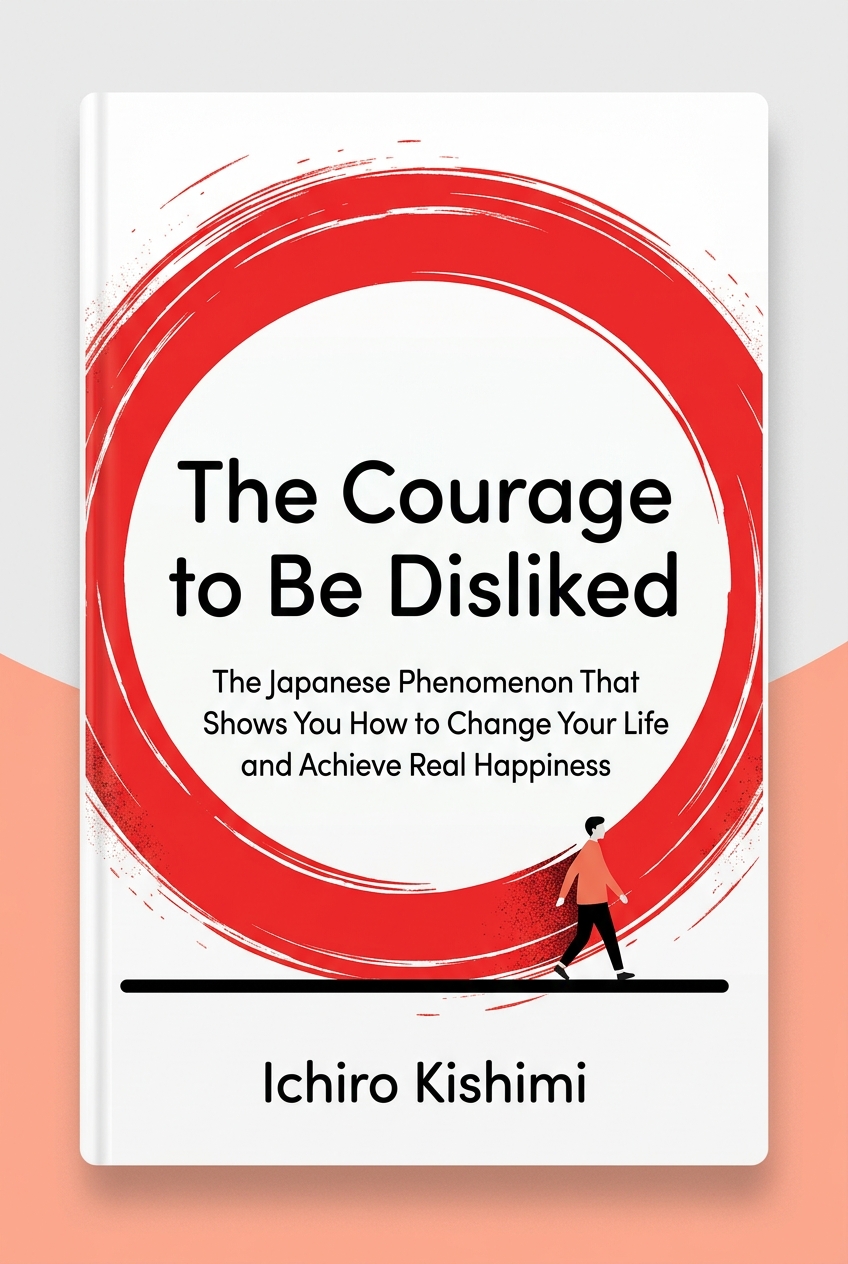
The Courage to Be Disliked
Find freedom from the need for approval using Adlerian psychology.
- Use the "separation of tasks" to stop worrying about others' opinions.
- Understand that your past does not determine your future.
- Build healthier relationships by setting clear boundaries.
People who feel burdened by others' expectations and opinions.
Find freedom from the need for approval using Adlerian psychology.
Frequently Asked Questions
Many people find CBT challenging at first because it requires consistent practice and self-awareness. It's not a quick fix; it involves actively identifying and changing deeply ingrained thought patterns. Sticking with the exercises, even when it feels difficult, is key to progress.
Yes, CBT is a skill that improves with practice and dedication. Working with a therapist can provide personalized guidance, while reading the best cbt books can offer new techniques and reinforce core principles. Regularly using tools like thought records helps strengthen your ability to reframe negative thinking.
To ensure long-term benefits, integrate CBT principles into your daily habits. Continue using tools like thought records when you notice negative patterns and practice behavioral activation to stay engaged in fulfilling activities. Think of it as mental fitness; regular practice keeps your mind resilient.