Social Psychology Books
Understanding what is social psychology reveals the hidden forces shaping our behavior in groups. It's a critical field, and knowing why is social psychology important helps us improve our relationships, decisions, and ability to navigate a complex social world. This list of the best social psychology books offers powerful tools for mastering human interaction. We've selected the top social psychology books to read for a deeper understanding of yourself and others. Curated by the VoxBrief team.
Talking to Strangers
Learn why our instincts about strangers are so often dangerously wrong.
- We automatically default to believing others are truthful.
- Relying on non-verbal cues to spot lies is a failing strategy.
- Misunderstandings with strangers can lead to disastrous consequences.
Anyone who interacts with new people and wants to avoid misjudgment.
Learn why our instincts about strangers are so often dangerously wrong.

Attached
Master the science of attachment to build the secure love life you want.
- Human connection is guided by three main attachment styles.
- Your attachment style shapes how you behave in romantic relationships.
- Identify your style and your partner's to build a healthier bond.
Individuals and couples seeking to understand their relationship patterns.
Master the science of attachment to build the secure love life you want.

Emotional Intelligence
Discover the key ingredient for personal and professional success beyond IQ.
- Emotional Intelligence (EQ) is often more critical than IQ for success.
- Master five core skills like self-awareness, empathy, and motivation.
- Learn to handle criticism, stay motivated, and build stronger bonds.
Professionals aiming to improve their leadership and interpersonal skills.
Discover the key ingredient for personal and professional success beyond IQ.
How Emotions Are Made
Discover how your brain creates emotions and learn to master them.
- Emotions are not universal but constructed by your brain on the fly.
- Your brain uses past experiences and context to create feelings.
- You can gain more control over your emotional responses.
Anyone looking to understand and regulate their emotional life.
Discover how your brain creates emotions and learn to master them.
Social Intelligence
Unlock the hidden language of human connection and build stronger relationships.
- Our brains are wired for social connection and interaction.
- Learn to read nonverbal cues to understand others' true feelings.
- Use empathy and social awareness to inspire and influence people.
People who want to improve their social skills and confidence.
Unlock the hidden language of human connection and build stronger relationships.
The Crowd
Uncover why individuals in a group can make irrational decisions together.
- In a crowd, individuals lose their sense of personal responsibility.
- Emotions and ideas spread rapidly and irrationally through groups.
- Logical arguments are often ineffective against crowd sentiment.
Leaders, marketers, and anyone curious about group psychology.
Uncover why individuals in a group can make irrational decisions together.
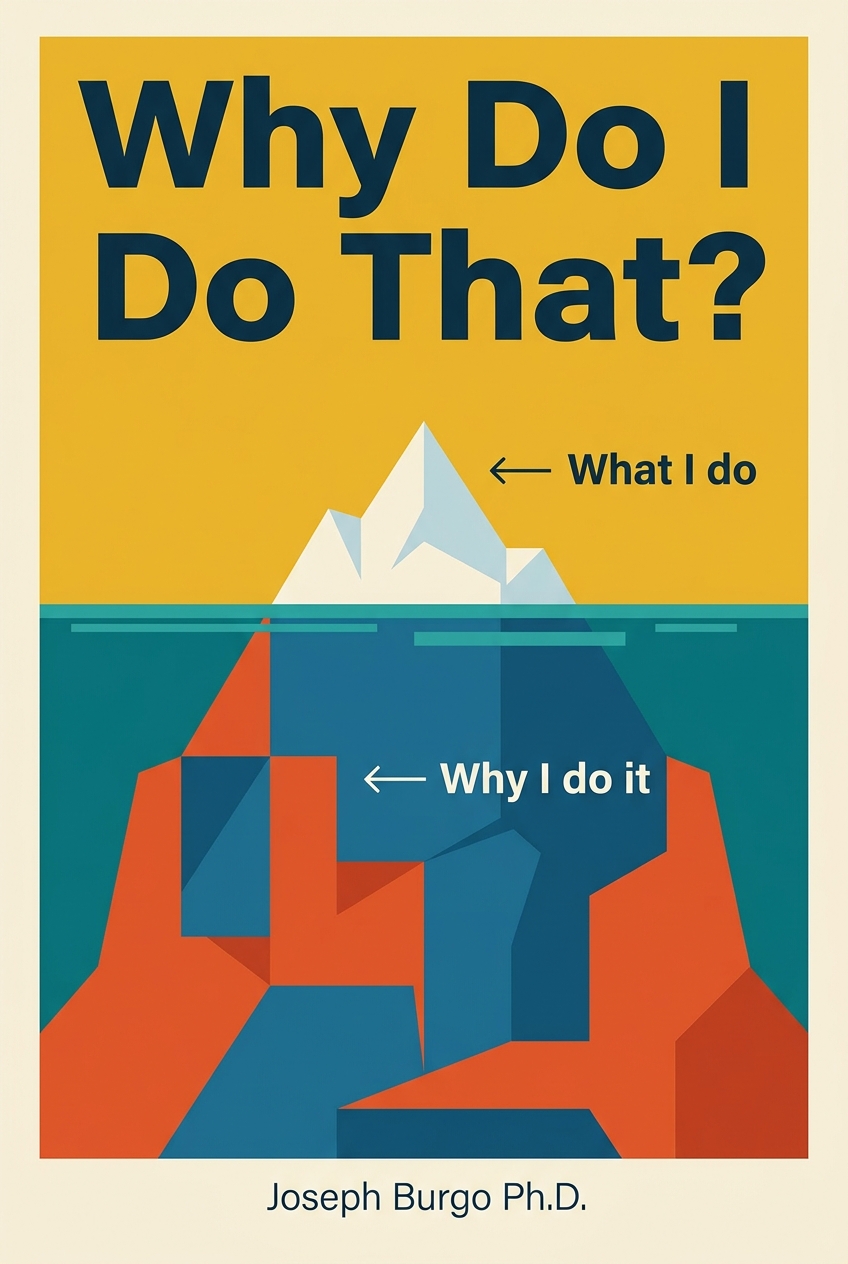
Why Do I Do That?
Identify the hidden psychological defenses that drive your self-sabotage.
- Unconscious defense mechanisms cause confusing behaviors like denial.
- Understand the origins of your defenses in your past experiences.
- Learn practical strategies to overcome self-defeating patterns.
Individuals seeking to understand and change their self-sabotaging habits.
Identify the hidden psychological defenses that drive your self-sabotage.

Exploring Social Psychology
Discover the powerful social forces that influence your daily thoughts and actions.
- Your social world plays a huge role in constructing your reality.
- Learn the psychological roots of attraction, prejudice, and aggression.
- Understand why you act differently when in a group versus alone.
Students and beginners looking for a broad introduction to the field.
Discover the powerful social forces that influence your daily thoughts and actions.
Advanced Social Psychology
Go beyond the basics with cutting-edge research on human social behavior.
- Explore the complex hidden forces behind attraction and prejudice.
- Learn about the social nature of the mind and self-control.
- Gain a toolkit of science-backed insights for leadership.
Academics and professionals wanting a deeper dive into modern research.
Go beyond the basics with cutting-edge research on human social behavior.
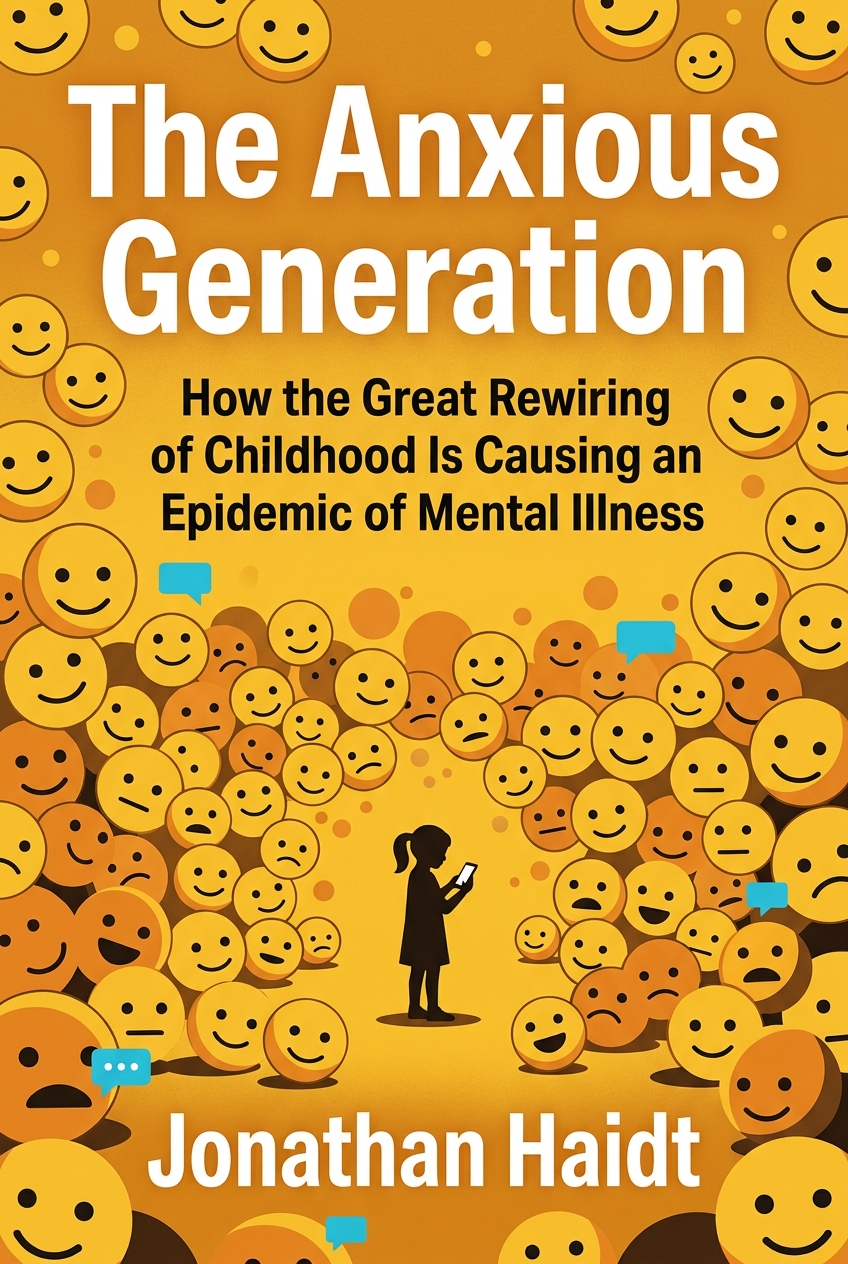
The Anxious Generation
Uncover the link between smartphones and the youth mental health crisis.
- The shift from play-based to phone-based childhood fuels anxiety.
- Smartphones and social media have 'rewired' teenage development.
- Learn how to foster resilience and healthier habits in children.
Parents, educators, and anyone concerned about youth mental health.
Uncover the link between smartphones and the youth mental health crisis.
Frequently Asked Questions
Absolutely. By learning about concepts like attachment styles, emotional intelligence, and nonverbal cues, you can better understand yourself and others. This knowledge helps you communicate more effectively, navigate conflicts, and build stronger, more meaningful connections.
Social psychology offers many explanations. It could be related to social anxiety, misunderstanding social cues, or group pressure. Books on this topic help you identify the specific psychological forces at play so you can develop strategies to feel more confident and in control.
For a great starting point, consider "Emotional Intelligence" by Daniel Goleman or "Attached" by Amir Levine. These provide foundational concepts that are easy to grasp and apply to everyday life, making them ideal for someone new to the topic.
Social psychology is incredibly valuable for professionals. Understanding group dynamics helps with teamwork, learning persuasion improves sales and marketing, and developing social intelligence boosts leadership. It's a toolkit for navigating the modern workplace more effectively.