Finding Freedom: Your Guide to the Best Books on Codependency
By VoxBrief Team··6 min read
Do you find yourself constantly prioritizing others' needs over your own? Do you feel an overwhelming sense of responsibility for the feelings and actions of the people around you? If so, you may be experiencing codependency, a pattern of behavior that can leave you feeling exhausted, resentful, and lost. You are not alone, and the path to healing often begins with understanding. This guide explores some of the core concepts you'll find in the best books on codependency, providing a roadmap to reclaim your life and build healthier, more fulfilling relationships.
What Is Codependency and Why Is It Important?
Before diving into solutions, it's crucial to understand: what is codependency? At its core, codependency is a dysfunctional relationship dynamic where one person's sense of self is excessively reliant on meeting the needs of another. It's more than just being helpful or kind; it's a compulsive need to be needed, often at the expense of one's own well-being. This pattern is not limited to romantic relationships; it can manifest with family members, friends, and even colleagues.
Understanding why is codependency important is the key to unlocking change. Ignoring codependent tendencies can lead to chronic stress, anxiety, burnout, and a deep sense of unfulfillment. It traps you in cycles of unhealthy relationship patterns, often characterized by control, people-pleasing, and enabling behavior. Recognizing the issue is the first, most powerful step toward recovery from codependency.
The Common Signs of Codependency
Codependency can be subtle, often disguised as selflessness. Here are some common signs of codependency to watch for:
Difficulty Identifying Your Own Feelings: You're so attuned to others' emotions that you lose touch with your own.
A Need for Control: You feel compelled to manage people and situations to feel secure and prevent negative outcomes.
Poor Boundaries: You struggle to say "no" and often find yourself over-committed and resentful.
An Exaggerated Sense of Responsibility: You feel responsible for others' happiness, choices, and problems.
Fear of Abandonment: The thought of being alone is terrifying, so you may stay in unhealthy relationships to avoid it.
Low Self-Esteem: You derive your sense of self-worth from external validation and how useful you are to others.
If these signs resonate, it's not a personal failing. It's a learned behavior, and like any behavior, it can be unlearned.
Codependency Causes and Effects in Daily Life
The roots of codependency often lie in childhood. Growing up in a family where your needs weren't met, where emotions were suppressed, or where you had to take on a caretaker role can set the stage for these patterns in adulthood. The long-term effects can be damaging, impacting everything from your mental health to your career.
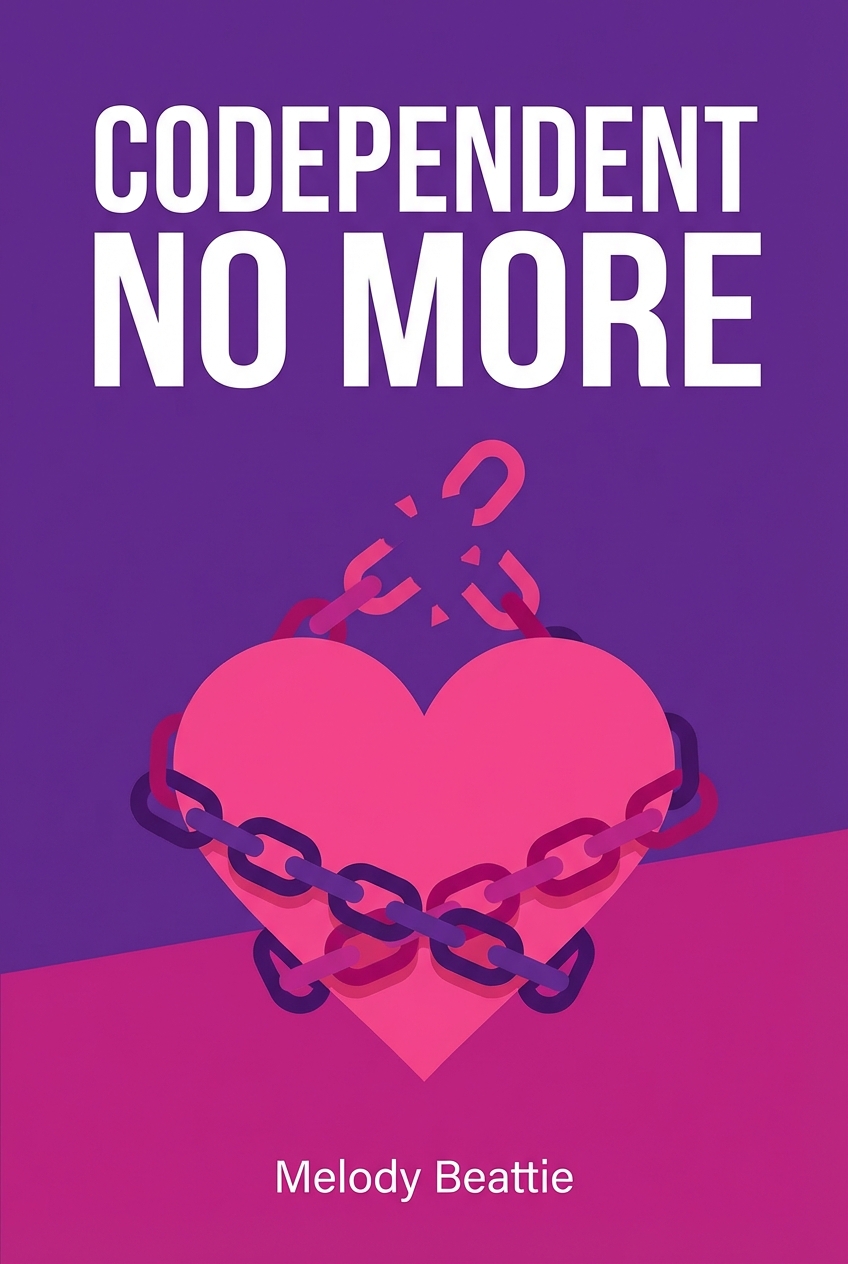
For professionals, codependency at work can manifest as an inability to delegate, taking on too much work to please a manager, or becoming overly involved in colleagues' personal problems. For students, it might mean prioritizing a friend's academic crisis over their own studies or getting trapped in draining social dynamics. The constant self-sacrifice leads to a profound loss of self, a theme Melody Beattie explores in her transformative book, Codependent No More.
Core Strategies for Overcoming Codependency
Once you've identified the patterns, the next step is to learn how to deal with codependency through tangible, actionable strategies. The journey involves a fundamental shift from looking outward for validation to looking inward for strength and guidance. Many influential books offer powerful frameworks for this transformation.
Establishing Healthy Boundaries
One of the most critical codependency coping strategies is learning to set healthy boundaries. In their seminal work, Boundaries, Drs. Henry Cloud and John Townsend provide a powerful framework for this. They define a boundary as a "personal property line," clarifying what is your responsibility and what is not. When these lines are blurred—a hallmark of codependency—chaos and resentment follow.
According to Cloud and Townsend, boundary problems are a "two-sided coin." Some people can't set limits (the compliant), while others can't respect them (the controller). Healing from codependency requires you to become an active agent in defining your own property line. This means learning how to say "no" to things that drain you, saying "yes" to things that nourish you, and understanding that you are only responsible for your own feelings and actions. It's about breaking free from the fear of guilt and abandonment that keeps you trapped.
Detachment and Radical Self-Care
Melody Beattie's Codependent No More offers another foundational pillar for recovery: the art of detachment. This concept is often misunderstood as being cold or uncaring. However, Beattie reframes it as a profound act of love—both for yourself and the other person. Detachment means separating yourself from the problems and emotions of others so you can stop reacting and start living your own life.
It breaks the cycle of enabling behavior, where you inadvertently protect others from the consequences of their actions, preventing them from learning and growing. Once you begin to detach, a new space opens up. Beattie argues you must fill this space with radical self-care. This isn't about bubble baths and spa days; it's about fundamentally shifting your focus to your own needs, desires, and well-being. It’s about asking, "What do I need right now?" and giving yourself permission to receive it.
The Pivot: Realigning Your Life with Your True Self
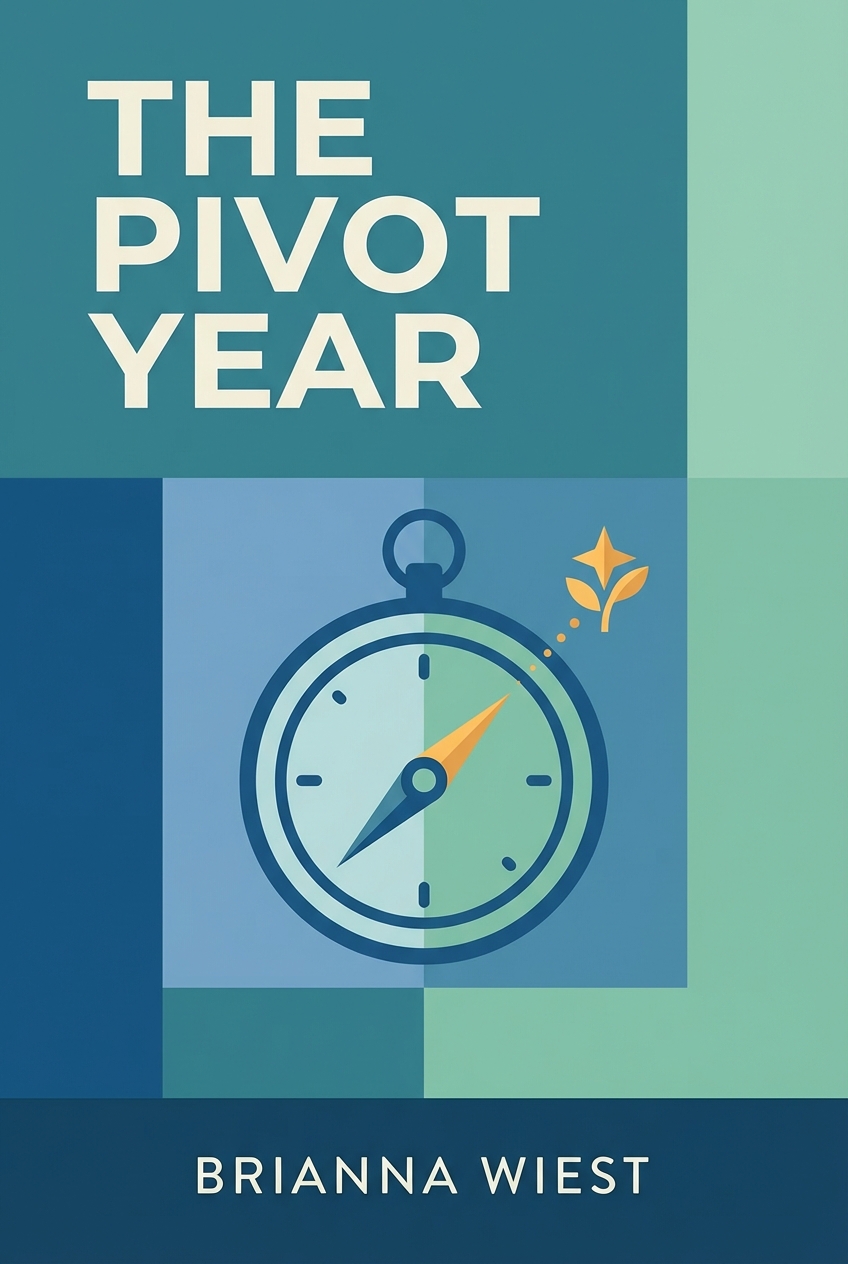
After you've started setting boundaries and practicing self-care, a deeper question emerges: Who am I, outside of my relationships and responsibilities to others? This is where the concept of a "pivot" becomes essential. As Brianna Wiest explores in The Pivot Year, true strength isn't always about pushing through; sometimes, it's about the softness and courage to change direction.
Recovery from codependency requires a pivot toward internal alignment. This means making your external reality—your friendships, career, and daily choices—a true reflection of your internal world. Wiest's work encourages a daily practice of checking in with yourself and making small, incremental changes that align with your authentic self. It’s about building a life that feels honest and peaceful from the inside out, rather than one designed to please or manage others. This moves beyond simply managing symptoms and into building a new, resilient identity.
A Practical Guide to the Best Books on Codependency
Navigating the wealth of information can be overwhelming, but understanding the core concepts is a fantastic start. The journey of how to overcome codependency is personal, and the resources you connect with will depend on your unique situation. The true value of the best books on codependency is their ability to provide language for your experiences and a clear path forward.
Applying These Lessons at Work and Home
These principles are not abstract theories; they are practical tools for daily life. For the professional struggling with codependency at work, setting a boundary might look like logging off at 5 PM, even if a colleague is still working. It might mean declining to join a project you don't have the bandwidth for, without offering a long-winded excuse.
At home, it could be letting your partner or child experience the natural consequences of forgetting their laundry or homework. It's practicing detachment with love, trusting that they are capable of handling their own responsibilities. For anyone who identifies as a codependency for beginners, these small, consistent actions are the building blocks of a new, healthier way of being.
Starting Your Recovery Journey Today
You don't need to have all the answers to begin. Recovery starts with one small step. Here are a few simple codependency exercises you can try:
Journaling: Spend 10 minutes each day writing down your feelings. Ask yourself, "What did I feel today?" without judgment. This helps rebuild the connection to your own emotional state.
Practice the Small "No": Say no to one small, low-stakes request this week. Notice how it feels. The world won't end, and you'll build your muscle for bigger boundaries later.
Identify One Control Tactic: As Melody Beattie suggests, identify one small thing you do to control a person or situation. For one day, deliberately choose not to do it. Observe what happens.
This journey is not about becoming selfish; it's about becoming self-defined. It’s about showing up in your relationships as a whole person, not as a support system. By doing so, you give others the gift of your authentic self and the space to become their own authentic selves, too.
The search for the best book on codependency is, in many ways, a search for yourself. It's a courageous decision to stop living on autopilot and start designing a life that is truly your own. Whether you're a student, a professional, a parent, or simply someone seeking peace, the path to healing is available, and it begins with the brave choice to put yourself first.
Master key ideas in 15 minutes
Listen to audio summaries of these books on VoxBrief
Struggles with codependency often stem from early life experiences and learned relationship patterns. You might have grown up in an environment where your needs were secondary, leading you to focus on others to feel valued or safe. Recognizing these underlying codependency causes and effects is the first step toward change.
Absolutely. While it requires self-awareness and consistent effort, you can definitely improve codependent tendencies and build healthier relationship patterns. Working on codependency coping strategies, such as setting boundaries and practicing self-care, can lead to significant positive changes.
The best book on codependency for you depends on where you are in your journey. Some focus on setting boundaries, while others tackle the root emotional patterns. Start by identifying your biggest challenge—is it saying 'no,' people-pleasing, or something else?—and look for titles that address that specific issue.
Long-term recovery from codependency involves consistently practicing new behaviors like detachment and self-care. It's not a one-time fix but a commitment to building a new relationship with yourself. This often includes ongoing learning and applying codependency exercises to reinforce healthy habits.