Best Books On Codependency
Understanding what is codependency is the first step toward reclaiming your life from draining relationship patterns. If you're ready to explore how to overcome codependency, this list of must read codependency books is your starting point. These summaries offer practical strategies for setting boundaries, detaching with love, and building genuine self-worth. Finding the best book on codependency for your unique journey can spark lasting change. Curated by the VoxBrief team.

Boundaries Updated and Expanded Edition
Learn when to say yes and how to say no to reclaim your time and energy.
- Discover the ten universal laws of boundaries.
- Apply practical scripts for difficult conversations.
- Learn to set limits with family, friends, and yourself.
Anyone feeling overworked, stressed, or taken advantage of.
Learn when to say yes and how to say no to reclaim your time and energy.
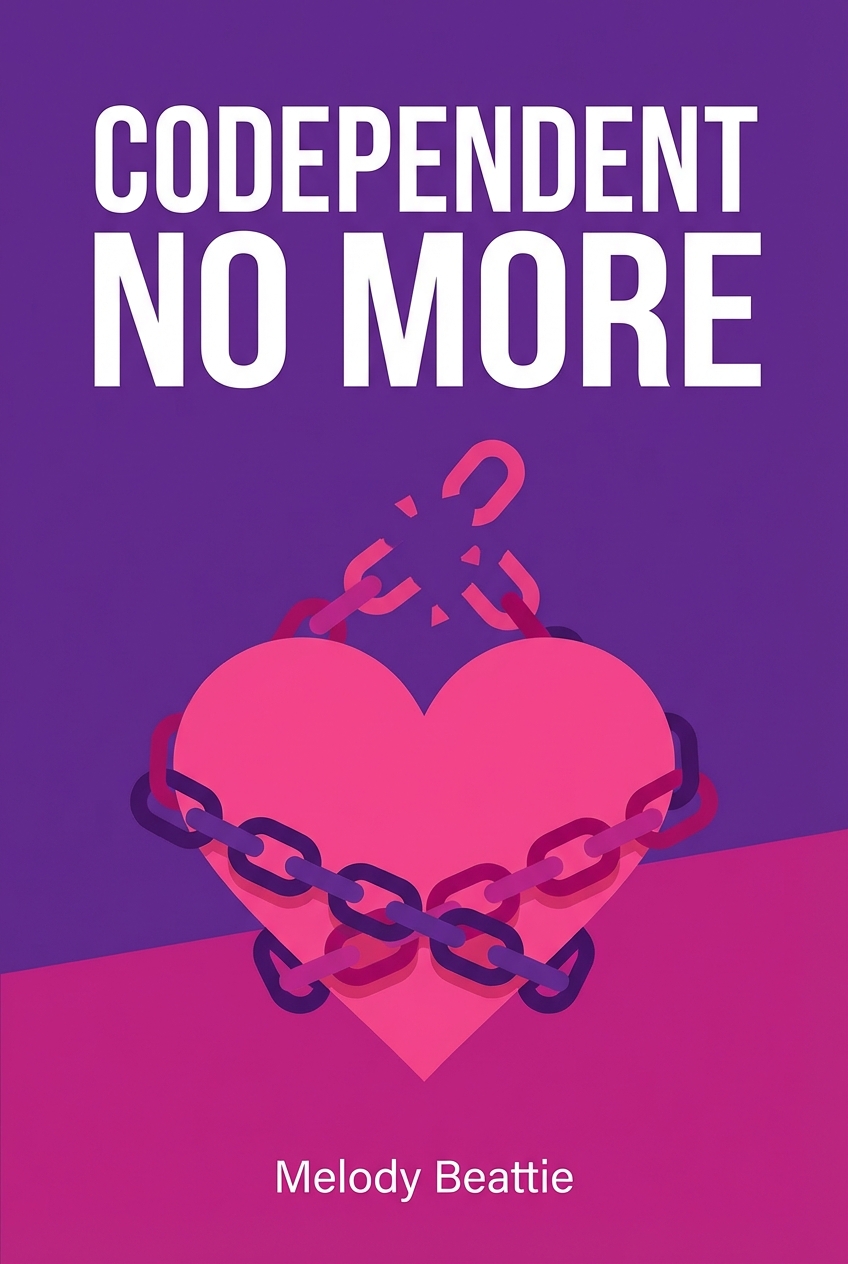
Codependent No More
Break free from controlling others and start prioritizing your own well-being.
- Identify the key signs and symptoms of codependency.
- Understand the roots of caretaking and enabling behaviors.
- Learn core strategies to detach with love and reclaim your life.
People who feel responsible for others' happiness but their own.
Break free from controlling others and start prioritizing your own well-being.
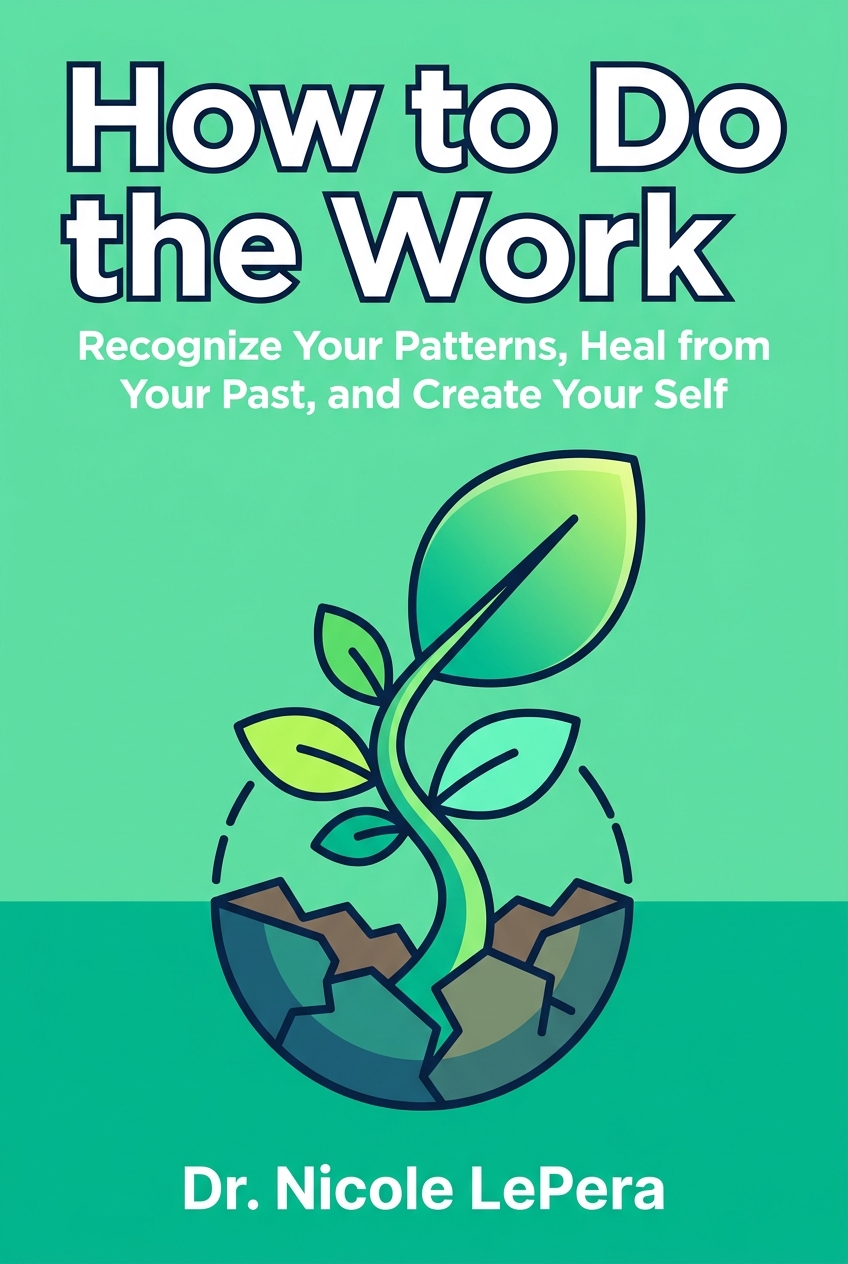
How to Do the Work
Heal from past trauma and break free from self-sabotaging cycles.
- Recognize your own destructive patterns and their origins.
- Use practical tools to reparent your inner child.
- Understand the mind-body connection in holistic healing.
Individuals feeling stuck in cycles of trauma and self-sabotage.
Heal from past trauma and break free from self-sabotaging cycles.
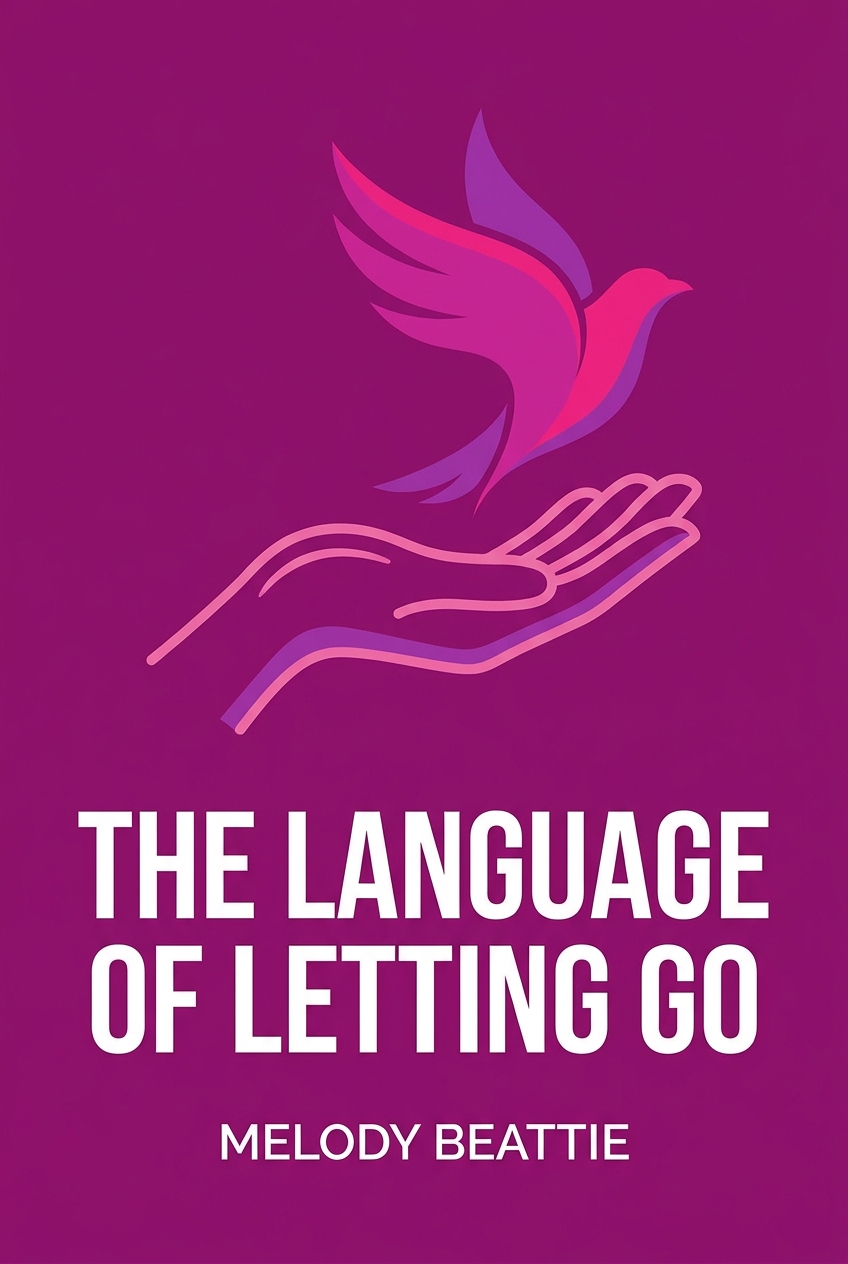
The Language of Letting Go
A daily meditation guide to help you detach with love and embrace self-care.
- Practice letting go of things outside of your control.
- Build self-esteem and serenity one day at a time.
- Embrace radical self-care without feeling guilty.
Those seeking a daily practice for emotional peace and recovery.
A daily meditation guide to help you detach with love and embrace self-care.
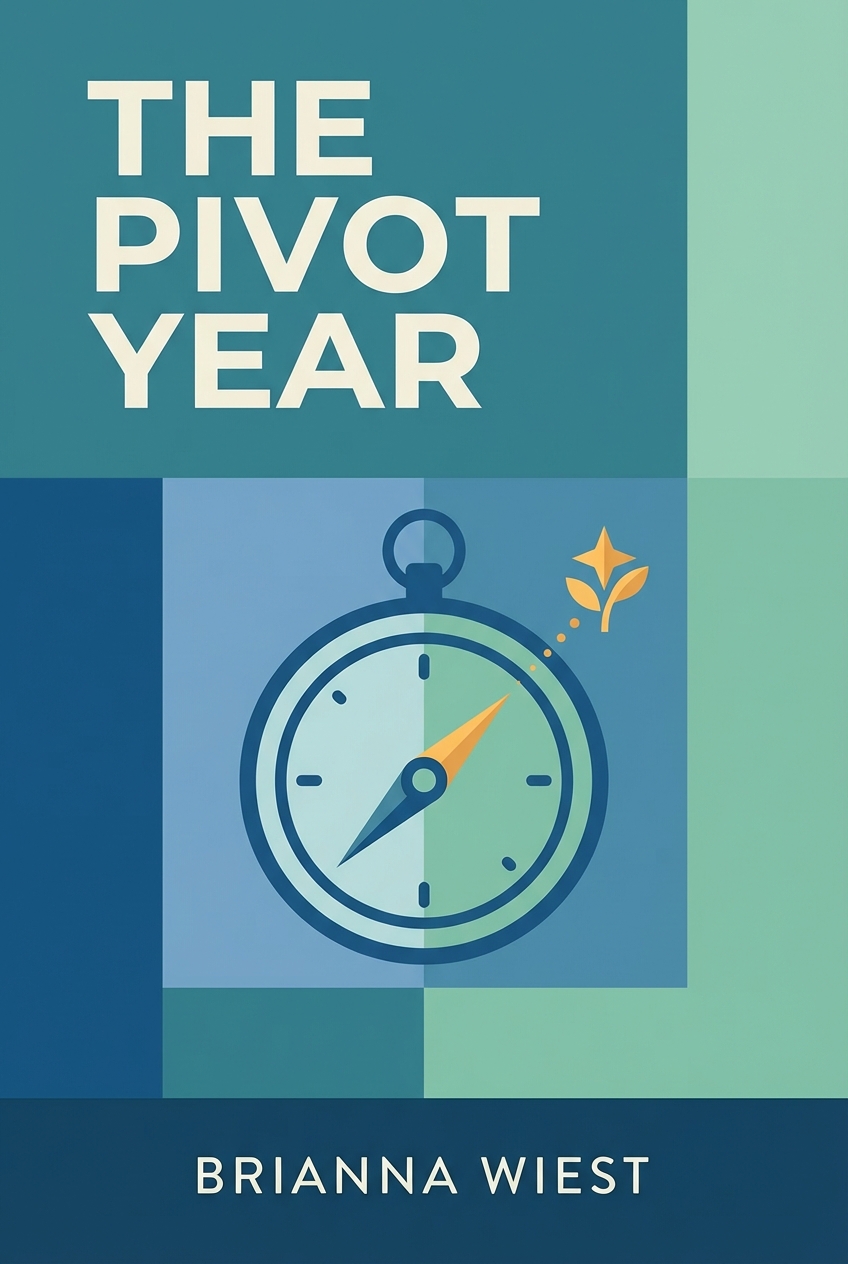
The Pivot Year
365 daily meditations to help you find clarity and build a life you love.
- Learn to navigate uncertainty and embrace massive change.
- Let go of past beliefs that are holding you back.
- Take small, intentional steps toward a future you're excited about.
People feeling stuck, directionless, or in need of a major life change.
365 daily meditations to help you find clarity and build a life you love.
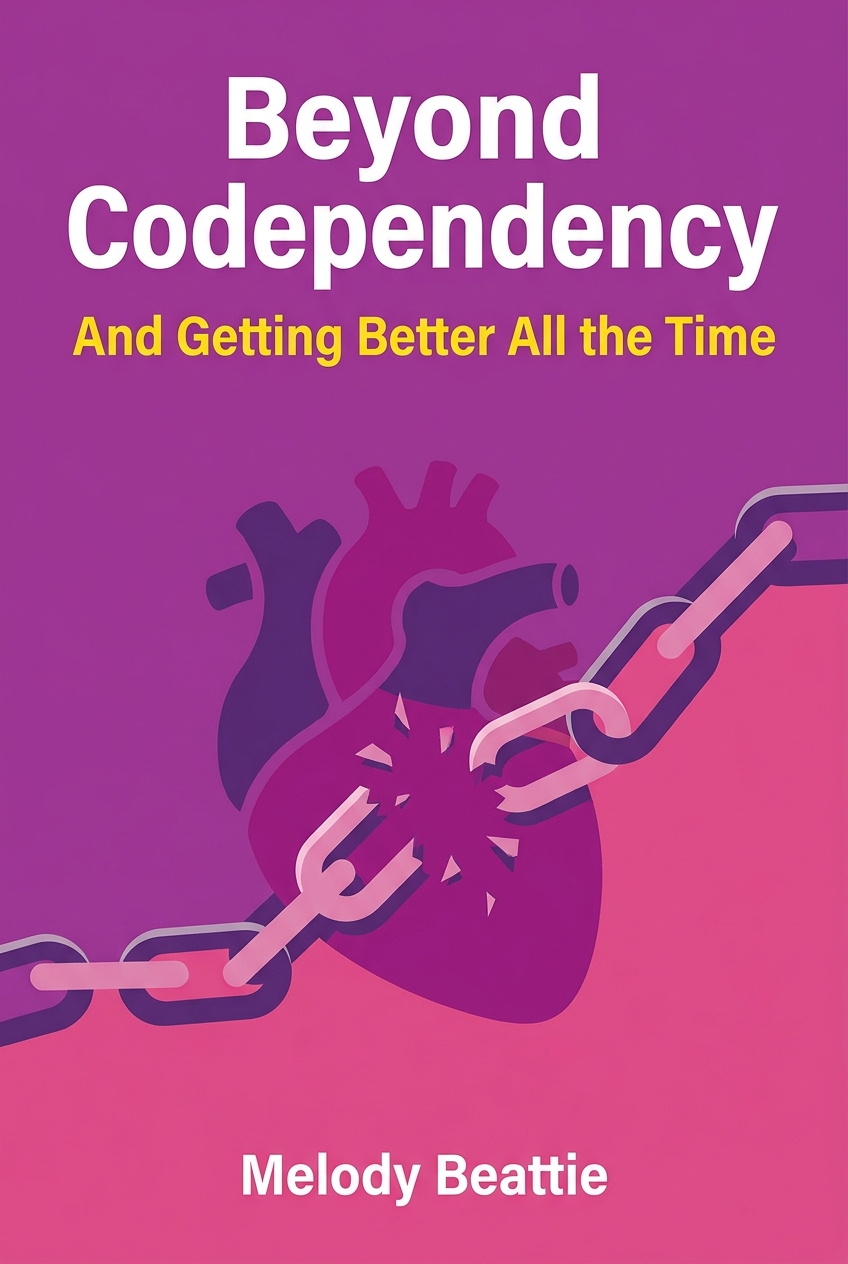
Beyond Codependency
Move past survival mode and learn to thrive in your recovery journey.
- Navigate the difficult emotions that come with healing.
- Get practical advice for setting boundaries and overcoming shame.
- Embrace self-care as a non-negotiable part of life.
Those who have started recovery and are ready for the next level.
Move past survival mode and learn to thrive in your recovery journey.
Let Go Now
Daily meditations to release anxiety and the weight of others' problems.
- Learn the art of detachment as a powerful form of self-care.
- Find freedom from worry, anxiety, and resentment.
- Reclaim your inner peace through daily focused practice.
Readers seeking wisdom from Al-Anon and 12-step recovery principles.
Daily meditations to release anxiety and the weight of others' problems.
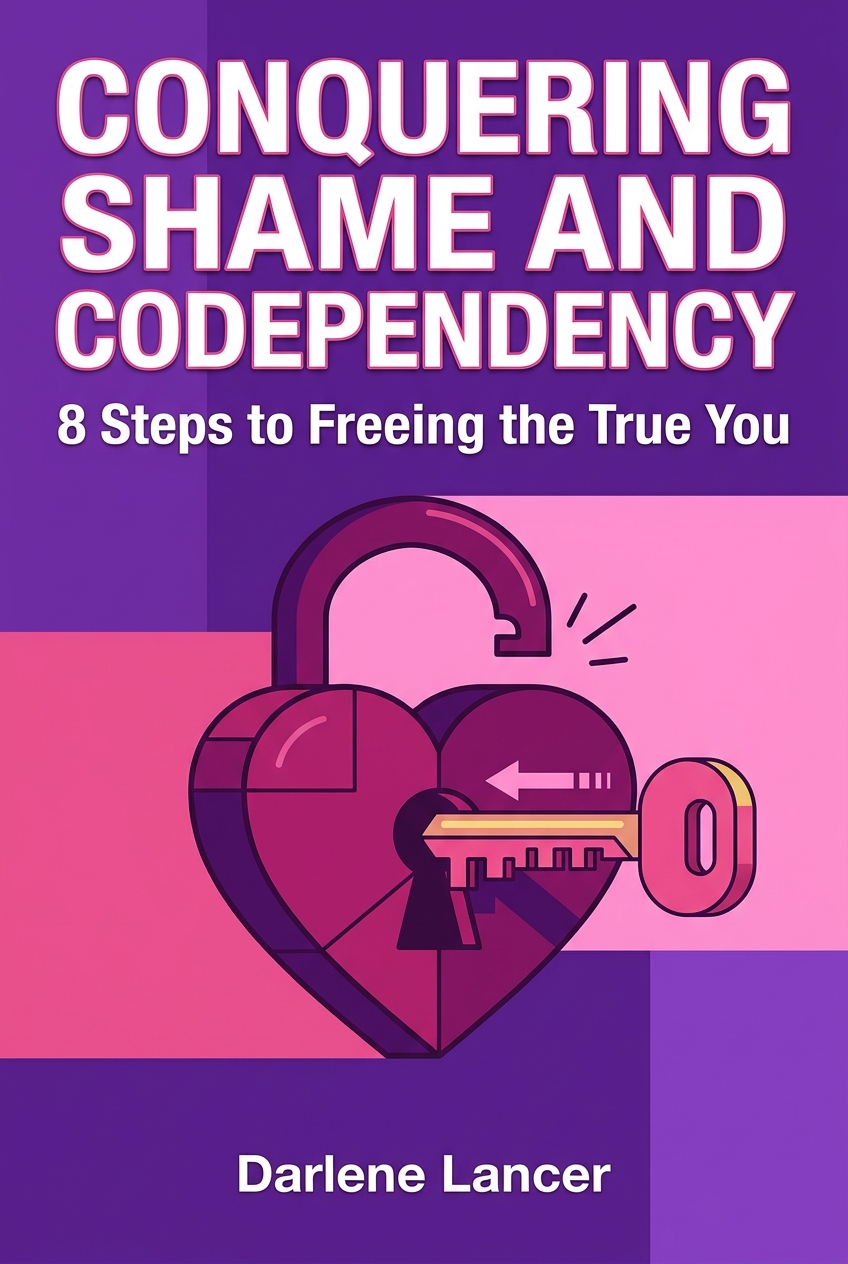
Conquering Shame and Codependency
Heal the toxic shame at the root of people-pleasing and self-doubt.
- Follow an 8-step program to heal deep emotional wounds.
- Challenge your inner critic and build genuine self-esteem.
- Reclaim your authentic identity and personal power.
People trapped in a cycle of shame, self-doubt, and approval-seeking.
Heal the toxic shame at the root of people-pleasing and self-doubt.
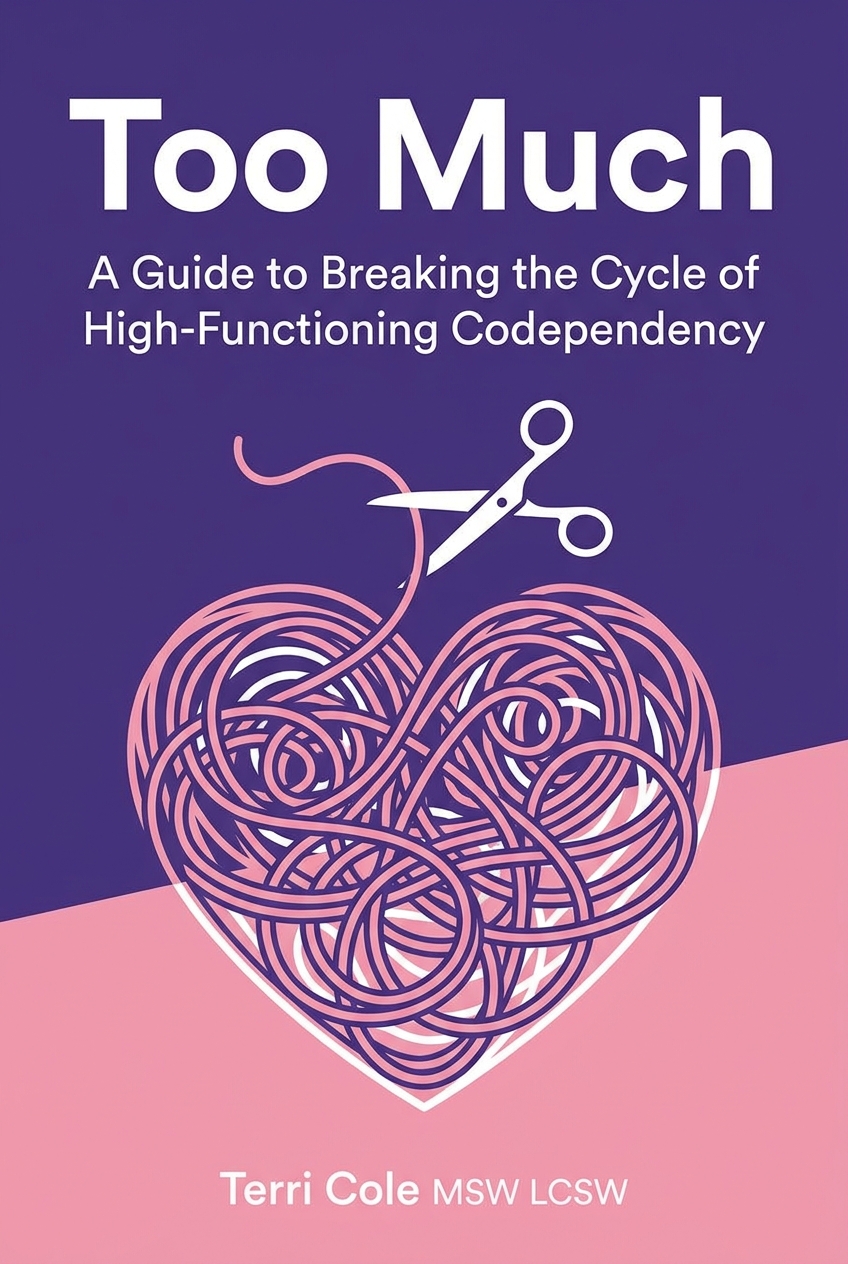
Too Much
Stop overgiving and reclaim your identity from high-functioning codependency.
- Learn to set empowered boundaries without feeling guilty.
- Decode your personal "Boundary Blueprint" from childhood.
- Heal the root causes of chronic people-pleasing.
High-achievers exhausted from being the go-to person for everyone.
Stop overgiving and reclaim your identity from high-functioning codependency.
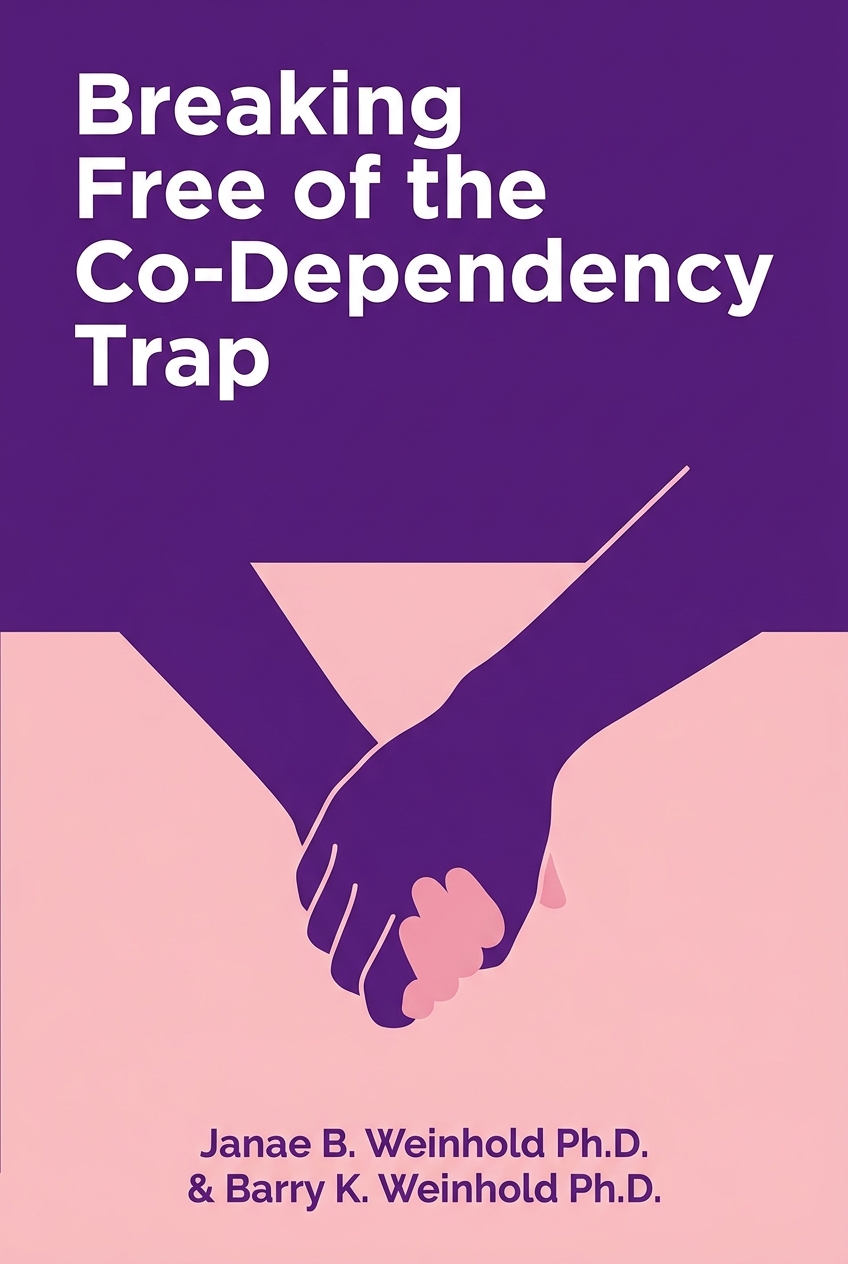
Breaking Free of the Co-Dependency Trap
Reclaim your independence and build genuine self-worth in relationships.
- Identify the hidden developmental patterns of codependency.
- Heal from past emotional wounds that fuel controlling behaviors.
- Break the cycle of approval-seeking for true personal freedom.
Individuals tired of losing themselves to please others.
Reclaim your independence and build genuine self-worth in relationships.
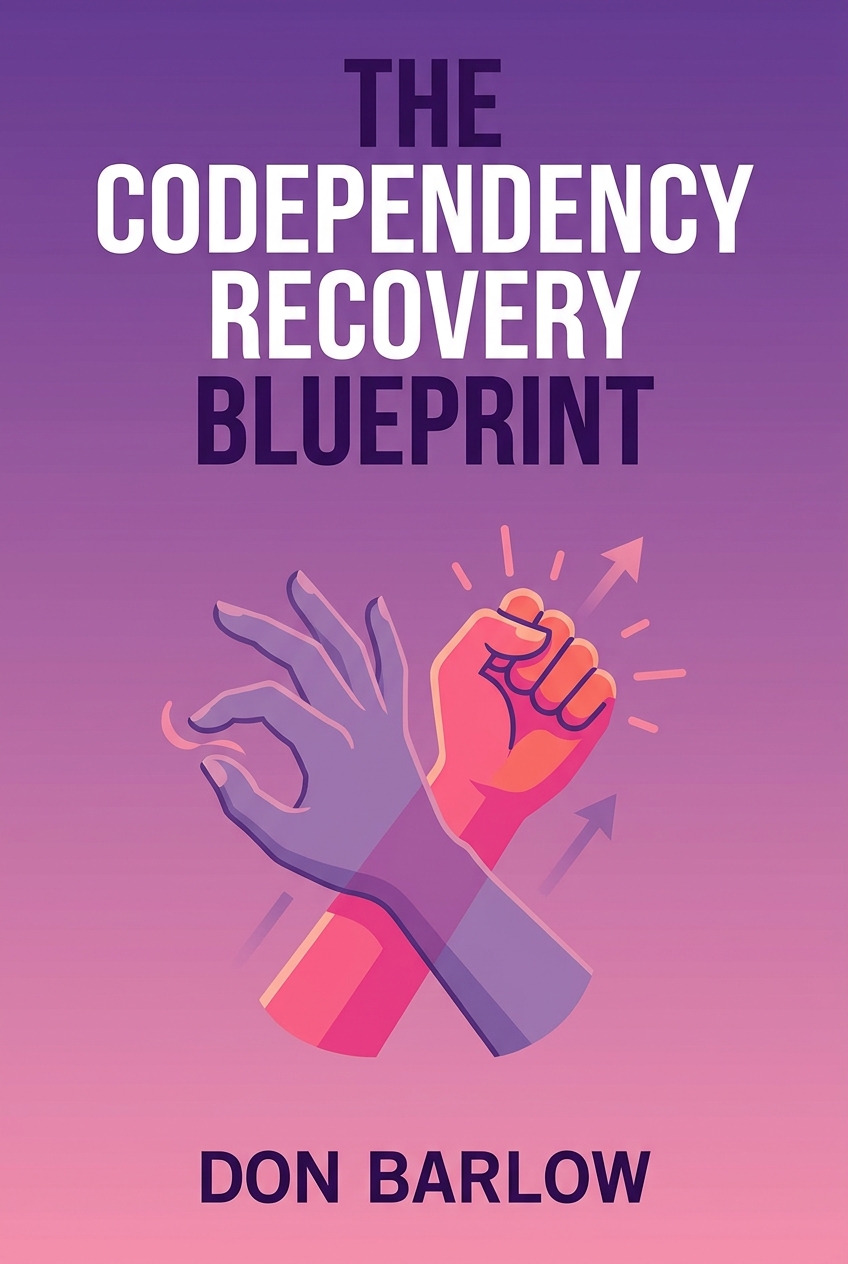
The Codependency Recovery Blueprint
A clear path to build unshakable self-worth and emotional independence.
- Set firm boundaries without feeling guilt or fear of conflict.
- Overcome the deep-seated fear of abandonment.
- Stop seeking external validation for your own self-worth.
People who feel consistently drained and unappreciated in relationships.
A clear path to build unshakable self-worth and emotional independence.
Frequently Asked Questions
Codependency often stems from childhood experiences, family dynamics, and learned relationship patterns. You might struggle because you were taught to prioritize others' needs, fear abandonment, or link your self-worth to being a caretaker. Understanding these roots is the first step toward healing.
Absolutely. Codependency is a learned behavior, which means it can be unlearned. With self-awareness, consistent effort, and the right tools—like setting healthy boundaries and practicing self-care—you can significantly improve your relationship patterns and build a healthier, more independent sense of self.
Long-term recovery involves ongoing practice and self-reflection. Key strategies include practicing detachment, consistently enforcing boundaries, healing underlying shame, and developing self-worth that isn't dependent on others' approval. Many find therapy and support groups invaluable for sustained change.
Codependency at work often looks like over-committing, saying 'yes' to every request, and taking responsibility for colleagues' failures. Start by setting clear boundaries around your work hours and responsibilities. Practice saying 'no' politely but firmly and avoid getting enmeshed in office drama.