Buddhism Books
Feeling overwhelmed by modern life's constant demands? These buddhism books offer a path to inner peace and clarity. With buddhism explained simply, you can learn core principles and apply them to buddhism in everyday life, transforming stress into lasting contentment. We've compiled the best books on buddhism, from practical guides on mindfulness to profound philosophical explorations. Whether you're a curious beginner or a seasoned practitioner, these summaries provide actionable wisdom for a happier, more centered life. Curated by the VoxBrief team.
Ikigai
Discover your life's purpose using the Japanese secret to a long life.
- Find your ikigai: the intersection of passion, mission, and profession.
- Achieve 'flow' by engaging in activities that challenge you just enough.
- Apply the wisdom of the world's longest-living people to your life.
- A clear purpose is a key ingredient for happiness and longevity.
Individuals searching for meaning, purpose, and direction in life.
Discover your life's purpose using the Japanese secret to a long life.
The Art of Happiness
Learn from the Dalai Lama how to cultivate happiness as a trainable skill.
- True happiness is an internal skill, not based on external conditions.
- Train your mind to reframe perspectives and overcome negative states.
- Cultivating compassion is a key source of personal happiness.
- Achieve profound contentment regardless of life's challenges.
Anyone seeking a practical, spiritual guide to lasting contentment.
Learn from the Dalai Lama how to cultivate happiness as a trainable skill.
The Heart of the Buddha's Teaching
Transform everyday struggles into peace and joy with accessible Buddhist wisdom.
- Use mindful breathing and deep listening to calm your mind.
- Understand suffering not as punishment, but as a path to awakening.
- Grasp core ideas like the Four Noble Truths and the Eightfold Path.
- Connect with the present moment to find freedom from stress.
Those feeling overwhelmed and seeking practical spiritual guidance.
Transform everyday struggles into peace and joy with accessible Buddhist wisdom.
No-Nonsense Buddhism for Beginners
Get a clear, jargon-free introduction to core Buddhist principles.
- Understand the Four Noble Truths and Eightfold Path in simple terms.
- Focus on the practical psychology of Buddhism, not dogma or ritual.
- Apply ancient wisdom to find peace in your modern, everyday life.
- Learn that you can be a Buddhist without believing in anything.
Beginners seeking a straightforward, secular entry into Buddhism.
Get a clear, jargon-free introduction to core Buddhist principles.
No Mud No Lotus
Learn to transform your suffering into genuine happiness and peace.
- The 'mud' of suffering is necessary for the 'lotus' of joy to bloom.
- Stop running from pain and learn to sit with difficult emotions.
- Use practical mindfulness exercises to navigate life's challenges.
- Understand the roots of your pain to transform its energy.
Anyone struggling with pain, anxiety, or difficult life circumstances.
Learn to transform your suffering into genuine happiness and peace.
Why Buddhism is True
Explore how modern science validates ancient Buddhist philosophy.
- Evolutionary psychology explains our innate anxiety and dissatisfaction.
- Meditation is a tool for seeing reality clearly, not just relaxation.
- You can rewire your brain's natural impulses through mindfulness.
- Our minds are naturally prone to delusion that mindfulness can correct.
Skeptics and science-minded individuals curious about meditation.
Explore how modern science validates ancient Buddhist philosophy.
The Miracle of Mindfulness
Find peace and joy by anchoring yourself in the present moment.
- Turn routine chores into profound meditative moments.
- Use your breath to anchor your attention in the here and now.
- Savor each second to unlock a miraculous sense of connection.
- Find joy not by escaping life, but by being fully present for it.
Busy people who want to integrate mindfulness into daily life.
Find peace and joy by anchoring yourself in the present moment.
Peace Is Every Step
Find calm and joy by transforming your daily routine with mindfulness.
- Turn everyday activities into opportunities for peaceful awareness.
- Use your breath as an anchor to dissolve stress as it arises.
- Smile to release tension and generate feelings of joy.
- Connect with yourself and the world through simple awareness.
People feeling overwhelmed who need simple ways to find peace now.
Find calm and joy by transforming your daily routine with mindfulness.
The Way of Zen
Demystify Zen philosophy to experience the present moment fully.
- Break free from the trap of overthinking and conceptual thought.
- Understand concepts like satori (enlightenment) and no-mind.
- Explore the historical roots of Zen through Taoism and Buddhism.
- Find profound peace by embracing the here and now without judgment.
Western readers seeking an intellectual yet accessible guide to Zen.
Demystify Zen philosophy to experience the present moment fully.
The Tibetan Book of Living and Dying
Face aging and death with peace and clarity using Tibetan wisdom.
- Understand that life and death are part of one continuous whole.
- Use meditation to calm the mind and cultivate deep compassion.
- Learn practical ways to support the dying with love and grace.
- Preparing for death is one of the most powerful ways to live fully.
Anyone looking to confront fears about death and live more meaningfully.
Face aging and death with peace and clarity using Tibetan wisdom.
Living Buddha, Living Christ
Find universal truths connecting the teachings of Buddhism and Christianity.
- Discover profound parallels between mindfulness and prayer.
- Explore how emptiness relates to the Christian kingdom of God.
- See how concepts like the Holy Spirit and sangha (community) enrich each other.
- Deepen your own faith by learning from another spiritual tradition.
Spiritually-minded people open to interfaith dialogue and wisdom.
Find universal truths connecting the teachings of Buddhism and Christianity.
Buddhism Plain and Simple
Grasp the profound truth of being present by seeing reality as it is.
- Move beyond complex jargon to grasp the core of Buddhist practice.
- The goal is not to become a 'buddhist' but to become awake.
- True peace comes from awareness, not from changing your life.
- Learn practical techniques to stop overthinking and find stillness.
Seekers who want to understand Buddhist awareness without the dogma.
Grasp the profound truth of being present by seeing reality as it is.
What the Buddha Taught
Get a direct, dogma-free guide to the Buddha's original teachings.
- Grasp the Four Noble Truths as a psychological system for peace.
- Understand core concepts like 'anatta' (no-self) and impermanence.
- A foundational buddhism book that focuses on intellect over faith.
- Learn a clear, analytical approach to ending personal suffering.
Students looking for an accurate, scholarly introduction to Buddhism.
Get a direct, dogma-free guide to the Buddha's original teachings.
The Wise Heart
Use Buddhist psychology to transform painful emotions into wisdom.
- See yourself with clarity and kindness, not harsh judgment.
- Practice exercises to cultivate compassion and inner freedom.
- Learn to heal past trauma and develop emotional resilience.
- The heart has an innate capacity for goodness, love, and freedom.
Those struggling with self-criticism, anxiety, or past trauma.
Use Buddhist psychology to transform painful emotions into wisdom.
Buddhism Without Beliefs
Embrace a practical, secular path to mindfulness without religious dogma.
- Engage with Buddha's teachings as a toolkit, not a set of beliefs.
- Focus on direct experience and awareness rather than metaphysics.
- Cultivate a deep, pragmatic awareness to navigate life's uncertainty.
- Embrace an agnostic, questioning approach to spiritual practice.
Secular, agnostic, or skeptical readers curious about Buddhist ethics.
Embrace a practical, secular path to mindfulness without religious dogma.
The Tibetan Book of the Dead
Navigate the end of life with clarity, peace, and profound insight.
- Learn about the bardo, the transitional states between life and rebirth.
- Gain techniques to guide yourself or a loved one through dying.
- Recognize the 'clear light' of reality at the moment of death.
- This is an ancient roadmap for dying, but also for living fully.
Those seeking to understand death from a Tibetan Buddhist perspective.
Navigate the end of life with clarity, peace, and profound insight.
One Breath at a Time
Combine the Twelve Steps with Buddhist principles for sober recovery.
- Use mindfulness and meditation to navigate cravings and emotions.
- Bridge the gap between Buddhist practice and the 12-Step program.
- Find spiritual fulfillment that complements traditional recovery.
- Develop a path to lasting freedom from addiction.
Individuals in recovery programs seeking a deeper spiritual practice.
Combine the Twelve Steps with Buddhist principles for sober recovery.
The Essence of Buddha
Achieve unshakable inner peace with a practical guide to Buddha's wisdom.
- Learn the Four Noble Truths and Eightfold Path in simple, actionable steps.
- Understand how to let go of attachments that cause suffering.
- Awaken to your own enlightened nature through daily practice.
- View Buddhism as a practical method for achieving happiness.
People feeling stuck in a cycle of stress and dissatisfaction.
Achieve unshakable inner peace with a practical guide to Buddha's wisdom.
The Four Noble Truths
Learn the Dalai Lama's roadmap to end suffering and cultivate joy.
- Grasp the framework for why we suffer and how to overcome it.
- Understand that dissatisfaction is a universal part of human experience.
- Learn that the cause of suffering—craving and attachment—can be removed.
- Follow the Eightfold Path as the practical cure for suffering.
Anyone seeking a foundational understanding of Buddhist philosophy.
Learn the Dalai Lama's roadmap to end suffering and cultivate joy.
Buddhism For Dummies
A practical, accessible guide to bringing Buddhist wisdom into modern life.
- Learn simple meditation techniques to calm your mind.
- Integrate mindfulness into your daily routine for greater clarity.
- Explore different Buddhist traditions and find one that fits you.
- Grasp core concepts like karma and rebirth in an easy-to-understand way.
Absolute beginners who want a broad, friendly overview of Buddhism.
A practical, accessible guide to bringing Buddhist wisdom into modern life.
Understanding Our Mind
Master the inner workings of your mind to break free from suffering.
- Explore a practical map of your consciousness based on 50 verses.
- Understand how 'store consciousness' and karmic seeds shape your reality.
- Learn to transform negative mental habits into peace and clarity.
- Demystify Buddhist psychology to gain control over your emotions.
Practitioners wanting a deeper dive into Buddhist psychology.
Master the inner workings of your mind to break free from suffering.
Awakening of the Heart
Find unshakable peace and clarity with core teachings from a Zen Master.
- Learn practical techniques to transform difficult emotions into calm.
- Cultivate deep compassion for yourself and others.
- Go beyond theory and start living with more joy and mindfulness.
- See the world with a renewed sense of wonder and connection.
Anyone seeking to translate Buddhist ideas into daily lived experience.
Find unshakable peace and clarity with core teachings from a Zen Master.
Buddhist Scriptures
Access the core teachings of Buddhism directly from foundational texts.
- Explore the Buddha's own words on mindfulness and compassion.
- Learn practical techniques for calming your mind and navigating life.
- Understand the Four Noble Truths directly from the source.
- Cut through modern interpretations to find original Buddhist wisdom.
Serious students who want to engage with Buddhism's primary sources.
Access the core teachings of Buddhism directly from foundational texts.
The Daily Buddhist
Find calm and joy with 366 bite-sized meditations and reflections.
- Integrate ancient Buddhist wisdom into your daily routine.
- Use daily prompts to cultivate mindfulness and overcome negativity.
- Build a foundation for genuine inner freedom one day at a time.
- Transform everyday stress into profound joy and resilience.
People who want a simple, daily structure for their mindfulness practice.
Find calm and joy with 366 bite-sized meditations and reflections.
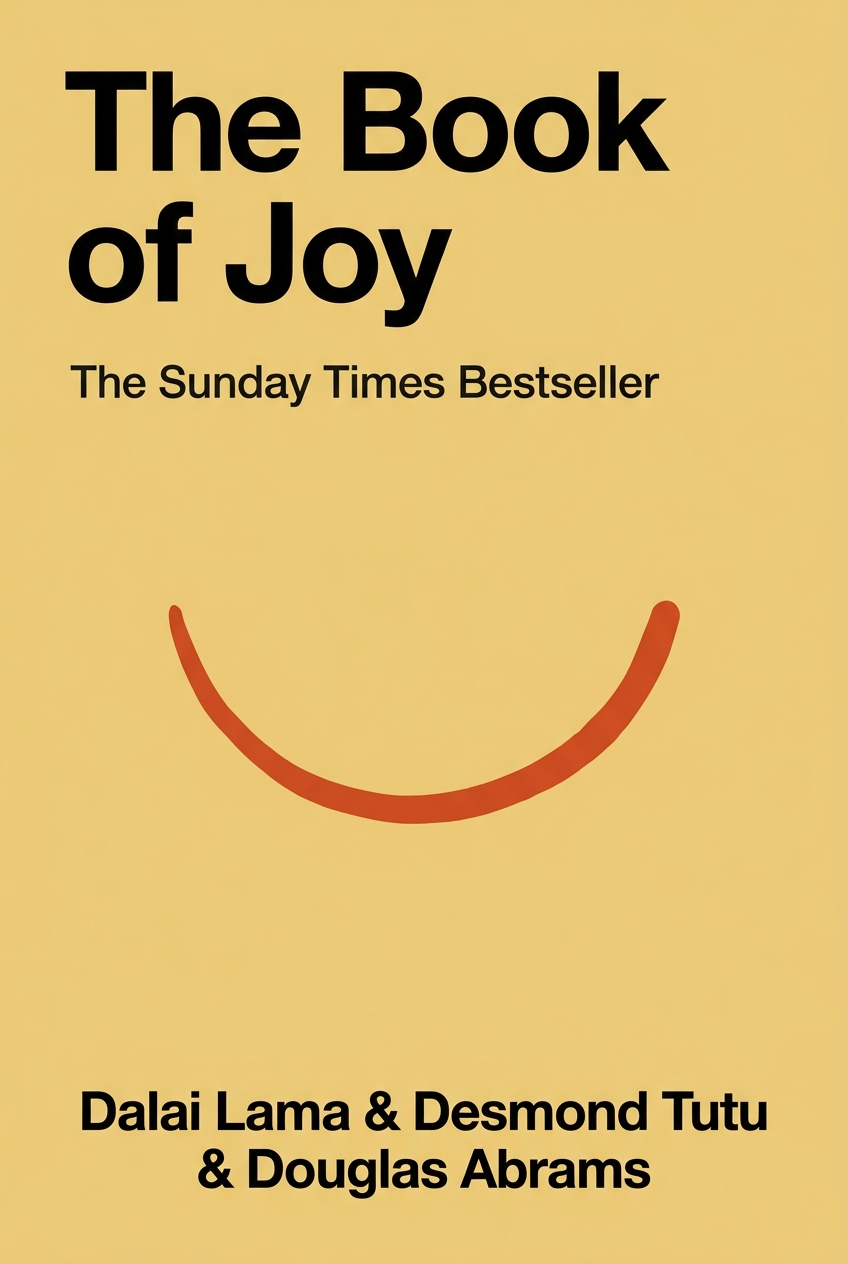
The Book of Joy
Discover the secret to unshakable joy from two spiritual masters.
- Joy is a choice and a skill you can cultivate, not a fleeting emotion.
- Learn the Eight Pillars of Joy, including perspective and gratitude.
- Accept the reality of suffering without letting it defeat you.
- Humor and compassion are essential tools for a joyful life.
Anyone looking for inspiration to find happiness amid life's struggles.
Discover the secret to unshakable joy from two spiritual masters.
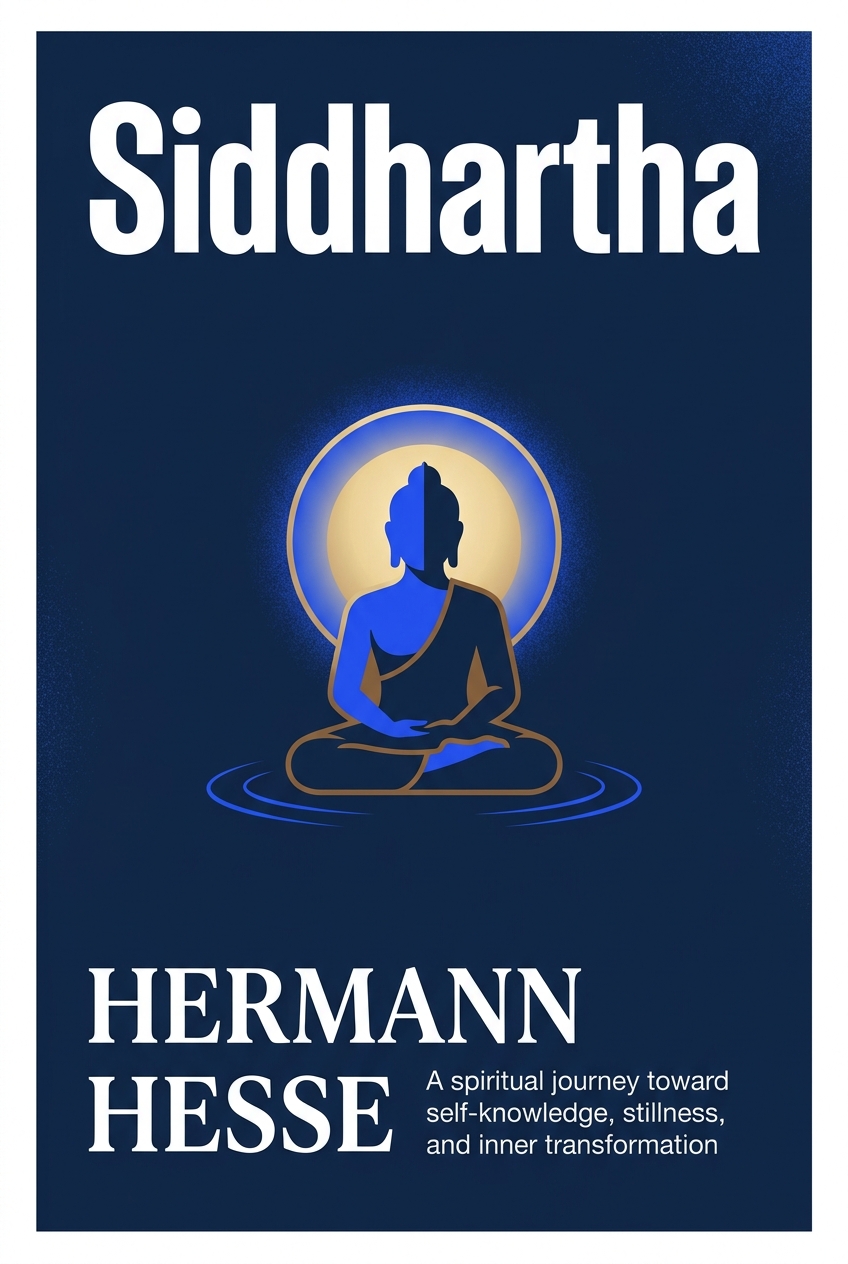
Siddhartha
Follow a young man's journey to find enlightenment through direct experience.
- True wisdom comes from personal experience, not from following others.
- Failure and worldly experience can be powerful spiritual teachers.
- Enlightenment is found by embracing the simple flow of life.
- Every path, including wealth and asceticism, offers lessons.
Readers on a personal quest for truth who value self-discovery.
Follow a young man's journey to find enlightenment through direct experience.
Frequently Asked Questions
Buddhism was founded by Siddhartha Gautama, a prince who lived in ancient India around the 5th century BCE. He renounced his privileged life to seek an end to human suffering. After attaining enlightenment under the Bodhi tree, he became known as the Buddha, or 'the enlightened one,' and spent his life teaching his insights.
The core ideas are summarized in the Four Noble Truths: the truth of suffering, the truth of the cause of suffering (attachment and craving), the truth of the end of suffering, and the truth of the path that leads to the end of suffering. This path is known as the Eightfold Path, which provides a practical guide for ethical conduct, mental discipline, and wisdom. Many **buddhist books** explore these foundational concepts in detail.
Buddhism offers timeless, practical tools for today's challenges. Practices like mindfulness meditation help reduce stress, anxiety, and mental clutter in our fast-paced world. Its principles encourage compassion, emotional regulation, and a clearer perspective, enabling people to navigate work, relationships, and personal struggles with greater peace and resilience.