Books on Compassion
Understanding what is compassion and asking 'why is compassion important?' are the first steps toward a more connected life. Whether you want to improve relationships, lead with heart, or simply quiet your inner critic, developing this skill is transformative. This list of the best books on compassion offers practical wisdom for building empathy and resilience. From ancient practices to modern leadership strategies, these guides provide powerful tools for personal and collective well-being. Curated by the VoxBrief team.
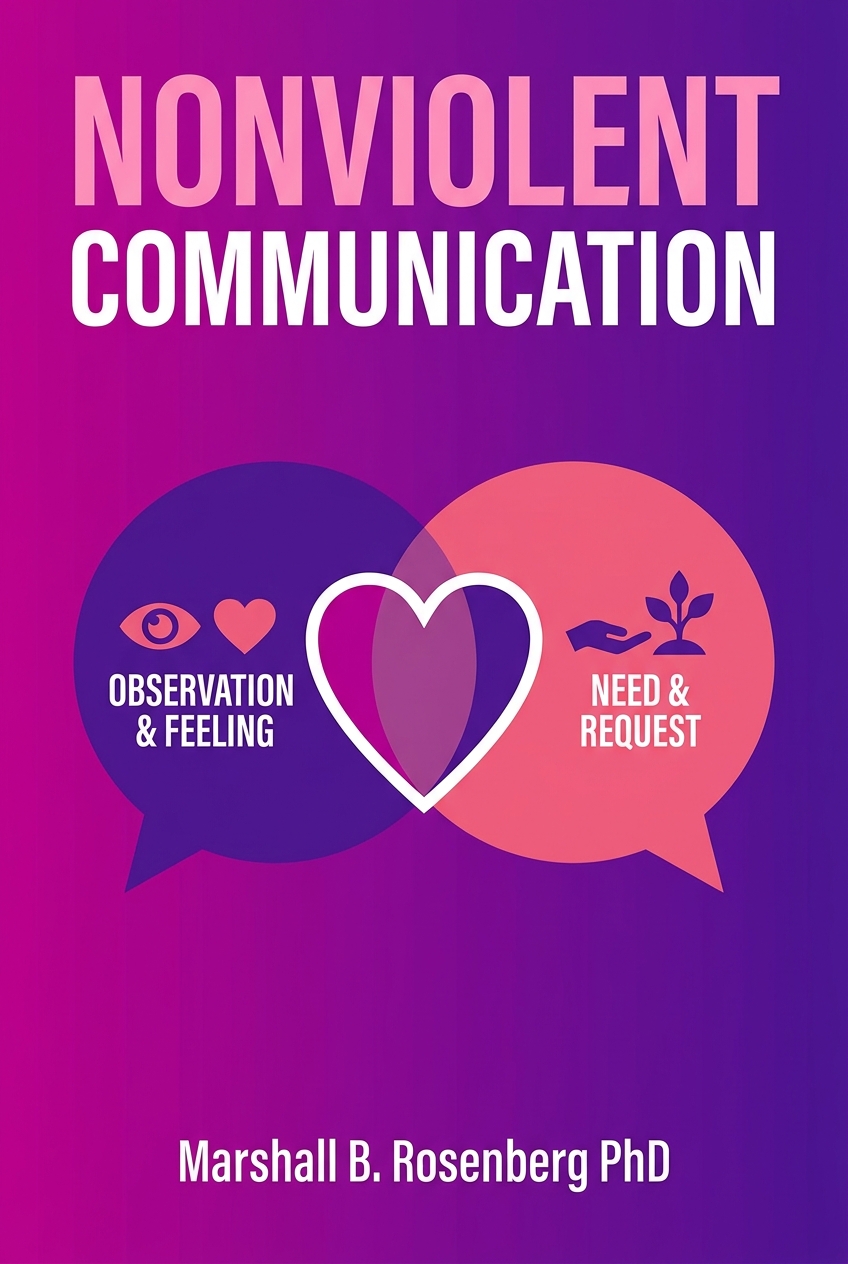
Nonviolent Communication
Learn to transform conflict into connection with a powerful communication framework.
- Express needs using four steps: Observations, Feelings, Needs, and Requests.
- Listen with empathy to understand the needs behind others' words, not just actions.
- Replace blame, criticism, and demands with non-judgmental language.
Anyone looking to improve their personal and professional relationships.
Learn to transform conflict into connection with a powerful communication framework.
Grieving with Hope
Find comfort and practical guidance to navigate the difficult journey of loss.
- Acknowledge that grief is a complex, non-linear process to not face alone.
- Find solace and strength in faith and community during times of sorrow.
- Learn to cherish memories without letting them hold you back from finding hope.
Individuals experiencing loss and seeking a faith-based path to healing.
Find comfort and practical guidance to navigate the difficult journey of loss.
A Practical Guide to Complex PTSD
A step-by-step path to healing childhood trauma and reclaiming your life.
- Use somatic exercises to regulate your nervous system and feel safe in your body.
- Integrate fragmented parts of yourself with techniques from EMDR and parts work.
- Build resilience and transform painful memories into sources of personal strength.
Survivors of complex trauma seeking practical tools for self-healing.
A step-by-step path to healing childhood trauma and reclaiming your life.
Twelve Steps to a Compassionate Life
A 12-step program for making compassion a central, active part of your daily life.
- Begin by learning to have compassion for yourself before extending it to others.
- Practice "looking at all sides" to understand different perspectives.
- Move from theory to action by making compassion a daily, conscious effort.
Anyone wanting a structured, actionable plan to cultivate a more empathetic life.
A 12-step program for making compassion a central, active part of your daily life.

The Emotional Lives of Teenagers
Understand your teen's intense emotions and build a stronger parent-child bond.
- Recognize that teen mental distress is often normal, not a sign of disorder.
- Provide steady support without trying to solve every problem for them.
- Help teens turn emotional challenges into opportunities for growth and resilience.
Parents and guardians struggling to connect with and support their teenagers.
Understand your teen's intense emotions and build a stronger parent-child bond.
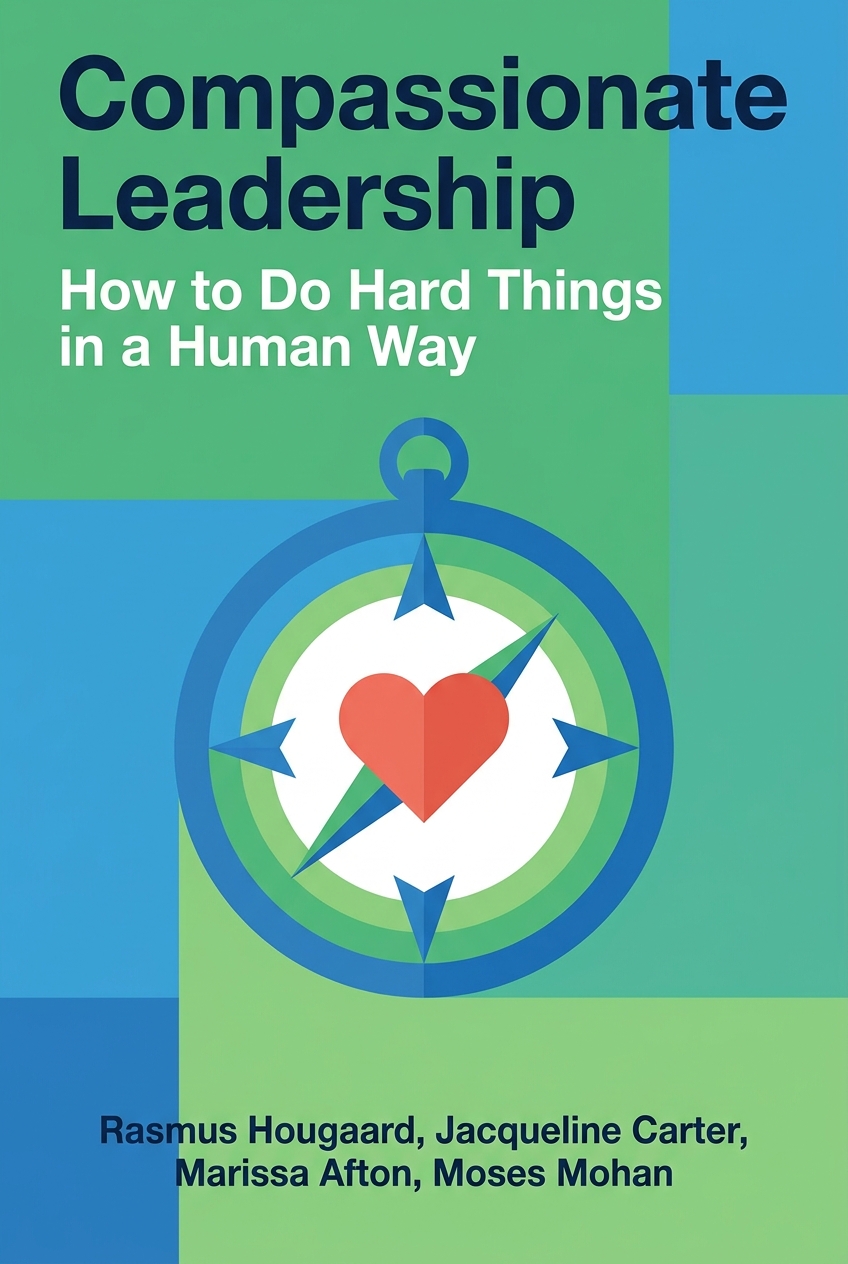
Compassionate Leadership
Be an effective, caring leader without sacrificing results or your own well-being.
- Combine compassionate care for your team with the wisdom to make tough decisions.
- Lead with both heart and spine to foster psychological safety and high performance.
- Avoid burnout by practicing self-compassion while caring for employees.
Leaders and managers seeking to build a supportive, high-performing team culture.
Be an effective, caring leader without sacrificing results or your own well-being.
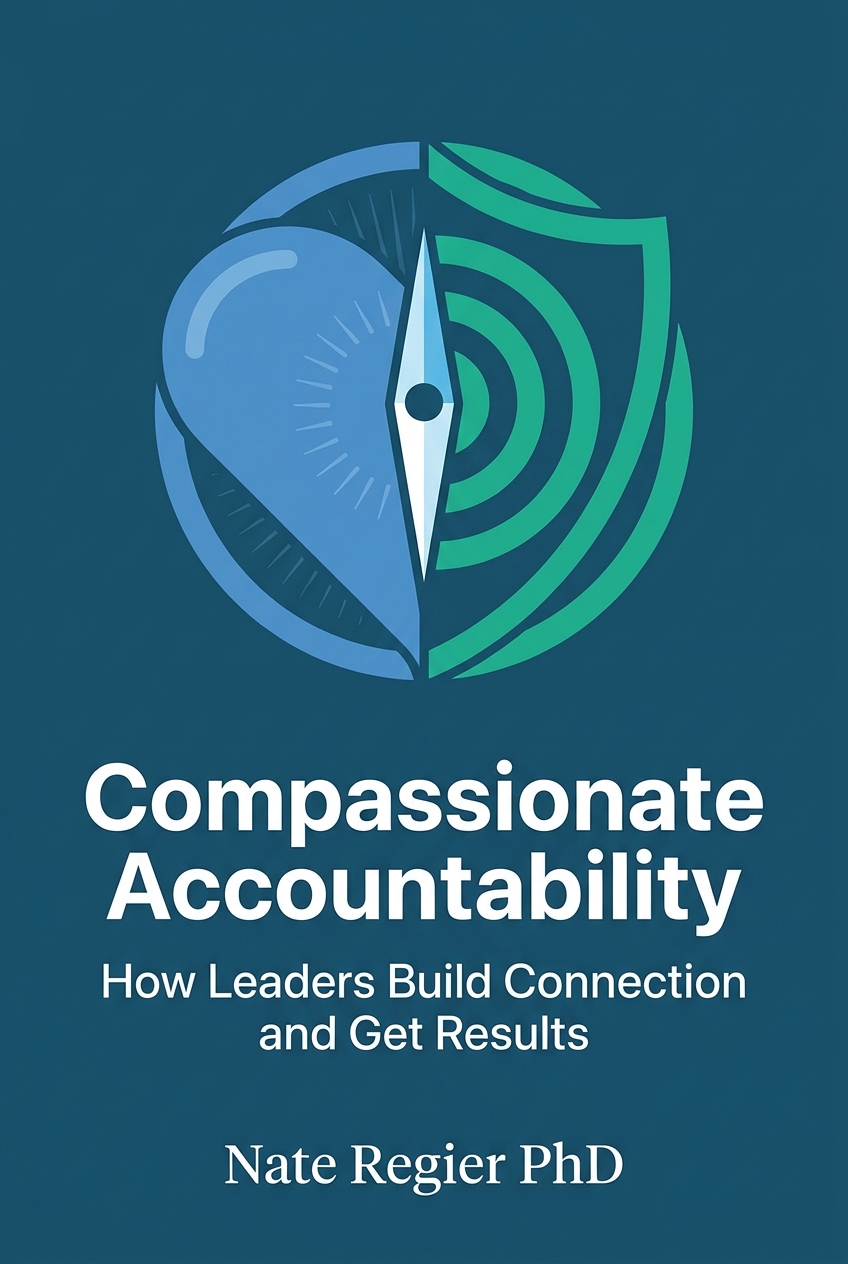
Compassionate Accountability
Lead with both heart and spine by combining support with clear expectations.
- Ditch the false dichotomy between being "nice" and holding people accountable.
- Use the "Struggle, Value, Act" model to navigate difficult conversations.
- Foster connection by addressing issues directly and respectfully.
Leaders who want to drive results without creating a culture of fear or blame.
Lead with both heart and spine by combining support with clear expectations.
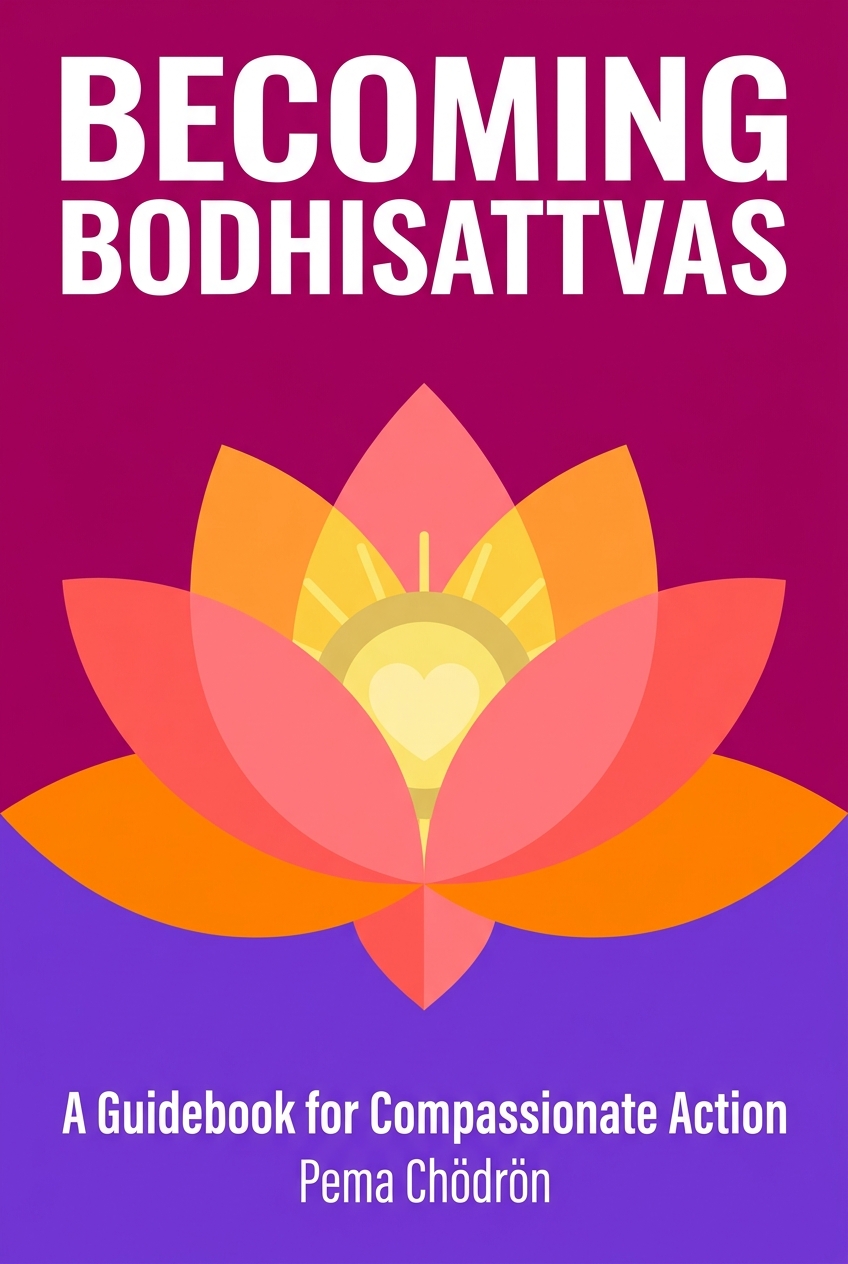
Becoming Bodhisattvas
Turn feelings of helplessness into a powerful force for compassionate action.
- Practice "tonglen," a meditation for taking in pain and sending out relief.
- Embrace the vow to work for the enlightenment of all beings.
- Find courage to act compassionately, even when facing overwhelming suffering.
Spiritual seekers looking to transform empathy into meaningful action.
Turn feelings of helplessness into a powerful force for compassionate action.
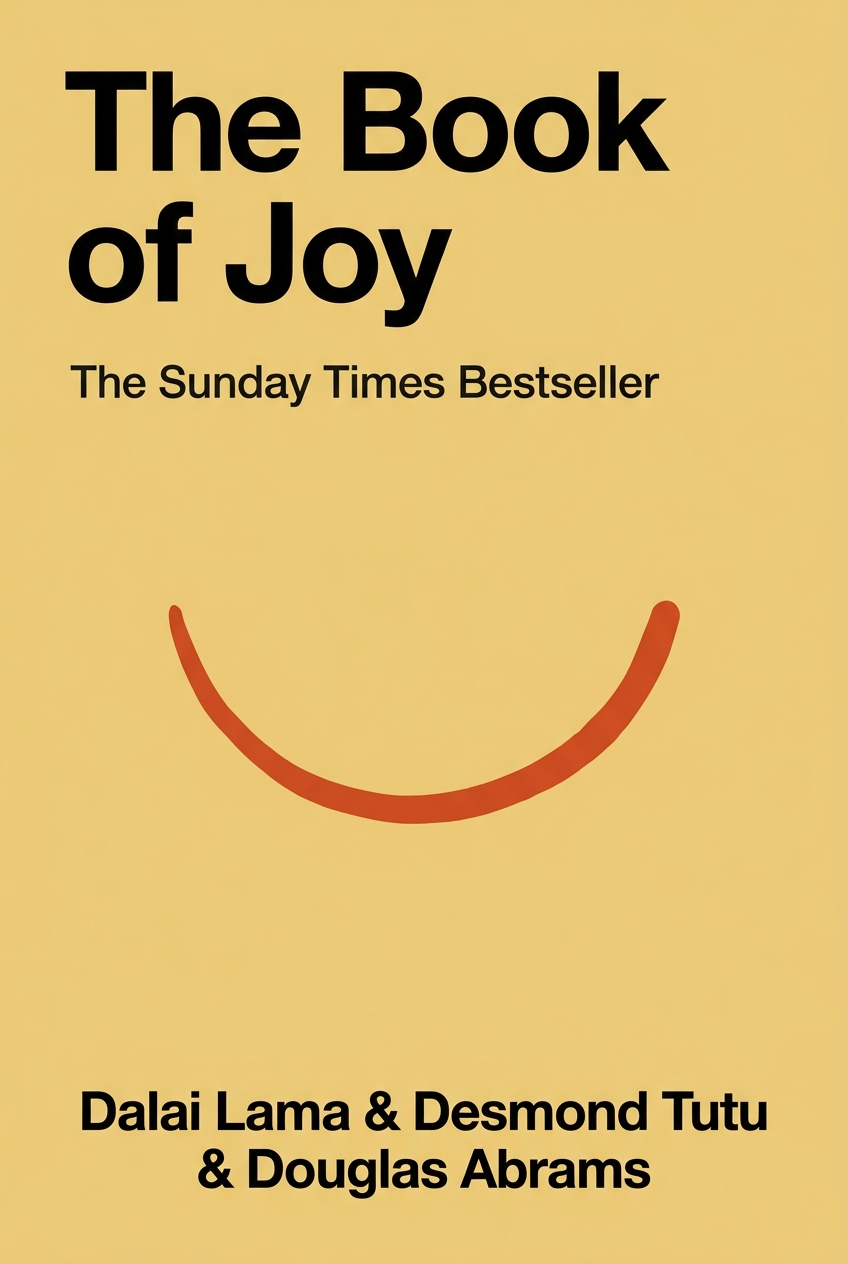
The Book of Joy
Discover the secret to unshakable joy, even in the face of suffering.
- Joy is a skill cultivated through mindset shifts, not an outcome of circumstances.
- Embrace the "Eight Pillars of Joy," including generosity, gratitude, and compassion.
- Learn that true happiness comes from serving and connecting with others.
Anyone seeking lasting happiness and resilience in a turbulent world.
Discover the secret to unshakable joy, even in the face of suffering.
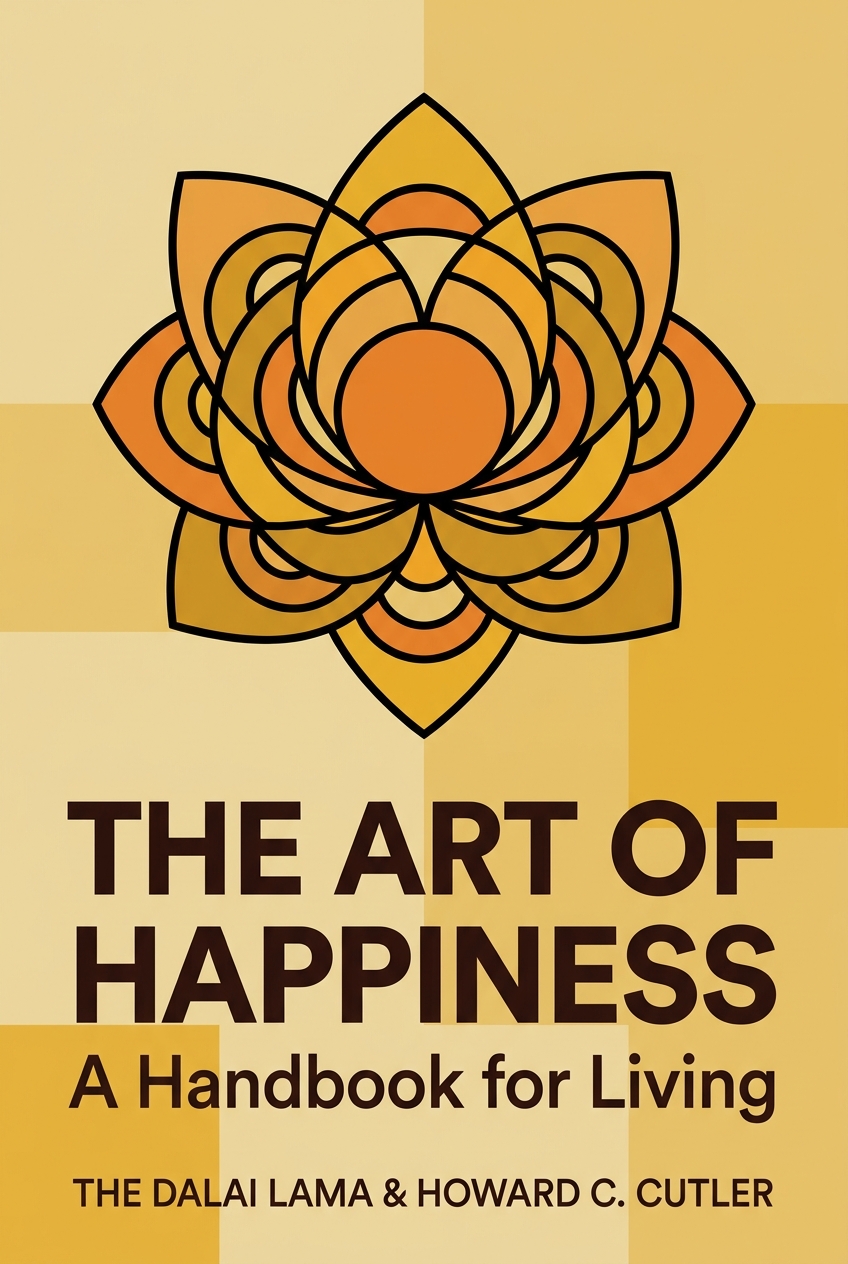
The Art of Happiness
Learn to train your mind for profound and enduring contentment.
- Happiness is an internal state developed through mental discipline.
- The key purpose of life is to seek happiness and overcome suffering.
- Cultivate compassion and connection to find a deeper sense of well-being.
Individuals looking for a practical, secular approach to finding contentment.
Learn to train your mind for profound and enduring contentment.

The Art of Loving
Master the skill of loving by treating it as an art form, not just a feeling.
- True love is an active practice of care, responsibility, respect, and knowledge.
- Overcome self-centeredness to truly connect with and understand another person.
- Distinguish between "falling in love" and the practice of "standing in love."
People wanting to build deeper, more meaningful and lasting relationships.
Master the skill of loving by treating it as an art form, not just a feeling.
Frequently Asked Questions
Struggling with compassion can stem from many factors, including past trauma, emotional exhaustion (compassion fatigue), or a focus on self-preservation. It's a common experience and not a sign of being a "bad" person, but rather an area for gentle self-exploration and growth.
Absolutely. Like any skill, compassion can be intentionally cultivated through practice. Exercises like mindfulness, loving-kindness meditation, and actively listening to others' perspectives can strengthen your capacity for empathy and compassionate action.
To build lasting compassion, it's crucial to address what gets in its way. This involves setting healthy boundaries to prevent burnout, practicing self-compassion to replenish your own emotional resources, and using tools like Nonviolent Communication to navigate difficult interactions without shutting down.