Dystopian Books
What if the future isn't bright? The best dystopian books serve as powerful thought experiments, exploring societies where control, technology, and human nature have gone terrifyingly wrong. These narratives are more than just bleak futures; they are cautionary tales that reflect our own world's anxieties about freedom, conformity, and power. This booklist of must-read dystopian books offers a curated journey into futures we should strive to avoid, from timeless classics to modern masterpieces. Curated by the VoxBrief team.
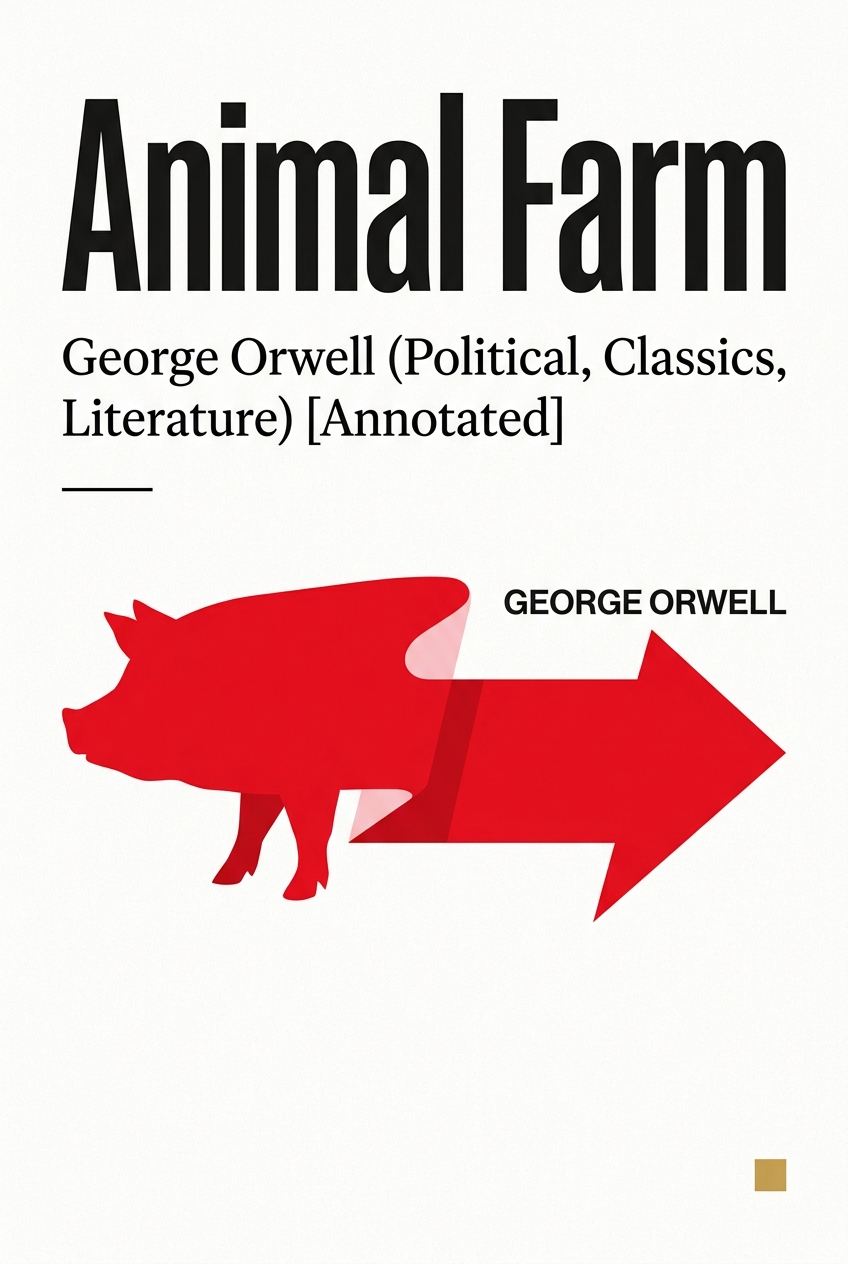
Animal Farm
A farm's revolution for equality descends into a new form of tyranny.
- Power corrupts even those with noble intentions.
- Propaganda and rewriting history are tools of absolute control.
- Blind loyalty enables oppressive regimes to thrive.
Anyone interested in political allegories and the nature of power.
A farm's revolution for equality descends into a new form of tyranny.
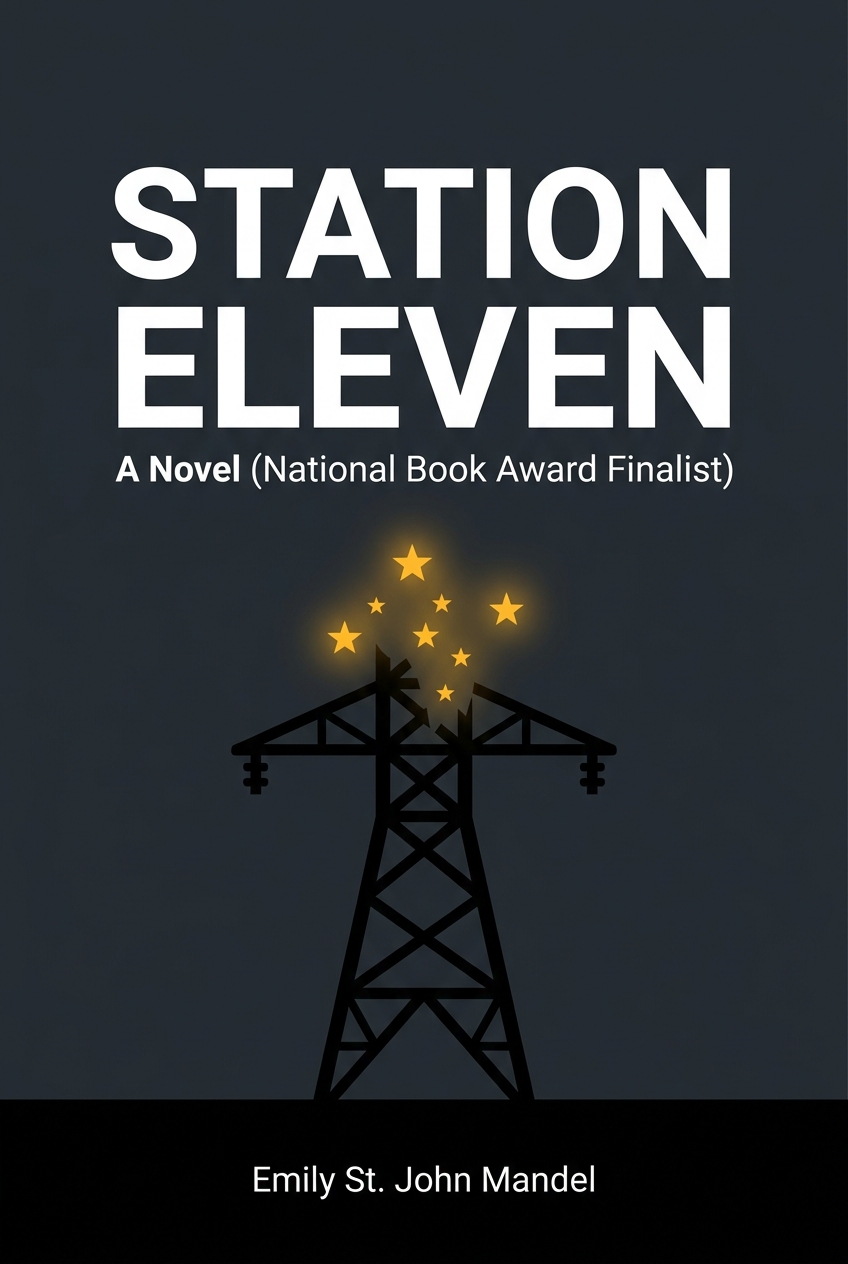
Station Eleven
Art and community persevere after a pandemic collapses civilization.
- Human connection and art are essential for survival beyond mere existence.
- Memory serves to link the pre- and post-apocalyptic worlds.
- Hope and beauty can be found even in the darkest of times.
Readers looking for a hopeful, character-driven post-apocalypse.
Art and community persevere after a pandemic collapses civilization.
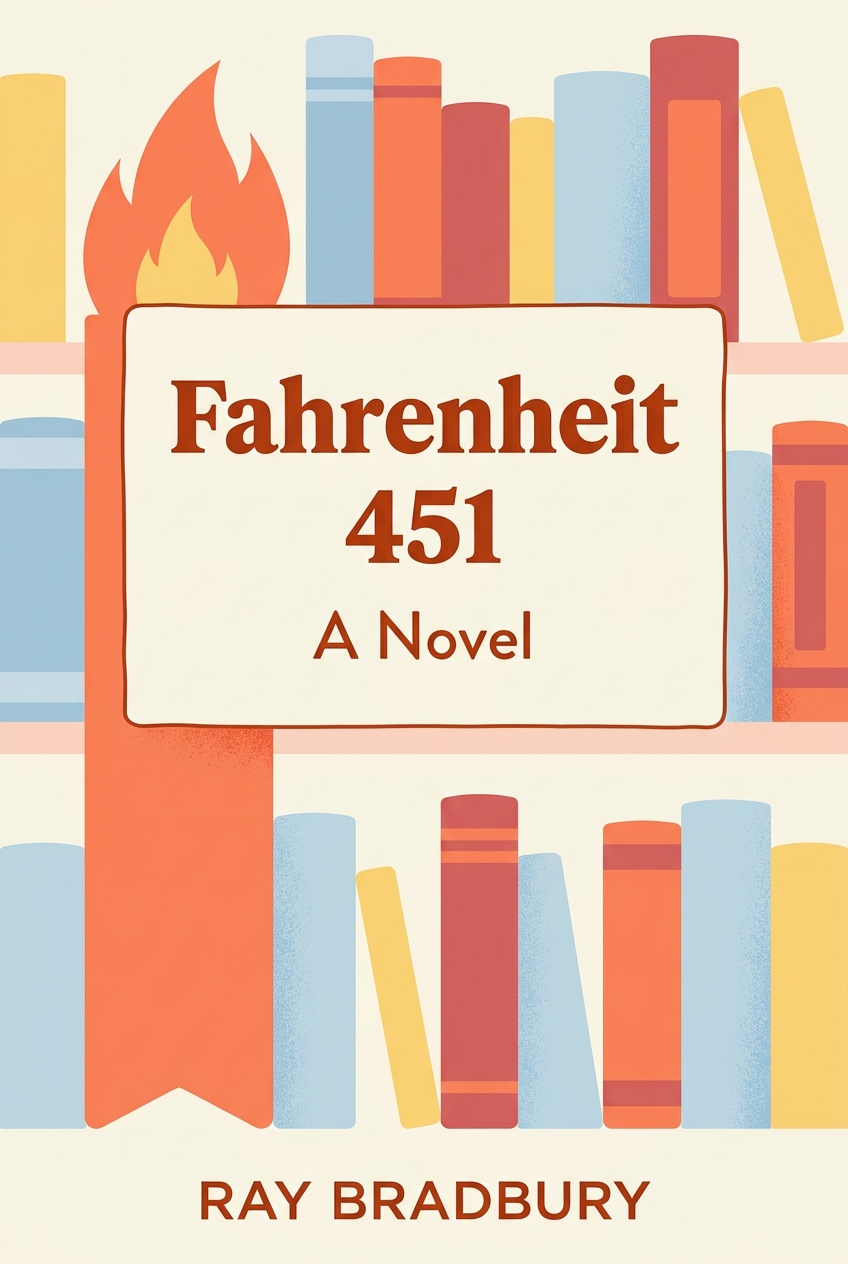
Fahrenheit 451
A fireman who burns books begins to question his society of censorship.
- Censorship leads to a loss of critical thought and individual identity.
- Mass media can be a tool for state-sanctioned distraction and control.
- Intellectual curiosity becomes a powerful act of rebellion.
Those concerned with censorship and the enduring power of literature.
A fireman who burns books begins to question his society of censorship.
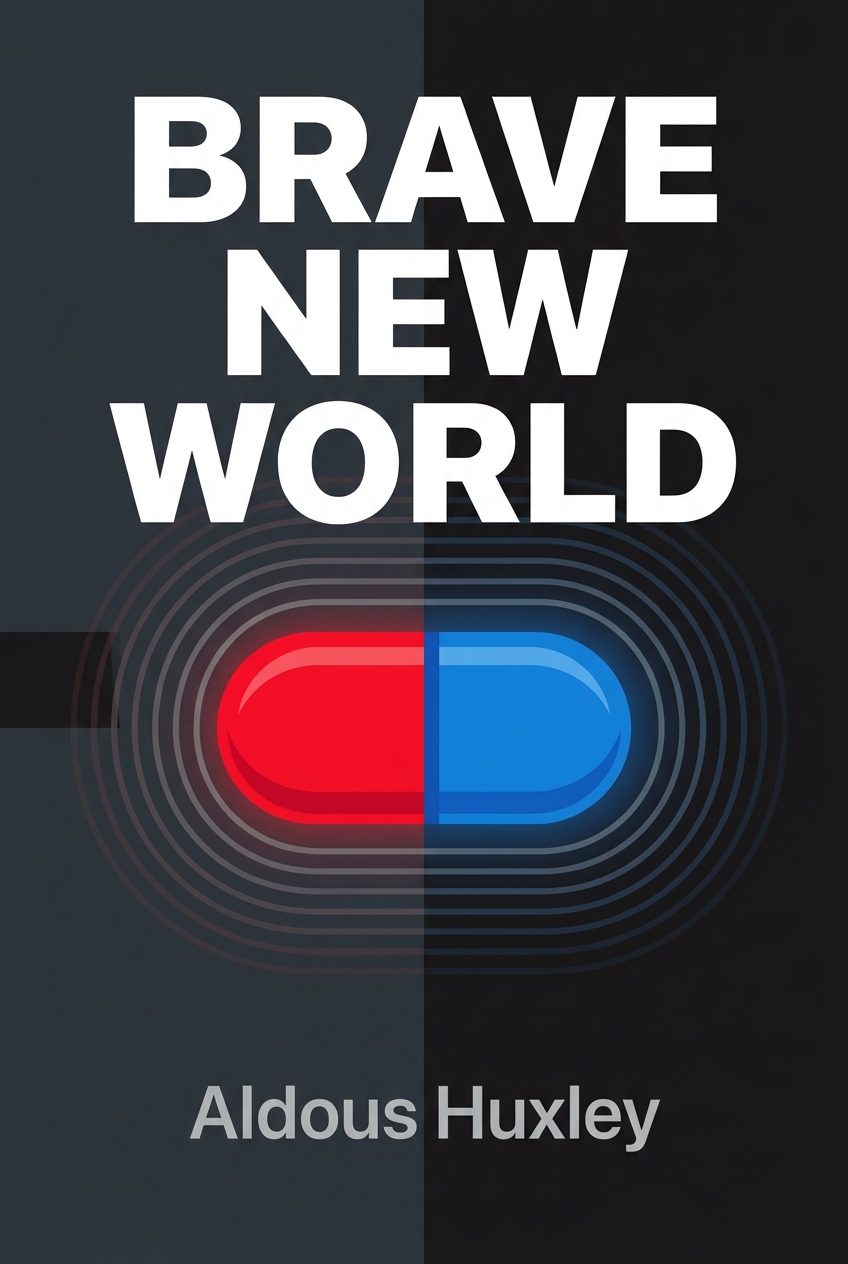
Brave New World
A 'perfect' world sacrifices individuality for engineered happiness.
- Forced happiness and comfort can be insidious forms of oppression.
- Technology can be used to eliminate deep human experiences like love and art.
- True freedom includes the right to be unhappy.
Philosophers questioning the true meaning of happiness and freedom.
A 'perfect' world sacrifices individuality for engineered happiness.
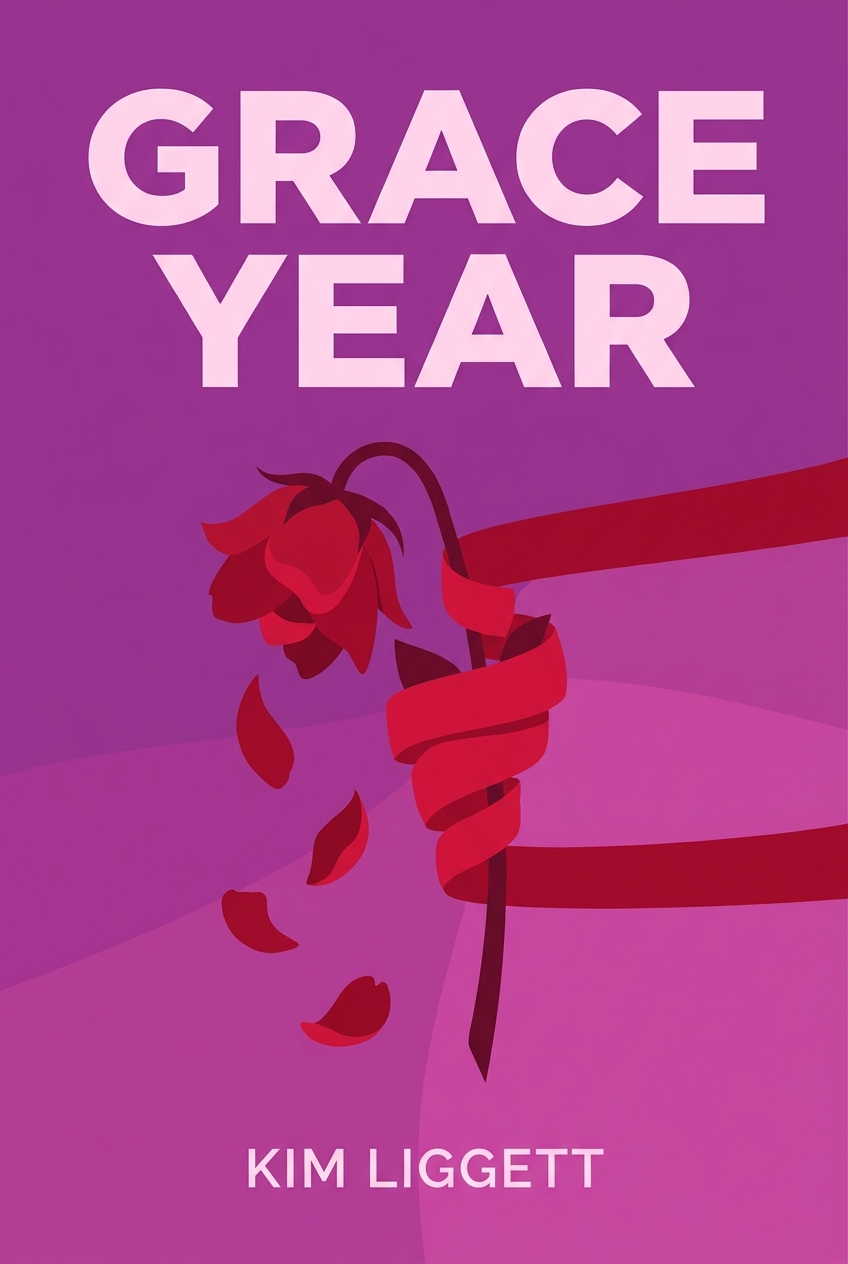
Grace Year
Teen girls are banished to the wild to purge their supposed 'magic'.
- Patriarchal societies often weaponize fear and superstition against women.
- Internalized misogyny can turn oppressed groups against each other.
- Surviving by society's rules is different than surviving in the wild.
Fans of feminist thrillers and survival stories for teens and adults.
Teen girls are banished to the wild to purge their supposed 'magic'.
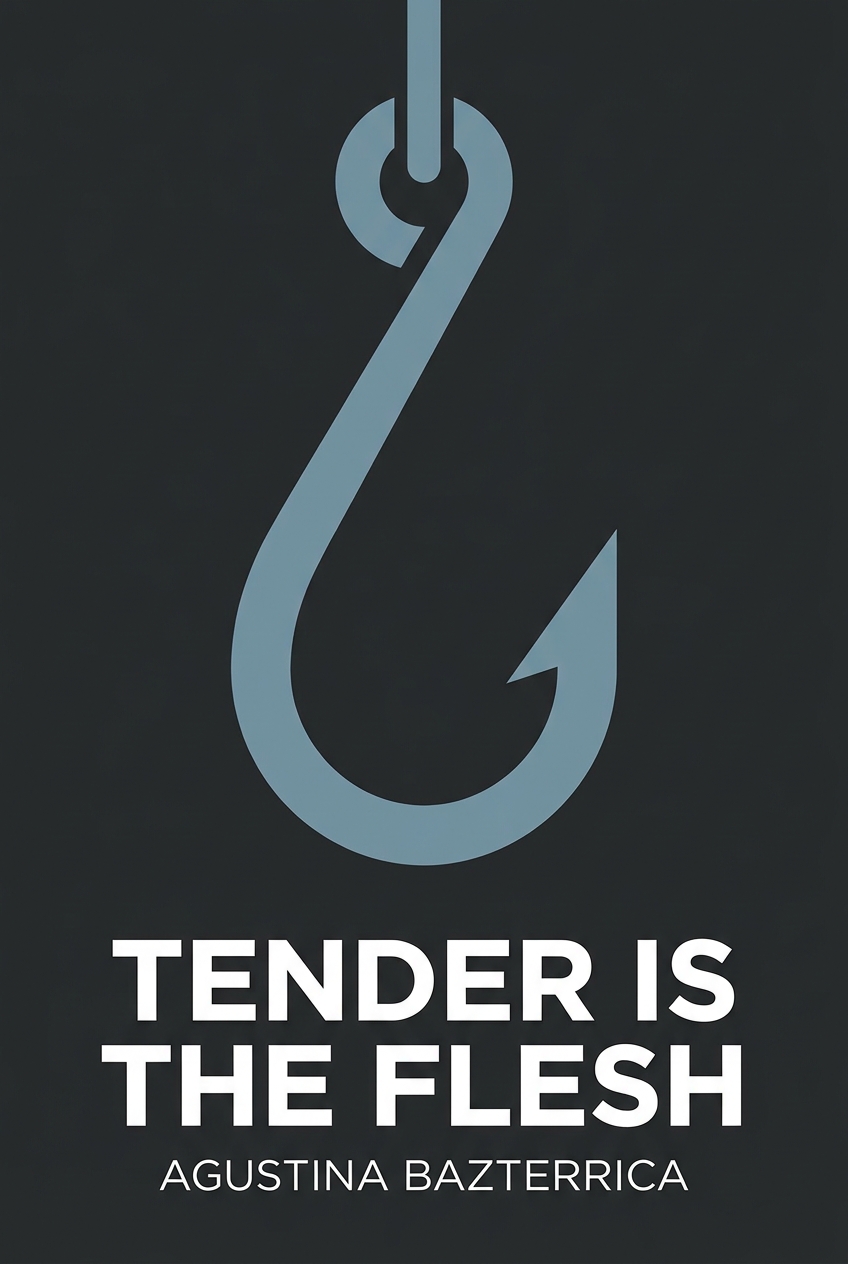
Tender Is the Flesh
Humans are farmed for meat after a virus makes animals inedible.
- Society can normalize the most horrific atrocities out of necessity.
- Desensitization is a dangerous psychological survival mechanism.
- Personal complicity in a monstrous system has a heavy moral cost.
Readers with a strong stomach for extreme horror and social commentary.
Humans are farmed for meat after a virus makes animals inedible.
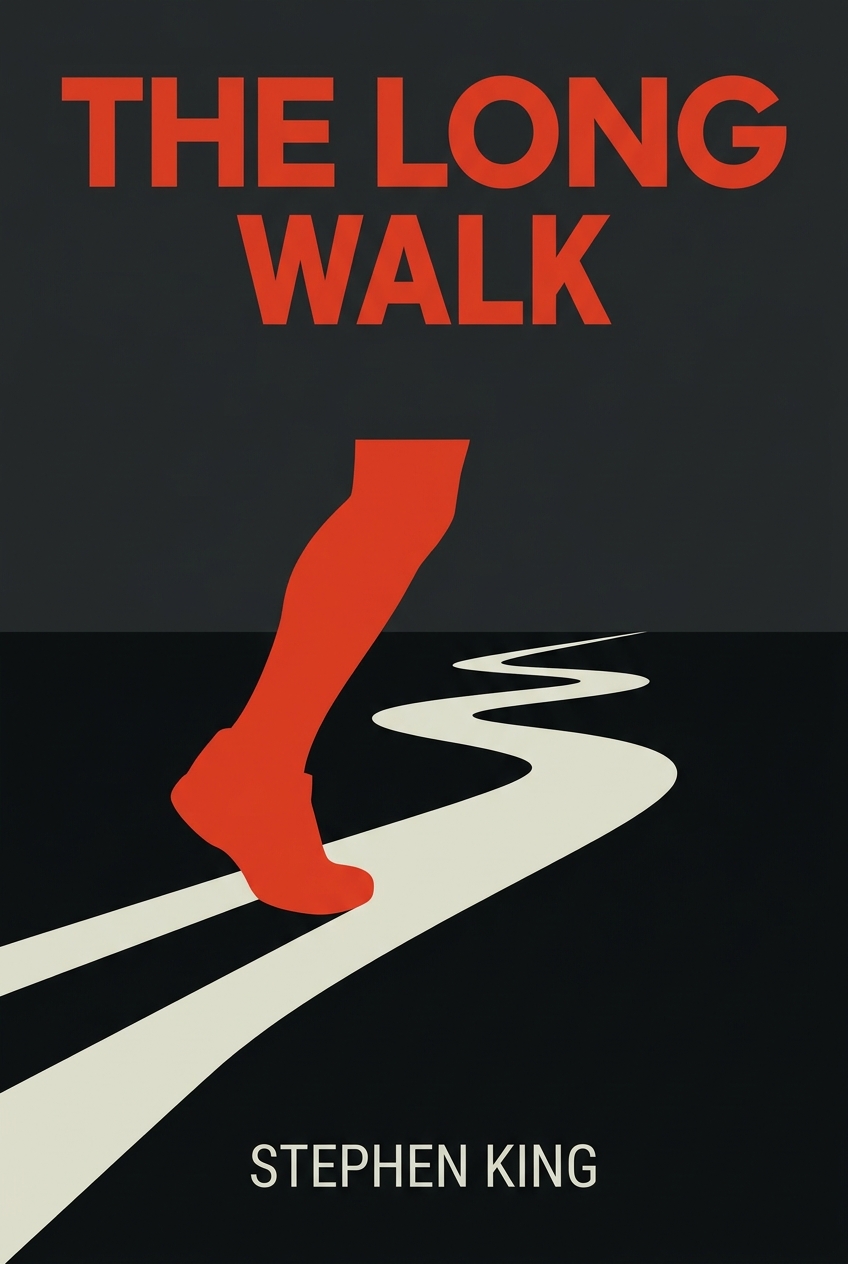
The Long Walk
100 boys compete in a deadly walking contest where stopping means death.
- Extreme pressure reveals the surprising limits of human endurance.
- Unlikely bonds can form even in the most competitive, deadly scenarios.
- A cruel society can be entertained by the suffering of its youth.
Thriller fans fascinated by gritty psychological endurance challenges.
100 boys compete in a deadly walking contest where stopping means death.
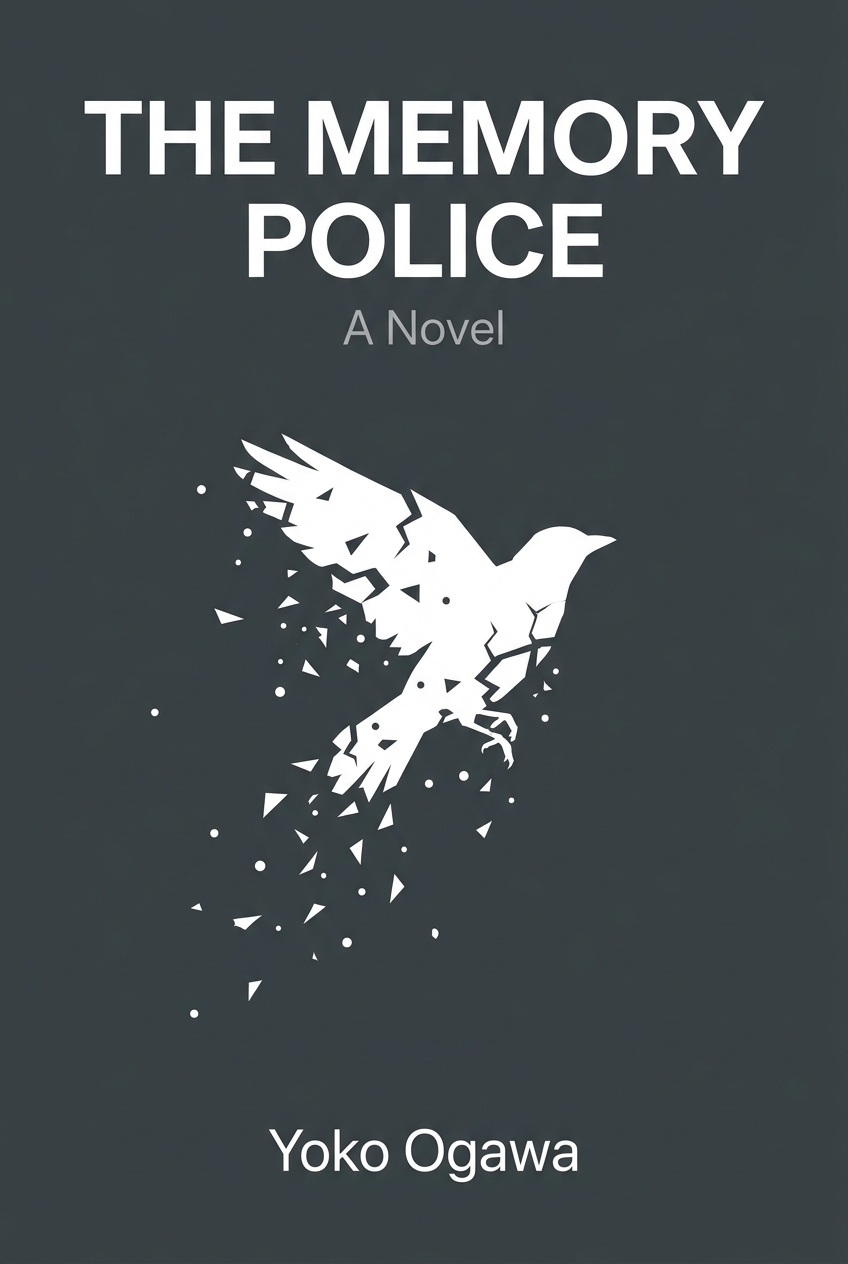
The Memory Police
A novelist fights to preserve memories as things are erased from existence.
- Memory is foundational to personal and collective identity.
- Authoritarianism often begins with quiet, seemingly small losses.
- Preserving art and relationships is a powerful act of defiance.
Readers who enjoy subtle, allegorical tales about loss and control.
A novelist fights to preserve memories as things are erased from existence.
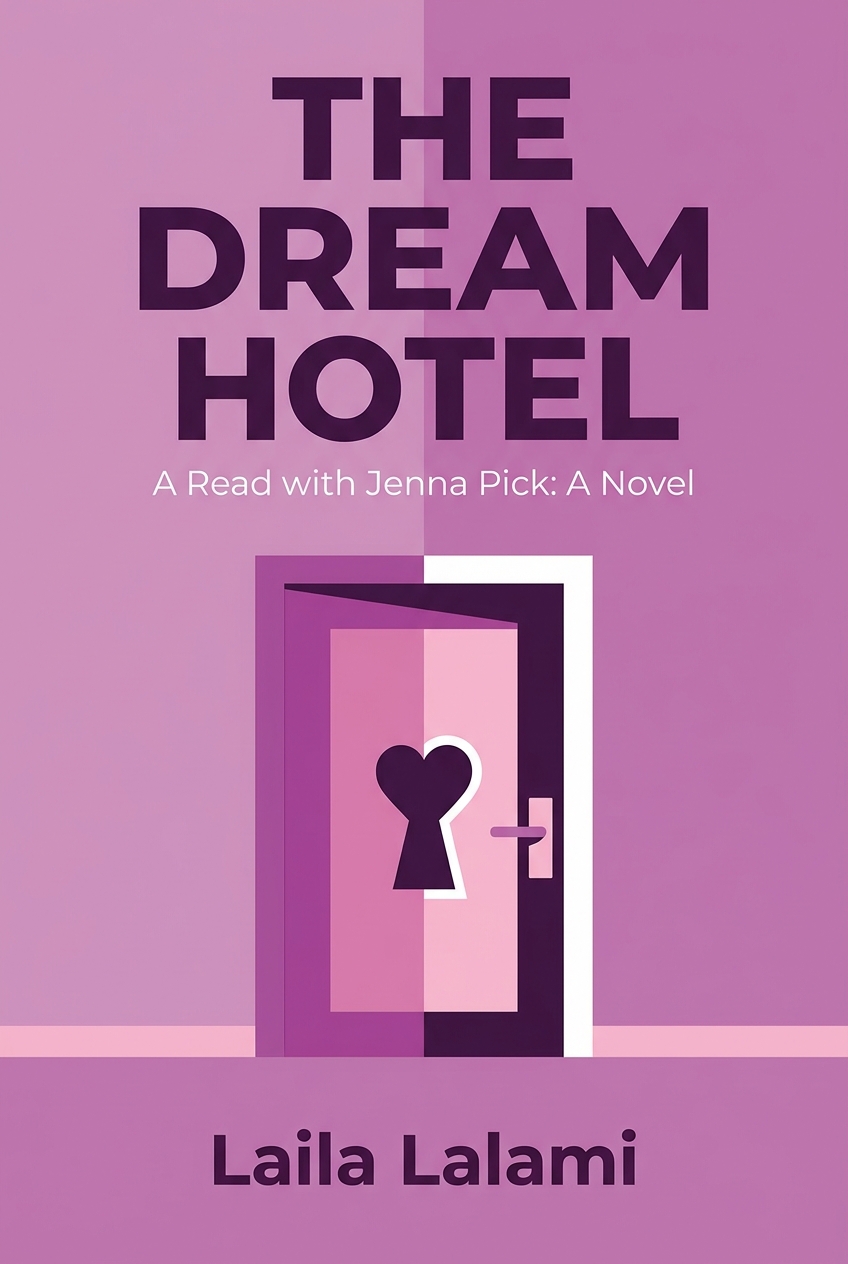
The Dream Hotel
An immigrant's American dream shatters, revealing a personal dystopia.
- The pursuit of an ideal can hide a grim and exploitative reality.
- Personal loyalties often clash with the cold demands of survival.
- Identity is a complex negotiation between ambition and hidden truths.
Readers interested in the hidden costs of immigration and ambition.
An immigrant's American dream shatters, revealing a personal dystopia.
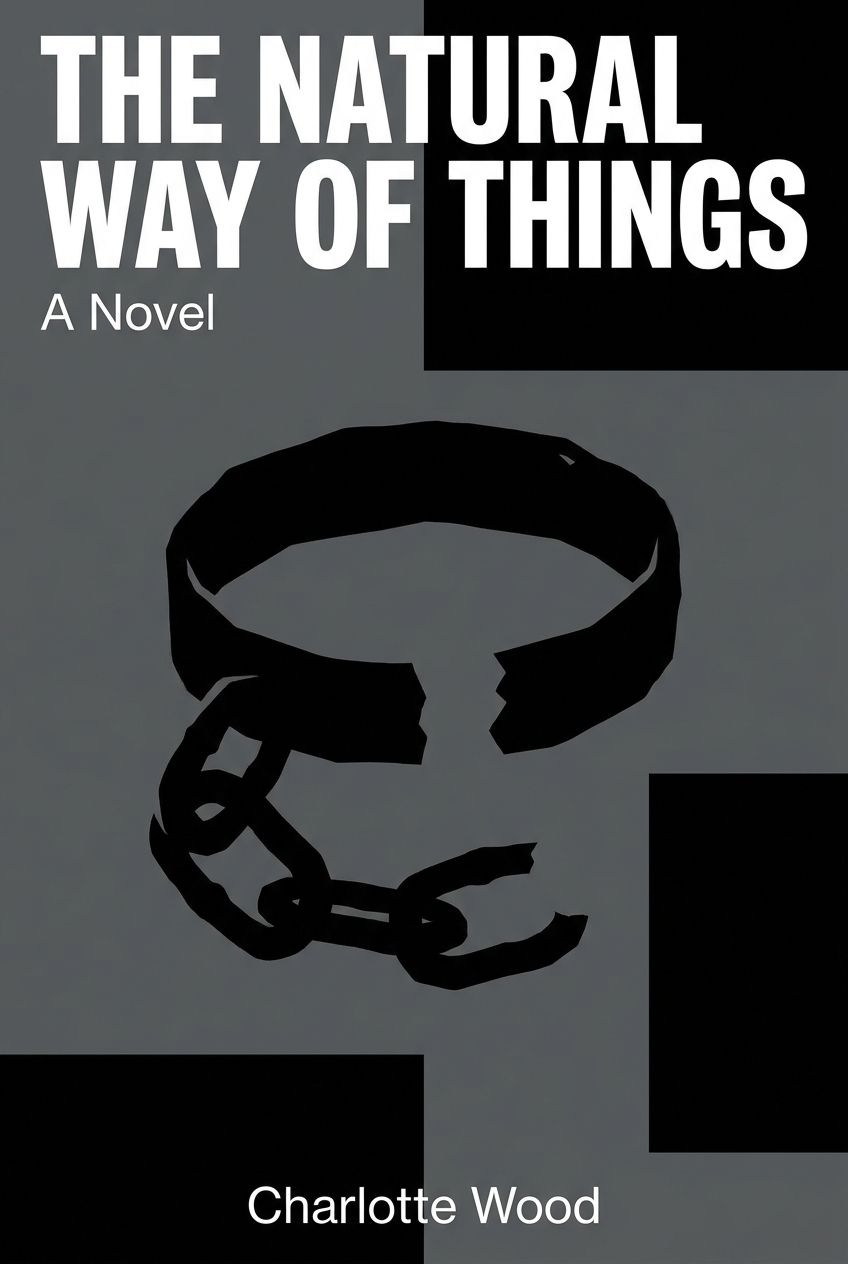
The Natural Way of Things
Imprisoned in the outback, women reclaim their power from their captors.
- Societal punishment for female sexuality is a form of control.
- Stripped of civilization, primal community and hierarchy take over.
- Resilience can be found in reclaiming one's own narrative and body.
Readers of harsh feminist literature and brutal survival narratives.
Imprisoned in the outback, women reclaim their power from their captors.
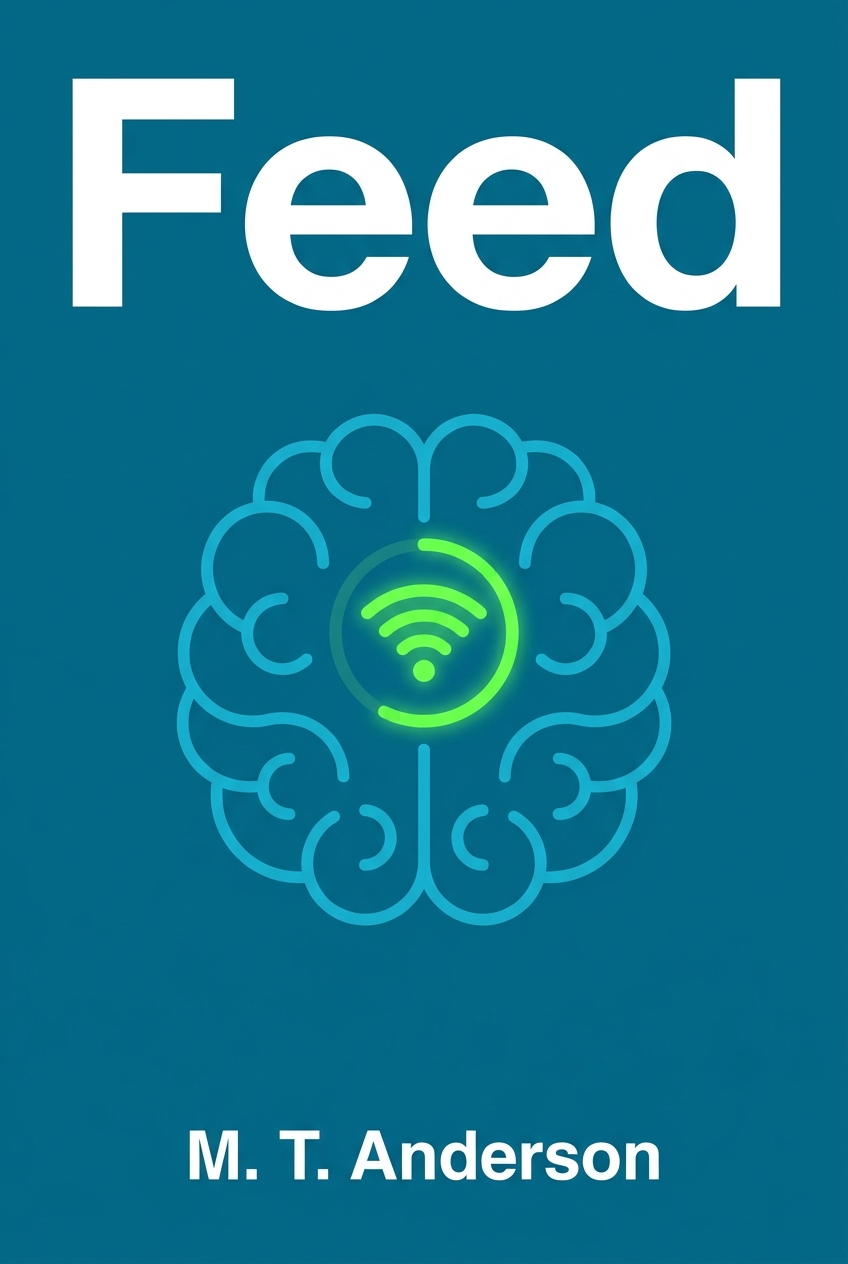
Feed
A brain implant controlling thoughts pushes teens to rebel.
- Pervasive consumer culture can erode individuality and critical thinking.
- Constant digital connection can lead to profound emotional disconnection.
- Language decays when replaced by corporate jargon and trending slang.
Teens and adults critical of social media and rampant consumerism.
A brain implant controlling thoughts pushes teens to rebel.
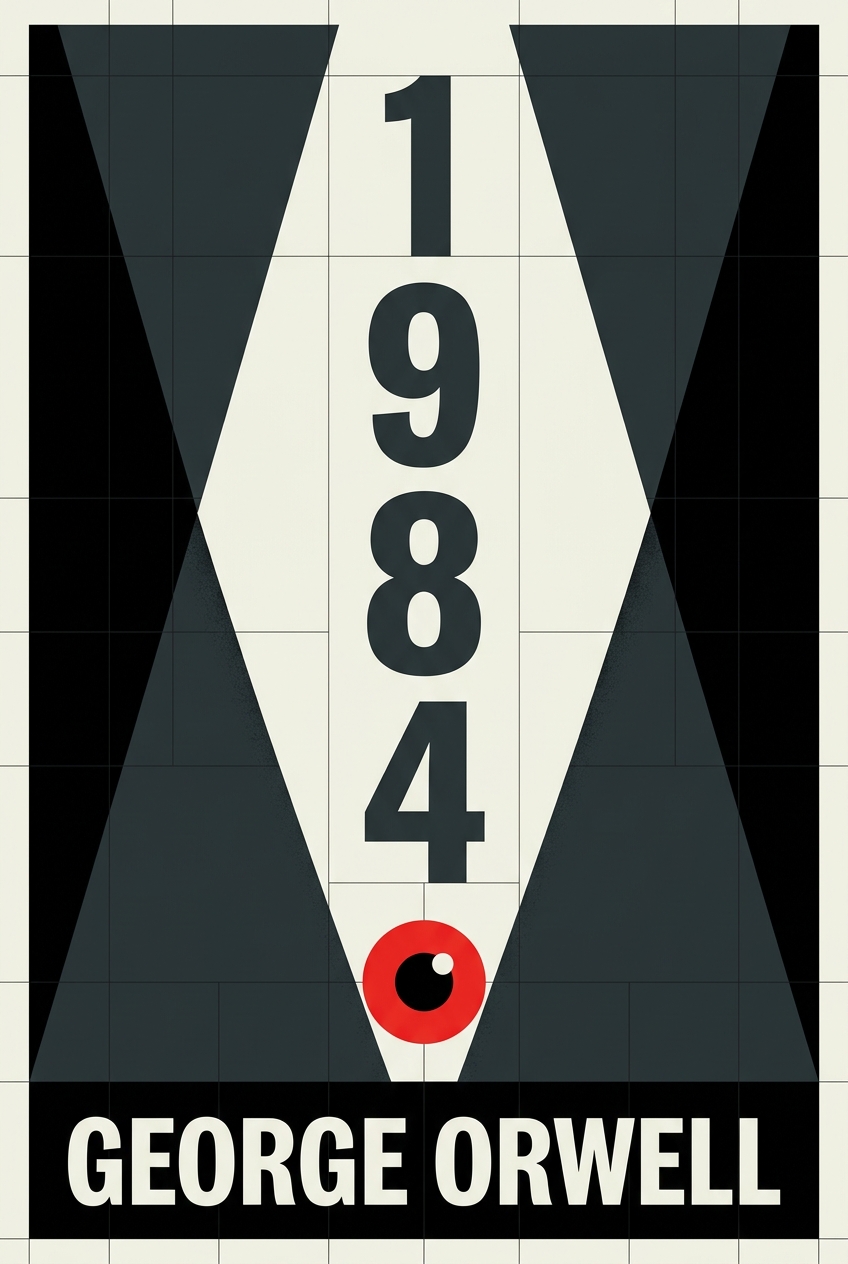
1984
A man defies a totalitarian regime where even thoughts are a crime.
- Total surveillance and psychological manipulation crush the human spirit.
- Language can be weaponized to make dissent and independent thought impossible.
- Controlling the past is the key to controlling the present and future.
Anyone seeking to understand the fundamental mechanics of totalitarianism.
A man defies a totalitarian regime where even thoughts are a crime.
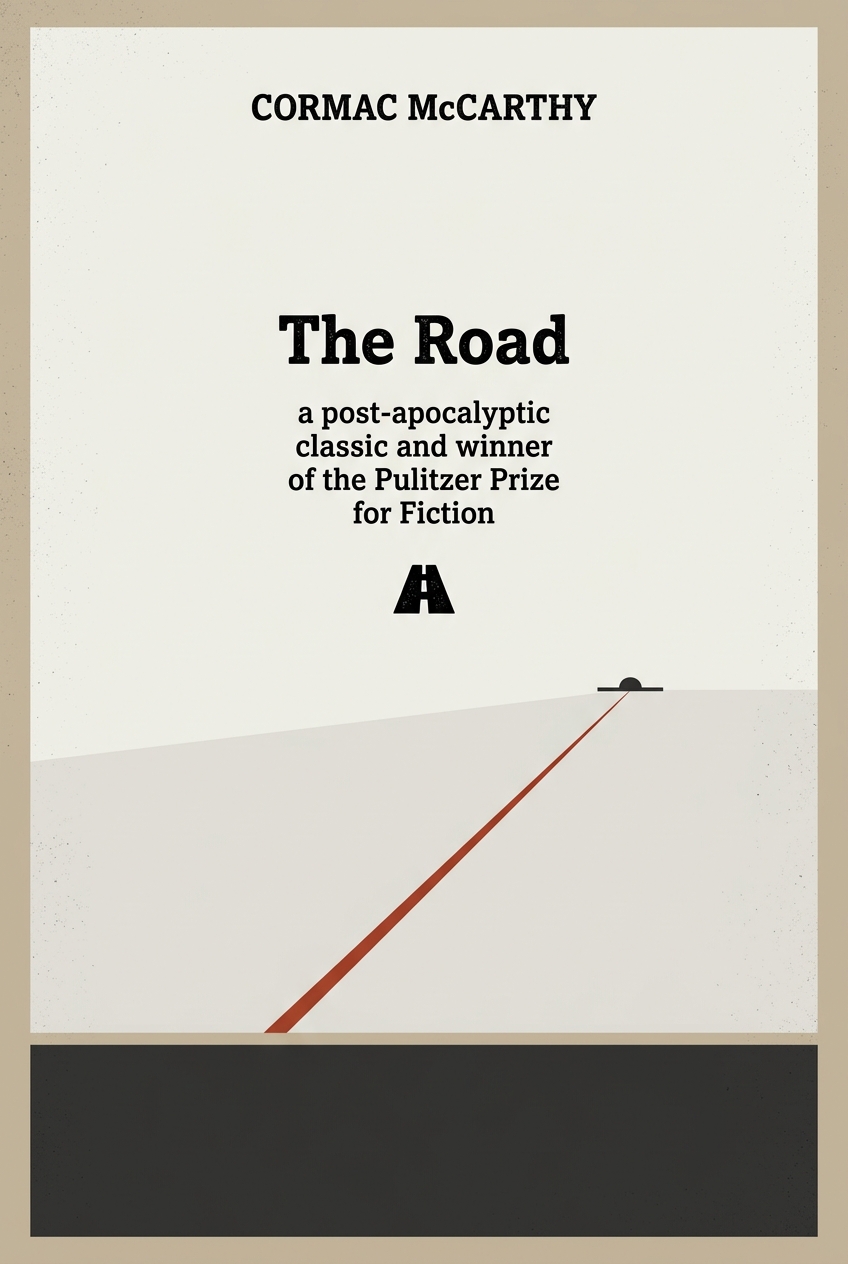
The Road
A father and son journey through a desolate, post-apocalyptic world.
- Maintaining humanity and morals is the ultimate struggle in a lawless world.
- The parent-child bond can be a source of profound strength and hope.
- Hope ('carrying the fire') is a conscious, difficult, and daily choice.
Readers who appreciate stark literary prose and stories of human bonds.
A father and son journey through a desolate, post-apocalyptic world.
Frequently Asked Questions
A good dystopian book excels at world-building, creating a society that is both frightening and believably rooted in our current reality. It features a relatable protagonist whose struggle illuminates core themes like control, freedom, and humanity, leaving you thinking long after the final page.
For a foundational experience, start with classics like George Orwell's *1984* or Aldous Huxley's *Brave New World*. If you prefer a more modern entry point, *Station Eleven* by Emily St. John Mandel and *The Hunger Games* by Suzanne Collins are excellent, accessible choices.
Classic dystopian literature, like *Fahrenheit 451*, often focuses on totalitarian governments, censorship, and loss of individuality. Modern dystopias explore more varied themes like environmental collapse (*The Road*), corporate control (*Feed*), or gender politics (*The Grace Year*), reflecting current societal anxieties.