Microlearning Apps
Tired of leaving the negotiating table feeling like you got the short end of the stick? Gain powerful strategies and insights to confidently get what you deserve in any situation. Our top picks from the world's leading experts will teach you everything from tactical empathy to creating win-win scenarios. This curated list of negotiation books has been selected to give you a decisive advantage in your career and personal life. Curated by the VoxBrief team.
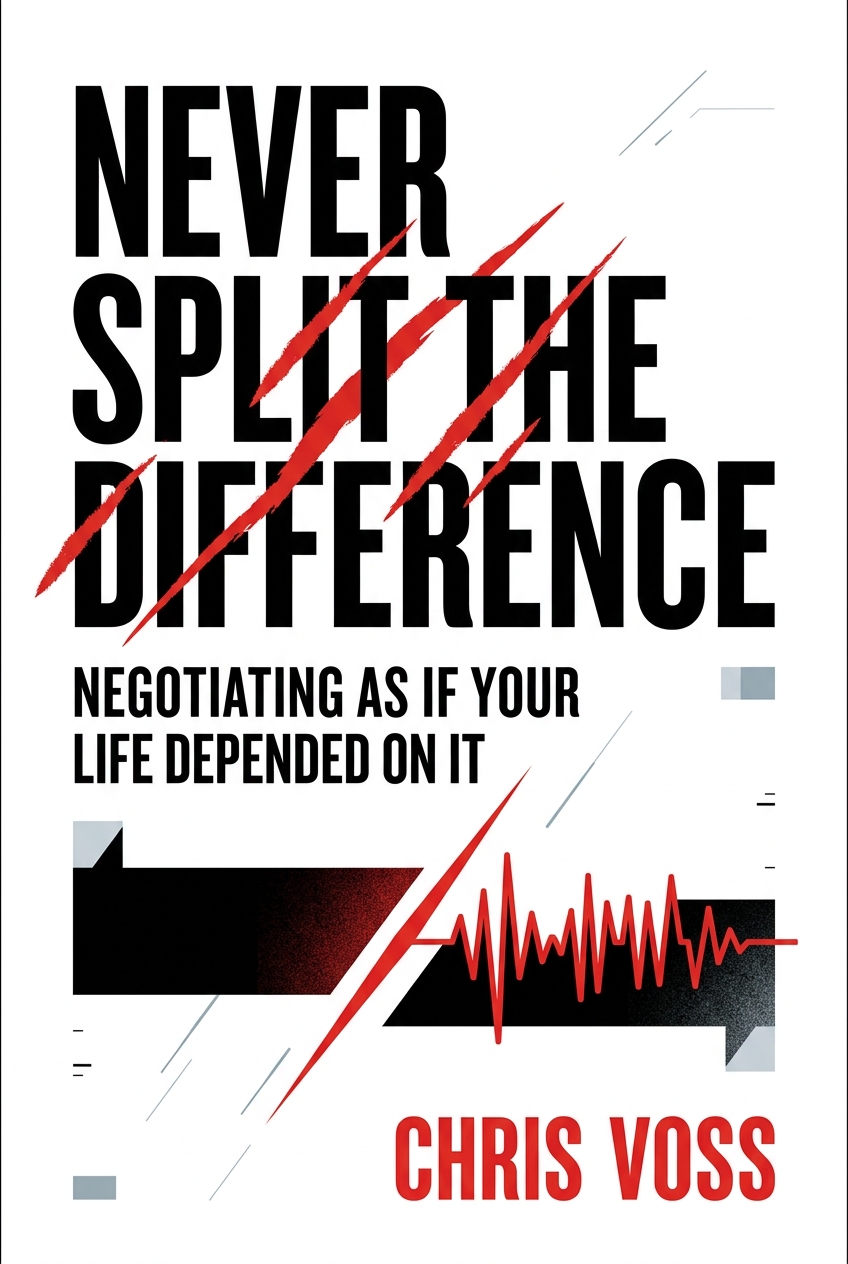
Never Split the Difference
Learn FBI hostage negotiation tactics to win any high-stakes conversation.
- Use tactical empathy to uncover your counterpart's hidden needs and desires.
- Employ mirroring and labeling to quickly build rapport and disarm tension.
- Ask calibrated questions that shape the conversation and lead to 'yes'.
Anyone in high-stakes talks who wants to gain a psychological edge.
Learn FBI hostage negotiation tactics to win any high-stakes conversation.
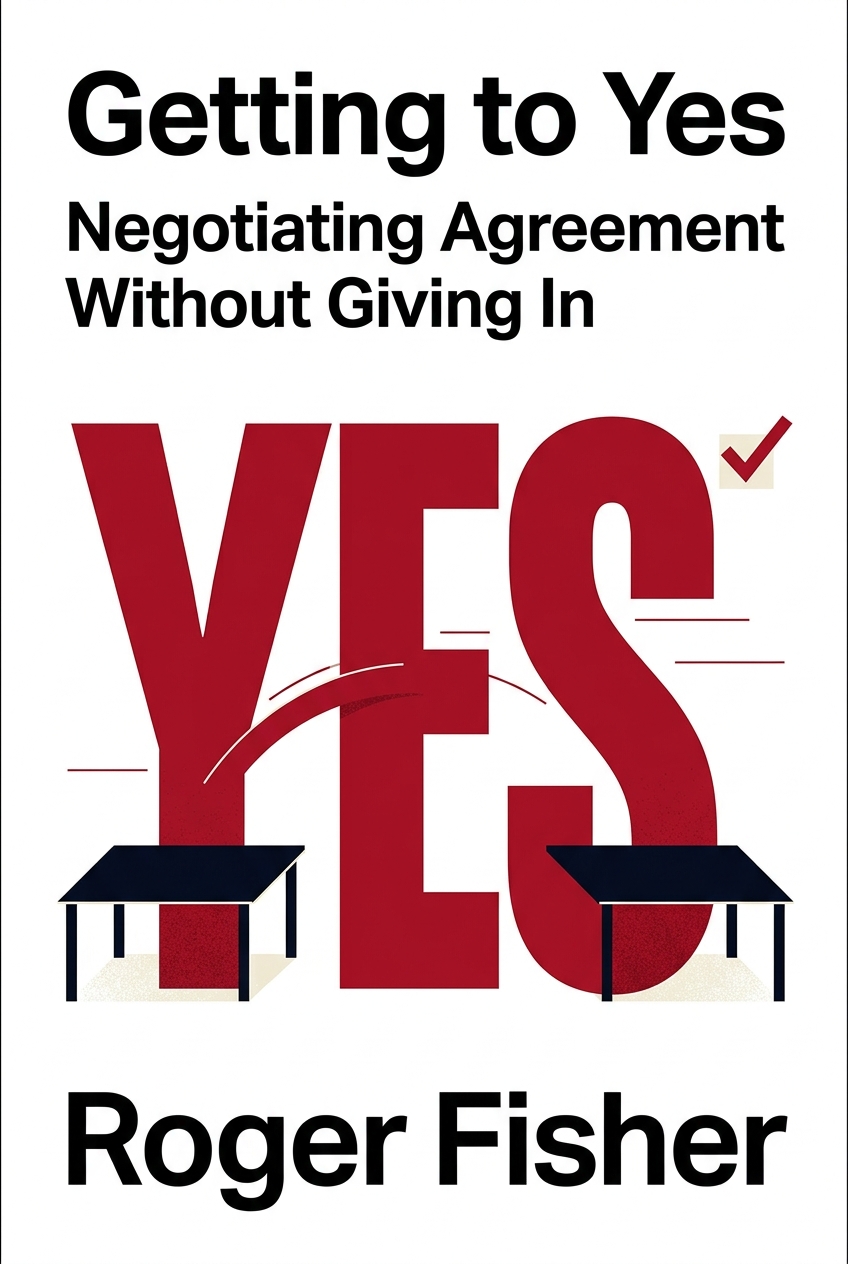
Getting to Yes
Turn conflict into collaboration and achieve win-win agreements.
- Separate the people from the problem to maintain relationships.
- Focus on underlying interests, not just stated positions.
- Invent options for mutual gain before making a final decision.
Professionals seeking to build long-term partnerships through negotiation.
Turn conflict into collaboration and achieve win-win agreements.
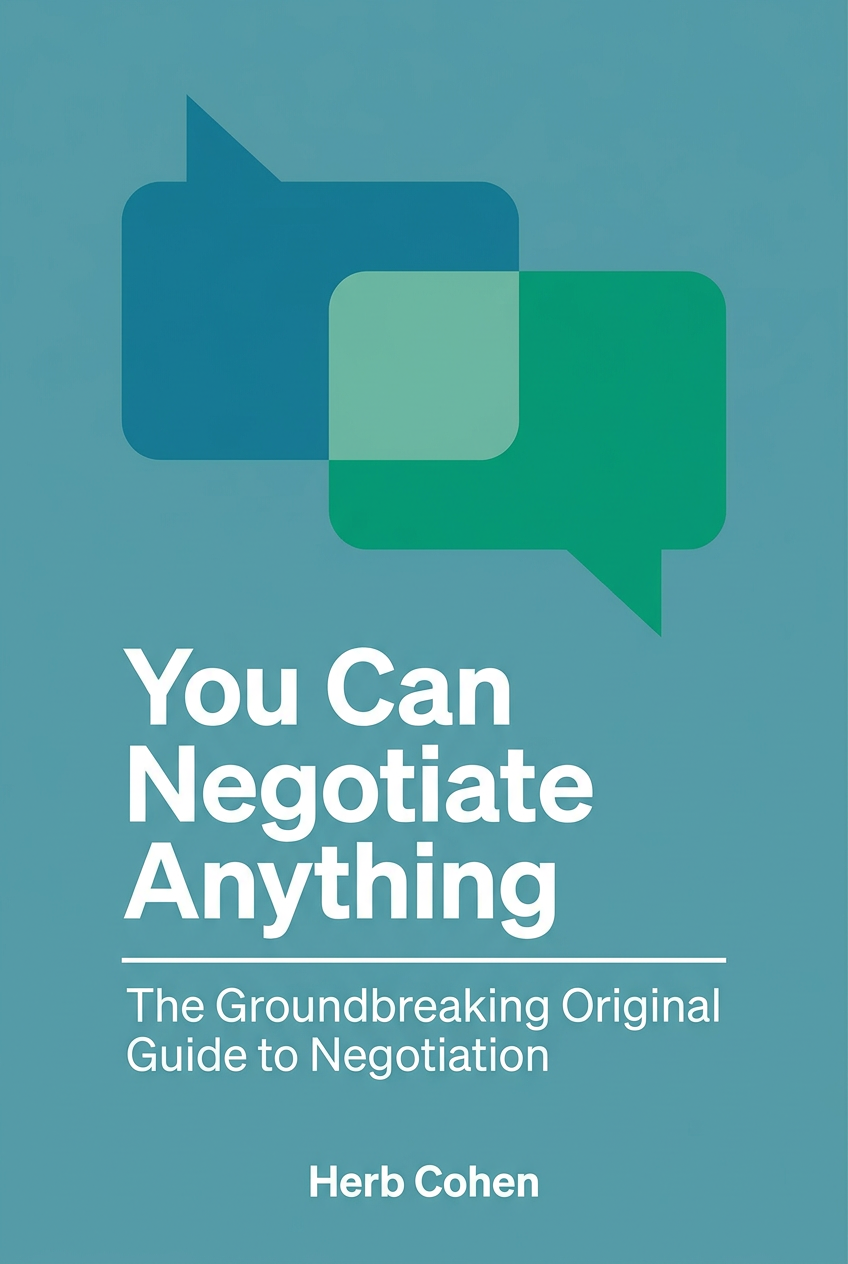
You Can Negotiate Anything
Master the foundational principles of power, time, and information.
- Understand the three key variables in any deal: Power, Time, and Information.
- Build leverage even when you think you have none.
- Use practical tactics to manage pressure and gain an ethical advantage.
Beginners looking for a masterclass on the core dynamics of any deal.
Master the foundational principles of power, time, and information.
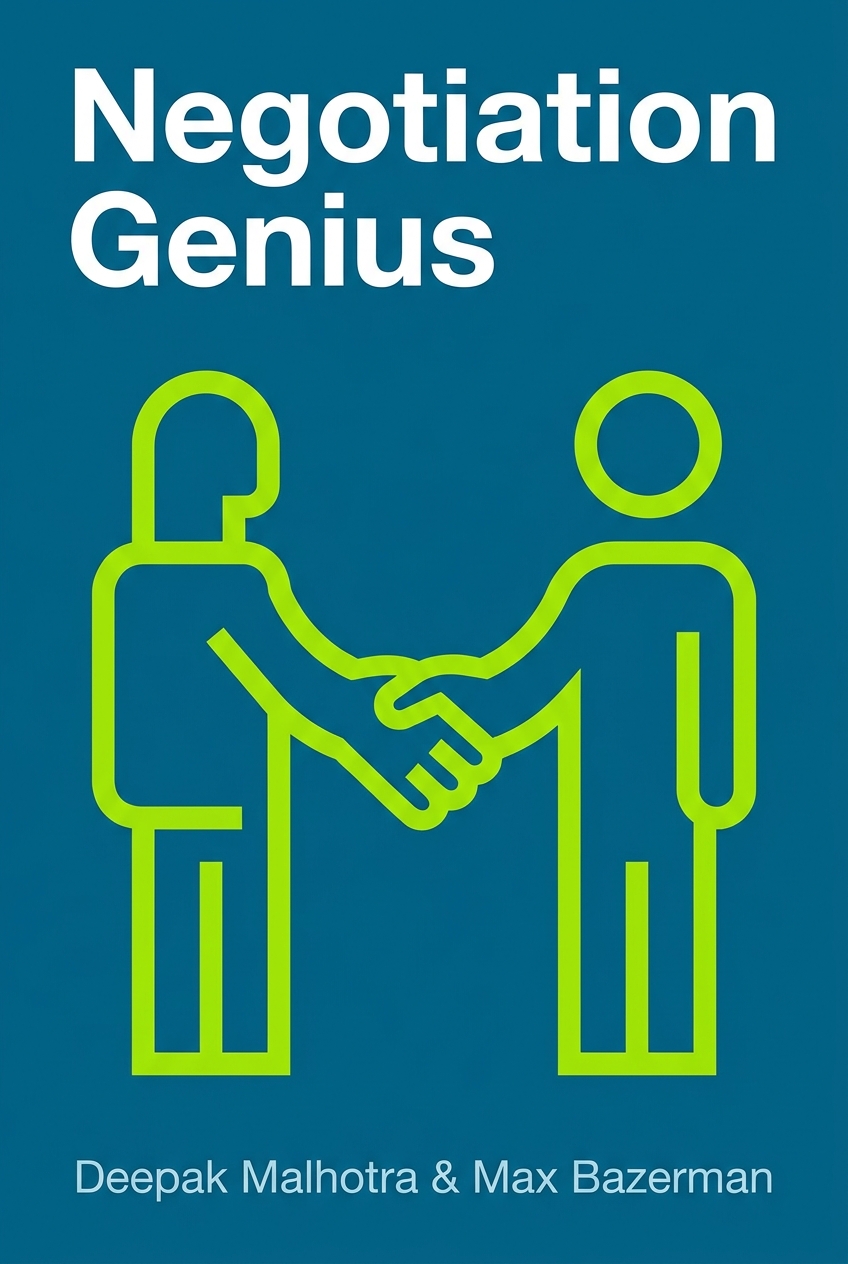
Negotiation Genius
Use a systematic framework to prepare for and win complex negotiations.
- Prepare systematically by analyzing the full scope of the negotiation.
- Identify and create value that others might miss during the deal.
- Manage emotions and biased thinking to make rational decisions under pressure.
Analytical thinkers wanting a structured approach to complex deal-making.
Use a systematic framework to prepare for and win complex negotiations.
Bargaining for Advantage
Discover your personal negotiation style and use it to achieve your goals.
- Identify your own negotiation style, such as Accommodating or Competing.
- Set optimistic but realistic goals to anchor the negotiation in your favor.
- Manage information strategically to gain bargaining power.
Individuals who want to leverage their natural strengths in negotiations.
Discover your personal negotiation style and use it to achieve your goals.
The Art of Negotiation
Learn a proven framework to read people and frame your requests irresistibly.
- Interpret body language and non-verbal cues to understand true intentions.
- Counter common manipulative tactics used by aggressive negotiators.
- Frame your proposal in a way that makes it difficult to refuse.
Salespeople and managers who need to persuade and influence others daily.
Learn a proven framework to read people and frame your requests irresistibly.
HBR's 10 Must Reads on Negotiation
Get core strategies from top experts on high-stakes talks and deal-making.
- Prepare for high-stakes talks by anticipating the other side's moves.
- Control your emotions to avoid making irrational concessions.
- Build trust and find hidden value to turn adversaries into partners.
Leaders looking for a diverse collection of proven negotiation theories.
Get core strategies from top experts on high-stakes talks and deal-making.
3-d Negotiation
Change the game by mastering deal design and setup before you talk.
- Focus on pre-negotiation setup instead of just tactics at the table.
- Shape the deal's scope and structure to your advantage from the start.
- Build winning coalitions to strengthen your bargaining position.
Strategists and executives involved in complex, multi-party deals.
Change the game by mastering deal design and setup before you talk.
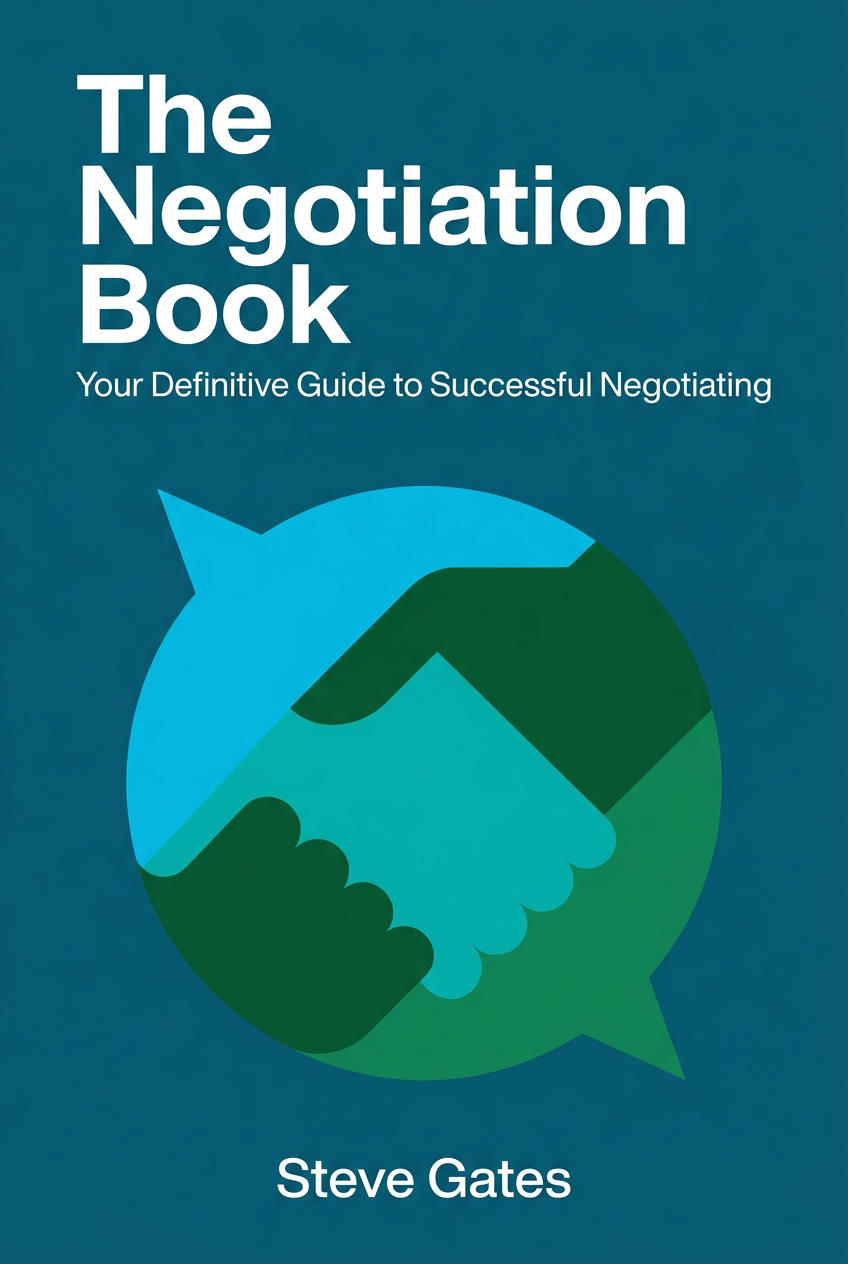
The Negotiation Book
A practical, step-by-step guide to achieving win-win outcomes.
- Follow a clear framework from preparation to closing the deal.
- Understand the other party's deep motivations, not just their requests.
- Build long-term relationships through ethical and effective practices.
Project managers who need a reliable, repeatable negotiation process.
A practical, step-by-step guide to achieving win-win outcomes.
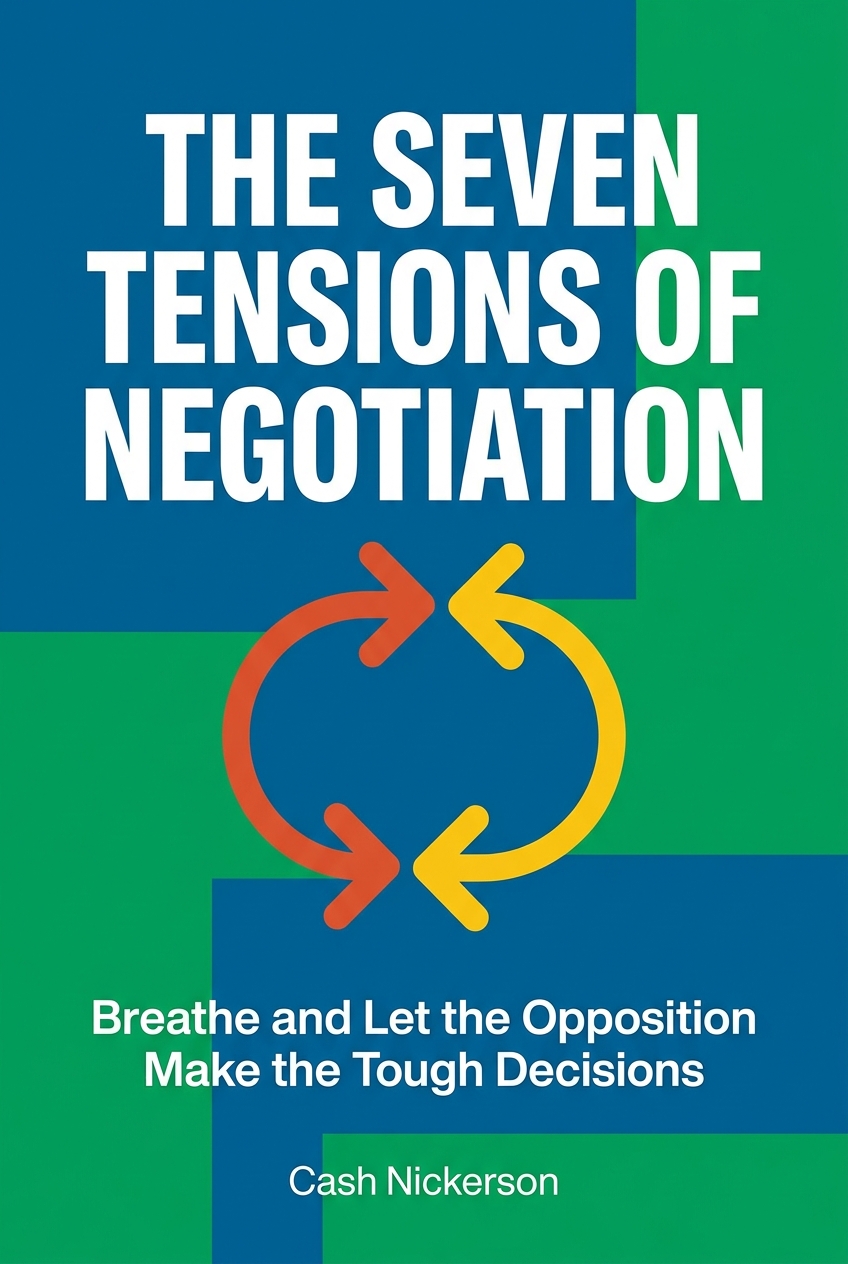
The Seven Tensions of Negotiation
Master negotiation by managing seven core tensions that control every talk.
- Understand the seven key tensions, such as creating vs. distributing value.
- Use strategic patience and silence to let your counterpart do the hard work.
- Control the emotional climate of the conversation non-verbally.
Patient negotiators who want to win by outlasting their counterparts.
Master negotiation by managing seven core tensions that control every talk.
Frequently Asked Questions
For beginners, 'Getting to Yes' by Roger Fisher is an excellent starting point. It provides a foundational framework for turning conflict into collaboration and focuses on creating win-win outcomes, which is a crucial first skill for any negotiator.
To improve your skills, don't just read the books—actively practice the techniques. Try using mirroring from 'Never Split the Difference' in a low-stakes conversation, or prepare for a small negotiation by mapping interests as described in 'Getting to Yes'.
Most experts agree on a few key principles: thorough preparation, understanding the other party's true interests (not just their position), knowing your own walk-away point, and striving to create value for both sides, not just claim it for yourself.